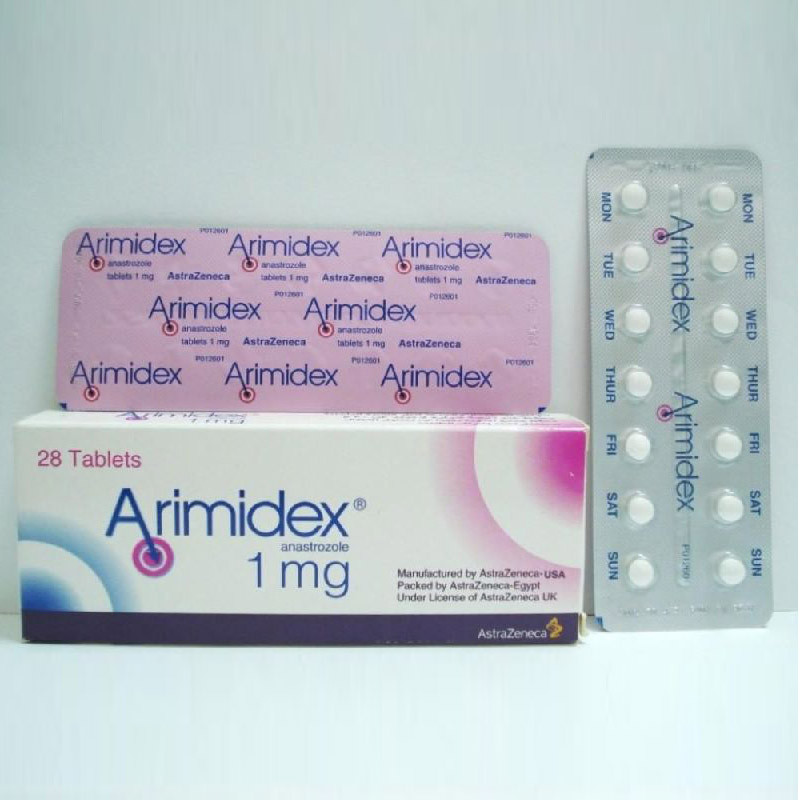
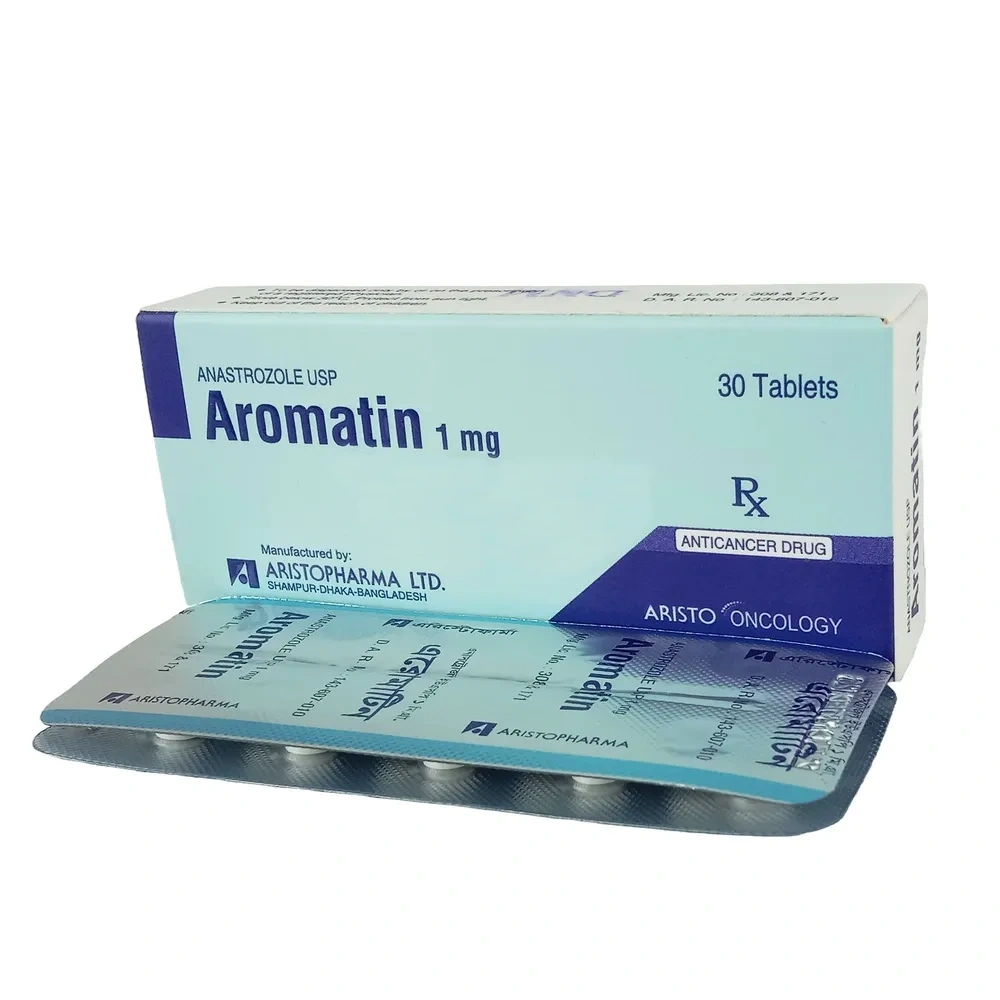
Introduction
Anastrozole is a non-steroidal aromatase inhibitor (AI), similar to letrozole, used to decrease circulating estrogen levels in the treatment of postmenopausal women with estrogen-responsive breast cancer. Anastrozole is also related to exemestane, a steroidal AI, but its non-steroidal nature provides stark advantages including a lack of steroid-associated adverse effects such as weight gain and acne. Aromatase inhibitors, including anastrozole, have become endocrine drugs of choice in the treatment of postmenopausal breast cancer due to a more favourable efficacy and adverse effect profile as compared to earlier estrogen receptor modulators such as tamoxifen.
Anastrozole was first approved for use in the United States in 1995.
Uses
Anastrozole is a competitive, selective, non-steroidal aromatase inhibitor used as adjuvant therapy for the treatment of hormone receptor-positive breast cancer in postmenopausal women.
Anastrozole is indicated as adjunct therapy in the treatment of hormone receptor-positive early breast cancer in postmenopausal women, and as a first-line treatment for hormone receptor-positive (or hormone receptor-unknown) locally advanced or metastatic breast cancer in postmenopausal women. It may also be used in the treatment of advanced breast cancer in postmenopausal women who experience disease progression despite treatment with tamoxifen.
Associated Conditions
Pharmacodynamics
Anastrozole prevents the conversion of adrenal androgens (e.g. testosterone) to estrogen in peripheral and tumour tissues. As the growth of many breast cancers is stimulated and/or maintained by the presence of estrogen, anastrozole helps to treat these cancers by decreasing the levels of circulating estrogens. Anastrozole has a relatively long duration of action allowing for once daily dosing - serum estradiol is reduced by approximately 70% within 24 hours of beginning therapy with 1mg once daily, and levels remain suppressed for up to 6 days following cessation of therapy.
The incidence of ischemic cardiovascular events was increased during anastrozole therapy and patients with pre-existing ischemic heart disease should consider the risks and benefits of anastrozole before beginning therapy. Anastrozole has also been reported to decrease spine and hip bone mineral density (BMD), so consideration should be given to monitoring of BMD in patients receiving long-term therapy.
Mechanism of Action
Anastrazole exerts its anti-estrogenic effects via selective and competitive inhibition of the aromatase enzyme found predominantly in the adrenal glands, liver, and fatty tissues. Many breast cancers are hormone receptor-positive, meaning their growth is stimulated and/or maintained by the presence of hormones such as estrogen or progesterone. In postmenopausal women, estrogen is primarily derived from the conversion of adrenally-produced androgens into estrogens by the aromatase enzyme - by competitively inhibiting the biosynthesis of estrogen at these enzymes, anastrozole effectively suppresses circulating estrogen levels and, subsequently, the growth of hormone receptor-positive tumours.
Absorption
Anastrozole is rapidly absorbed and Tmax is typically reached within 2 hours of dosing under fasted conditions. Coadministration with food reduces the rate but not the overall extent of absorption - mean Cmax decreased by 16% and the median Tmax was extended to 5 hours when anastrozole was administered 30 minutes after ingestion of food, though this relatively minor alteration in absorption kinetics is not expected to result in clinically significant effects.
Volume of Distribution
The volume of distribution of anastrozole into brain tissue in mice is 3.19 mL/g. Distribution into the CNS is limited due to the activity of P-gp efflux pumps at the blood brain barrier, of which anastrozole is a substrate.
Protein Binding
Anastrozole is 40% protein bound in plasma and appears to be independent of plasma concentration.
Route of Elimination
Hepatic metabolism accounts for approximately 85% of anastrozole elimination. Approximately 10% of the administered dosage is eliminated unchanged in the urine.
Half Life
The elimination half-life of anastrozole is approximately 50 hours.
Clearance
Anastrozole's clearance is mainly via hepatic metabolism and can therefore be altered in patients with hepatic impairment - patients with stable hepatic cirrhosis exhibit an apparent oral clearance approximately 30% lower compared with patients with normal liver function. Conversely, renal impairment has a negligible effect on total drug clearance as the renal route is a relatively minor clearance pathway for anastrozole. In volunteers with severe renal impairment, renal clearance was reduced by 50% while total clearance was only reduced by approximately 10%.
Toxicity
The reported oral TDLo in a human woman is 1.68 mg/kg given intermittently over the course of 12 weeks. Knowledge of the signs and symptoms of anastrozole overdose is incomplete as there are no documented descriptions of a patient receiving more than 60mg, a dose which was administered to a healthy male volunteer and was well-tolerated. There is no antidote for anastrozole and treatment should be supportive and symptomatic, including close monitoring of patient vital signs. As anastrozole exhibits relatively low protein binding, dialysis may be helpful and should be considered in select cases.
Food Interactions
- Take with or without food. Co-administration with food reduces the rate, but not the overall extent, of absorption.
Dosage
Patients with Hepatic Impairment: No changes in dose are recommended for patients with mild-to-moderate hepatic impairment. Anastrozole has not been studied in patients with severe hepatic impairment.
Patients with Renal Impairment: No changes in dose are necessary for patients with renal impairment.
Pediatric Use: The safety and efficacy of Anastrozole in pediatric patients have not been established.
Geriatric Use: The pharmacokinetics of Anastrozole are not affected by age.