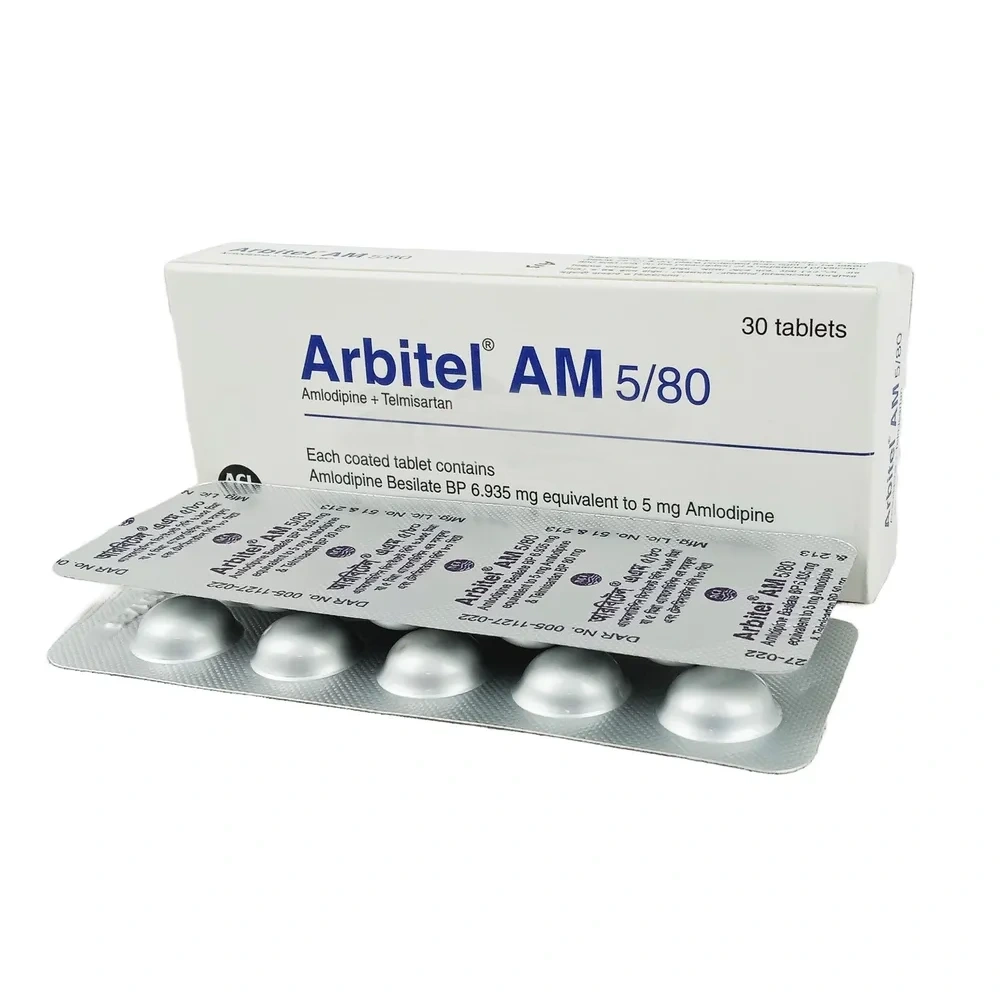
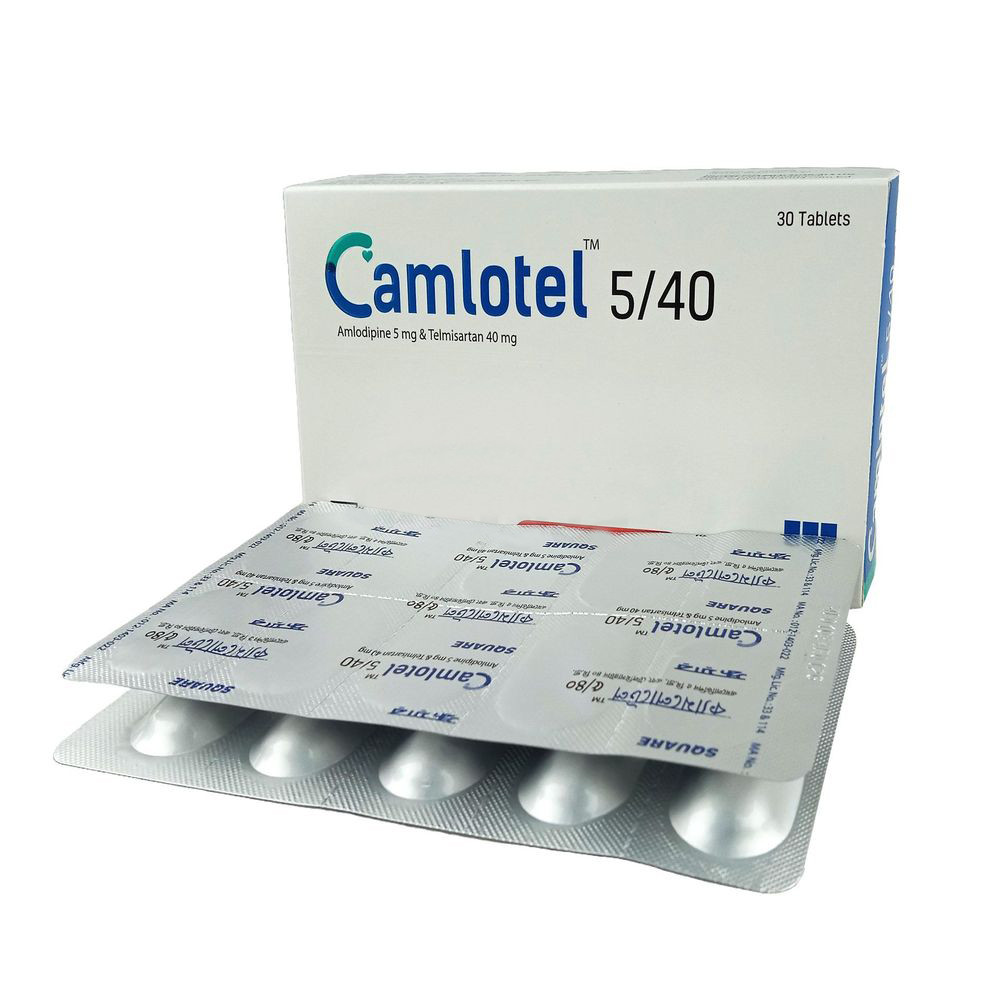
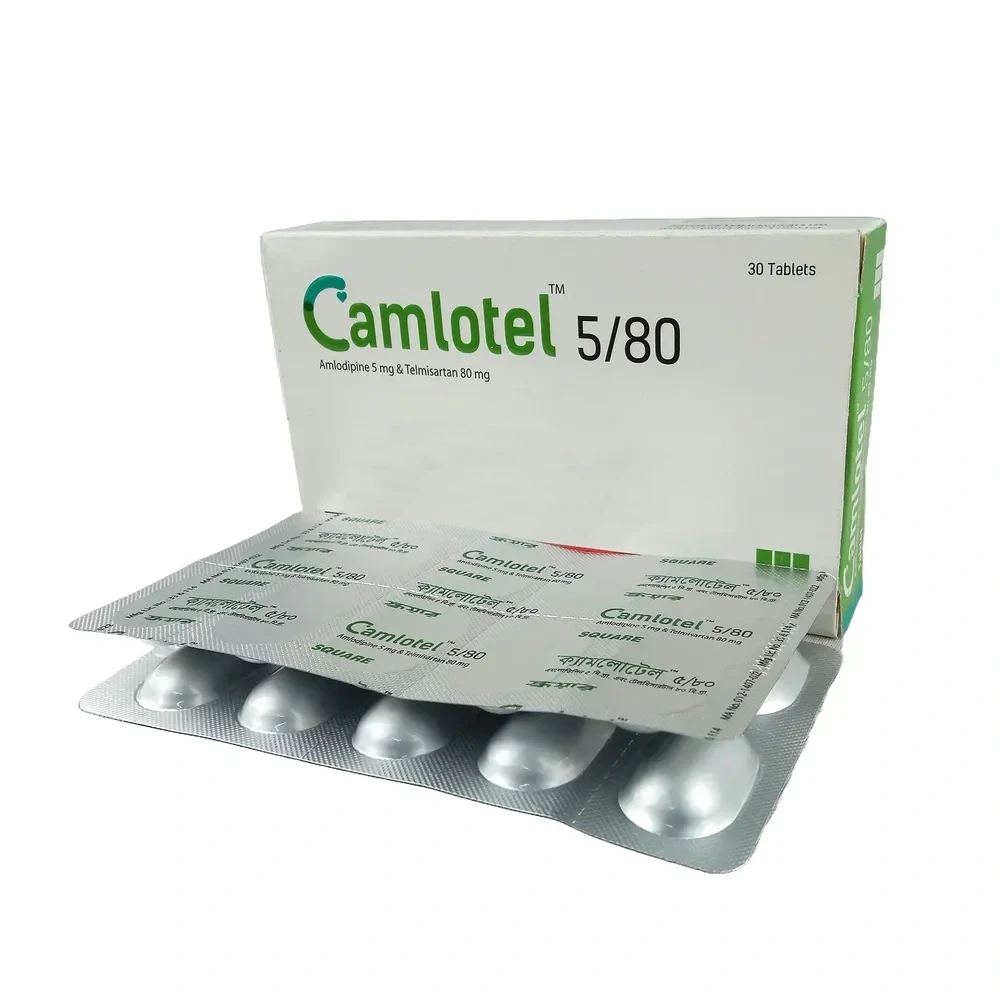
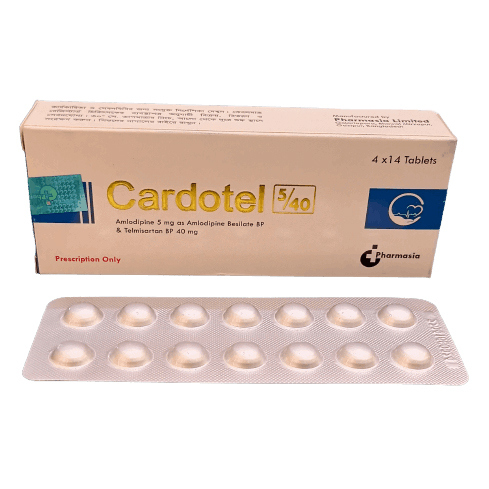
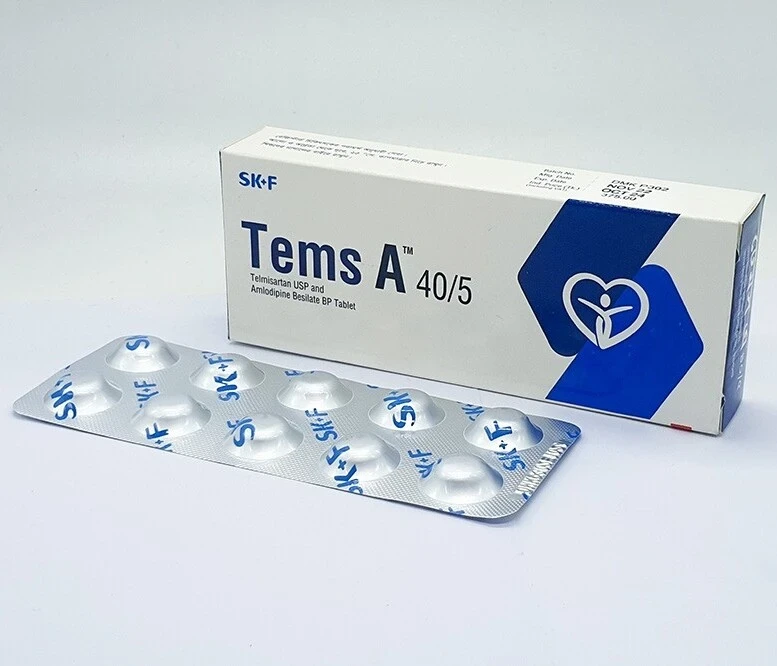
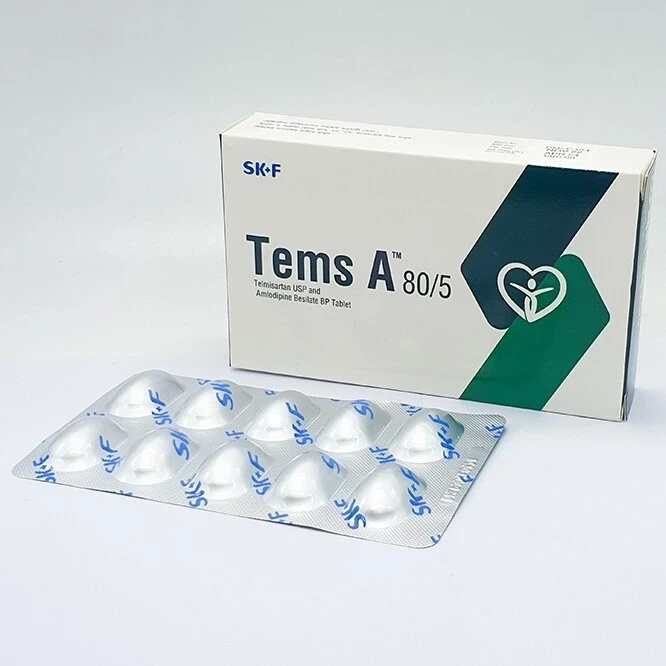
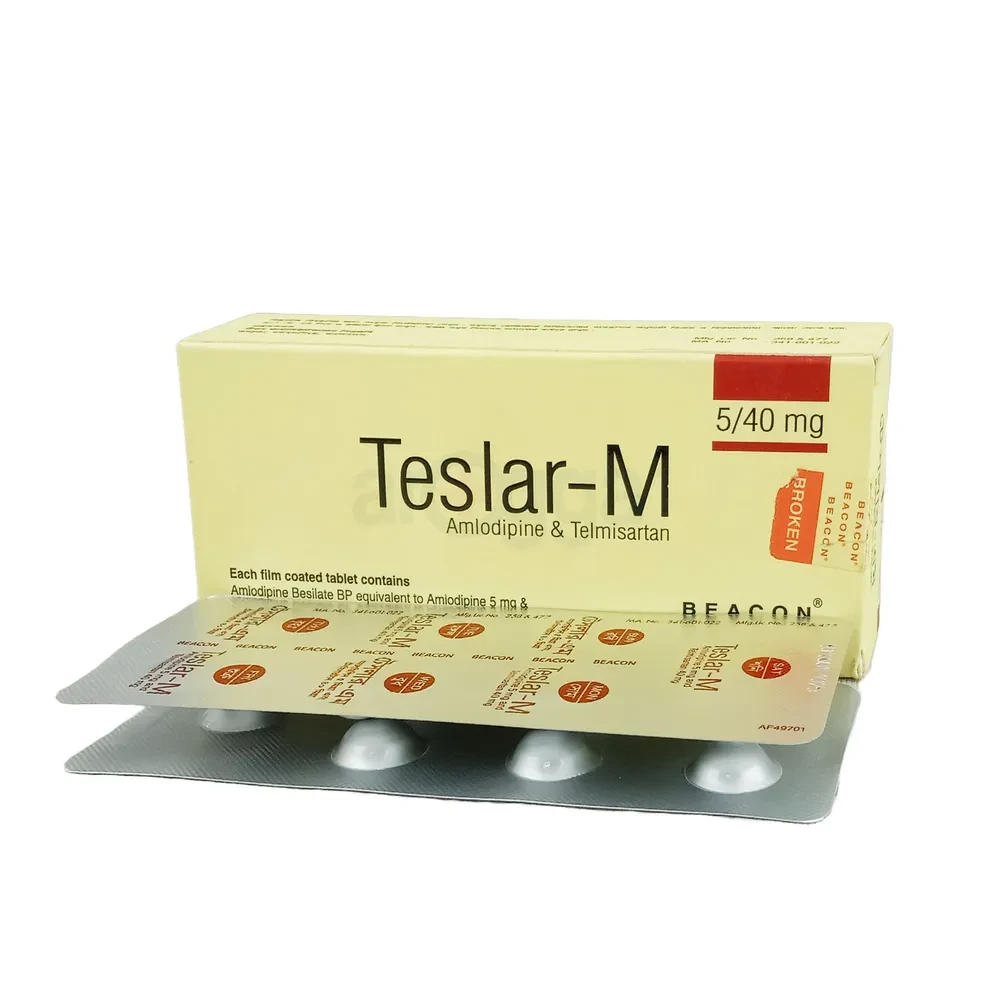
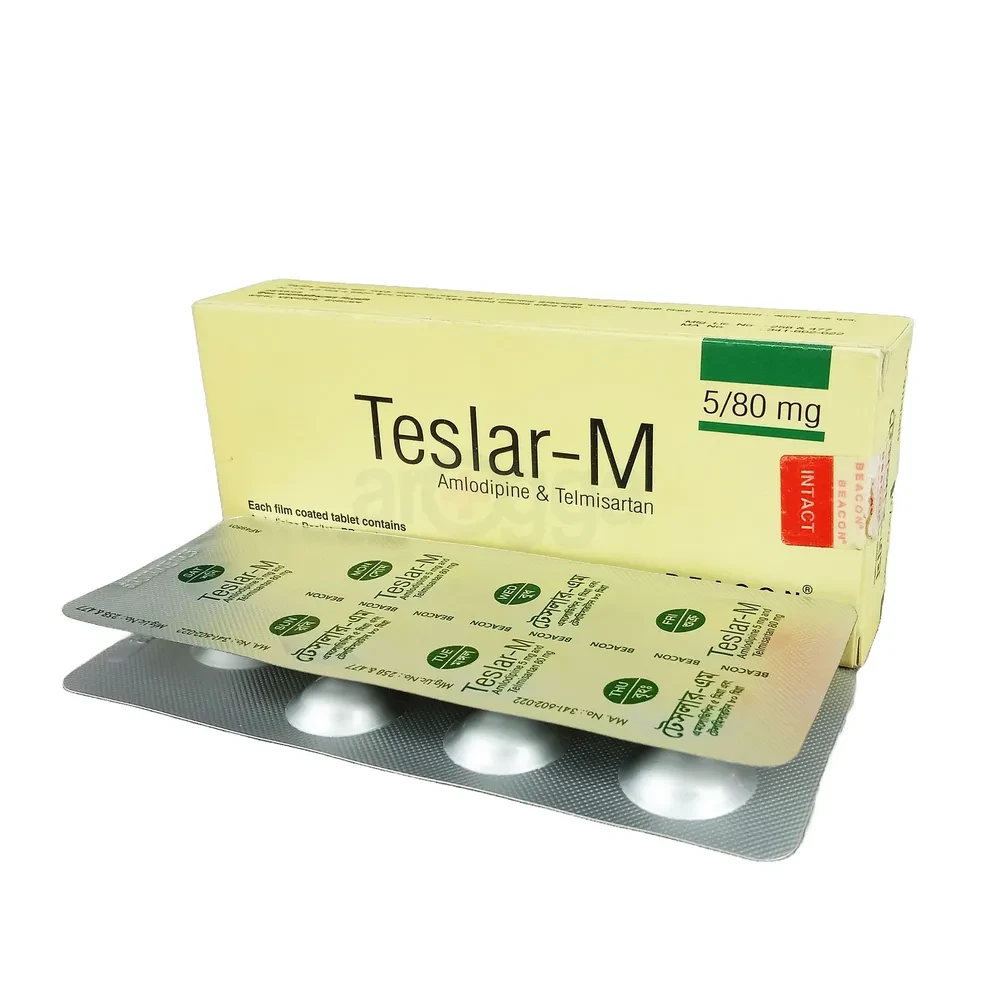
Introduction
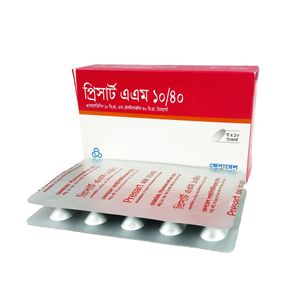
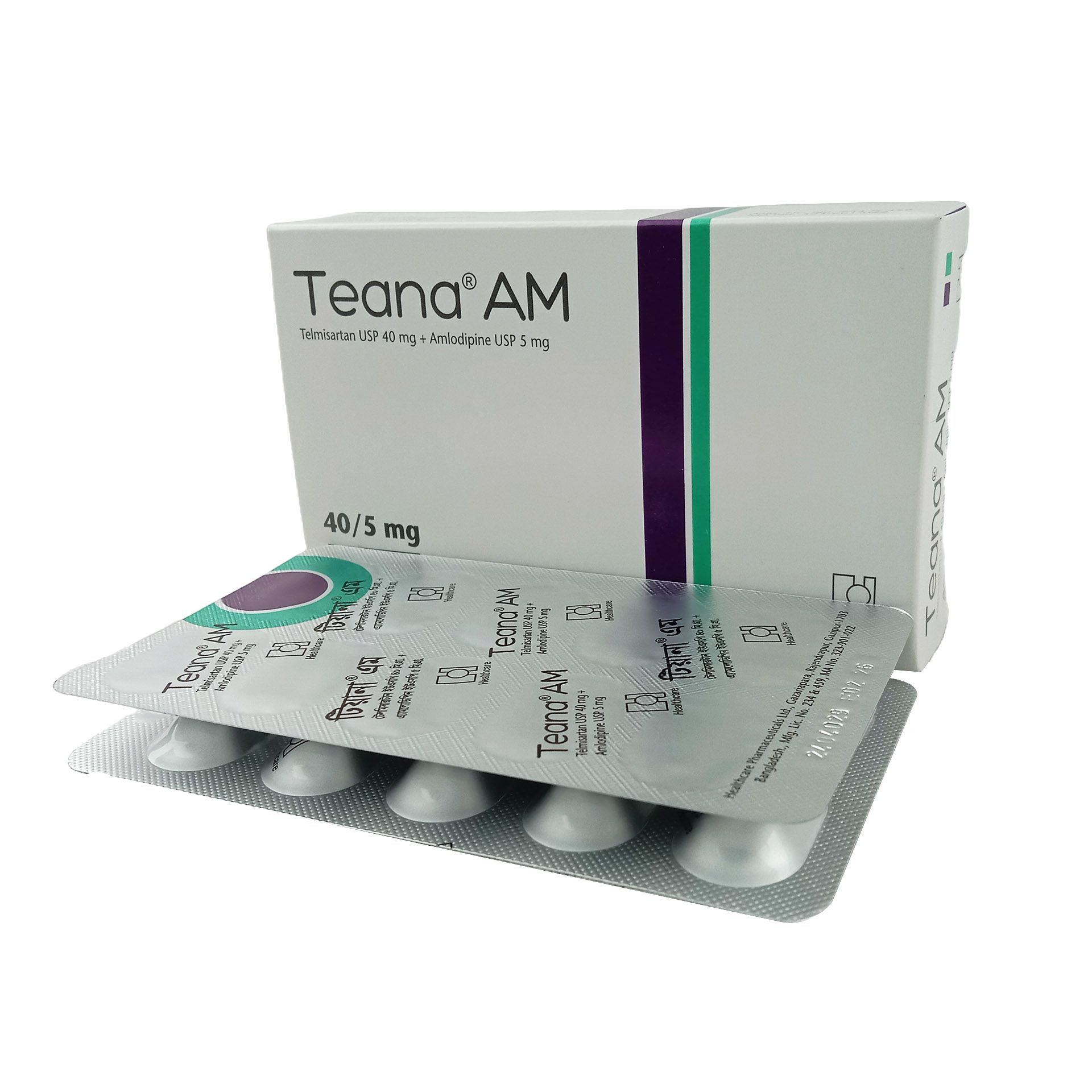
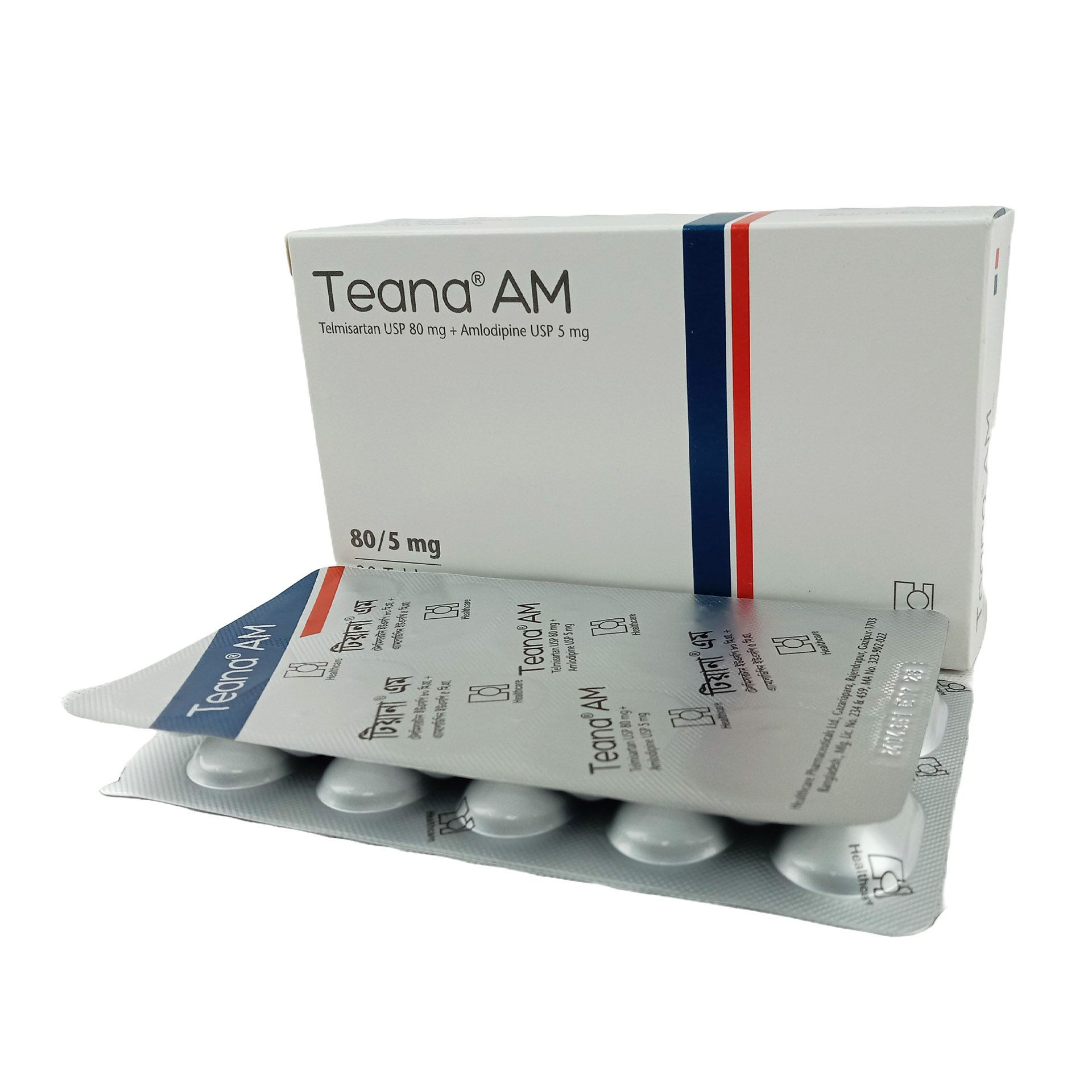
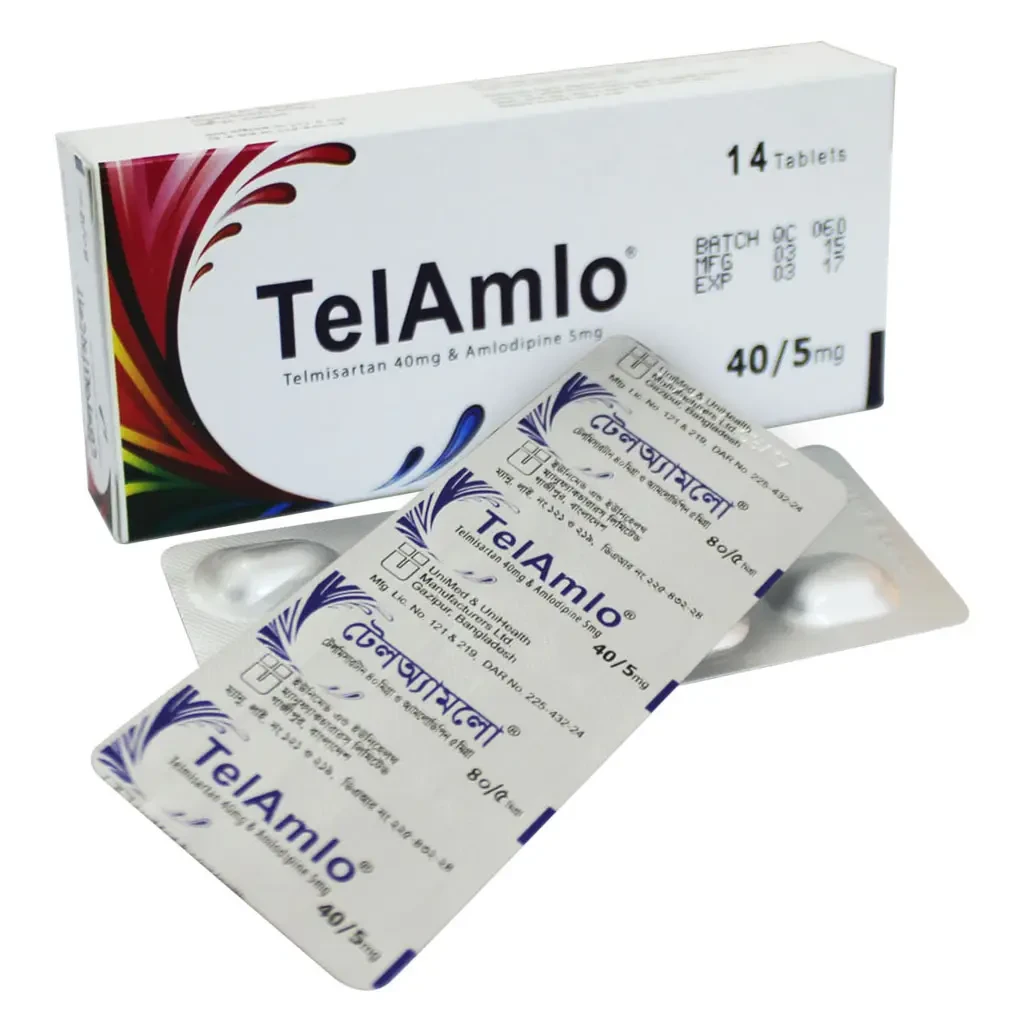
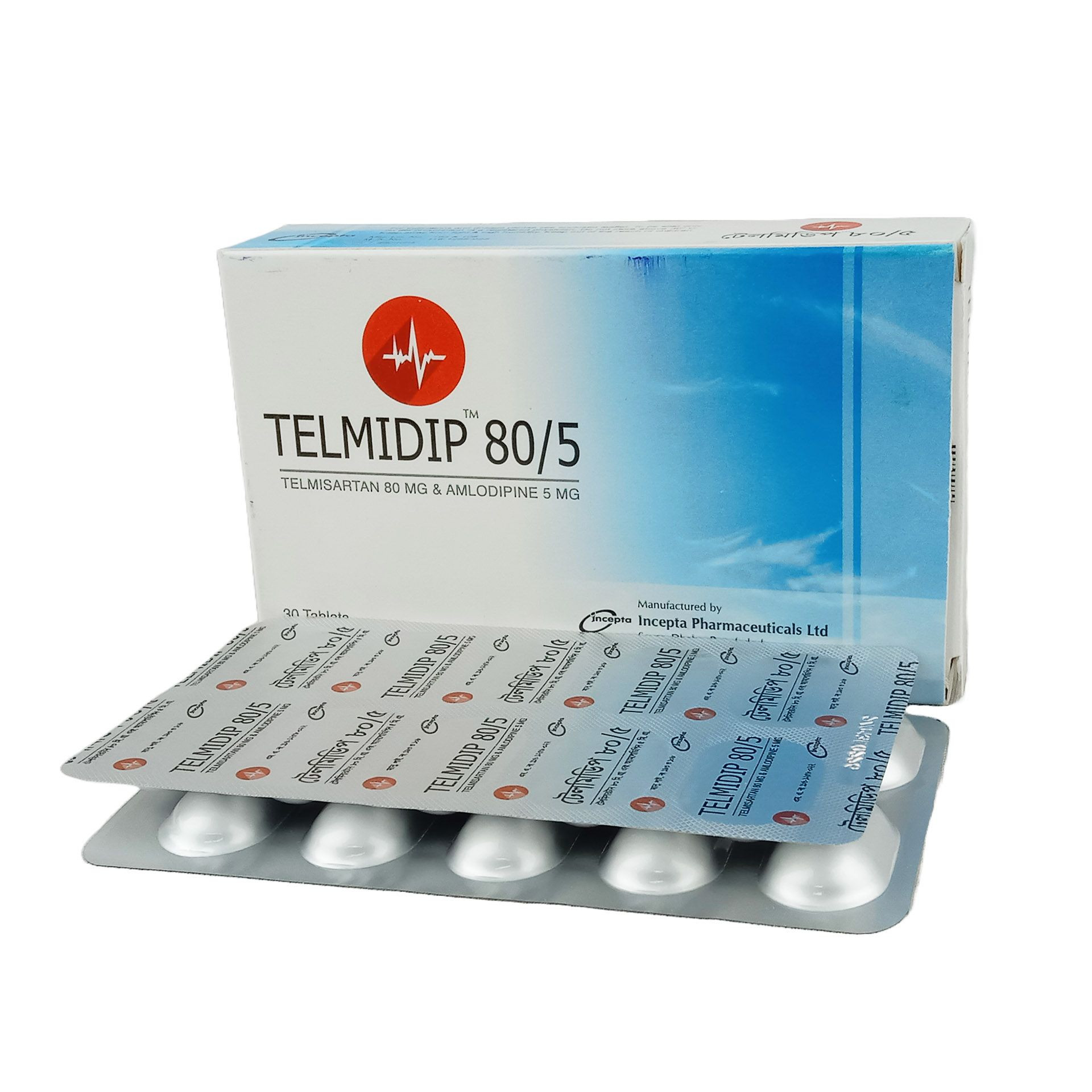
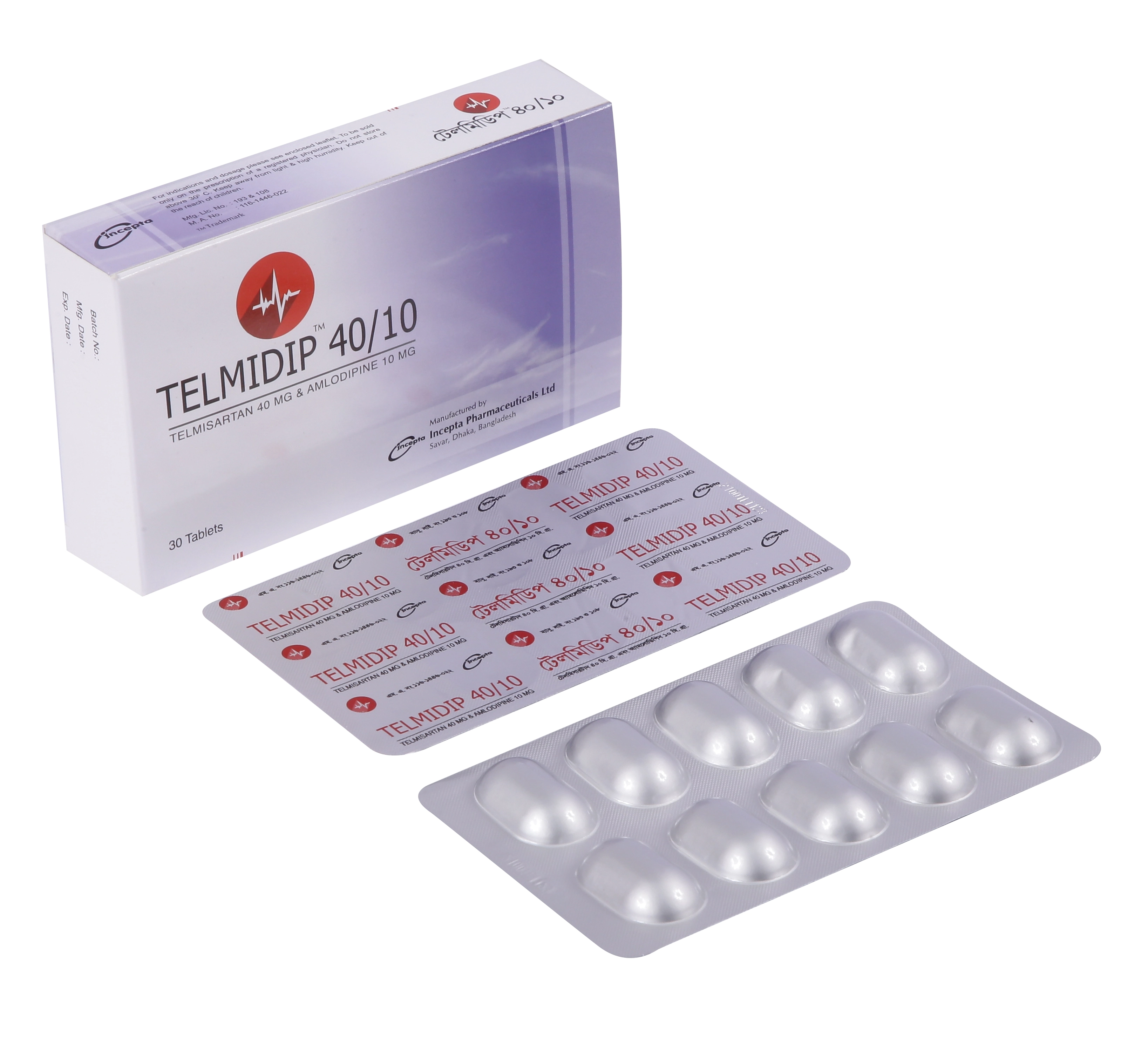
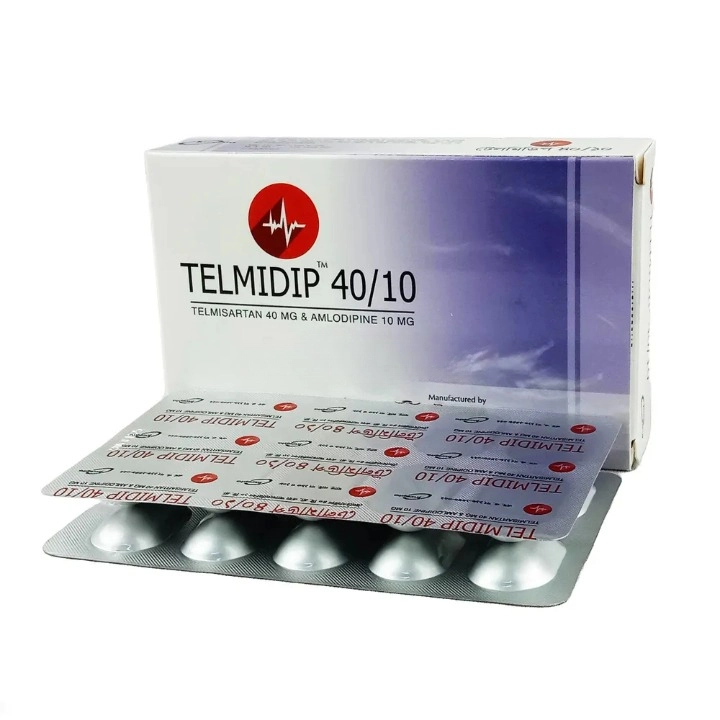
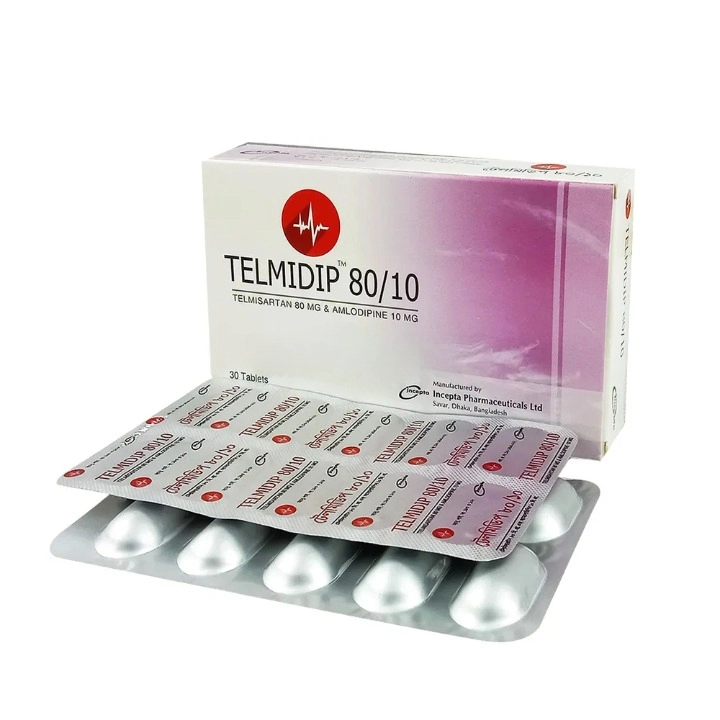
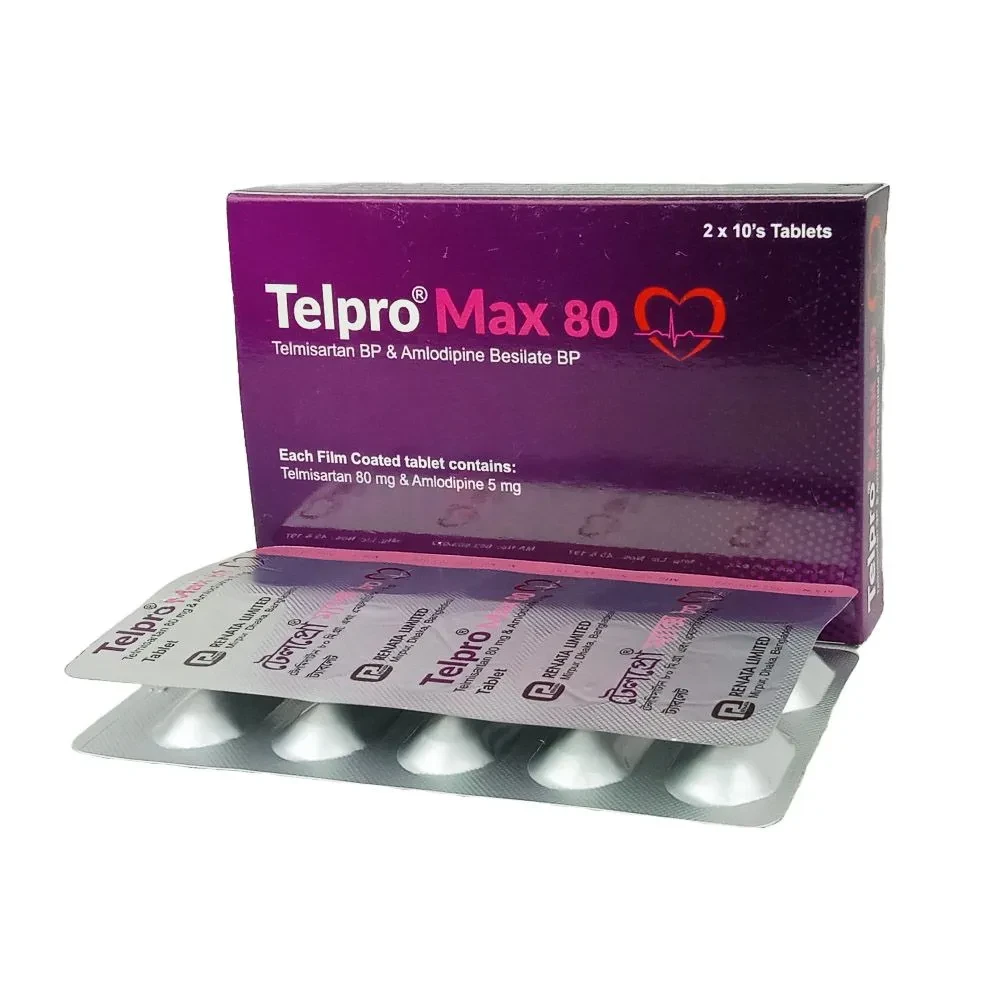
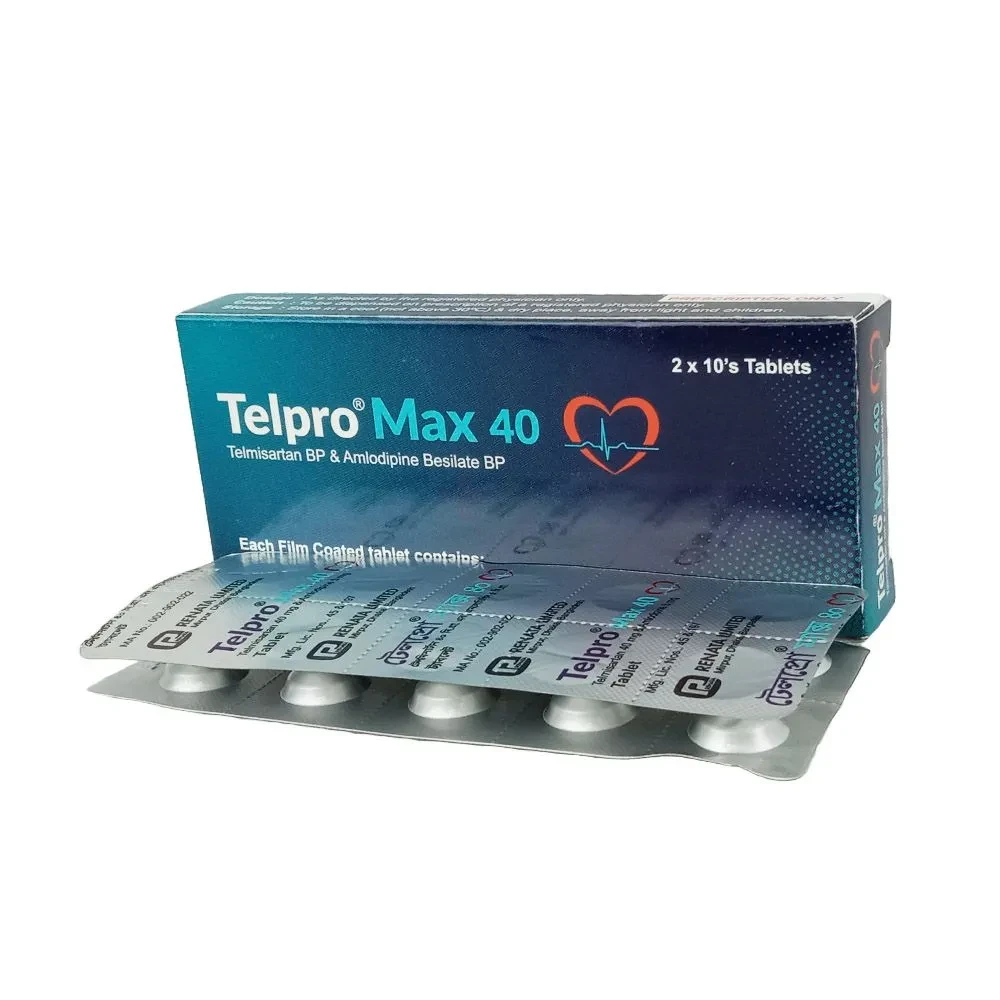
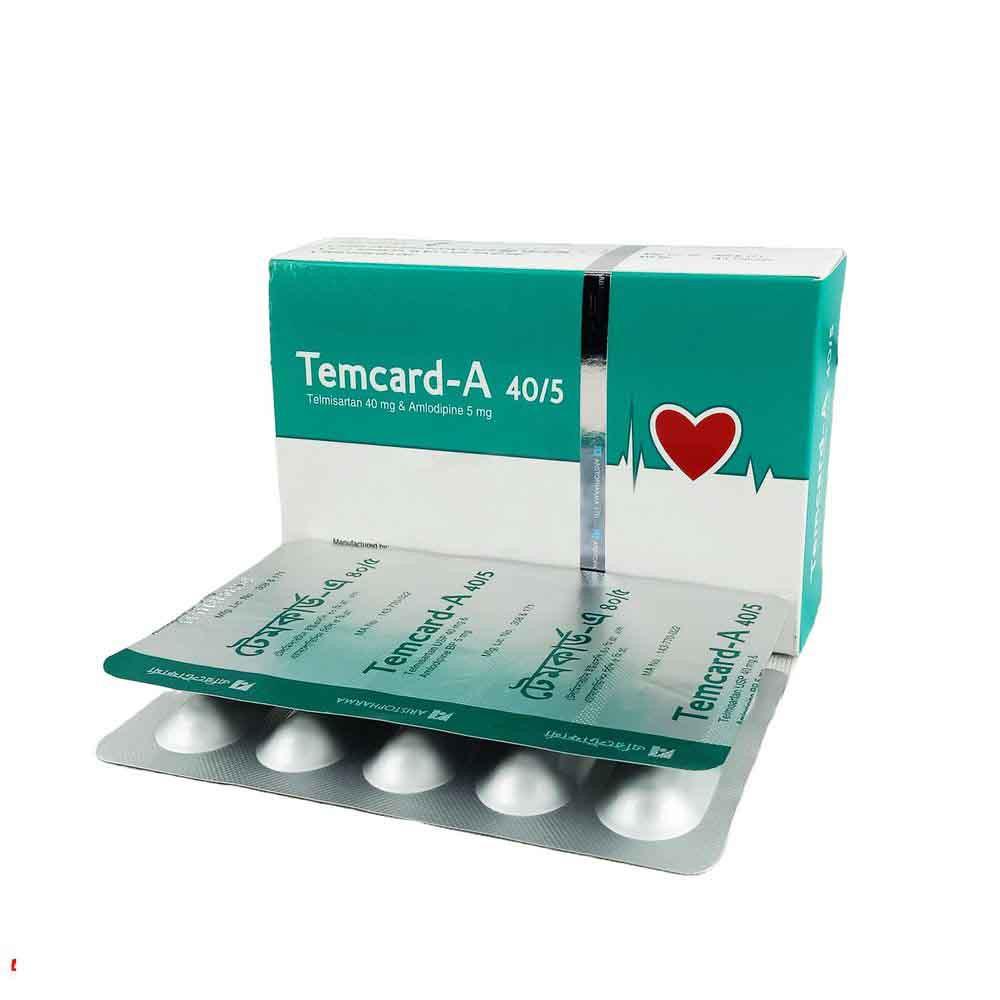
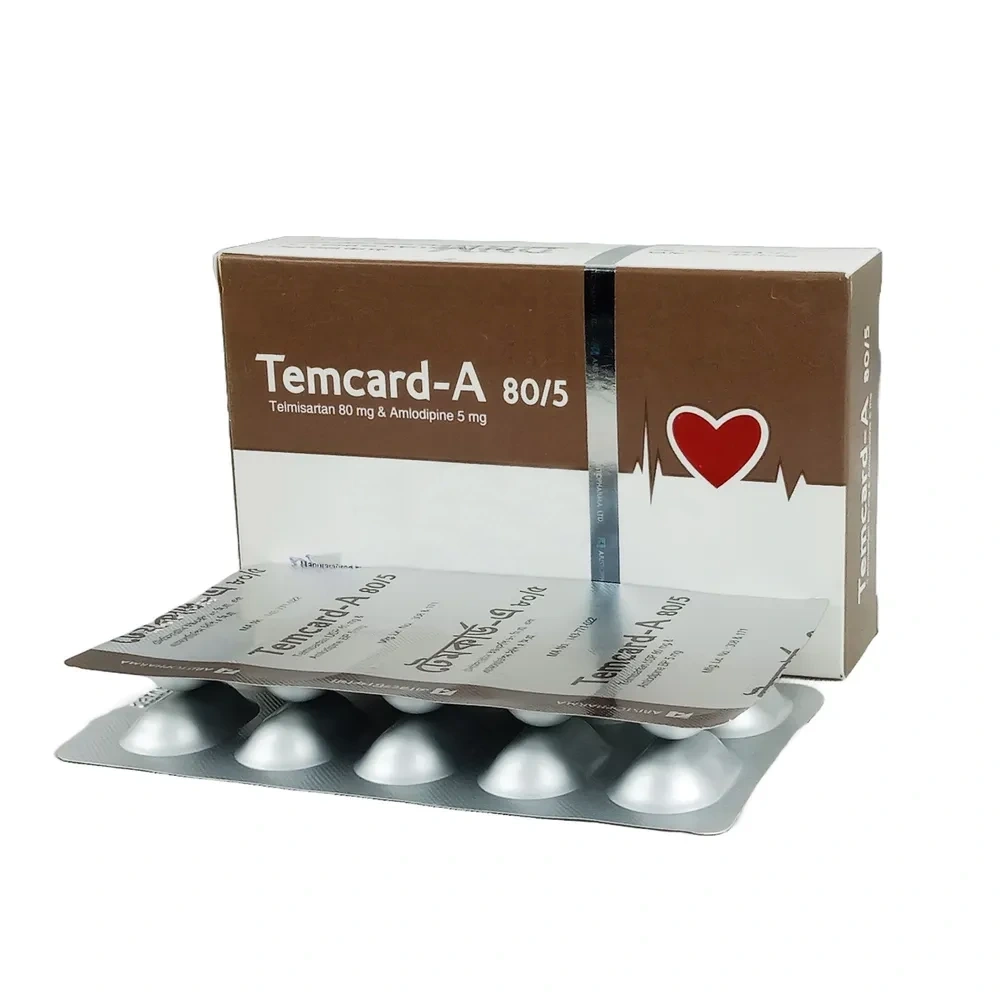
Amlodipine besilate and telmisartan are combined in a fixed-dose medication used to treat hypertension (high blood pressure). Amlodipine is a calcium channel blocker that relaxes and widens blood vessels, while telmisartan is an angiotensin II receptor blocker (ARB) that prevents blood vessel constriction. The combination enhances blood pressure control and reduces cardiovascular risk.
Uses
The combination of amlodipine besilate and telmisartan is used for:
- Managing hypertension in patients whose blood pressure is not adequately controlled by either amlodipine or telmisartan alone.
- Reducing the risk of cardiovascular events, such as stroke and heart attack, associated with high blood pressure.
Mechanism of Action
Amlodipine works by inhibiting calcium influx into vascular smooth muscle and cardiac muscle cells, leading to vasodilation and decreased blood pressure. Telmisartan selectively blocks angiotensin II type 1 (AT1) receptors, preventing angiotensin II from causing blood vessel constriction and thereby lowering blood pressure. The combination provides a synergistic effect on blood pressure reduction through these complementary mechanisms.
How Long Does It Take to Work?
The antihypertensive effects of the combination can typically be observed within 1-2 weeks of starting treatment, with peak effects generally seen after 4-6 weeks. Full blood pressure control may take longer, depending on the patient's individual response and adherence to the medication.
Absorption
Amlodipine is well absorbed from the gastrointestinal tract, with peak plasma concentrations occurring within 6-12 hours after oral administration. Telmisartan is also well absorbed, with peak levels occurring within 1-2 hours. The presence of food does not significantly affect the absorption of either drug.
Route of Elimination
Amlodipine is primarily eliminated through the liver, with approximately 90% of the dose metabolized to inactive metabolites. A small amount is excreted in the urine. Telmisartan is predominantly excreted in the feces (approximately 98% of the dose), with only a small fraction eliminated in the urine.
Dosage
Initial Therapy: Patient may be initiated on this tablets if it is unlikely that control of blood pressure would be achieved with a single agent. The usual starting dose is 40/5 mg once daily. Patients requiring larger blood pressure reductions may be started with 80/5 mg once daily. Initial therapy with this is not recommended in patients 575 years old or with hepatic impairment.Add-on Therapy: Patients not adequately controlled with amiodipine (or another dihydropyridine calcium channel blocker) alone or with telmisartan (or another angiotensin receptor blocker) alone. Patients treated with 10 mg amiodipine who experience adverse reactions such as edema, may be switched to this 40/5 mg tablets once daily, reducing the dose of amiodipine without reducing the overall expected antihypertensive response.
Replacement Therapy: Patients receiving amiodipine and telmisartan from separate tablets may instead receive this tablets containing the same component doses once daily. Dosage must be individualized and may be increased after at least 2 weeks. The maximum recommended dose of this tablet is 80/10 mg once daily.
Typical dosages for the combination are:
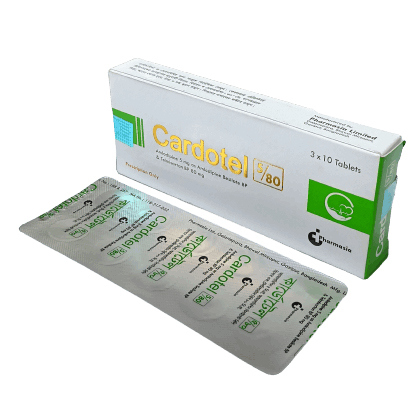
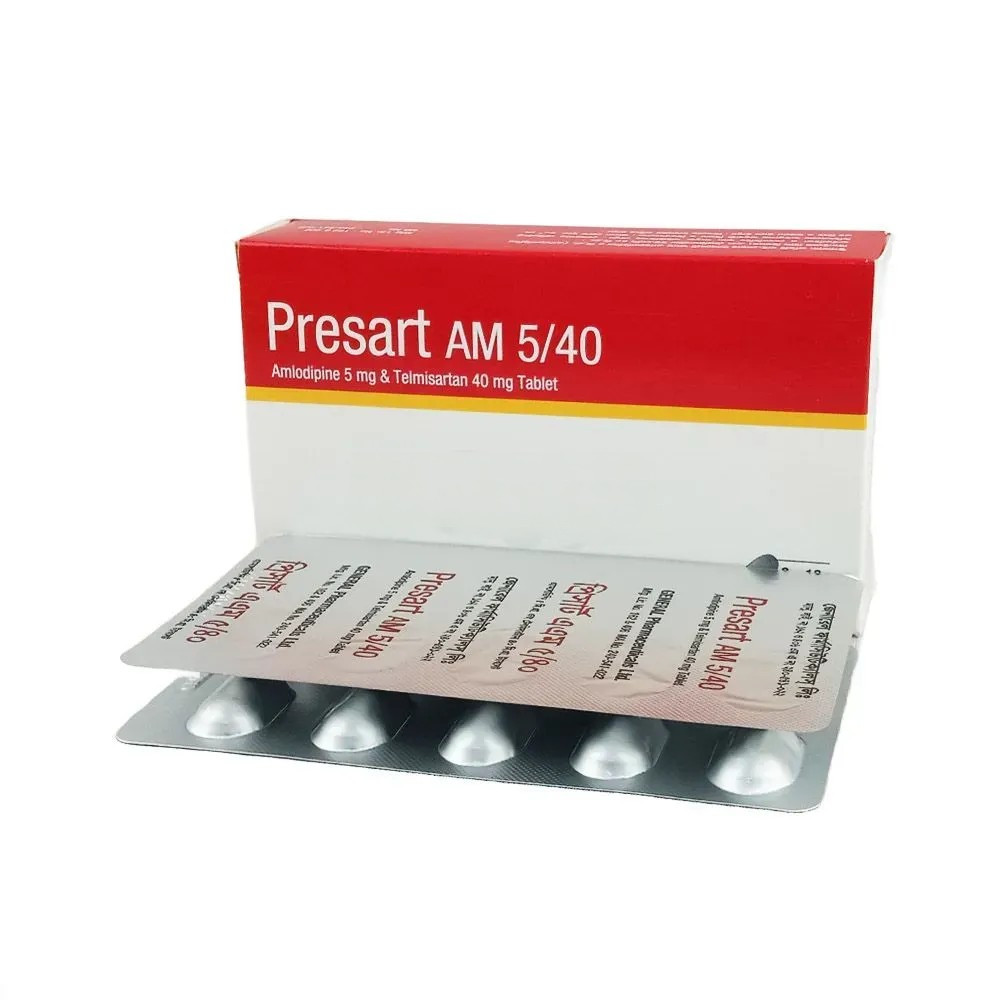
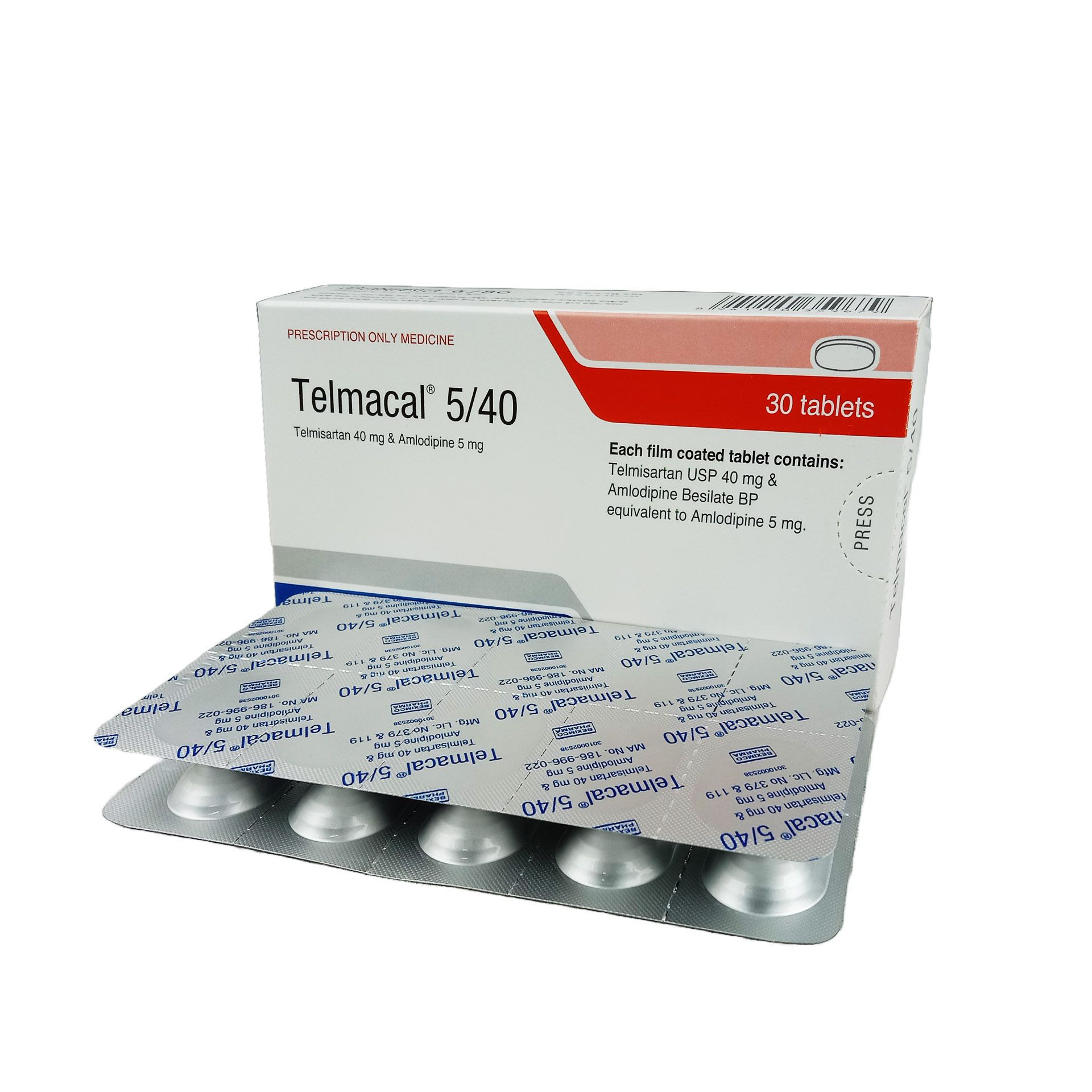
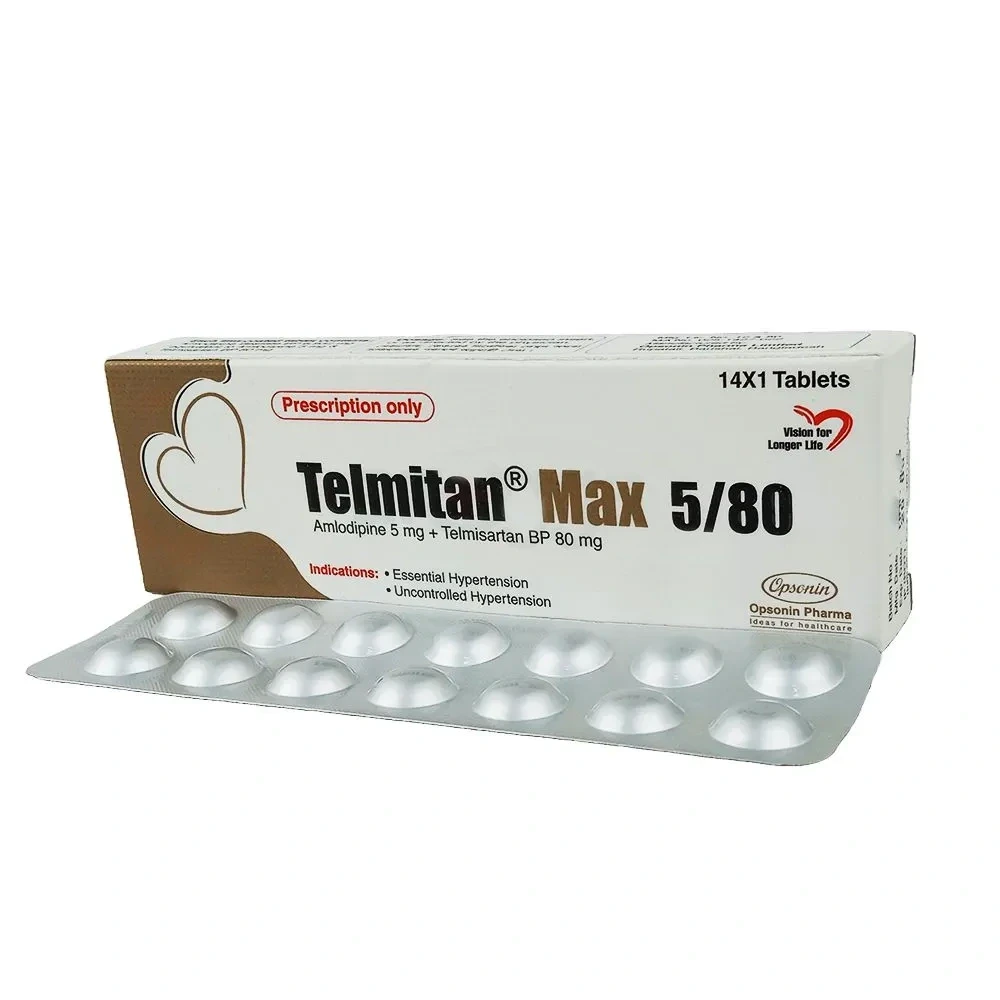
- Amlodipine 5 mg and telmisartan 40 mg once daily
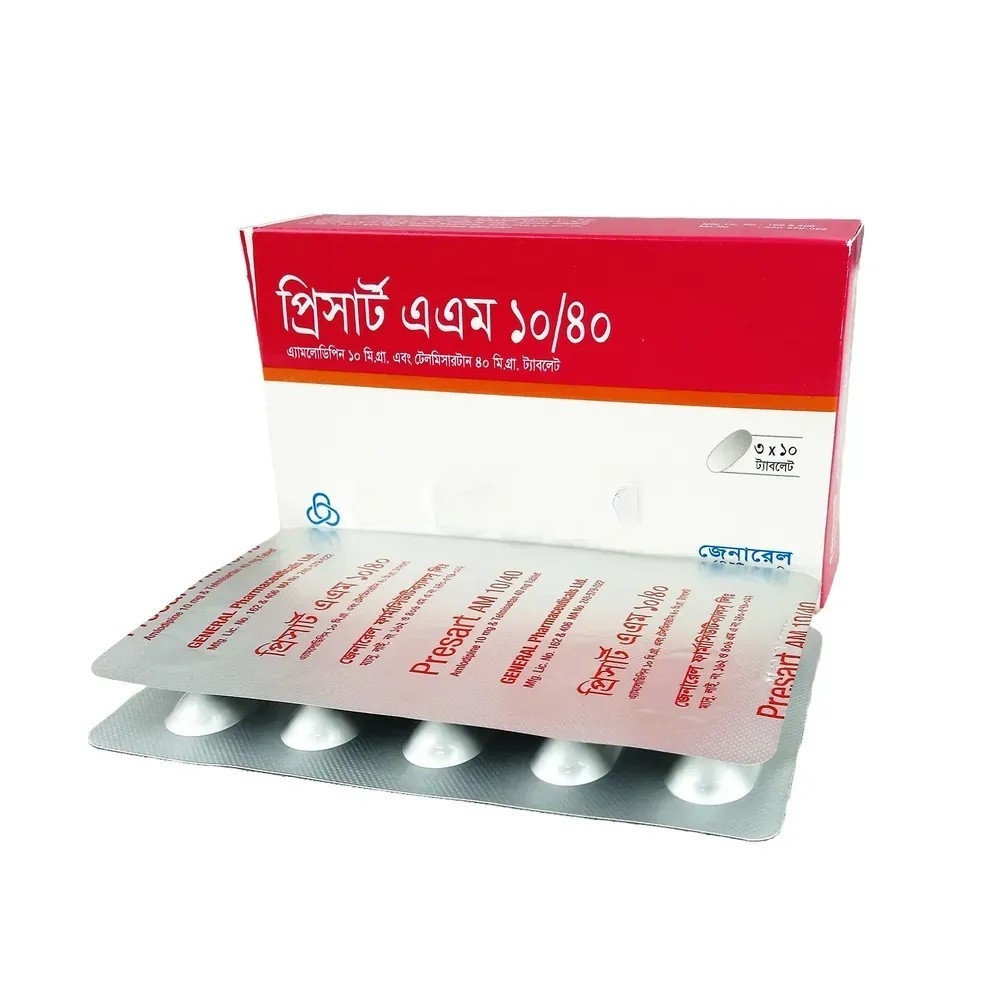
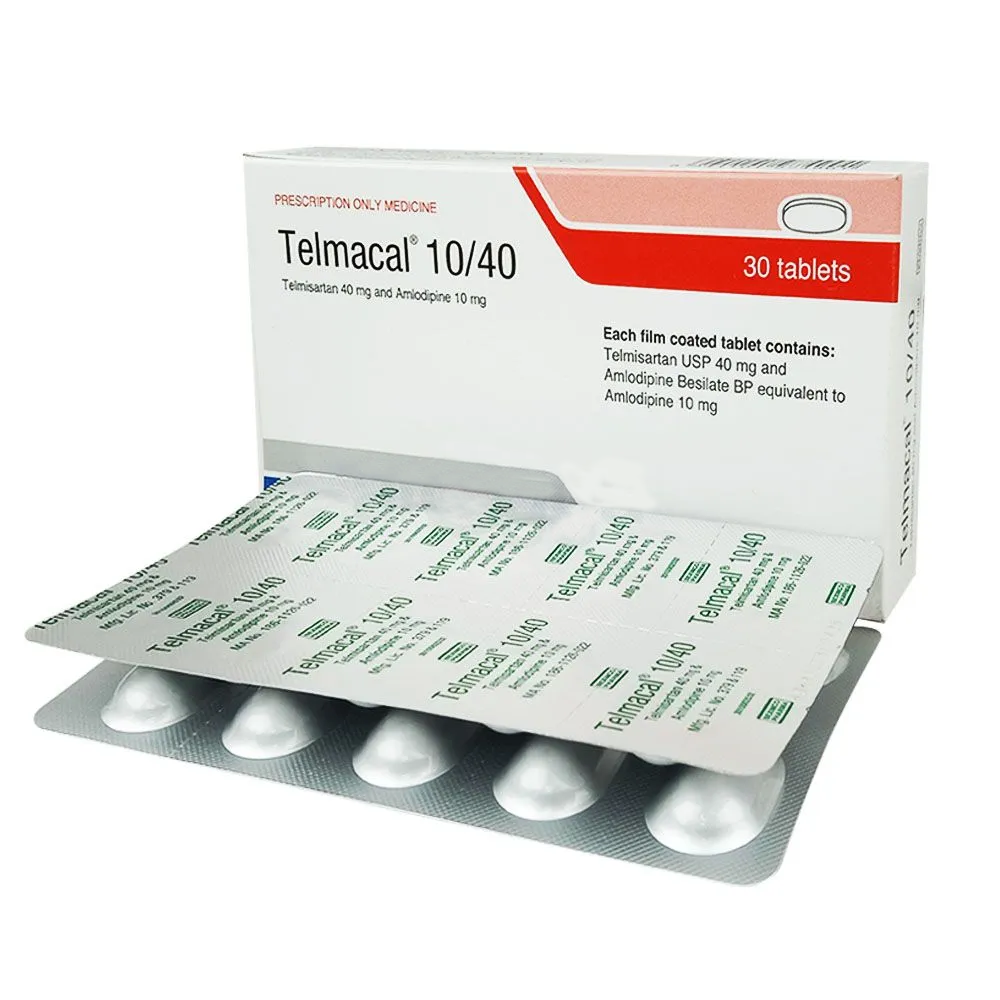
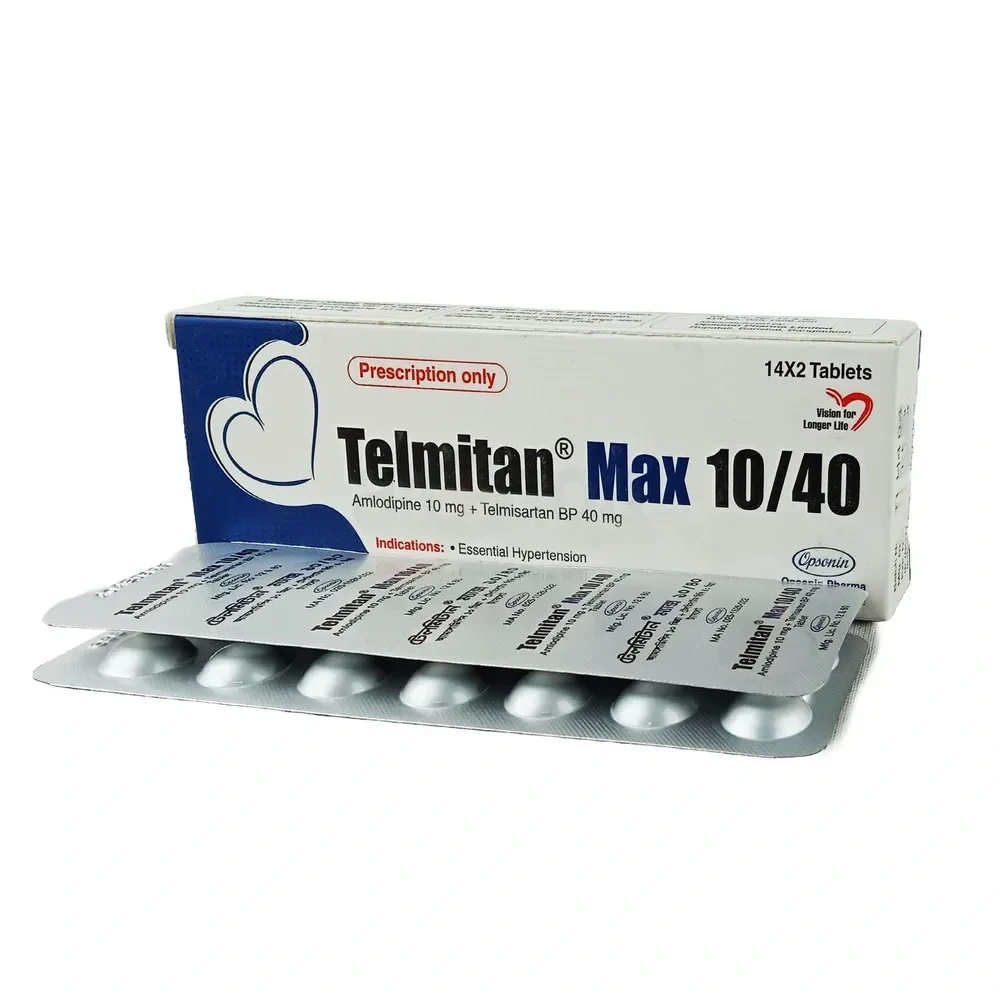
- Amlodipine 10 mg and telmisartan 40 mg once daily
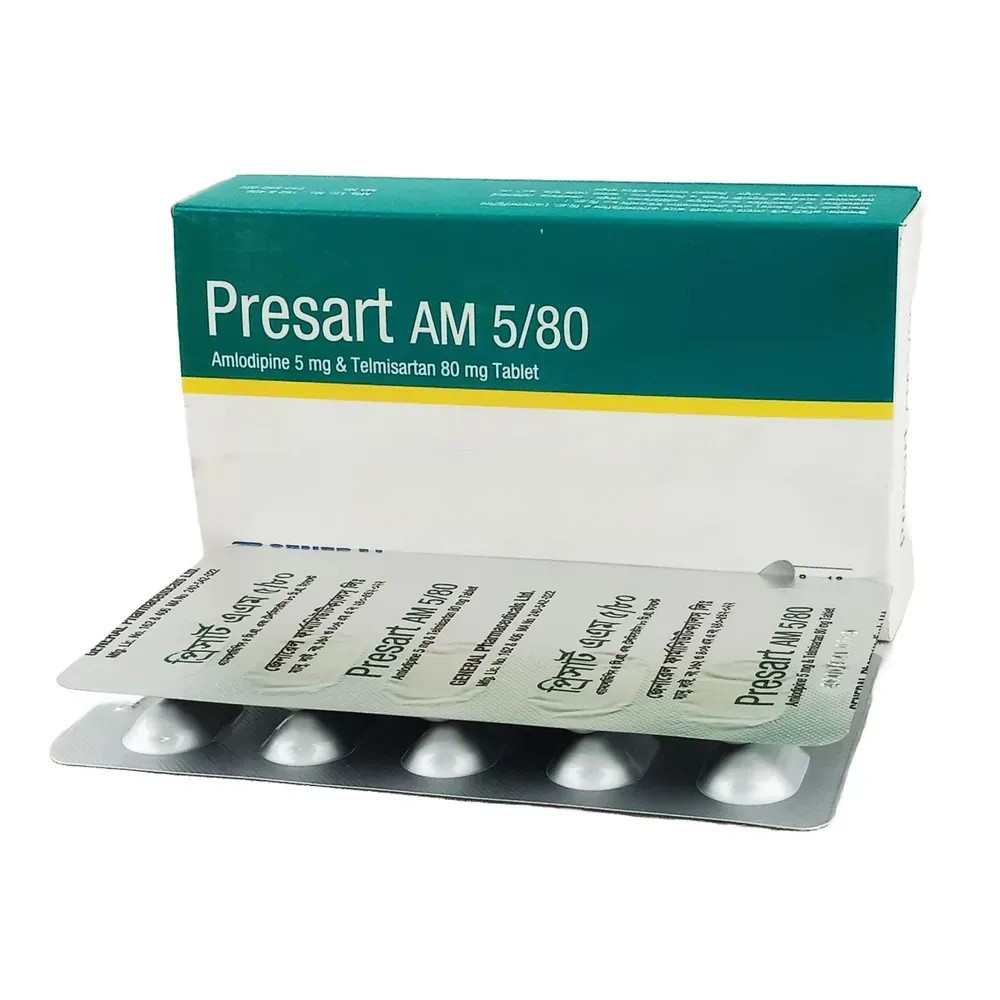
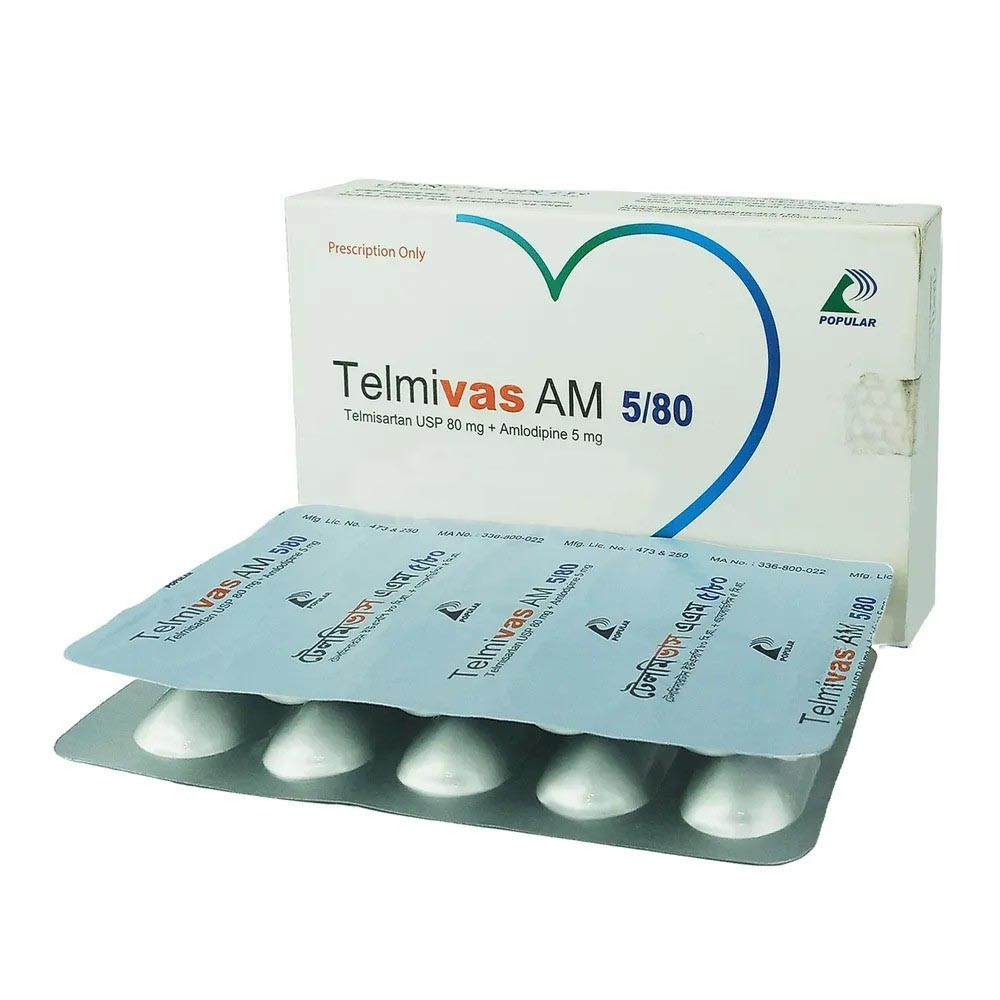
- Amlodipine 5 mg and telmisartan 80 mg once daily
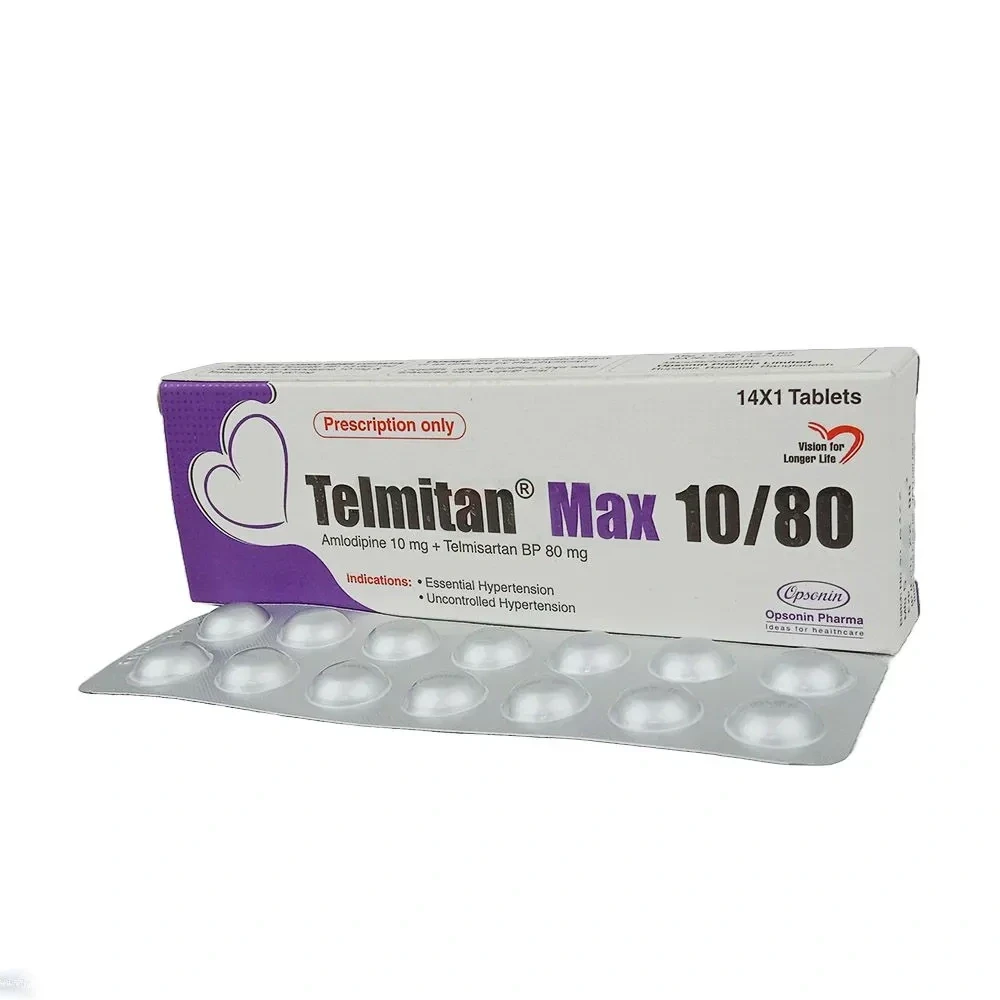
- Amlodipine 10 mg and telmisartan 80 mg once daily
Administration
The combination is administered orally in tablet form. It can be taken with or without food. It is recommended to take the medication at the same time each day to maintain consistent blood pressure control.
Side Effects
Common side effects may include:
- Dizziness
- Headache
- Fatigue
- Edema (swelling)
- Severe hypotension (low blood pressure)
- Angioedema (swelling of the deeper layers of the skin)
- Kidney dysfunction
- Allergic reactions
Toxicity
Toxicity from overdose can result in severe hypotension, bradycardia (slow heart rate), and electrolyte imbalances. Treatment involves discontinuation of the medication, supportive care, and symptomatic management. Seek immediate medical attention in cases of suspected overdose.
Precautions
Precautions include:
- Regular monitoring of blood pressure to avoid excessive drops.
- Periodic evaluation of kidney function and electrolyte levels, particularly in patients with pre-existing renal conditions or those on other medications affecting electrolytes.
- Use with caution in patients with a history of heart failure or coronary artery disease.
Interaction
Interactions may occur with:
- Other antihypertensives, which can enhance the blood pressure-lowering effects.
- Potassium-sparing diuretics or potassium supplements, which may increase the risk of hyperkalemia.
- Nonsteroidal anti-inflammatory drugs (NSAIDs), which may reduce the effectiveness of the antihypertensive effect and impair renal function.
Disease Interaction
Use with caution in patients with:
- Renal impairment
- Heart failure
- Liver impairment
- Diabetes mellitus
Drug Interaction
Potential drug interactions include:
- Angiotensin-converting enzyme (ACE) inhibitors, which may increase the risk of hyperkalemia when used concurrently.
- Lithium, as concurrent use may increase lithium levels and toxicity.
- Other calcium channel blockers, which may increase the risk of adverse effects and may require dose adjustments.
Food Interactions
Food does not significantly affect the absorption of the combination. It can be taken with or without food.
Pregnancy Use
The combination of amlodipine and telmisartan is generally contraindicated during pregnancy, particularly in the second and third trimesters, due to potential harm to the fetus. It should be discontinued as soon as pregnancy is detected.
Lactation Use
The safety of amlodipine and telmisartan during lactation is not well established. It is recommended to either avoid breastfeeding or discontinue the medication, depending on the importance of the drug to the mother.
Acute Overdose
Acute overdose may cause severe hypotension, bradycardia, and electrolyte imbalances. Treatment involves discontinuation of the medication, supportive care, and symptomatic management. Seek immediate medical attention if an overdose is suspected.
Contraindication
Contraindications include:
- Hypersensitivity to amlodipine, telmisartan, or any component of the formulation
- Pregnancy
- Severe hepatic impairment
- Severe renal impairment or dialysis
Use Direction
Follow the prescribed dosage and administration instructions provided by a healthcare provider. Regular monitoring of blood pressure, kidney function, and electrolyte levels is essential. Adjustments to the dose should be based on medical advice and patient response.
Storage Conditions
Store tablets at room temperature, between 15°C and 30°C (59°F and 86°F). Keep in a dry place away from light and moisture. Ensure the medication is kept out of reach of children and used within its expiration date.
Volume of Distribution
The volume of distribution for amlodipine is approximately 21 L/kg, while telmisartan has a volume of distribution of approximately 500 L.
Half Life
The terminal half-life of amlodipine is approximately 30-50 hours, allowing for once-daily dosing. Telmisartan has a half-life of approximately 24 hours, also supporting once-daily dosing.
Clearance
Amlodipine is primarily cleared via the liver, with only a small amount excreted unchanged in the urine. Telmisartan is predominantly cleared through the feces, with minimal renal excretion.