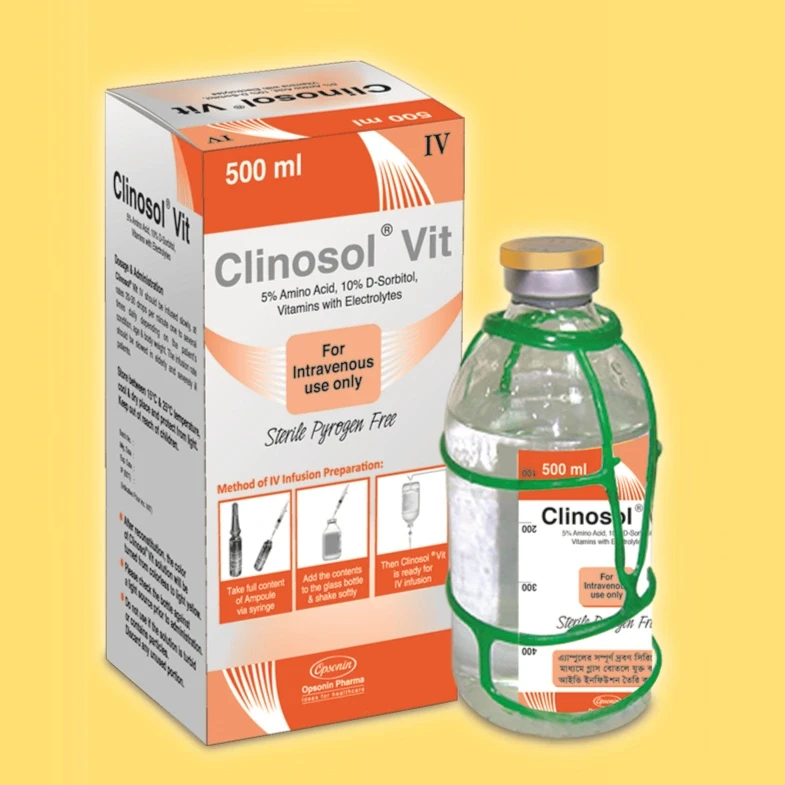
Introduction
The combination of amino acids, D-sorbitol, vitamins, and electrolytes is used in various therapeutic and nutritional applications. This mixture supports metabolic functions, maintains electrolyte balance, and provides essential nutrients for overall health.
Uses
This combination is often used in medical settings to manage conditions such as dehydration, metabolic disorders, and malnutrition. It can also be used as a dietary supplement to support general health, especially when increased nutrient and electrolyte intake is required.
Mechanism of Action
- Amino Acids: Serve as building blocks for proteins and participate in various metabolic processes, including enzyme function and neurotransmitter synthesis. - D-Sorbitol: Acts as a mild osmotic laxative and helps in the regulation of fluid balance in the intestines. - Vitamins: Essential for various biochemical processes, including energy production, immune function, and cell repair. - Electrolytes: Maintain fluid balance, nerve function, and muscle function.
How Long Does It Take to Work?
The onset of effects can vary based on the specific components and their intended use. For instance, improvements in electrolyte balance and hydration may be seen within a few hours, while longer-term benefits such as improved nutrient status may take several days to weeks.
Absorption
- Amino Acids: Absorbed in the small intestine via active transport. - D-Sorbitol: Absorbed in the gastrointestinal tract, primarily exerting its effects locally. - Vitamins: Absorbed in the intestines; fat-soluble vitamins are absorbed with dietary fats, while water-soluble vitamins are absorbed directly into the bloodstream. - Electrolytes: Absorbed in the intestines and absorbed into the bloodstream, where they are distributed to various tissues.
Route of Elimination
- Amino Acids: Metabolized in the liver and excreted through the kidneys in the form of urea. - D-Sorbitol: Excreted primarily through the urine. - Vitamins: Water-soluble vitamins are excreted through the urine, while fat-soluble vitamins are stored in body tissues and excreted more slowly. - Electrolytes: Excreted through the urine and sweat, and regulated by the kidneys.
Dosage
Dosage varies based on the specific product and clinical indications. Common dosages might include: - Amino Acids: Typically 1-5 grams per day, depending on individual needs. - D-Sorbitol: Usually 10-30 grams per day, depending on the desired laxative effect. - Vitamins: Dosages vary widely based on the vitamin type and individual requirements. - Electrolytes: Typically adjusted based on specific needs, such as 1-2 grams of sodium or potassium per day.
Administration
This combination can be administered orally in the form of tablets, capsules, powders, or solutions. It may also be provided intravenously in clinical settings for more immediate effects or for patients who cannot take oral supplements.
Side Effects
- Gastrointestinal discomfort
- Diarrhea
- Nausea
- Electrolyte imbalances
Toxicity
Excessive intake of these components can lead to toxicity. For example, high levels of certain vitamins can cause toxicity, and excessive electrolytes can disrupt fluid balance. It is important to adhere to recommended dosages to avoid adverse effects.
Precautions
Individuals with kidney or liver disorders should use this combination with caution, as these conditions can affect the metabolism and excretion of the components. Consultation with a healthcare provider is recommended before starting supplementation.
Interaction
- Amino Acids: May interact with medications that affect protein metabolism or absorption. - D-Sorbitol: May interact with other gastrointestinal medications. - Vitamins: Can interact with other drugs or supplements, affecting absorption or efficacy. - Electrolytes: Can interact with medications affecting fluid balance or kidney function.
Disease Interaction
This combination should be used with caution in individuals with conditions such as kidney disease, liver disease, or metabolic disorders, as these conditions can impact the metabolism and excretion of the components.
Drug Interaction
- Amino Acids: May interact with drugs that alter protein synthesis or metabolism. - D-Sorbitol: May interact with other laxatives or gastrointestinal medications. - Vitamins: Can affect the absorption and efficacy of other drugs. - Electrolytes: Can interact with medications affecting fluid and electrolyte balance.
Food Interactions
Food intake can affect the absorption and effectiveness of these components. For example, fat can enhance the absorption of fat-soluble vitamins, while certain foods may affect the gastrointestinal effects of D-sorbitol.
Pregnancy Use
During pregnancy, it is important to consult a healthcare provider before using this combination, as some components may affect the developing fetus or interact with pregnancy-related physiological changes.
Lactation Use
This combination is generally considered safe during lactation, but it is advisable to consult a healthcare provider to ensure that it is appropriate for both the mother and the infant.
Acute Overdose
Acute overdose can lead to gastrointestinal distress, electrolyte imbalances, and other adverse effects. In case of overdose, seek medical attention immediately for appropriate management.
Contraindication
Contraindications include severe renal or hepatic impairment, certain metabolic disorders, and known allergies to any of the components. Consult a healthcare provider before use in these conditions.
Use Direction
Follow the dosage and administration instructions provided by a healthcare provider or as indicated on the product label. Do not exceed recommended dosages.
Storage Conditions
Store in a cool, dry place, away from direct sunlight and moisture. Keep out of reach of children to prevent accidental ingestion.
Volume of Distribution
The volume of distribution varies depending on the specific component. Generally, amino acids and electrolytes are distributed throughout body tissues and fluids, while D-sorbitol primarily affects the gastrointestinal tract.
Half Life
- Amino Acids: Half-lives vary depending on the specific amino acid. - D-Sorbitol: Generally short, with effects lasting a few hours. - Vitamins: Half-lives vary widely; water-soluble vitamins have shorter half-lives compared to fat-soluble vitamins. - Electrolytes: Regulated by the kidneys, with variable half-lives depending on the specific electrolyte.
Clearance
- Amino Acids: Primarily cleared by the kidneys after hepatic metabolism. - D-Sorbitol: Excreted through the urine. - Vitamins: Water-soluble vitamins are cleared through the urine; fat-soluble vitamins are stored in tissues and cleared more slowly. - Electrolytes: Cleared by the kidneys, with regulation influenced by renal function and overall fluid balance.