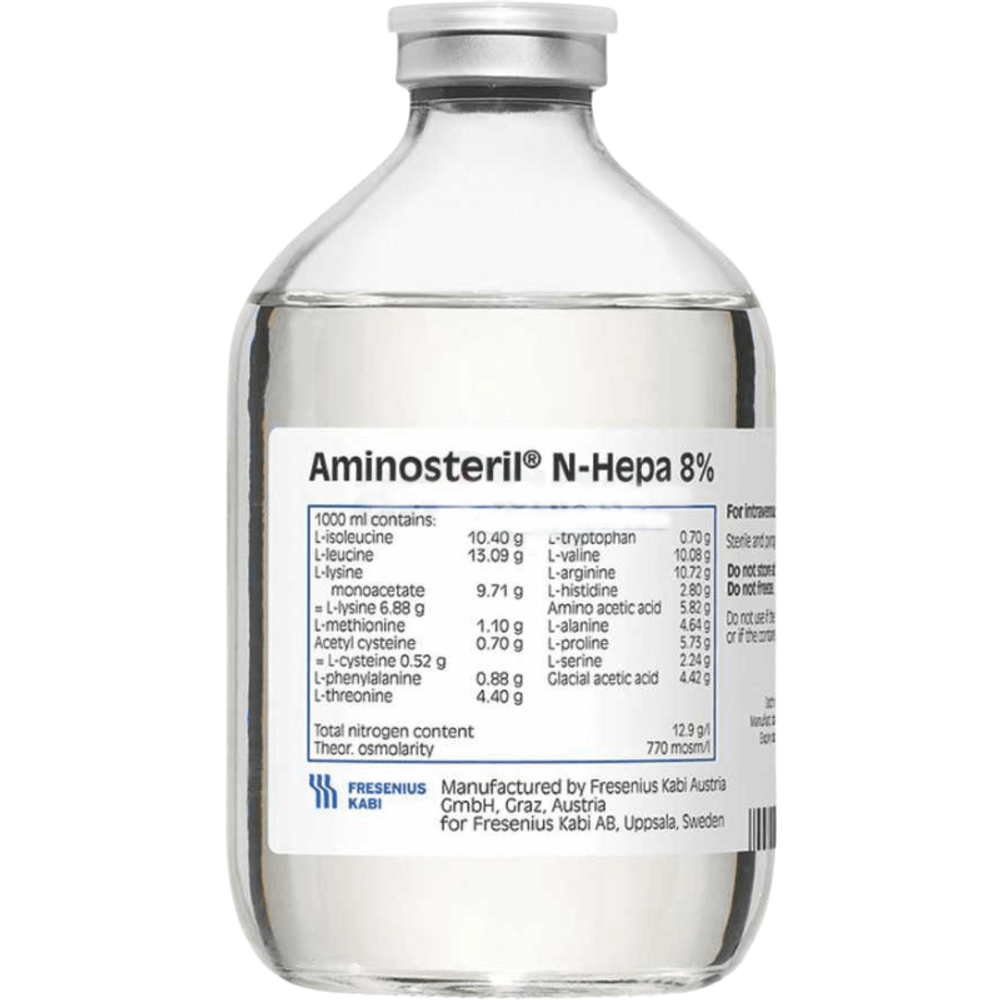
Introduction
Amino acids are organic compounds that serve as the building blocks of proteins. They are essential for various bodily functions, including protein synthesis, enzyme activity, and neurotransmission. Amino acids can be classified into essential (must be obtained through diet) and non-essential (can be synthesized by the body).
Uses
Amino acids are used for a wide range of therapeutic and nutritional purposes. They are often included in dietary supplements to support muscle growth, recovery, and overall health. They are also used in clinical settings to manage conditions such as metabolic disorders, liver diseases, and certain types of amino acid deficiencies.
Mechanism of Action
Amino acids function as precursors for the synthesis of proteins and other vital molecules. They participate in various metabolic pathways, including the synthesis of neurotransmitters, hormones, and enzymes. Each amino acid has a unique role based on its structure and properties.
How Long Does It Take to Work?
The time it takes for amino acids to show effects can vary depending on their use. For instance, in the context of muscle recovery or growth, noticeable effects may be observed within a few weeks of supplementation. In clinical applications, the impact may be seen depending on the specific condition being treated.
Absorption
Amino acids are absorbed in the small intestine through active transport mechanisms. Once absorbed, they enter the bloodstream and are transported to various tissues where they are utilized or metabolized.
Route of Elimination
Excess amino acids that are not used for protein synthesis are metabolized primarily in the liver. The by-products are then excreted through the kidneys in the form of urea.
Dosage
- For intravenous infusion.
- Usual dose: 1.0 to 1.25 ml/kg/hour.
- Max. dosage: 1.5 g amino acids/kg/day = 1300 ml/day at 70 kg body weight.
- Constant checking of serum electrolytes, fluid balance and acid-base balance is mandatory.
- Amino Acid 8% is used as long as required by therapy.
Dosage of amino acids varies widely depending on their intended use and the specific amino acid. For general supplementation, common dosages range from 1 to 5 grams per day. Clinical dosages may differ and should be determined based on individual needs and medical advice.
Administration
Amino acids can be administered orally in the form of tablets, capsules, powders, or in liquid form. They can also be delivered intravenously in clinical settings for patients with specific medical conditions.
Side Effects
- Nausea
- Diarrhea
- Stomach cramps
- Allergic reactions
Toxicity
While amino acids are generally safe when used appropriately, excessive intake may lead to adverse effects such as gastrointestinal discomfort or metabolic disturbances. It is important to adhere to recommended dosages to avoid potential toxicity.
Precautions
Patients with kidney or liver disorders should use amino acid supplements with caution, as these conditions can affect amino acid metabolism and excretion. Consultation with a healthcare provider is recommended before starting supplementation.
Interaction
Amino acids can interact with various medications and nutrients. For example, high doses of certain amino acids may affect the absorption or metabolism of other nutrients or drugs. It is important to discuss potential interactions with a healthcare provider.
Disease Interaction
Individuals with metabolic disorders, liver disease, or kidney dysfunction should be monitored closely when using amino acid supplements, as these conditions can impact the metabolism and excretion of amino acids.
Drug Interaction
Amino acids may interact with certain medications, including those affecting amino acid metabolism or those that alter protein synthesis. It is essential to inform healthcare providers about all medications and supplements being used.
Food Interactions
Amino acids are naturally present in many foods, particularly protein-rich foods such as meat, dairy products, and legumes. Consuming amino acid supplements with food may help improve absorption and reduce gastrointestinal discomfort.
Pregnancy Use
The use of amino acid supplements during pregnancy should be approached with caution. It is important to consult a healthcare provider to ensure that the supplementation is safe and necessary for both the mother and the developing fetus.
Lactation Use
Amino acids are generally safe during lactation, but it is advisable to consult a healthcare provider before starting any new supplements. The safety and appropriate dosage should be evaluated based on individual needs.
Acute Overdose
Acute overdose of amino acids can lead to symptoms such as gastrointestinal discomfort or metabolic imbalances. In case of suspected overdose, seek medical attention immediately for appropriate management.
Contraindication
Amino acid supplements are contraindicated in individuals with certain metabolic disorders or severe liver or kidney impairment, unless specifically advised by a healthcare provider.
Use Direction
Follow the dosage and administration instructions provided by a healthcare provider or as indicated on the supplement label. Dosages should not exceed the recommended amounts unless directed by a healthcare professional.
Storage Conditions
Store amino acid supplements in a cool, dry place, away from direct sunlight and moisture. Keep them out of reach of children to prevent accidental ingestion.
Volume of Distribution
The volume of distribution for amino acids varies depending on the specific amino acid and its use. Generally, amino acids are distributed throughout body tissues and fluids where they are needed for various physiological functions.
Half Life
The half-life of amino acids varies widely depending on the specific amino acid and its metabolic pathway. Some amino acids are rapidly metabolized, while others have longer half-lives.
Clearance
The clearance of amino acids is primarily through renal excretion after being metabolized by the liver. The rate of clearance can be influenced by factors such as kidney function and overall metabolic rate.