Introduction
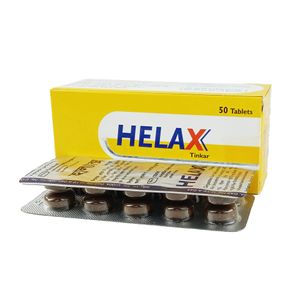
Aloe, black pepper, and henbane are components often used in traditional and alternative medicine for their purported health benefits. Each has distinct properties that contribute to various therapeutic effects. Aloe is well-known for its skin benefits, black pepper for its digestive and metabolic support, and henbane for its historical use in pain relief and sedation.
Uses
The combination of Aloe, black pepper, and henbane is used for:
- Skin Health: Aloe vera is renowned for its soothing and healing properties on the skin. It is often used to treat burns, cuts, and skin irritations.
- Digestive Health: Black pepper enhances digestion and can aid in relieving gastrointestinal discomfort. It is also thought to improve the absorption of other nutrients.
- Pain Relief and Sedation: Henbane has been used traditionally for its analgesic and sedative properties, although it is less commonly used today due to its potential toxicity.
Mechanism of Action
Aloe contains compounds such as polysaccharides and glycoproteins that contribute to its anti-inflammatory and healing effects. Black pepper contains piperine, which enhances digestive enzyme activity and improves nutrient absorption. Henbane contains alkaloids like hyoscyamine and scopolamine, which affect the nervous system to provide pain relief and sedation.
How Long Does It Take to Work?
The onset of effects can vary. Aloe’s skin benefits are often noticeable within a few hours to days after application. Black pepper may enhance digestion shortly after ingestion, while henbane’s sedative effects can be observed within an hour, although due to its potential toxicity, it should be used with caution.
Absorption
Aloe is absorbed through the skin or digestive tract, depending on the form used. Black pepper’s piperine is absorbed in the digestive tract and enhances the bioavailability of other nutrients. Henbane's alkaloids are absorbed through the digestive system and can cross the blood-brain barrier.
Route of Elimination
Aloe’s components are primarily eliminated through feces and urine. Piperine is metabolized in the liver and excreted via urine. Henbane’s alkaloids are metabolized in the liver and eliminated through urine.
Dosage
1-2 tablet(s) daily with milk at bed time or as prescribed by the physician.Dosage varies based on the form and purpose of use:
- Aloe: For topical use, apply as needed. For oral supplements, follow product-specific recommendations, typically 1-2 tablespoons of aloe juice or gel daily.
- Black Pepper: Typically used as a spice in food. For therapeutic purposes, 5-10 mg of piperine extract daily is a common dosage.
- Henbane: Due to its toxicity, henbane is rarely used today. Historically, dosages varied, but it is crucial to avoid self-medication with henbane and consult a healthcare provider for any use.
Administration
Aloe is used topically or taken orally in juice or supplement form. Black pepper is commonly used in cooking or taken as a supplement. Henbane should only be administered under professional supervision due to its toxic nature.
Side Effects
Possible side effects include:
- Aloe: Skin irritation, gastrointestinal discomfort (if ingested).
- Black Pepper: Gastrointestinal irritation, heartburn.
- Henbane: Drowsiness, dizziness, hallucinations, and other serious effects if overdosed. Use under supervision is crucial.
Toxicity
Aloe is generally safe but may cause gastrointestinal issues if consumed in excessive amounts. Black pepper is safe when used in moderation but may cause irritation if overused. Henbane is highly toxic and can cause severe symptoms such as delirium, hallucinations, and even death if misused.
Precautions
Use aloe and black pepper in moderation and consult a healthcare provider if you have underlying health conditions. Avoid using henbane without professional supervision due to its high toxicity.
Interaction
Aloe may interact with medications that affect blood sugar levels and anticoagulants. Black pepper may enhance the absorption of some drugs, potentially leading to increased effects or side effects. Henbane can interact with other sedatives and anticholinergic drugs.
Disease Interaction
Individuals with gastrointestinal conditions should use black pepper cautiously. Aloe should be used with caution in individuals with diabetes or bleeding disorders. Henbane should be avoided by individuals with heart conditions or psychiatric disorders due to its potent effects.
Drug Interaction
Aloe may interact with diabetes medications and anticoagulants. Black pepper may affect the absorption of various medications. Henbane can interact with sedatives and anticholinergic medications.
Food Interactions
Black pepper is typically consumed with food and can enhance the flavor and absorption of other nutrients. Aloe can be consumed as a part of juices or supplements. Henbane should not be combined with food and should be avoided due to its toxicity.
Pregnancy Use
Aloe is generally considered safe in small amounts during pregnancy, but high doses should be avoided. Black pepper is safe in culinary amounts. Henbane is contraindicated during pregnancy due to its potential for causing uterine contractions and other harmful effects.
Lactation Use
Aloe is generally considered safe in moderate amounts. Black pepper is safe when used in cooking. Henbane should be avoided during lactation due to its potential toxicity.
Acute Overdose
In case of acute overdose, especially with henbane, seek medical attention immediately. Symptoms may include severe drowsiness, hallucinations, and other serious effects.
Contraindication
Henbane is contraindicated for use in individuals with a history of psychiatric disorders or severe health conditions. Aloe and black pepper should be used with caution in individuals with diabetes or gastrointestinal disorders.
Use Direction
Follow specific product instructions for aloe and black pepper. Avoid self-medicating with henbane and consult a healthcare provider for any use. Ensure appropriate dosages and monitor for adverse effects.
Storage Conditions
Store aloe gel or juice in a cool, dry place, away from direct sunlight. Black pepper should be stored in a cool, dry place, away from moisture. Henbane should be stored securely and handled with caution due to its toxic nature.
Volume of Distribution
The volume of distribution varies for each component. Aloe is distributed locally when applied topically and systemically when ingested. Black pepper’s piperine is distributed throughout the body and enhances nutrient absorption. Henbane’s alkaloids are distributed throughout the body and can cross the blood-brain barrier.
Half Life
The half-life of these substances varies. Aloe's effects can last several hours to days depending on usage. Piperine has a short half-life, and its effects are transient. Henbane's alkaloids have a variable half-life, influenced by individual metabolism.
Clearance
Aloe’s components are cleared through feces and urine. Piperine is metabolized in the liver and cleared via urine. Henbane’s alkaloids are metabolized in the liver and excreted through urine.