Introduction
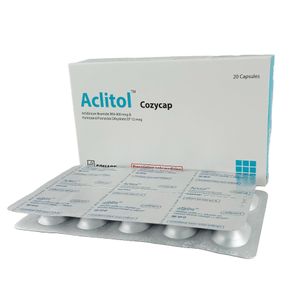
Aclidinium bromide and formoterol fumarate are combined in a single inhalation device for the treatment of chronic obstructive pulmonary disease (COPD). This combination offers both long-acting anticholinergic and long-acting beta-agonist effects to manage symptoms of COPD and improve lung function.
Uses
The combination of aclidinium bromide and formoterol fumarate is used for:
- Managing COPD: Reduces symptoms such as breathlessness, coughing, and wheezing.
- Improving Lung Function: Enhances airflow and reduces airway obstruction.
- Reducing Exacerbations: Helps decrease the frequency and severity of COPD exacerbations.
Mechanism of Action
Aclidinium bromide is a long-acting muscarinic antagonist (LAMA) that works by blocking acetylcholine at muscarinic receptors, leading to bronchodilation. Formoterol fumarate is a long-acting beta-agonist (LABA) that stimulates beta-2 adrenergic receptors in the airways, resulting in smooth muscle relaxation and bronchodilation. Together, they provide complementary effects to improve airflow and reduce respiratory symptoms.
How Long Does It Take to Work?
Aclidinium bromide starts to act within 30 minutes of inhalation, with peak effects usually seen within 1 to 3 hours. Formoterol fumarate acts more rapidly, with effects noticeable within 1 to 3 hours and lasting up to 12 hours. The combination therapy provides sustained symptom control throughout the day.
Absorption
When inhaled, aclidinium bromide and formoterol fumarate are absorbed directly into the lungs, where they exert their therapeutic effects. Systemic absorption is minimal but occurs, with the drugs entering the bloodstream in small amounts.
Route of Elimination
Aclidinium bromide is primarily metabolized in the liver and excreted in the urine. Formoterol fumarate is metabolized by conjugation and oxidation in the liver, with elimination occurring primarily through the urine and, to a lesser extent, the feces.
Dosage
For oral inhalation only. Should be taken by inhaler device. 400 mcg/12 meg, twice daily (One inhalation capsule in the morning and one in the evening ). Do not take more than one inhalation twice daily.The typical dosage is one inhalation of the combined aclidinium bromide and formoterol fumarate product twice daily. The exact dosage may vary based on individual patient needs and responses, as well as specific product formulations. Follow the prescribing instructions for the correct dosage.
Administration
Inhalation is the route of administration. Use the inhaler device according to the manufacturer's instructions. Ensure proper technique for optimal drug delivery to the lungs. Rinse the mouth after inhalation to reduce the risk of oral thrush.
Side Effects
Common side effects include:
- Dysphonia (hoarseness)
- Dry mouth
- Headache
- Pharyngitis
- Cough
Less common but serious side effects may include:
- Cardiovascular effects (e.g., palpitations, tachycardia)
- Severe allergic reactions
- Paradoxical bronchospasm
Toxicity
Toxicity is unlikely with the recommended dosage but can occur with overdose or misuse. Symptoms of overdose may include severe palpitations, increased blood pressure, and tremors. Seek medical attention if overdose symptoms occur.
Precautions
Precautions include:
- Assessing for history of cardiovascular disease before use.
- Monitoring for potential worsening of glaucoma or urinary retention.
- Not using as a rescue inhaler for acute bronchospasm.
Interaction
Interactions may occur with other medications, particularly those affecting the cardiovascular system or other respiratory medications. Inform your healthcare provider of all medications you are taking.
Disease Interaction
Use with caution in patients with a history of cardiovascular disease, hyperthyroidism, or diabetes. Monitor for worsening of these conditions during therapy.
Drug Interaction
Possible interactions with other inhaled or systemic beta-agonists, anticholinergics, or drugs that affect hepatic metabolism. Consult your healthcare provider to avoid potential drug interactions.
Food Interactions
No significant food interactions are known. However, it is advisable to avoid excessive caffeine as it may increase side effects related to beta-agonists.
Pregnancy Use
Use during pregnancy should be considered only if the potential benefits outweigh the risks. Consult a healthcare provider to evaluate the risks and benefits in your specific situation.
Lactation Use
Use during lactation should be approached with caution. The safety of these medications during breastfeeding is not well established. Consult your healthcare provider to assess potential risks to the infant.
Acute Overdose
In case of acute overdose, symptoms may include severe tachycardia, tremors, and increased blood pressure. Seek emergency medical attention and contact poison control if overdose is suspected.
Contraindication
Contraindications include hypersensitivity to aclidinium bromide, formoterol fumarate, or any component of the formulation. Avoid use in patients with severe hypersensitivity reactions to beta-agonists or anticholinergics.
Use Direction
Follow the dosing instructions provided with the inhaler device. Proper inhalation technique is crucial for effective medication delivery. If unsure about the correct technique, consult a healthcare provider or pharmacist.
Storage Conditions
Store the inhaler at room temperature, away from direct sunlight and moisture. Do not freeze. Keep out of reach of children and dispose of properly after the expiration date.
Volume of Distribution
The volume of distribution for aclidinium bromide and formoterol fumarate is relatively low due to their primarily local action in the lungs. Systemic distribution is minimal but should be considered in patients with significant comorbid conditions.
Half Life
The half-life of aclidinium bromide is approximately 5 to 8 hours, while formoterol fumarate has a half-life of about 8 to 12 hours. This allows for twice-daily dosing to maintain therapeutic levels.
Clearance
Both drugs are cleared from the system primarily through the urine. Aclidinium bromide is cleared relatively quickly, while formoterol fumarate may have a longer clearance time due to its metabolic pathway.