Introduction
Acetylcysteine is an antioxidant and glutathione inducer indicated for mucolytic therapy and the treatment of acetaminophen overdose. Acetylcysteine has also been studied for a wide variety of off-label indications with mixed results.
Uses
Acetylcysteine is a medication that can be used as a mucolytic in patients with certain lung conditions and as an antidote for acetaminophen overdose.
Acetylcysteine is indicated for mucolytic therapy and in the management of acetaminophen overdose.
Associated Conditions
Pharmacodynamics
Acetylcysteine is indicated for mucolytic therapy and in the management of acetaminophen overdose. It has a short duration of action as it is given every 1-8 hours depending on route of administration, and has a wide therapeutic window. Patients should be counselled regarding diluting oral solutions in cola for taste masking, the risk of hypersensitivity, and the risk of upper gastrointestinal hemorrhage.
Mechanism of Action
A number of possible mechanisms for the mucolytic activity of acetylcysteine have been proposed. Acetylcysteine's sulfhydryl groups may hydrolize disulfide bonds within mucin, breaking down the oligomers, and making the mucin less viscous. Acetylcysteine has also been shown to reduce mucin secretion in rat models. It is an antioxidant in its own right but is also deacetylated to cysteine, which participates in the synthesis of the antioxidant glutathione. The antioxidant activity may also alter intracellular redox reactions, decreasing phosphorylation of EGFR and MAPK, which decrease transcription of the gene MUC5AC which produces mucin.
In the case of acetaminophen overdoses, a portion of the drug is metabolized by CYP2E1 to form the potentially toxic metabolite N-acetyl-p-benzoquinone imine (NAPQI). The amount of NAPQI produced in an overdose saturates and depletes glutathione stores. The free NAPQI promiscuously binds to proteins in hepatocytes, leading to cellular necrosis. Acetylcysteine can directly conjugate NAPQI or provide cysteine for glutathione production and NAPQI conjugation.
Absorption
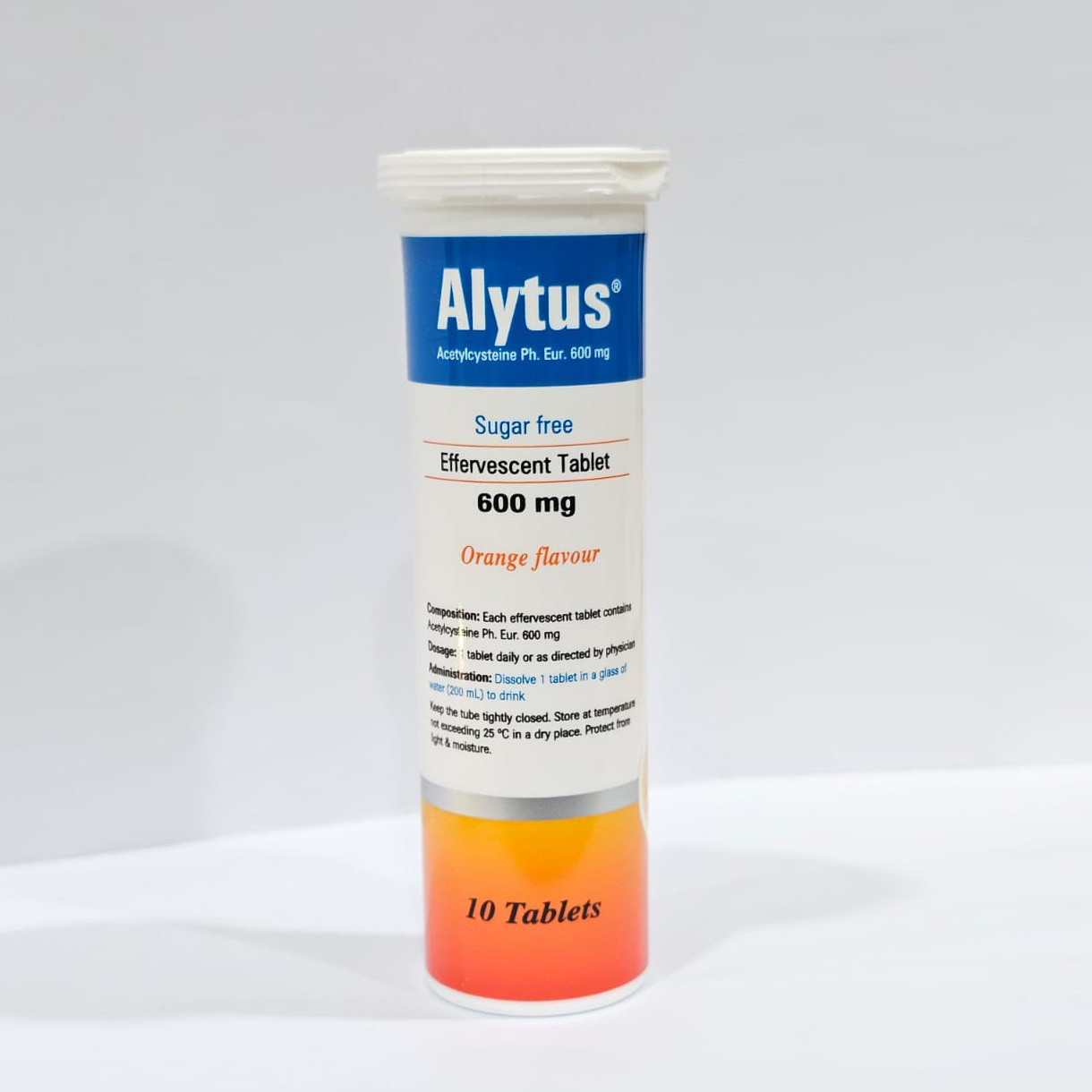
An 11 g dose in the form of an effervescent tablet for solution reaches a mean Cmax of 26.5 µg/mL, with a Tmax of 2 hours, and an AUC of 186 µg*h/mL.
Volume of Distribution
The volume of distribution of acetylcysteine is 0.47 L/kg.
Protein Binding
Acetylcysteine is 66-97% protein bound in serum, usually to albumin.
Route of Elimination
An oral dose of radiolabelled acetylcysteine is 13-38% recovered in the urine in the first 24 hours, while 3% is recovered in the feces.
Half Life
The mean terminal half life of acetylcysteine in adults is 5.6 hours and in pre-term neonates is 11 hours.
Clearance
Acetylcysteine has a mean clearance of 0.11 L/hr/kg.
Toxicity
Patients experiencing an overdose may present with vomiting, nausea, bronchospasm, periorbital angioedema, and hypotension. Treat patients with symptomatic and supportive measures. Hemodialysis may remove some acetylcysteine from circulation as it is somewhat protein bound.
Food Interactions
No interactions found.
Dosage
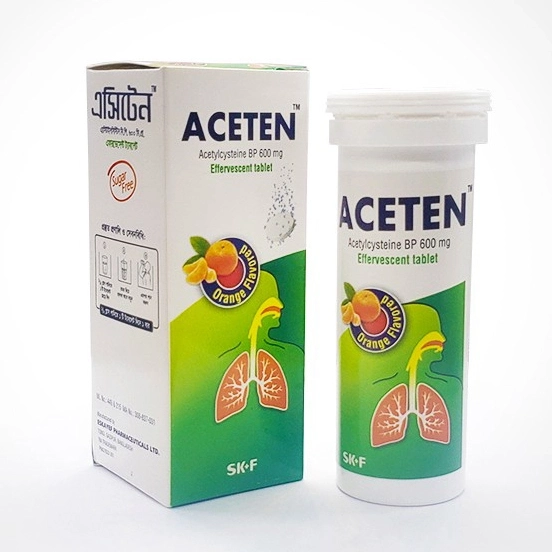
Effervescent Granules:
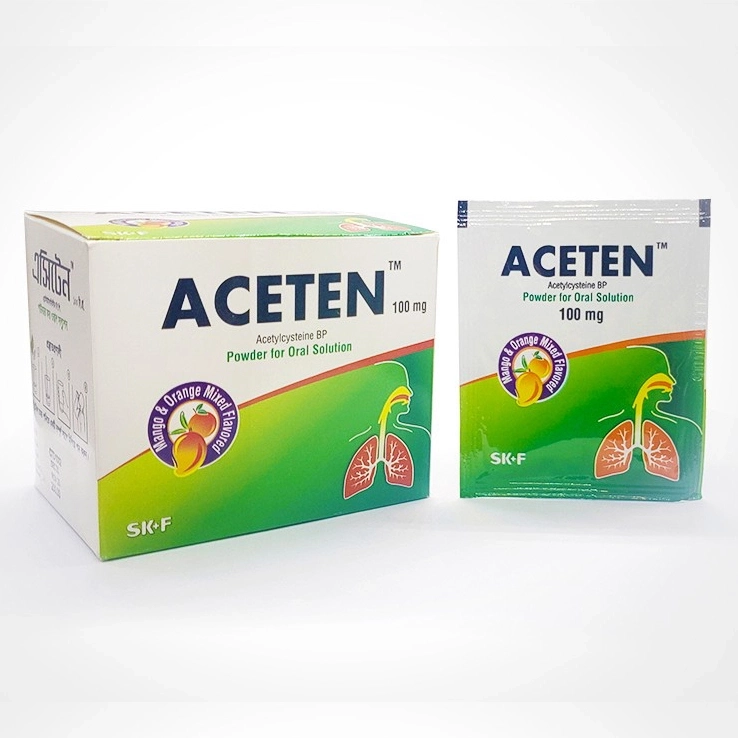
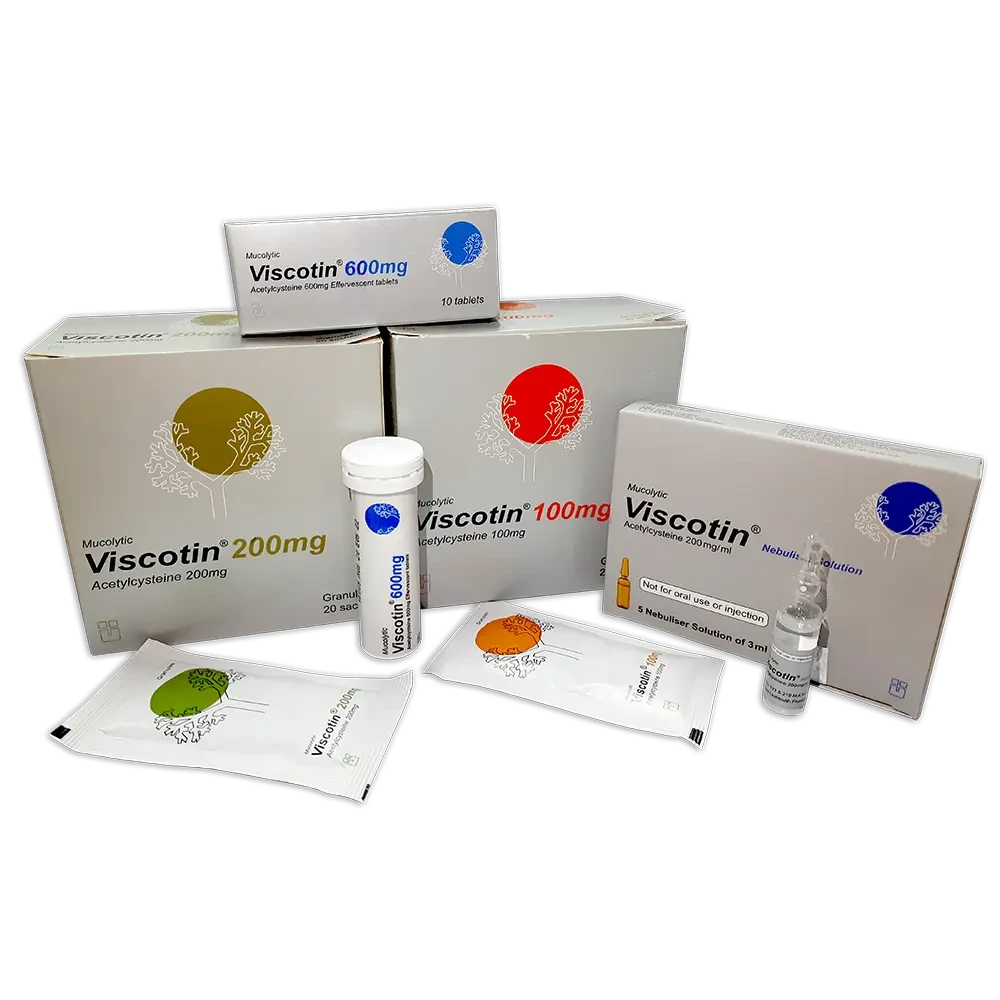
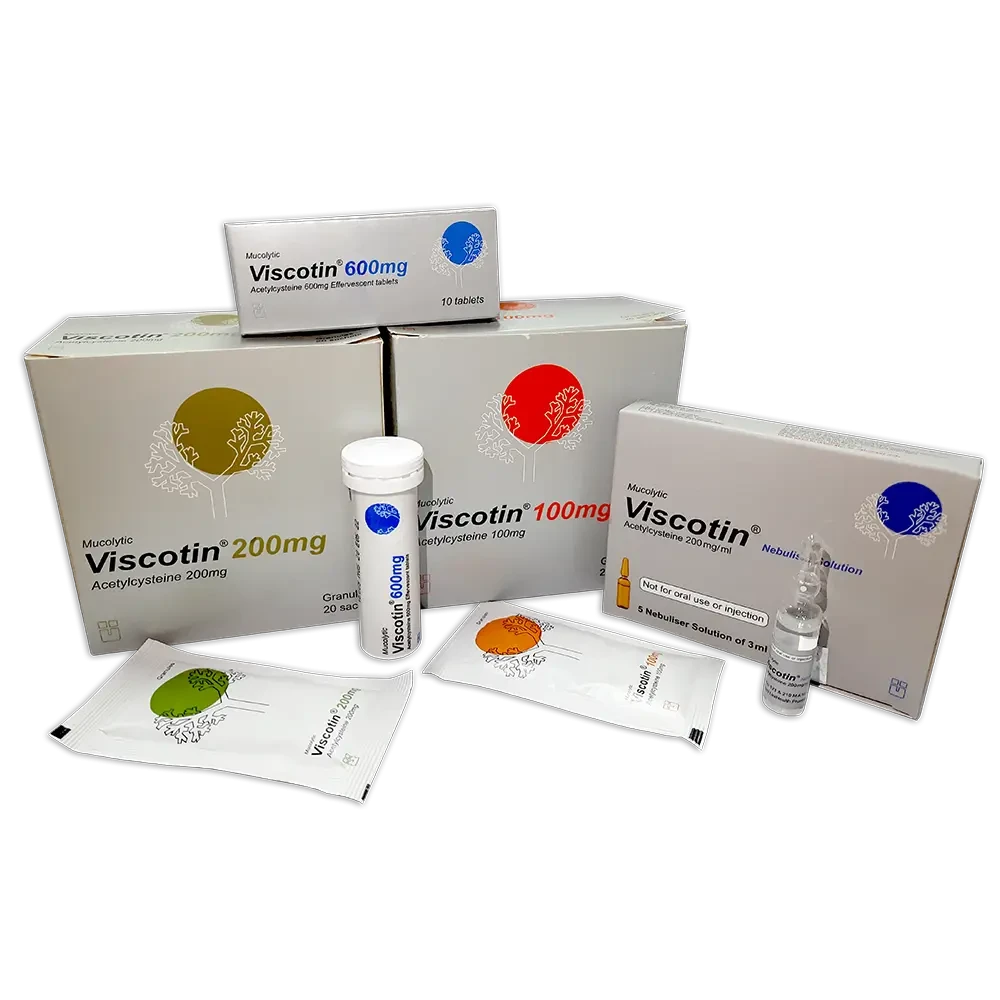
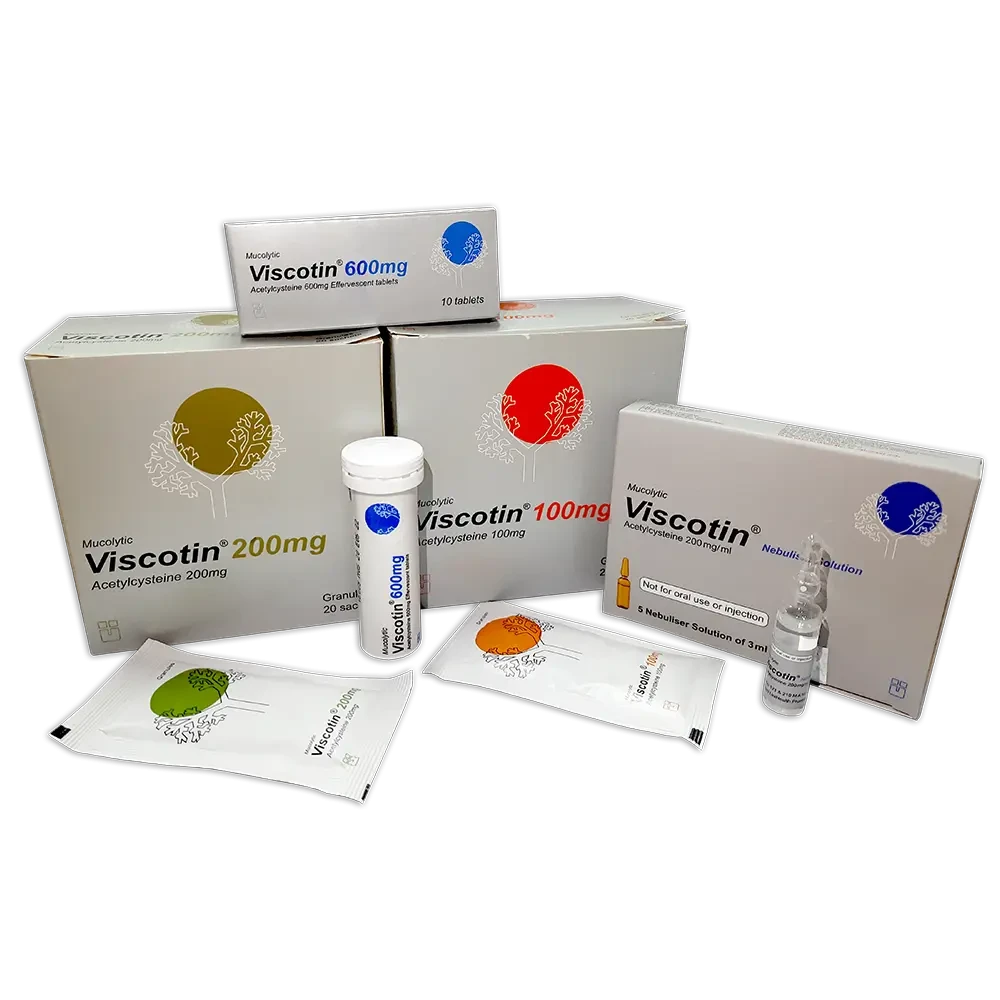
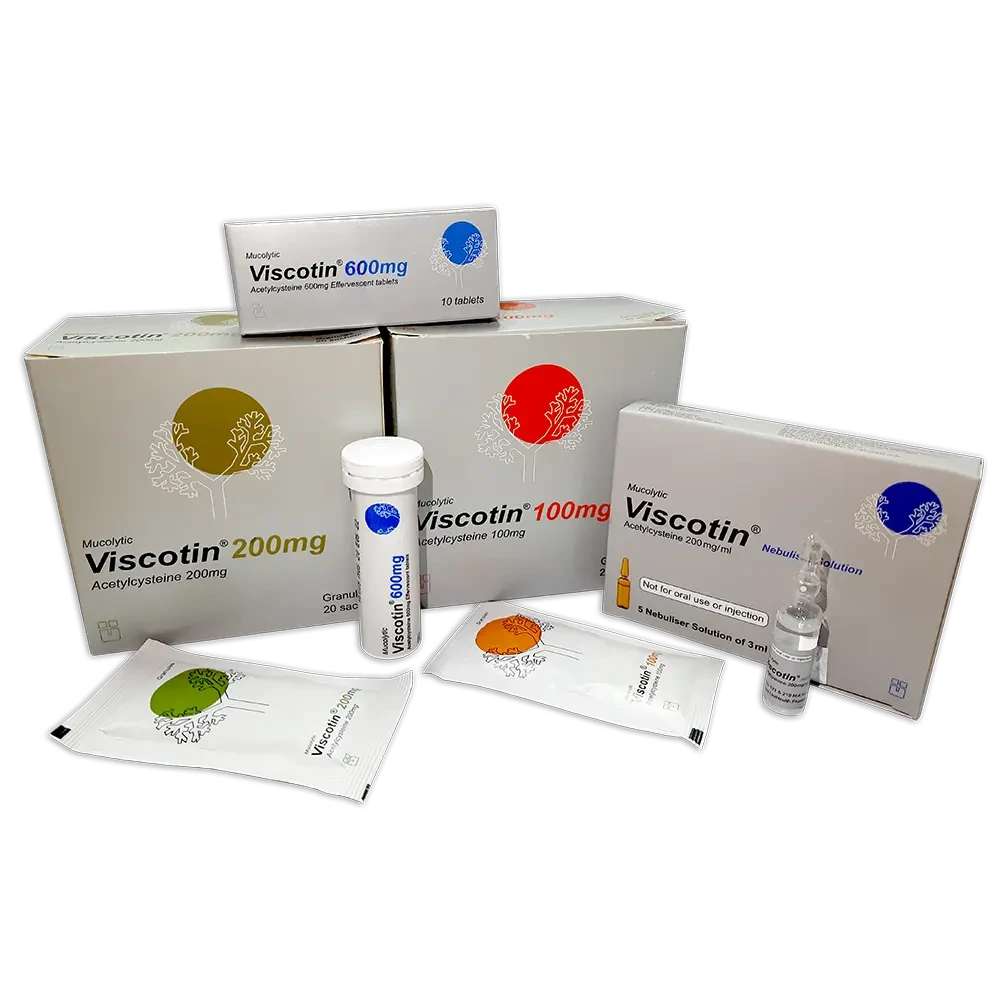
- Adults and children above 6 years: 1 sachet Acetylcysteine 200 mg or 2 sachets Acetylcysteine 100 mg, 2-3 times a day.
- Children (2-6 years of age): 1 sachet Acetylcysteine 100 mg from 2 to 4 times a day, according to the age.
Dissolve the contents of the sachets in a glass containing a small quantity of water; mixing it, if necessary, with a spoon. A palatable solution is thus obtained, which can be drunk directly from the glass.
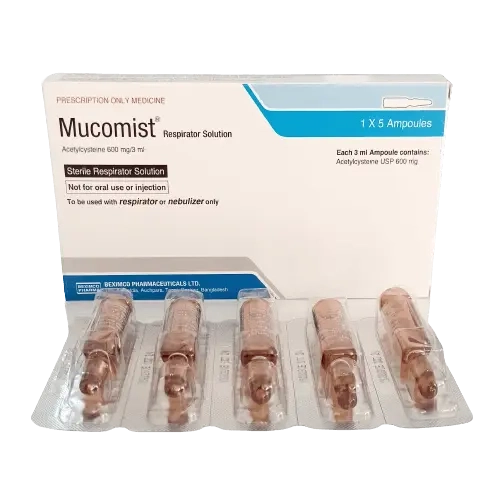
Nebuliser Solution: The 20% solution may be diluted to a lesser concentration with either Sodium Chloride for injection, Sodium Chloride for inhalation, sterile water for injection, or sterile water for inhalation.
- Adult: 5-10 ml of 10% or 20% solution by Nebuliser every 6-8 hr PRN.
- Children: 1-11 months: 1-2 ml of 20% or 2-4 ml of 10% solution by Nebuliser every 6-8 hr PRN.
- 12 months-11 years: 3-5 ml of 20% or 6-10 ml of 10% solution by Nebuliser every 6-8 hr PRN.
- Below 12 years: 5-10 ml of 10/20% solution by Nebuliser every 6-8 hr PRN.
** Nebulisation tent or croupette: This form of administration requires very large volumes of the solution, occasionally as much as 300 ml during a single treatment period. If a tent or croupette must be used, the recommended dose is the volume of acetylcysteine (using 20%) that will maintain a very heavy mist in the tent or croupette for the desired period. Administration for intermittent or continuous prolonged periods, including overnight, may be desirable.
** Direct Instillation: When used by direct instillation, 1-2 ml of a 20% solution may be given as often as every hour. When used for the routine nursing care of patients with tracheostomy, 1-2 ml of a 20% solution may be given every 1-4 hours by instillation into the tracheostomy.