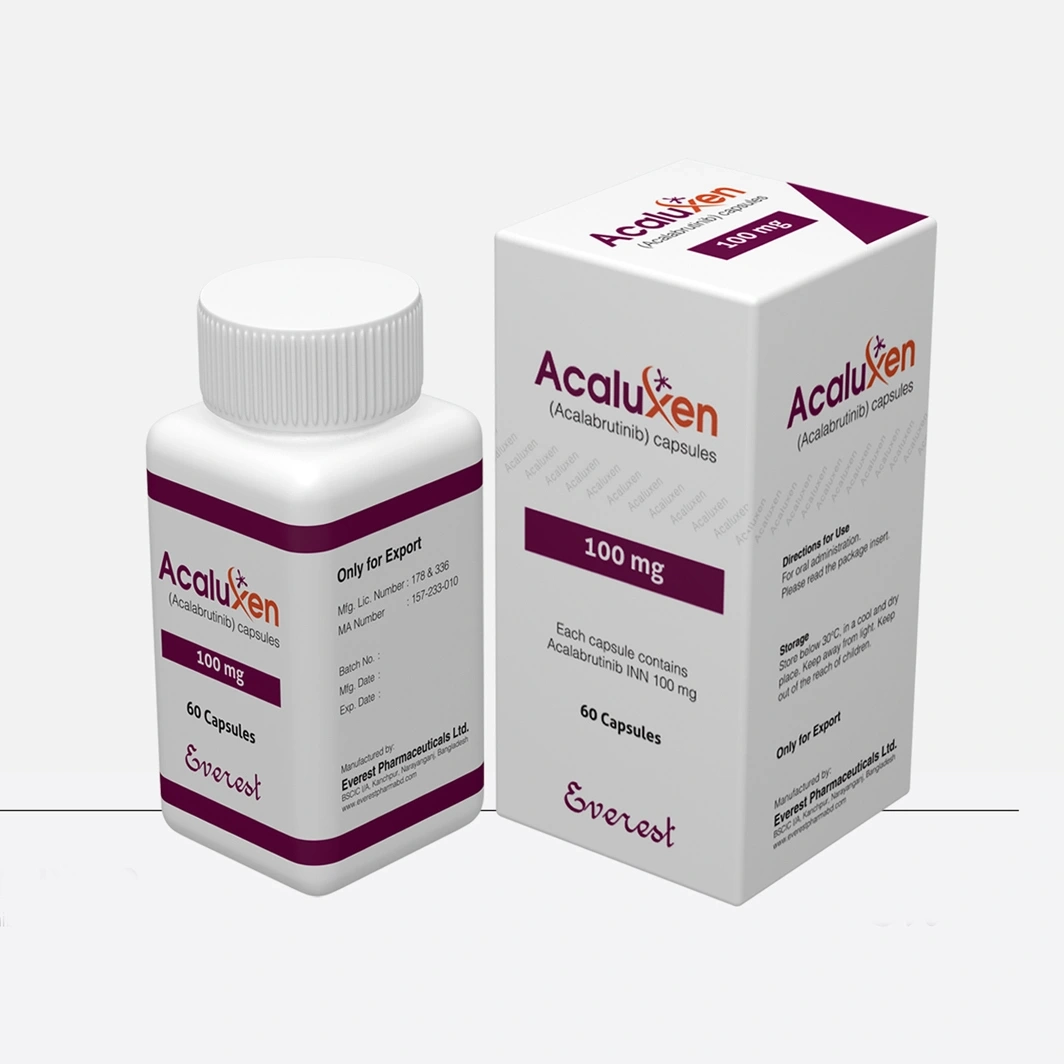
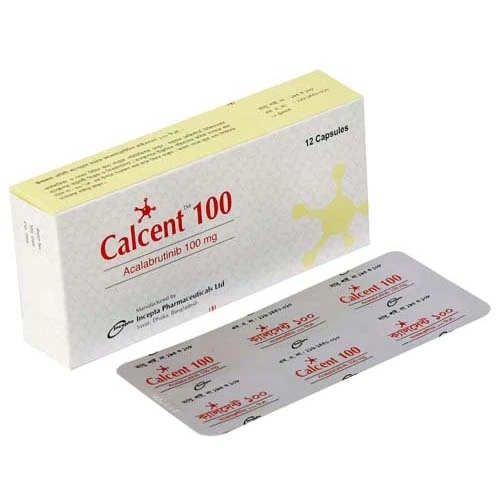
Introduction
Acalabrutinib is a second-generation, orally active Bruton's tyrosine kinase (BTK) inhibitor used in the treatment of B-cell malignancies. It selectively inhibits BTK signaling, reducing the proliferation and survival of malignant B cells while minimizing off-target effects compared with earlier BTK inhibitors.
Acalabrutinib is indicated for the treatment of chronic lymphocytic leukemia (CLL), small lymphocytic lymphoma (SLL), and mantle cell lymphoma (MCL). It is also being investigated for the treatment of other hematologic malignancies and immune-mediated disorders.
Uses
Acalabrutinib is a Bruton tyrosine kinase inhibitor used to treat mantle cell lymphoma, chronic lymphocytic leukemia, and small lymphocytic lymphoma.
Acalabrutinib is currently indicated for the treatment of adult patients with Mantle Cell Lymphoma (MCL) who have received at least one prior therapy. It has also been recently approved for chronic lymphocytic leukemia and small lymphocytic lymphoma.
Associated Conditions
Pharmacodynamics
Acalabrutinib is a Bruton Tyrosine Kinase inhibitor that prevents the proliferation, trafficking, chemotaxis, and adhesion of B cells. It is taken every 12 hours and can cause other effects such as atrial fibrillation, other malignancies, cytopenia, hemorrhage, and infection.
Mechanism of Action
Mantle Cell Lymphoma (MCL) is a rare yet aggressive type of B-cell non-Hodgkin lymphoma (NHL) with poor prognosis . Subsequently, relapse is common in MCL patients and ultimately represents disease progression .
Lymphoma occurs when immune system lymphocytes grow and multiply uncontrollably. Such cancerous lymphocytes may travel to many parts of the body, including the lymph nodes, spleen, bone marrow, blood, and other organs where they can multiply and form a mass(es) called a tumor. One of the main kinds of lymphocytes that can develop into cancerous lymphomas are the body's own B-lymphocytes (B-cells) .
Bruton Tyrosine Kinase (BTK) is a signalling molecule of the B-cell antigen receptor and cytokine receptor pathways. Such BTK signaling causes the activation of pathways necessary for B-cell proliferation, trafficking, chemotaxis, and adhesion.
Acalabrutinib is a small molecule inhibitor of BTK. Both acalabrutinib and its active metabolite, ACP-5862, act to form a covalent bond with a cysteine residue (Cys481) in the BTK active site, leading to inhibition of BTK enzymatic activity. As a result, acalabrutinib inhibits BTK-mediated activation of downstream signaling proteins CD86 and CD69, which ultimately inhibits malignant B-cell proliferation and survival
Whereas ibrutinib is typically recognized as the first-in-class BTK inhibitor, acalabrutinib is considered a second generation BTK inhibitor primarily because it demonstrates highter selectivity and inhibition of the targeted activity of BTK while having a much greater IC50 or otherwise virtually no inhibition on the kinase activities of ITK, EGFR, ERBB2, ERBB4, JAK3, BLK, FGR, FYN, HCK, LCK, LYN, SRC, and YES1.
In effect, acalabrutinib was rationally designed to be more potent and selective than ibrutinib, all the while demonstrating fewer adverse effects - in theory - because of the drug's minimized off target effects.
Absorption
The geometric mean absolute bioavailability of acalabrutinib is 25% with a median time to peak plasma concentrations (Tmax) of 0.75 hours.
Volume of Distribution
The mean steady-state volume of distribution is approximately 34 L.
Protein Binding
Reversible binding of acalabrutinib to human plasma protein is approximately 97.5%. The in vitro mean blood-to-plasma ratio is about 0.7. In vitro experiments at physiologic concentrations show that acalabrutinib can be 93.7% bound to human serum albumin and 41.1% bound to alpha-1-acid glycoprotein.
Route of Elimination
After administration of a single 100 mg radiolabelled acalabrutinib dose in healthy subjects, 84% of the dose was recovered in the feces and 12% of the dose was recovered in the urine. An irradiated dose of acalabrutinib was 34.7% recovered as the metabolite ACP-5862; 8.6% was recovered as unchanged acalabrutinub; 10.8 was recovered as a mixture of the M7, M8, M9, M10, and M11 metabolites; 5.9% was the M25 metabolite; 2.5% was recovered as the M3 metabolite.
Half Life
After administering a single oral dose of 100 mg acalabrutinib, the median terminal elimination half-life of the drug was found to be 0.9 (with a range of 0.6 to 2.8) hours.
The half-life of the active metabolite, ACP-5862, is about 6.9 hours.
Clearance
Acalabrutinib's mean apparent oral clearance (CL/F) is observed to be 159 L/hr with similar PK between patients and healthy subjects, based on population PK analysis.
Toxicity
Data regarding the toxicity of acalabrutinib is not readily available.
Food Interactions
- Avoid grapefruit products. Grapefruit inhibits CYP3A metabolism, which may increase the serum concentration of acalabrutinib. Dose adjustment may be necessary if co-administered.
- Exercise caution with St. John's Wort. The official product labeling recommends avoiding strong CYP3A4 inducers. This herb induces CYP3A metabolism and may reduce serum levels of acalabrutinib.
- Take separate from antacids. Take at least 2 hours before or after antacids.
- Take with a full glass of water.
- Take with or without food.