Introduction
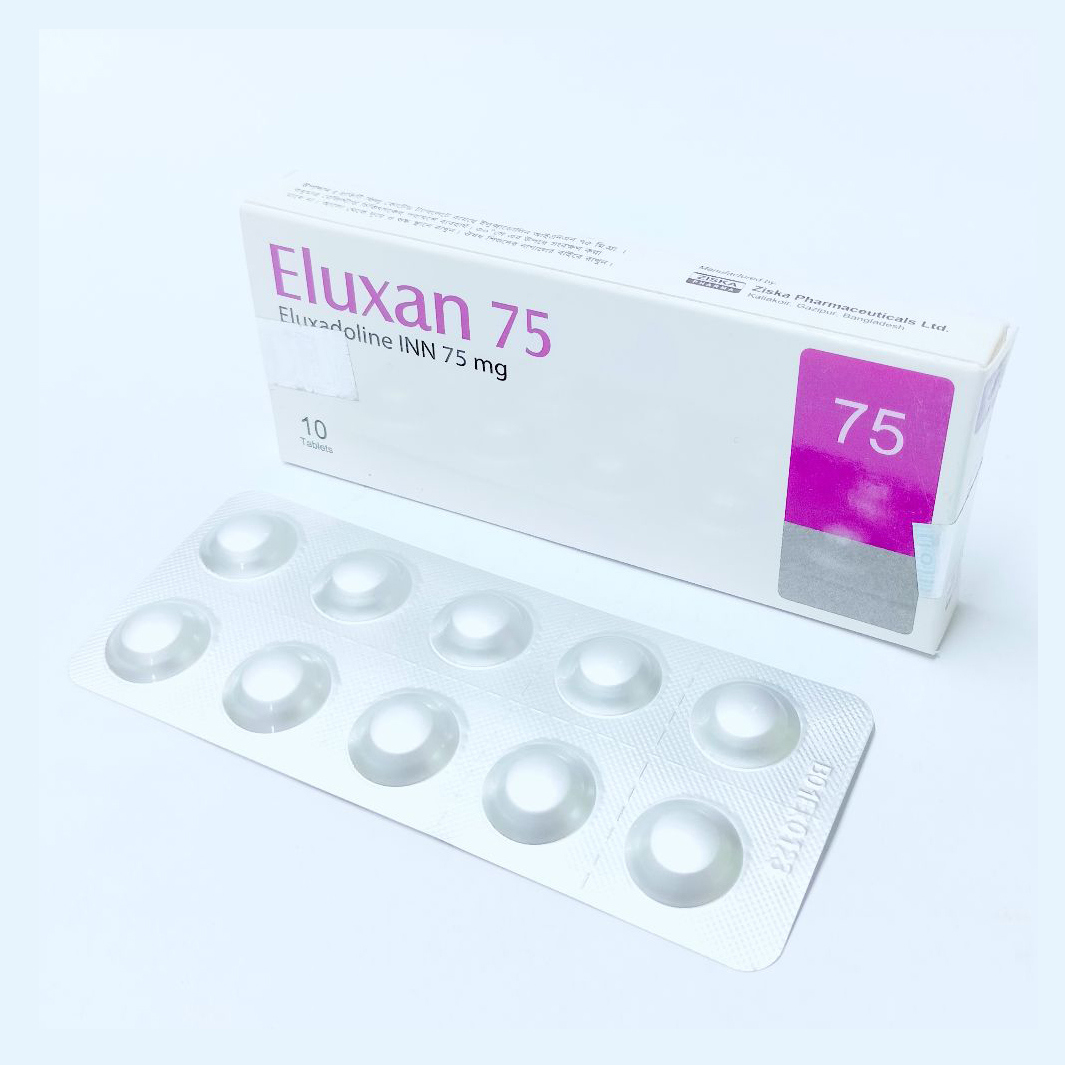
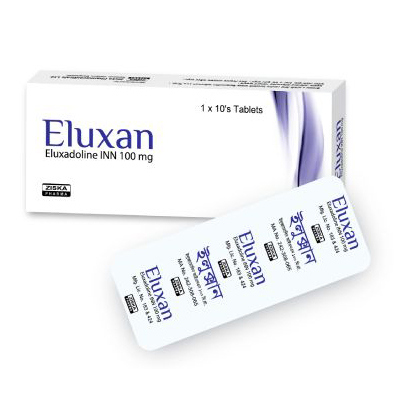
Eluxadoline is a mixed mu-opioid receptor agonist, kappa-opioid receptor agonist, and a-delta opioid receptor antagonist indicated for use in diarrhea-predominant irritable bowel syndrome (IBS-D). The mu-, kappa-, and delta-opioid receptors mediate endogenous and exogenous opioid response in the central nervous system and peripherally in the gastrointestinal system. Agonism of peripheral mu-opioid receptors results in reduced colonic motility, while antagonism of central delta-opioid receptors results in improved analgesia, making eluxadoline usable for the symptoms of both pain and diarrhea characteristic of IBS-D.
Eluxadoline is an antimotility agent that decreases bowel contractions, inhibits colonic transit, and reduces fluid/ion secretion resulting in improved symptoms of abdominal pain and reductions in the Bristol Stool Scale.
Uses
Eluxadoline is a mixed mu-opioid receptor agonist used to treat irritable bowel syndrome with diarrhea.
For the treatment of irritable bowel syndrome with diarrhea (IBS-D).
Associated Conditions
Mechanism of Action
Eluxadoline is a mu-opioid receptor agonis, kappa opioid receptor agonist and a delta opioid receptor antagonist. Eluxadoline is used for diarrhea predominant IBS because it reduces intestinal contractility and normalizes stress-induced acceleration of upper GI transit. Antagonistic activity at the delta receptor minimizes the constipating effect usually seen by mu-opioid receptor agonists alone. Because of it's limited systemic bioavailability, there may be less side effects associated with the use of eluxadoline in comparison with other therapies used to treat diarrhea predominant IBS.
Absorption
The oral absorption of eluxadoline is poor - estimated to be 1.02%, this could be attributed to poor in vitro GI permeability, and its zwitterionic nature leading to a negatively charged molecule across the GI pH range.
Protein Binding
81%
Route of Elimination
82% excreted in feces, <1% excreted in urine.
Half Life
The mean plasma elimination half-life ranged from 3.7 hours to 6 hours.
Toxicity
The most common adverse reactions (>5%) are constipation, nausea and abdominal pain.
Food Interactions
- Avoid excessive or chronic alcohol consumption. The risk of pancreatitis is increased with excess/chronic alcohol consumption.
- Take with food.
Dosage
Pediatric Use: Safety and effectiveness in pediatric patients have not been established.
Hepatic Impairment: It is contraindicated in patients with severe hepatic impairment.