Introduction
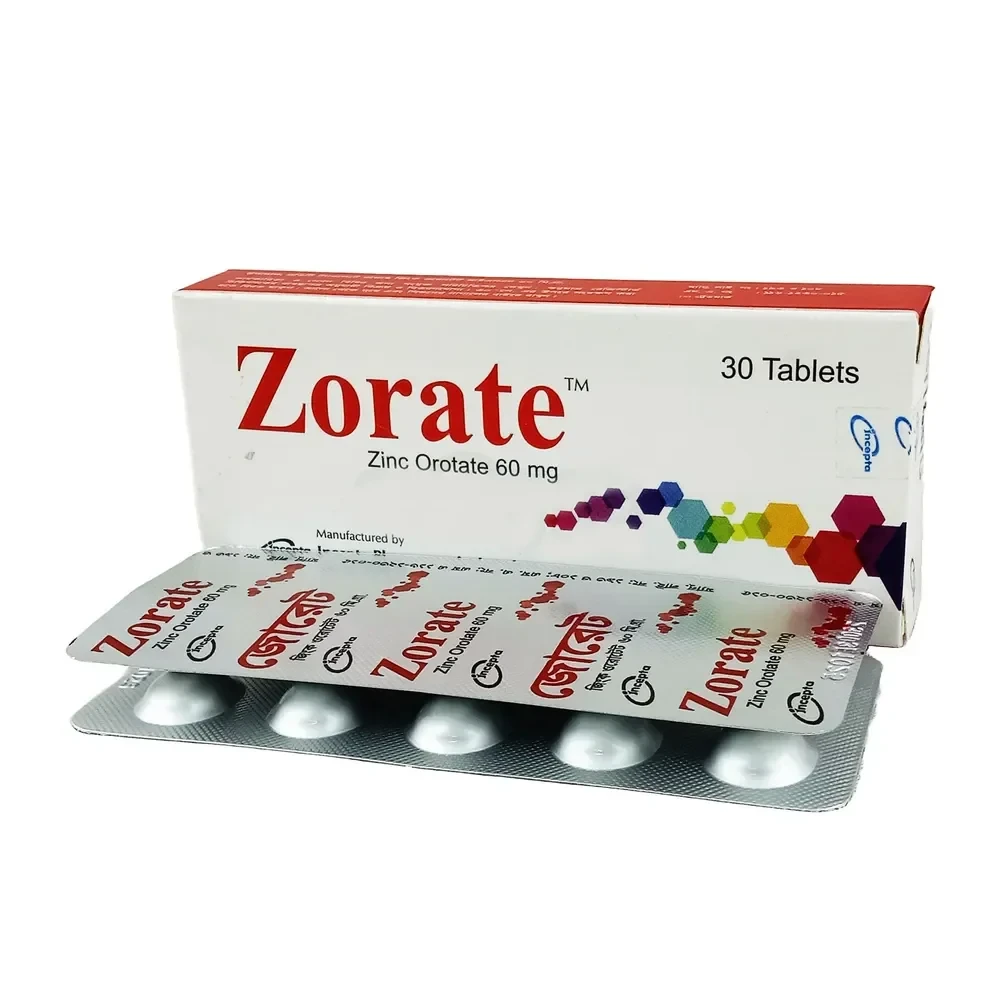
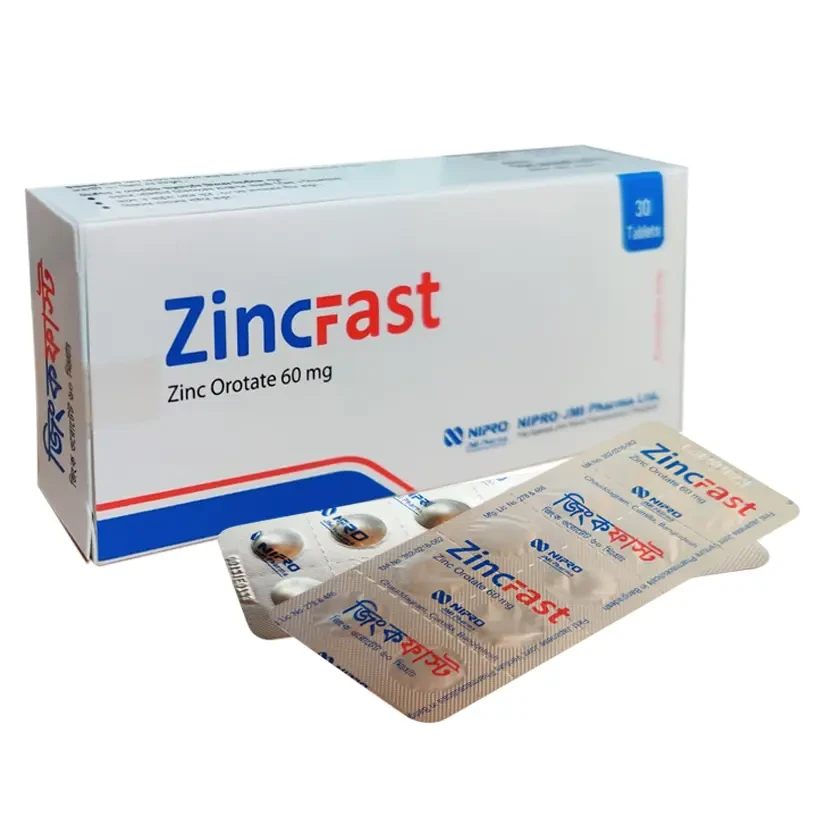
Zinoret Tablet 60 mg is a therapeutic compound that provides the trace element zinc to tissues of the body and is thought to combine the beneficial effects of zinc chelates and orotic acid. It is available as both an over-the-counter and a prescription supplement.
Uses
Zinoret Tablet 60 mg is used to help reduce inflammation, treat low testosterone, boost immunity, enhance growth, improve heart health, enhance fertility, fight cancer, reduce ear infections, improve skin health and healthy bone development.
| Brand Name | Zinoret |
|---|---|
| Type | Tablet |
| Weight | 60 mg |
| Generic | Zinc Orotate |
| Manufacturer | Opsonin Pharma Ltd. |
| Available in | English বাংলা |
Mechanism of Action
The mechanism of action of zinc orotate is believed to be through the orotate ion, which is thought to have an antioxidant effect and may protect cells from damage. Zinc also binds to proteins and enzymes and plays a role in many biochemical reactions.
How Long Does It Take to Work?
The effects of Zinoret Tablet 60 mg depend on the dosage taken, the user’s medical condition, and other factors, so it can work in different ways depending on the individual. In general, it may take from a few days to a few weeks to notice the effects of the supplement.
Absorption
Zinoret Tablet 60 mg is believed to be absorbed better than other forms of zinc, such as zinc gluconate or zinc sulfate, as it is thought to have better bioavailability, stability and solubility.
Route of Elimination
Zinc orotate is mostly eliminated through the kidneys. Some of the zinc may remain in the body, and some may be excreted through feces and sweat.
Dosage
Adults: One tablet twice daily with meal.Zinc orotate is usually taken in dosages of 5-15 mg per day, divided into two or three doses. Dosage should be adjusted for the individual based on age, weight, health status, and other factors. It is important to speak to a doctor or qualified healthcare professional to ensure the safe use of zinc orotate.
Administration
Zinc orotate is available as a dietary supplement, in tablet or capsule form. It can also be injected intravenously or intramuscularly, but this should only be done under the supervision of a qualified healthcare provider.
Side Effects
Side effects of zinc orotate may include nausea, vomiting, diarrhea, constipation, and stomach cramps. It may also cause anemia and anorexia, weight loss, an altered sense of taste, and muscle cramps and weakness. High dosages may lead to toxic side effects, such as copper deficiency, impaired immunity, and liver or kidney damage.
Toxicity
Zinc orotate is moderately toxic. It is important to follow the dosage guidelines carefully and not exceed the recommended dosage. Prolonged use of high doses may cause zinc toxicity and other health problems.
Precaution
Pregnant and nursing women, people with kidney or liver disease, and people with chronic diseases should avoid taking zinc orotate. People taking medications for heart, blood, or thyroid problems, or antacids, should not take it without first consulting their doctor. It is important to speak to a qualified healthcare practitioner before taking any supplement.
Interactions
Zinc orotate may interact with certain medications, herbs, and supplements. Before taking zinc orotate, it is important to speak to your doctor to determine if any interactions may occur.
Disease Interaction
Zinc orotate may interfere with the absorption of some medications and may increase the risk of complications for people with certain diseases. People with kidney or liver diseases, diabetes, or certain other health conditions should speak to their doctor before taking zinc orotate.
Drug Interaction
Zinc orotate may interact with some antibiotics, calcium supplements, antacids, sulfa drugs, and niacin. It may also interact with certain herbal supplements. Before taking zinc orotate, it is important to speak to your doctor or pharmacist to determine if any interactions may occur.
Food Interactions
Zinc orotate should not be taken with dairy products or dairy-based products, such as milk, yogurt, or ice cream. It may also interact with foods that are rich in iron, calcium, magnesium, or zinc.
Pregnancy Use
It is not recommended for pregnant women to take zinc orotate as it may interfere with the development of the fetus. It is important to speak to your doctor before taking any supplements if you are pregnant.
Lactation Use
Zinc orotate should not be taken while breastfeeding. It is important to speak to your doctor before taking any supplements if you are breastfeeding.
Acute Overdose
An overdose of zinc orotate can lead to nausea, vomiting, abdominal pain, and bloody diarrhea. It can also cause anemia, liver and kidney damage, and even coma in extreme cases. It is important to seek medical help immediately if an overdose is suspected.
Contraindication
Zinc orotate should not be taken by people who are allergic to zinc or orotic acid. It should also not be taken by pregnant or lactating mothers or individuals with kidney disease, liver disease, or certain other medical conditions. It is also contraindicated for people taking certain medications.
Use Direction
Zinc orotate is usually taken orally in tablet or capsule form. It should be taken with a meal and plenty of water. Do not exceed the recommended dosage and never take it for more than recommended. Always speak to your doctor before taking zinc orotate for medical advice.
Storage Condition
Zinc orotate should be stored at room temperature, away from children and pets. Do not expose it to light, heat, or moisture. Keep the container tightly closed when not in use.
Volume of Distribution
The volume of distribution of zinc orotate is not known, but it is believed to be well-distributed throughout the body, although the greater concentrations are thought to be found in the liver, spleen, and kidney.
Half Life
The half-life of zinc orotate is not known. It is thought to be eliminated from the body through the urine and feces, but the exact rate is not known.
Clearance
It is not known how much of zinc orotate is cleared from the body. It is thought to be eliminated from the body through the urine and feces, but the exact rate is not known.
See in details version Zinoret Tablet 60 mg also Zinoret Tablet 60 mg in bangla