Introduction

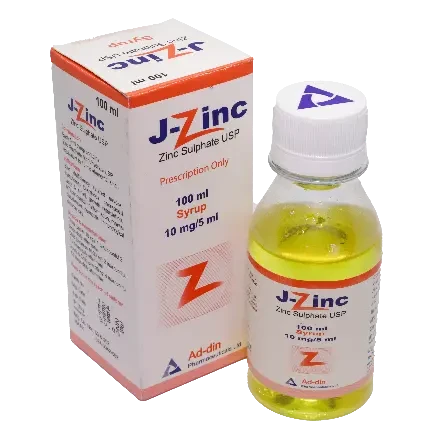
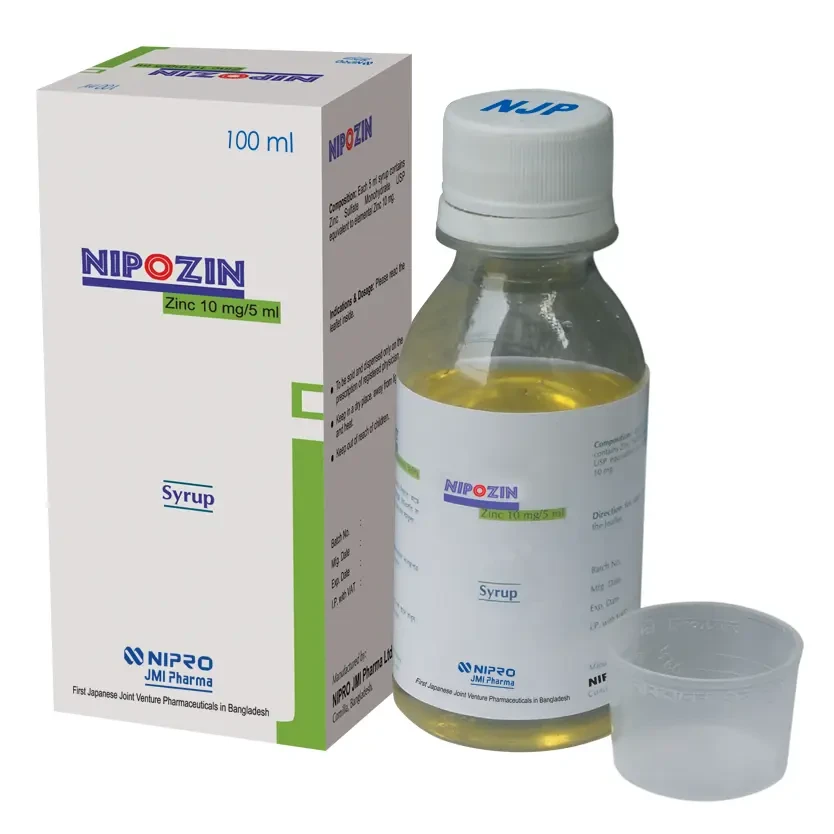
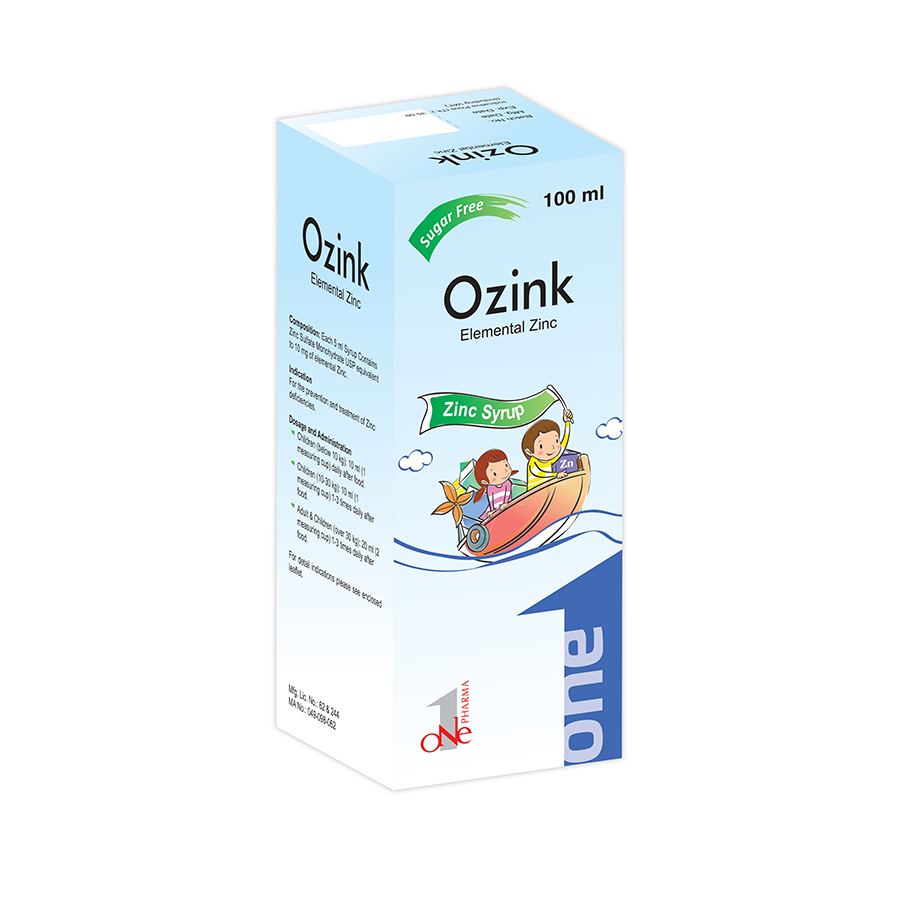
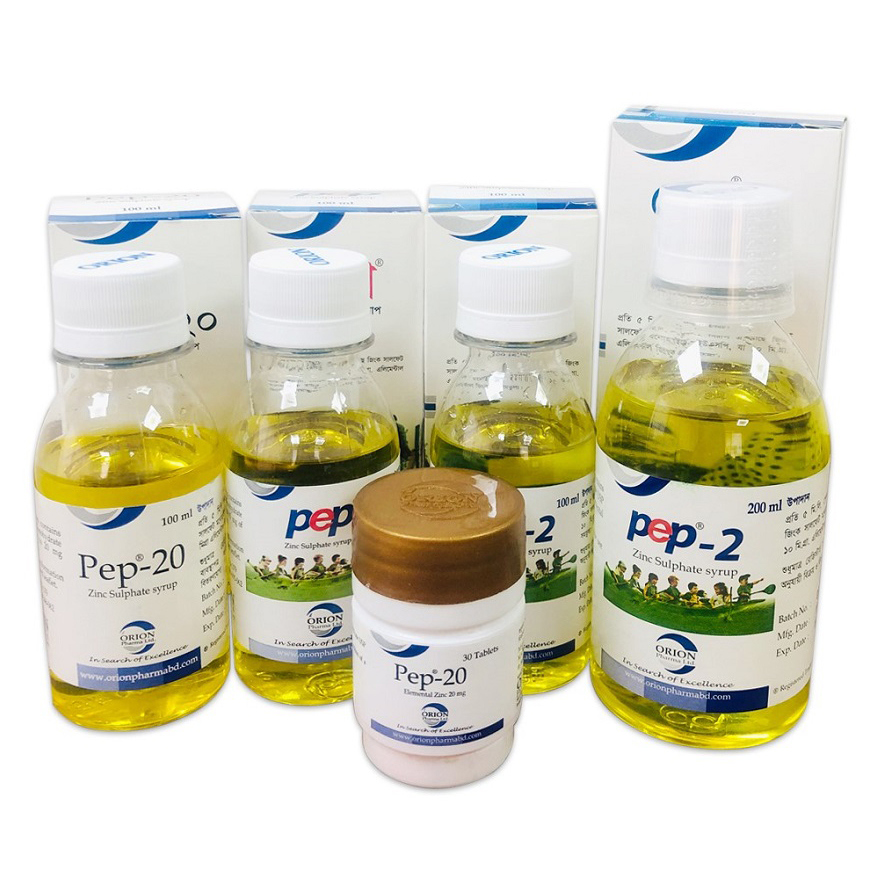
Zinc sulfate monohydrate, also known as zinc sulfate heptahydrate, is an inorganic salt used as a dietary supplement to treat zinc deficiency. It is an odorless, colorless, crystalline powder that is water soluble and easily absorbed in the intestine.

Uses

Zinc sulfate monohydrate is used to treat zinc deficiency, which may manifest in inadequate growth, poor taste sensation, and dermatological disorders. It can also be used to reduce age-related eye disease, as a skin disinfectant, and as a supplement for people with marginal zinc intake. Furthermore, zinc sulfate monohydrate is a common health supplement for people on low-calorie diets•
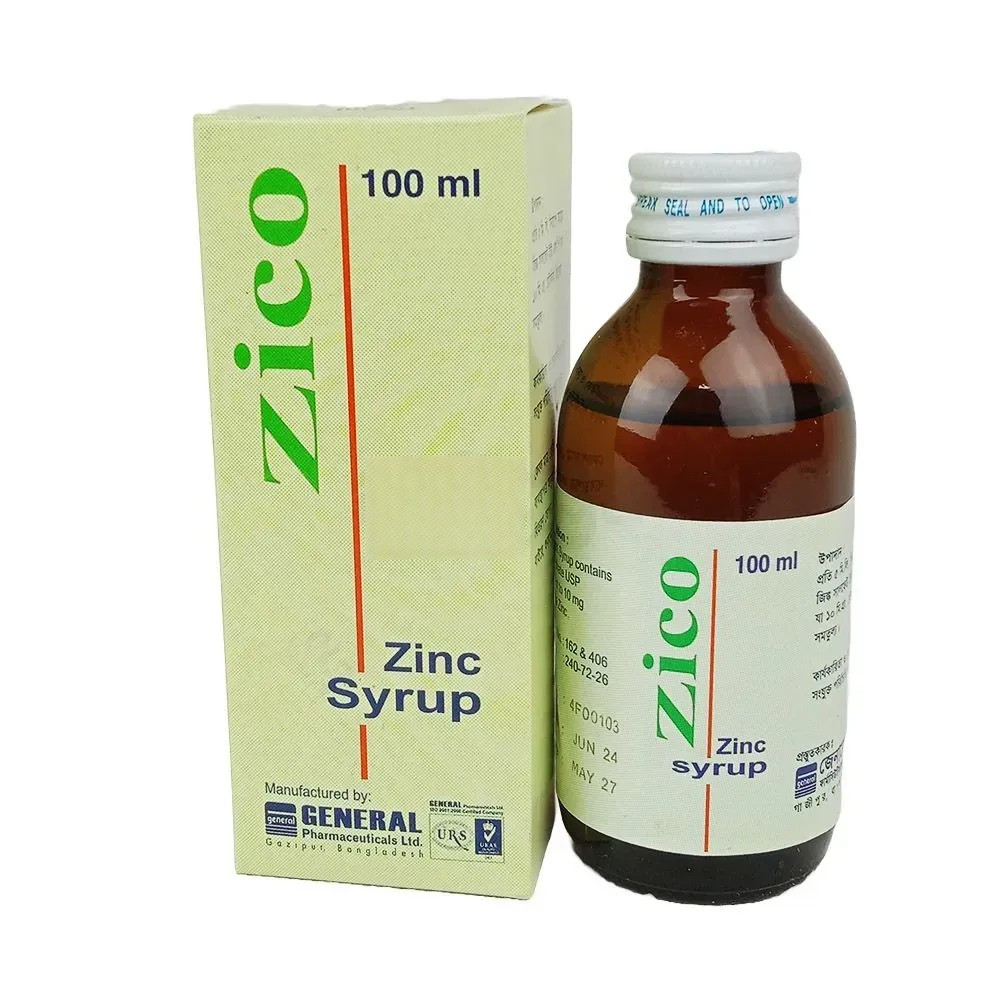
Brand Name Zifort
Type Syrup
Weight 10 mg/5 ml
Generic Zinc Sulfate Monohydrate
Manufacturer Ethical Drug Ltd.
Available in English বাংলা

Mechanism of Action

Zinc is an essential micronutrient required for various biochemical processes in the body, and zinc sulfate is one of the most easily absorbed forms. It is absorbed primarily in the jejunum of the small intestine and provides essential zinc for many hormones and enzymes necessary for proper functioning of the body.

How Long Does It Take to Work?

When taken in supplement form as part of a balanced diet, zinc sulfate monohydrate can work within a few weeks to six months, depending on the individual's overall zinc status and the severity of the deficiency.

Absorption

Zinc sulfate monohydrate is easily absorbed in the intestine due to its high solubility in water.

Route of Elimination

Zinc sulfate monohydrate is eliminated mostly in the feces through gastrointestinal absorption. Small amounts may be lost in the urine.

Dosage

Child under 10 kg: 5 ml (1 teaspoonful) 2 times daily after food.
Child between 10-30 kg: 10 ml (2 teaspoonfuls) 1-3 times daily after food.
Adults and child over 30 kg: 20 ml (4 teaspoonfuls) 1-3 times daily after food.

This drug is most effective if they are taken at least 1 hour before or 2 hour after meals. However, if causes stomach upset, this may be taken with a meal. The recommended dosage of zinc sulfate monohydrate varies from 3-24mg daily, depending on age and sex. For adults and children over the age of 4, the recommended daily allowance (RDA) is 11mg daily. For infants and children under 4 years, the RDA ranges from 3-9mg. For pregnant women, an additional 2mg of zinc sulfate monohydrate is recommended.

Administration

Zinc sulfate monohydrate can be taken orally, either alone or in combination with other vitamins and minerals. It can also be applied to the skin as an ointment or cream.

Side Effect

Common side effects of zinc sulfate monohydrate include nausea, vomiting, abdominal cramps, and diarrhea. It can also lead to increased red blood cell production and a decrease in copper levels. High doses can result in liver and kidney toxicity.

Toxicity

Zinc is required in only small amounts, and high doses are toxic. Toxicity symptoms usually become noticeable at doses of over 320mg/day. Symptoms of zinc toxicity include nausea, vomiting, abdominal pain, weakness, and difficulty breathing.

Precautions

Zinc sulfate monohydrate should be taken with caution in people with renal dysfunction, liver disease, diabetes, and peptic ulcer. Long-term use should be monitored by a healthcare professional.

Interactions

Zinc sulfate monohydrate may interact with certain medications, including tetracycline antibiotics, penicillamine, erythromycin, and cisplatin.

Disease Interactions

Zinc sulfate monohydrate may interact with certain diseases, such as high blood pressure, renal dysfunction, and peptic ulcer.

Drug Interactions

Zinc sulfate monohydrate may interact with certain drugs, including tetracycline antibiotics, penicillamine, erythromycin, and cisplatin.

Food Interactions

Zinc sulfate monohydrate may interact with some foods, such as milk, eggs, and zinc-rich foods.

Pregnancy Use

Pregnant women should take zinc sulfate monohydrate with caution, as there is not enough research to determine its safety.

Lactation Use

There is not enough data to recommend zinc sulfate monohydrate for lactating women. Speak to your healthcare provider before taking any zinc supplement.

Acute Overdose

Signs and symptoms of an acute overdose include nausea, vomiting, and abdominal pain. It is recommended to contact a healthcare professional immediately if an overdose is suspected.

Contraindication

Zinc sulfate monohydrate should be avoided in people with hypersensitivity to zinc or any component of the medication.

Use Direction

Zinc sulfate monohydrate should be taken as directed by your healthcare provider, usually one to three times daily.

Storage Condition

Zinc sulfate monohydrate should be stored at room temperature in a tightly sealed container, away from moisture, heat, and light.

Volume of Distribution

The volume of distribution of zinc sulfate monohydrate is 4.9-5.2L/kg.

Half-Life

The half-life of zinc sulfate monohydrate is between 32-37 hours.

Clearance

The clearance of zinc sulfate monohydrate is approximately 1.22-1.5ml/min/kg.

See in details version Zifort Syrup 10 mg/5 ml also Zifort Syrup 10 mg/5 ml in bangla

Some Frequently Asked Questions About Zifort Syrup 10 mg/5 ml

1. What is Zifort Syrup 10 mg/5 ml?

Zifort Syrup 10 mg/5 ml is a mineral supplement used to treat and prevent zinc deficiency in the body.

2. What is Zifort Syrup 10 mg/5 ml used for?

It is used for:

  • Treating zinc deficiency
  • Boosting the immune system
  • Supporting wound healing
  • Improving skin health
  • Preventing and treating diarrhea
  • Supporting growth and development in children

3. How does Zifort Syrup 10 mg/5 ml work in the body?

Zinc plays a crucial role in enzyme function, immune response, wound healing, and cellular growth.

4. Who needs Zifort Syrup 10 mg/5 ml supplementation?

People at risk of zinc deficiency, including:

  • Those with malabsorption disorders
  • Pregnant and breastfeeding women
  • Vegetarians and vegans
  • People with chronic diarrhea
  • Those suffering from chronic infections

5. How should I take Zifort Syrup 10 mg/5 ml?

It is usually taken orally with water, preferably on an empty stomach, but it can be taken with food if it causes stomach irritation.

6. Can I take Zifort Syrup 10 mg/5 ml daily?

Yes, but only in recommended doses. Overuse may lead to toxicity.

7. What is the recommended dosage of Zifort Syrup 10 mg/5 ml?

Typical dosages vary based on age and condition:

  • Adults: 15–50 mg per day
  • Children: 5–10 mg per day
  • Pregnant women: 11–12 mg per day

8. Can Zifort Syrup 10 mg/5 ml be taken on an empty stomach?

Yes, but if it causes stomach upset, taking it with food can help.

9. What happens if I take too much Zifort Syrup 10 mg/5 ml?

Excessive intake can cause nausea, vomiting, diarrhea, and long-term immune suppression.

10. What are the side effects of Zifort Syrup 10 mg/5 ml?

Common side effects include:

  • Nausea
  • Vomiting
  • Stomach cramps
  • Diarrhea
  • Metallic taste in the mouth

11. Can Zifort Syrup 10 mg/5 ml boost the immune system?

Yes, zinc is essential for immune function and helps fight infections.

12. Can Zifort Syrup 10 mg/5 ml help with common colds?

Studies suggest that zinc supplements can reduce the duration and severity of colds.

13. Can Zifort Syrup 10 mg/5 ml improve skin health?

Yes, it helps with acne, wound healing, and reducing inflammation.

14. Can Zifort Syrup 10 mg/5 ml prevent hair loss?

Yes, zinc deficiency can cause hair loss, and supplementation may help restore hair growth.

15. Can Zifort Syrup 10 mg/5 ml be used for wound healing?

Yes, zinc promotes cell regeneration and wound healing.

16. Can Zifort Syrup 10 mg/5 ml improve fertility?

Yes, zinc is important for sperm production and reproductive health.

17. Is Zifort Syrup 10 mg/5 ml safe for pregnant women?

Yes, in recommended doses, it supports fetal development and immune health.

18. Can children take Zifort Syrup 10 mg/5 ml?

Yes, but only under medical supervision to avoid excess intake.

19. Can Zifort Syrup 10 mg/5 ml be used for diarrhea?

Yes, it is commonly used to treat and prevent diarrhea, especially in children.

20. Can I take Zifort Syrup 10 mg/5 ml with other vitamins?

Yes, but high doses can interfere with the absorption of other minerals like copper and iron.

21. Can Zifort Syrup 10 mg/5 ml interact with medications?

Yes, it can interact with antibiotics, diuretics, and certain medications. Consult a doctor before use.

22. Can Zifort Syrup 10 mg/5 ml cause nausea?

Yes, especially when taken on an empty stomach.

23. Can Zifort Syrup 10 mg/5 ml help with eye health?

Yes, it supports vision and reduces the risk of age-related macular degeneration.

24. Does Zifort Syrup 10 mg/5 ml improve brain function?

Yes, zinc is important for memory and cognitive function.

25. Can Zifort Syrup 10 mg/5 ml help with diabetes?

Zinc plays a role in insulin regulation but should not replace diabetes medication.

26. Can Zifort Syrup 10 mg/5 ml reduce inflammation?

Yes, it has anti-inflammatory properties and supports immune health.

27. Can Zifort Syrup 10 mg/5 ml be taken at night?

Yes, but taking it with a meal may reduce stomach discomfort.

28. Does Zifort Syrup 10 mg/5 ml improve muscle growth?

Yes, it plays a role in protein synthesis and muscle repair.

29. Can Zifort Syrup 10 mg/5 ml treat acne?

Yes, it helps reduce acne by controlling oil production and inflammation.

30. Can Zifort Syrup 10 mg/5 ml cause constipation?

Rarely, but it may occur in some individuals.

31. Does Zifort Syrup 10 mg/5 ml support thyroid health?

Yes, zinc is important for thyroid hormone function.

32. Can Zifort Syrup 10 mg/5 ml help with allergies?

Yes, it may reduce histamine levels and inflammation.

33. Can Zifort Syrup 10 mg/5 ml be taken with dairy?

It is best to take it separately, as calcium in dairy can interfere with zinc absorption.

34. Can Zifort Syrup 10 mg/5 ml prevent infections?

Yes, it strengthens the immune system against bacterial and viral infections.

35. Can Zifort Syrup 10 mg/5 ml improve sleep?

Yes, zinc plays a role in melatonin production, which regulates sleep.

36. Can Zifort Syrup 10 mg/5 ml help with depression?

Yes, low zinc levels are linked to mood disorders.

37. Can Zifort Syrup 10 mg/5 ml be taken long-term?

Yes, but not in excessive amounts to avoid toxicity.

38. Can Zifort Syrup 10 mg/5 ml be used for bone health?

Yes, it supports bone formation and density.

39. Can Zifort Syrup 10 mg/5 ml be taken with vitamin D?

Yes, they complement each other in immune and bone health.

40. Can Zifort Syrup 10 mg/5 ml be given to elderly people?

Yes, but in controlled doses to prevent toxicity.

*** Taking medicines without doctor's advice can cause long-term problems.
Prof. Dr. Sahana Parvin

Prof. Dr. Sahana Parvin

Gynecology, Gynecological Cancer Specialist & Surgeon

Call Doctor
Dr. Ayesha Rahman

Dr. Ayesha Rahman

General, Colorectal & Breast Surgeon

Call Doctor
Related Medicines