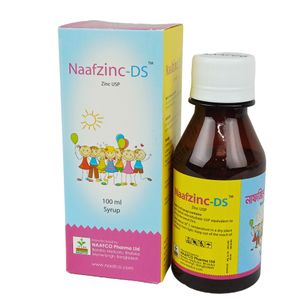
1. What is Zemin DS Syrup 20 mg/5 ml?
Zemin DS Syrup 20 mg/5 ml is a mineral supplement used to treat and prevent zinc deficiency in the body.
2. What is Zemin DS Syrup 20 mg/5 ml used for?
It is used for:
- Treating zinc deficiency
- Boosting the immune system
- Supporting wound healing
- Improving skin health
- Preventing and treating diarrhea
- Supporting growth and development in children
3. How does Zemin DS Syrup 20 mg/5 ml work in the body?
Zinc plays a crucial role in enzyme function, immune response, wound healing, and cellular growth.
4. Who needs Zemin DS Syrup 20 mg/5 ml supplementation?
People at risk of zinc deficiency, including:
- Those with malabsorption disorders
- Pregnant and breastfeeding women
- Vegetarians and vegans
- People with chronic diarrhea
- Those suffering from chronic infections
5. How should I take Zemin DS Syrup 20 mg/5 ml?
It is usually taken orally with water, preferably on an empty stomach, but it can be taken with food if it causes stomach irritation.
6. Can I take Zemin DS Syrup 20 mg/5 ml daily?
Yes, but only in recommended doses. Overuse may lead to toxicity.
7. What is the recommended dosage of Zemin DS Syrup 20 mg/5 ml?
Typical dosages vary based on age and condition:
- Adults: 15–50 mg per day
- Children: 5–10 mg per day
- Pregnant women: 11–12 mg per day
8. Can Zemin DS Syrup 20 mg/5 ml be taken on an empty stomach?
Yes, but if it causes stomach upset, taking it with food can help.
9. What happens if I take too much Zemin DS Syrup 20 mg/5 ml?
Excessive intake can cause nausea, vomiting, diarrhea, and long-term immune suppression.
10. What are the side effects of Zemin DS Syrup 20 mg/5 ml?
Common side effects include:
- Nausea
- Vomiting
- Stomach cramps
- Diarrhea
- Metallic taste in the mouth
11. Can Zemin DS Syrup 20 mg/5 ml boost the immune system?
Yes, zinc is essential for immune function and helps fight infections.
12. Can Zemin DS Syrup 20 mg/5 ml help with common colds?
Studies suggest that zinc supplements can reduce the duration and severity of colds.
13. Can Zemin DS Syrup 20 mg/5 ml improve skin health?
Yes, it helps with acne, wound healing, and reducing inflammation.
14. Can Zemin DS Syrup 20 mg/5 ml prevent hair loss?
Yes, zinc deficiency can cause hair loss, and supplementation may help restore hair growth.
15. Can Zemin DS Syrup 20 mg/5 ml be used for wound healing?
Yes, zinc promotes cell regeneration and wound healing.
16. Can Zemin DS Syrup 20 mg/5 ml improve fertility?
Yes, zinc is important for sperm production and reproductive health.
17. Is Zemin DS Syrup 20 mg/5 ml safe for pregnant women?
Yes, in recommended doses, it supports fetal development and immune health.
18. Can children take Zemin DS Syrup 20 mg/5 ml?
Yes, but only under medical supervision to avoid excess intake.
19. Can Zemin DS Syrup 20 mg/5 ml be used for diarrhea?
Yes, it is commonly used to treat and prevent diarrhea, especially in children.
20. Can I take Zemin DS Syrup 20 mg/5 ml with other vitamins?
Yes, but high doses can interfere with the absorption of other minerals like copper and iron.
21. Can Zemin DS Syrup 20 mg/5 ml interact with medications?
Yes, it can interact with antibiotics, diuretics, and certain medications. Consult a doctor before use.
22. Can Zemin DS Syrup 20 mg/5 ml cause nausea?
Yes, especially when taken on an empty stomach.
23. Can Zemin DS Syrup 20 mg/5 ml help with eye health?
Yes, it supports vision and reduces the risk of age-related macular degeneration.
24. Does Zemin DS Syrup 20 mg/5 ml improve brain function?
Yes, zinc is important for memory and cognitive function.
25. Can Zemin DS Syrup 20 mg/5 ml help with diabetes?
Zinc plays a role in insulin regulation but should not replace diabetes medication.
26. Can Zemin DS Syrup 20 mg/5 ml reduce inflammation?
Yes, it has anti-inflammatory properties and supports immune health.
27. Can Zemin DS Syrup 20 mg/5 ml be taken at night?
Yes, but taking it with a meal may reduce stomach discomfort.
28. Does Zemin DS Syrup 20 mg/5 ml improve muscle growth?
Yes, it plays a role in protein synthesis and muscle repair.
29. Can Zemin DS Syrup 20 mg/5 ml treat acne?
Yes, it helps reduce acne by controlling oil production and inflammation.
30. Can Zemin DS Syrup 20 mg/5 ml cause constipation?
Rarely, but it may occur in some individuals.
31. Does Zemin DS Syrup 20 mg/5 ml support thyroid health?
Yes, zinc is important for thyroid hormone function.
32. Can Zemin DS Syrup 20 mg/5 ml help with allergies?
Yes, it may reduce histamine levels and inflammation.
33. Can Zemin DS Syrup 20 mg/5 ml be taken with dairy?
It is best to take it separately, as calcium in dairy can interfere with zinc absorption.
34. Can Zemin DS Syrup 20 mg/5 ml prevent infections?
Yes, it strengthens the immune system against bacterial and viral infections.
35. Can Zemin DS Syrup 20 mg/5 ml improve sleep?
Yes, zinc plays a role in melatonin production, which regulates sleep.
36. Can Zemin DS Syrup 20 mg/5 ml help with depression?
Yes, low zinc levels are linked to mood disorders.
37. Can Zemin DS Syrup 20 mg/5 ml be taken long-term?
Yes, but not in excessive amounts to avoid toxicity.
38. Can Zemin DS Syrup 20 mg/5 ml be used for bone health?
Yes, it supports bone formation and density.
39. Can Zemin DS Syrup 20 mg/5 ml be taken with vitamin D?
Yes, they complement each other in immune and bone health.
40. Can Zemin DS Syrup 20 mg/5 ml be given to elderly people?
Yes, but in controlled doses to prevent toxicity.