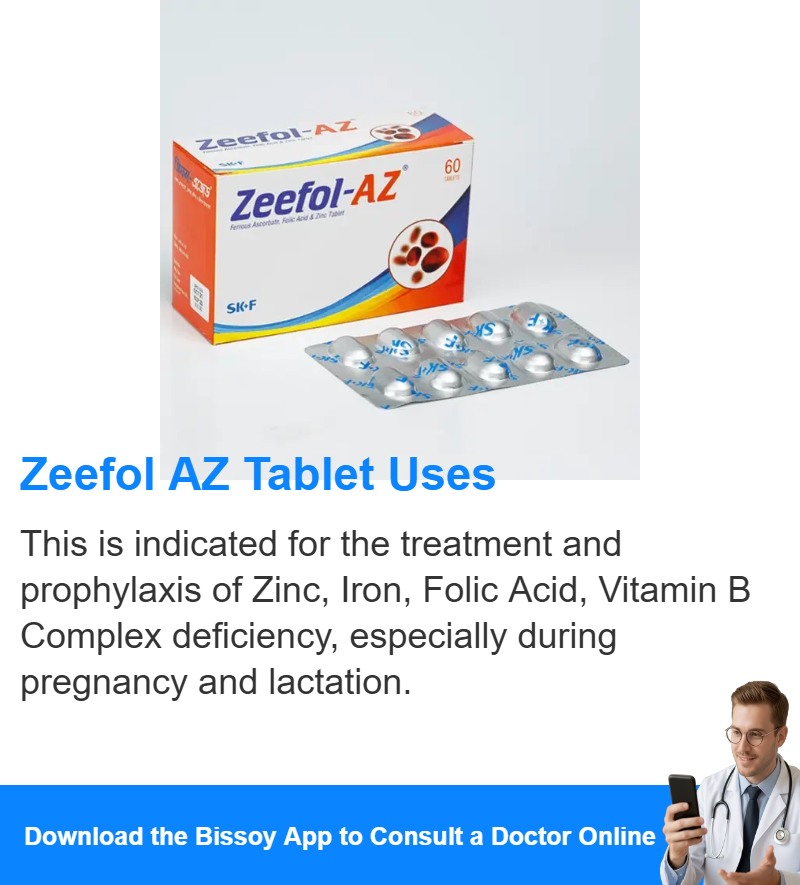
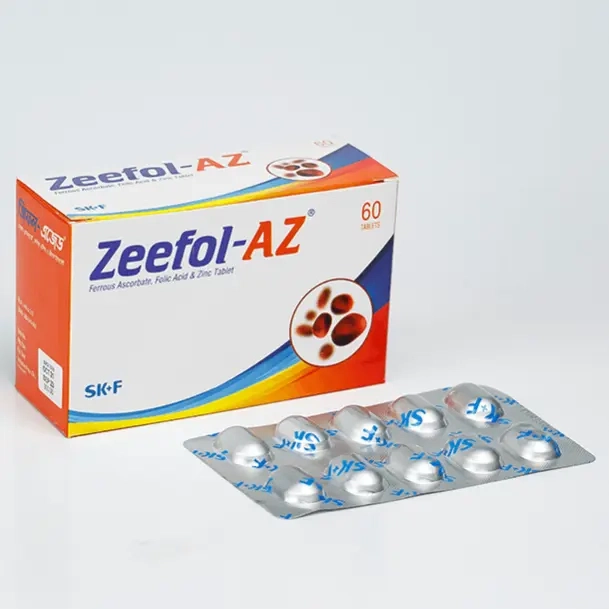
Introduction
Iron polymaltose complex, folic acid, zinc, and vitamin B-complex are combined in dietary supplements to support overall health and address deficiencies. This combination is often used to improve nutritional status, enhance energy levels, and support various bodily functions such as red blood cell production, immune function, and metabolism.
Uses
The combination of iron polymaltose complex, folic acid, zinc, and vitamin B-complex is used to:
- Treat or prevent iron deficiency anemia
- Support red blood cell production and overall blood health
- Improve cognitive function and energy levels
- Enhance immune system function
- Support metabolic processes and overall cellular health
- Address deficiencies in patients with increased nutritional needs or absorption issues
Mechanism of Action
Iron polymaltose complex provides a source of iron that is more easily absorbed and tolerated compared to other iron salts. Iron is essential for the formation of hemoglobin and myoglobin, which are critical for oxygen transport and energy production. Folic acid is crucial for DNA synthesis and repair, and it aids in the production of red blood cells. Zinc supports immune function, wound healing, and enzyme function. Vitamin B-complex, including B1 (thiamine), B2 (riboflavin), B6 (pyridoxine), B12 (cobalamin), niacin (B3), and pantothenic acid (B5), plays a role in energy production, metabolism, and the synthesis of neurotransmitters.
How Long Does It Take to Work?
The effects of iron supplementation can usually be noticed within a few weeks, with improvements in energy levels and hemoglobin levels. Folic acid, zinc, and vitamin B-complex can also show benefits within a similar timeframe, though some effects may take longer to become apparent. Full benefits might take several months of consistent use, particularly for replenishing nutrient stores and improving overall health.
Absorption
Iron polymaltose complex is absorbed in the small intestine, where it is converted into usable iron forms. Folic acid is absorbed in the upper part of the small intestine. Zinc is absorbed in the jejunum and ileum. Vitamin B-complex vitamins are absorbed throughout the gastrointestinal tract, with the specific absorption sites varying by vitamin.
Route of Elimination
Iron is primarily eliminated through the gastrointestinal tract, with a small amount excreted in the urine and feces. Folic acid is metabolized in the liver and excreted mainly in the urine. Zinc is excreted primarily through the feces, with some excretion in the urine. Vitamin B-complex vitamins are eliminated via the urine, with excess amounts being excreted rapidly.
Dosage
One capsule daily. In more severe cases, 2 capsules a day may be required or as directed by the physician.Typical dosages for adults are:
- Iron polymaltose complex: 50-100 mg of elemental iron daily, divided into 1-2 doses
- Folic acid: 400-800 mcg daily
- Zinc: 15-30 mg daily
- Vitamin B-complex: Dosages vary by vitamin, commonly ranging from 1-100 mg for each B vitamin, depending on the specific formulation
Administration
This combination is typically administered orally in the form of tablets, capsules, or liquid supplements. It is recommended to take the supplement with food to improve absorption and reduce gastrointestinal irritation. For best results, it should be taken at the same time each day. Iron supplements are best absorbed on an empty stomach but may be taken with food to reduce side effects.
Side Effects
Common side effects include:
- Gastrointestinal discomfort (e.g., nausea, constipation, diarrhea)
- Dark stools (due to iron)
- Unpleasant taste or metallic taste (with iron supplements)
- Headache
- Fatigue
Toxicity
Iron toxicity can occur with excessive intake and may lead to symptoms such as abdominal pain, vomiting, diarrhea, and, in severe cases, organ damage. Folic acid toxicity is rare but can cause gastrointestinal symptoms. Zinc toxicity can lead to nausea, vomiting, and interference with copper absorption. Vitamin B-complex vitamins are generally well-tolerated, but excessive doses of specific B vitamins (such as B6) can lead to nerve damage or neuropathy.
Precautions
Precautions should be taken in patients with:
- Chronic gastrointestinal conditions (e.g., ulcerative colitis, Crohn's disease)
- Iron overload disorders (e.g., hemochromatosis)
- Kidney disease (due to potential accumulation of zinc or other vitamins)
- Pregnancy (particularly with high doses of vitamin A or iron)
Interaction
Interactions may include:
- Antacids and calcium supplements: May reduce iron absorption.
- Certain antibiotics (e.g., tetracyclines): Iron can decrease their absorption.
- Diuretics: May affect zinc levels and increase the risk of deficiency.
- Alcohol: Can impair the absorption of B vitamins and folic acid.
Disease Interaction
Patients with the following conditions should use this combination with caution:
- Gastrointestinal disorders (e.g., peptic ulcers, inflammatory bowel disease)
- Kidney disorders
- Hematological disorders (e.g., anemia types other than iron deficiency)
Drug Interaction
Significant drug interactions include:
- Iron supplements: May interact with levodopa and certain antibiotics.
- Folic acid: May affect the efficacy of antiepileptic drugs.
- Zinc: Can interact with certain antibiotics and diuretics.
- Vitamin B-complex: High doses of B6 can interact with medications such as anticonvulsants.
Food Interactions
Iron absorption can be inhibited by high calcium intake and certain foods like dairy products and coffee. Folic acid absorption is not significantly affected by food. Zinc absorption can be reduced by high-phytate foods (e.g., whole grains, legumes). Vitamin B-complex absorption is generally not affected by food but should be taken with a meal to minimize gastrointestinal irritation.
Pregnancy Use
Iron, folic acid, and vitamin B-complex are crucial during pregnancy to support fetal development and prevent anemia. The combination is generally safe when used as directed. High doses of iron should be avoided unless prescribed, and folic acid is essential to prevent neural tube defects. Consult a healthcare provider before starting any supplement during pregnancy.
Lactation Use
The combination is generally safe during breastfeeding and can help meet increased nutritional needs. Iron, folic acid, zinc, and B vitamins are important for both maternal health and the quality of breast milk. Dosage should follow healthcare provider recommendations to avoid excessive intake.
Acute Overdose
Acute overdose can lead to symptoms such as gastrointestinal distress, vomiting, and, in severe cases, organ damage. Immediate medical attention is required. Treatment may involve discontinuation of the supplement, supportive care, and symptom management. For iron overdose, chelating agents may be used.
Contraindication
The combination is contraindicated in individuals with:
- Iron overload disorders (e.g., hemochromatosis, hemosiderosis)
- Severe liver or kidney disease
- Allergic reactions to any of the components
Use Direction
Take the supplement as directed, usually once daily or as prescribed by a healthcare provider. It is typically recommended to take it with food to reduce gastrointestinal side effects. Avoid taking other iron or vitamin supplements simultaneously unless directed by a healthcare provider.
Storage Conditions
Store the supplement at room temperature, between 15°C and 30°C, in a dry place. Protect from light and moisture. Keep out of reach of children and dispose of any unused or expired product properly.
Volume of Distribution
Iron is distributed throughout the bloodstream and stored in the liver, spleen, and bone marrow. Folic acid is distributed throughout the body and stored in the liver. Zinc is distributed in various tissues, including the liver, pancreas, and muscles. Vitamin B-complex vitamins are distributed in body tissues, with specific storage sites varying by vitamin.
Half Life
The half-life of iron in the body is not well-defined due to its constant recycling. Folic acid has a half-life of about 6-12 hours in plasma. Zinc has a half-life of approximately 2-4 days in the body, depending on dietary intake and physiological conditions. The half-life of vitamin B-complex varies by individual vitamin, with B12 having the longest half-life (several years) and other B vitamins having shorter half-lives.
Clearance
Iron is cleared through the gastrointestinal tract and minor amounts are excreted in urine and feces. Folic acid is metabolized in the liver and excreted primarily in the urine. Zinc is predominantly excreted through the feces, with some urinary excretion. Vitamin B-complex vitamins are cleared through the urine, with excess amounts being rapidly excreted.