Introduction
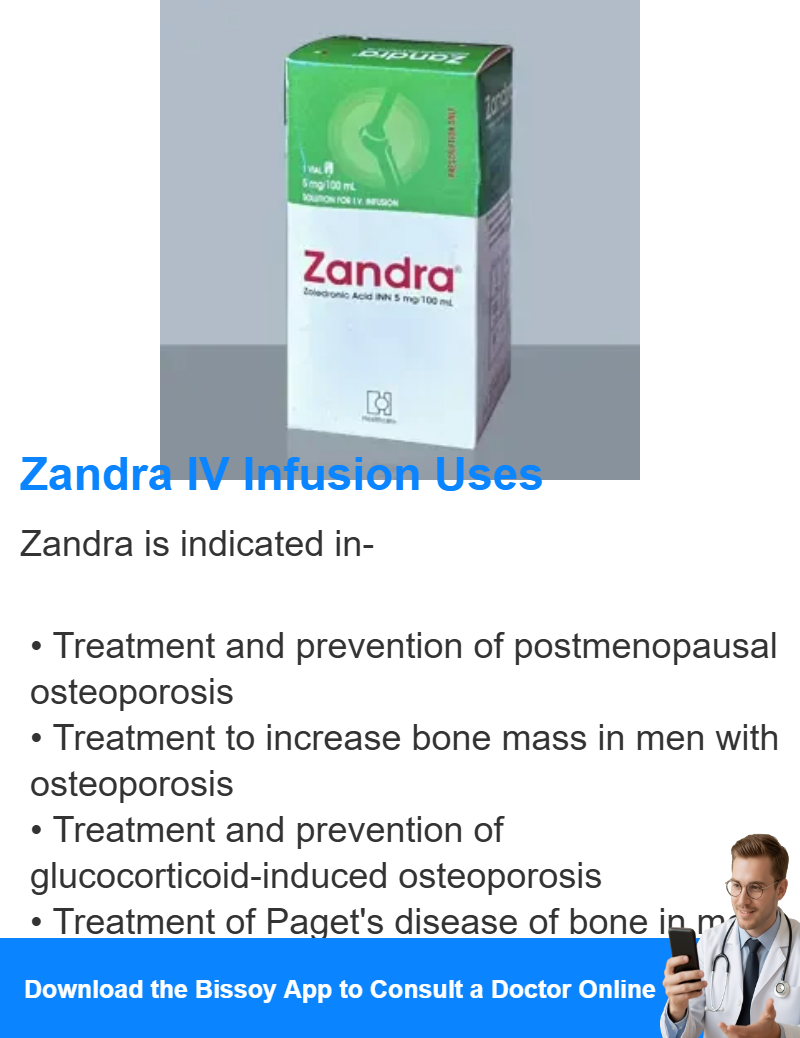
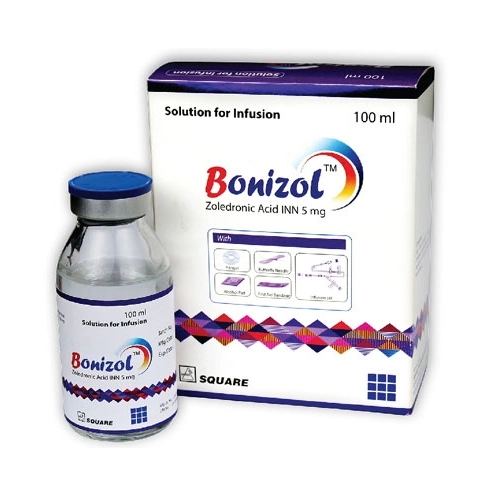
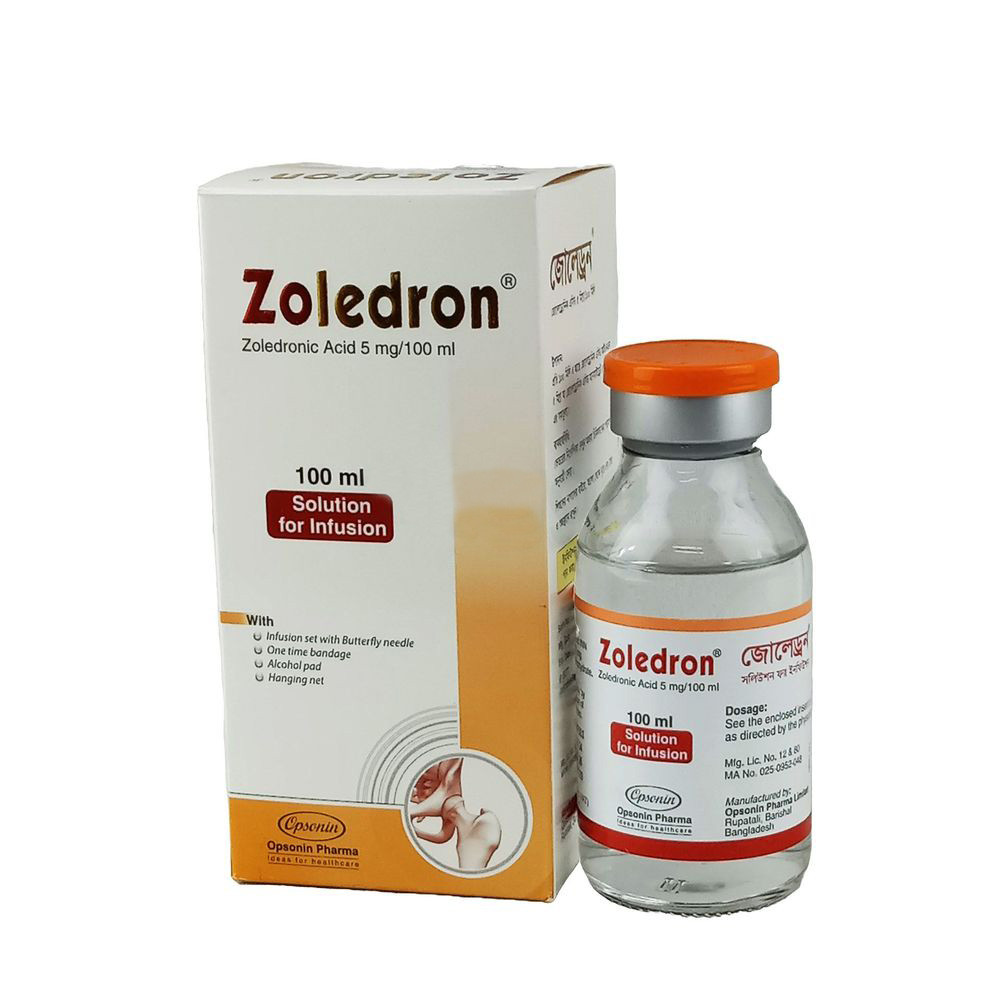
Zoledronic acid, or CGP 42'446, is a third generation, nitrogen containing bisphosphonate similar to ibandronic acid, minodronic acid, and risedronic acid. Zoledronic acid is used to treat and prevent multiple forms of osteoporosis, hypercalcemia of malignancy, multiple myeloma, bone metastases from solid tumors, and Paget’s disease of bone. Zoledronic acid was first described in the literature in 1994.
Uses
Zoledronic acid is a bisphosphonate used to treat malignancy associated hypercalcemia, multiple myeloma, and bone metastasis from solid tumors.
Zoledronic acid is indicated to treat hypercalcemia of malignancy, multiple myeloma, bone metastases from solid tumors, osteoporosis in men and postmenopausal women, glucocorticoid induced osteoporosis, and Paget's disease of bone in men and women. Zoledronic acid is also indicated for the prevention of osteoporosis in post menopausal women and glucocorticoid induced osteoporosis.
Associated Conditions
Pharmacodynamics
Zoledronic acid is a third generation, nitrogen containing bisphosphonate that inhibits osteoclast function and prevents bone resorption. The therapeutic window is wide as patients are unlikely to suffer severe effects from overdoses and the duration of action is long. Patients should be counselled regarding the risk of electrolyte deficiencies, renal impairment, osteonecrosis of the jaw, atypical femoral fractures, bronchoconstriction, hepatic impairment, hypocalcemia, and embryo-fetal toxicity.
Mechanism of Action
Bisphosphonates are taken into the bone where they bind to hydroxyapatite. Bone resorption by osteoclasts causes local acidification, releasing the bisphosphonate, which is taken into the osteoclast by fluid-phase endocytosis. Endocytic vesicles become acidified, releasing bisphosphonates into the cytosol of osteoclasts where they act.
Osteoclasts mediate resorption of bone. When osteoclasts bind to bone they form podosomes, ring structures of F-actin. Etidronic acid also inhibits V-ATPases in the osteoclast, though the exact subunits are unknown, preventing F-actin from forming podosomes. Disruption of the podosomes causes osteoclasts to detach from bones, preventing bone resorption.
Nitrogen containing bisphosphonates such as zoledronate are known to induce apoptosis of hematopoietic tumor cells by inhibiting the components of the mevalonate pathway farnesyl diphosphate synthase, farnesyl diphosphate, and geranylgeranyl diphosphate. These components are essential for post-translational prenylation of GTP-binding proteins like Rap1. The lack of prenylation of these proteins interferes with their function, and in the case of Rap1, leads to apoptosis. zoledronate also activated caspases which further contribute to apoptosis.
Absorption
A 4mg intravenous dose reaches a Cmax of 370±78.5ng/mL, with a Tmax of 0.317±0.014h, and an AUC of 788±181ng*h/mL. A 5mg intravenous dose reaches a Cmax of 471±76.1ng/mL, with a Tmax of 0.368±0.005h, and an AUC of 917±226ng*h/mL.
Protein Binding
Zoledronic acid is 23-53% protein bound in plasma.
Route of Elimination
Zoledronic acid is 39 ± 16% eliminated in the urine as the unmetabolized parent drug.
Half Life
Zoledronic acid has a terminal elimination half life of 146 hours.
Clearance
Zoledronic acid has a renal clearance of 3.7 ± 2.0 L/h.
Toxicity
Patients experiencing an overdose may present with renal impairment, hypocalcemia, hypophosphatemia, and hypomagnesemia. Overdose should be managed through intravenous administration of the insufficient ions.
Food Interactions
No interactions found.
Dosage
Prevention of Osteoporosis in Postmenopausal Women: The recommended regimen is a 5 mg infusion given once every 2 years intravenously over no less than 15 minutes.
Osteoporosis in Men: The recommended regimen is a 5 mg infusion once a year given intravenously over no less than 15 minutes.
Treatment and Prevention of Glucocorticoid-Induced Osteoporosis: The recommended regimen is a 5 mg infusion once a year given intravenously over no less than 15 minutes.
Treatment of Paget’s Disease of Bone: The recommended dose is a 5 mg infusion. The infusion time must not be less than 15 minutes given over a constant infusion rate.
Re-treatment of Paget’s Disease: Re-treatment with Zoledronic Acid may be considered in patients who have relapsed, based on increases in serum alkaline phosphatase, or in those patients who failed to achieve normalization of their serum alkaline phosphatase, or in those patients with symptoms, as dictated by medical practice.
Calcium and Vitamin D Supplementation: Instruct patients being treated for Paget’s disease of bone on the importance of calcium and vitamin D supplementation in maintaining serum calcium levels, and on the symptoms of hypocalcemia. All patients should take 1500 mg elemental calcium daily in divided doses (750 mg two times a day, or 500 mg three times a day) and 800 international units vitamin D daily, particularly in the 2 weeks following Zoledronic Acid administration.
Instruct patients being treated for osteoporosis to take supplemental calcium and vitamin D if their dietary intake is inadequate. An average of at least 1200 mg calcium and 800-1000 international units vitamin D daily is recommended.