Introduction
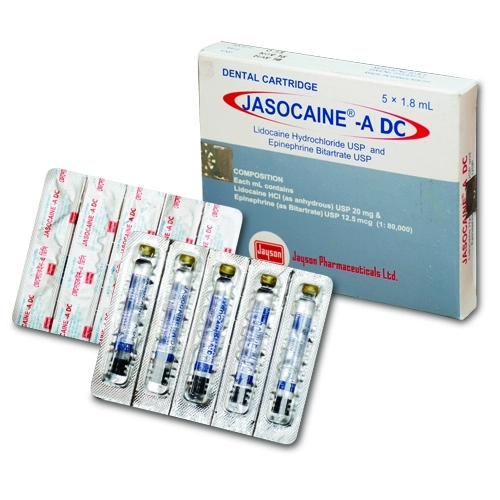
Z-Lidocaine Plus Injection 2%+0.00125% is a combination medication used primarily in local anesthesia and as a vasoconstrictor to prolong the effects of lidocaine. Lidocaine is a local anesthetic, while epinephrine is a sympathomimetic agent that constricts blood vessels. This combination helps to provide effective pain relief during minor surgical and dental procedures.
Uses
The combination of lidocaine and epinephrine is used for:
- Local anesthesia in minor surgical, dental, and diagnostic procedures to provide pain relief.
- Prolonging the duration of anesthesia by reducing blood flow in the area, which helps to keep the local anesthetic localized.
Mechanism of Action
Lidocaine works by blocking sodium channels in the nerve cells, which prevents the propagation of nerve impulses and thereby blocks sensation in the area where it is applied. Epinephrine, on the other hand, acts as a vasoconstrictor by stimulating alpha-adrenergic receptors, which causes blood vessels to constrict. This reduces blood flow, thereby prolonging the effect of lidocaine and decreasing the potential for bleeding at the site of injection.
How Long Does It Take to Work?
Lidocaine typically begins to take effect within 2 to 5 minutes after administration. The addition of epinephrine can extend the duration of anesthesia by slowing the absorption of lidocaine into the bloodstream. The onset and duration of effect can vary based on the procedure and the specific formulation used.
Absorption
Lidocaine is absorbed into the systemic circulation from the site of injection. The presence of epinephrine reduces the rate of absorption by causing local vasoconstriction. This helps to keep lidocaine localized and effective at the site of administration while reducing systemic side effects.
Route of Elimination
Lidocaine is primarily metabolized in the liver by cytochrome P450 enzymes and excreted in the urine. Epinephrine is metabolized by monoamine oxidase (MAO) and catechol-O-methyltransferase (COMT) in the liver and also excreted in the urine. Both components are eliminated from the body through renal excretion.
Dosage
Adult: For normal healthy adults, the amount of lidocaine HCl administered should be kept below 500 mg, and in any case, should not exceed 7 mg/kg (3.2 mg/lb) of body weight.Pediatric: Dosages in pediatric population should be reduced, commensurate with age, body weight and physical condition. It is difficult to recommend a maximum dose of any drug for pediatric patients since this varies as a function of age and weight. For pediatric patients of less than ten years who have a normal lean body mass and normal body development, the maximum dose may be determined by the application of one of the standard pediatric drug formulas (e.g., Clark's rule). For example, in pediatric patients of five years weighing 50 Ibs, the dose of lidocaine hydrochloride should not exceed 75-100mg when calculated according to Clark's rule. In any case, the maximum dose of lidocaine hydrochloride should not exceed 7 mg/kg (3.2 mg/lb) of body weight.
The dosage of lidocaine + epinephrine depends on the procedure, the area of application, and the patient's condition. Typical dosages for local anesthesia include:
- Lidocaine: 1% or 2% solution, with doses ranging from 5 to 20 mL depending on the procedure.
- Epinephrine: 1:100,000 or 1:200,000 concentration, usually added to the lidocaine solution in small amounts (e.g., 0.1 to 0.2 mL per 10 mL of lidocaine).
Administration
Lidocaine + epinephrine is administered via local injection at the site of the procedure. The injection can be performed using a syringe and needle or other appropriate delivery systems depending on the procedure. The injection should be administered slowly and carefully to avoid complications and ensure effective anesthesia.
Side Effects
Common side effects include:
- Local reactions such as redness, swelling, or pain at the injection site.
- Systemic reactions such as dizziness, headache, or nausea.
- Tachycardia or palpitations due to the epinephrine component.
Toxicity
Toxicity from lidocaine can result in symptoms such as:
- Seizures or convulsions.
- Cardiac arrhythmias or cardiac arrest.
- Severe CNS depression leading to drowsiness or loss of consciousness.
- Severe hypertension or hypertensive crisis.
- Arrhythmias or tachycardia.
Precautions
Precautions include:
- Monitoring for signs of systemic toxicity or allergic reactions.
- Adjusting dosage in patients with liver or kidney impairment, as metabolism and excretion may be affected.
- Avoiding use in areas with significant vascularity or in patients with cardiovascular disease unless carefully monitored.
Interaction
Lidocaine + epinephrine may interact with:
- Other medications that affect cardiovascular function, such as antihypertensives or antiarrhythmics.
- Drugs that alter liver function or metabolism, which could affect the clearance of lidocaine.
Disease Interaction
Caution should be exercised in patients with:
- Cardiovascular disease, due to the risk of systemic effects from epinephrine.
- Liver or renal impairment, which could affect drug metabolism and clearance.
Drug Interaction
Potential drug interactions include:
- Antiarrhythmic agents, which could enhance the effects of lidocaine or lead to additive toxicity.
- Beta-blockers or other medications that may alter the cardiovascular response to epinephrine.
Food Interactions
There are no specific food interactions with lidocaine + epinephrine. However, maintaining a balanced diet and avoiding excessive caffeine or alcohol may help support overall health and minimize potential side effects.
Pregnancy Use
Lidocaine + epinephrine is generally used with caution during pregnancy. Lidocaine is classified as a Category B drug, meaning it is considered relatively safe during pregnancy but should be used only when necessary. Epinephrine's use during pregnancy should be carefully considered due to potential effects on maternal and fetal cardiovascular function. Consult with a healthcare provider before use.
Lactation Use
Lidocaine and epinephrine are both excreted in breast milk in small amounts. While the risk to a nursing infant is considered low, caution is advised. Consult a healthcare provider for guidance on the use of this combination during lactation and to discuss any potential risks.
Acute Overdose
Acute overdose of lidocaine can result in severe toxicity, including seizures, respiratory depression, and cardiac arrhythmias. Acute overdose of epinephrine can lead to severe hypertension, tachycardia, or arrhythmias. Immediate medical attention is required for any signs of overdose, and treatment will focus on supportive care and managing symptoms.
Contraindication
Lidocaine + epinephrine should be avoided in patients with:
- Known hypersensitivity to lidocaine, epinephrine, or any other component of the formulation.
- Severe cardiovascular disease or uncontrolled hypertension where epinephrine could exacerbate the condition.
Use Direction
Follow the prescribed dosage and administration instructions provided by your healthcare provider. The medication should be administered by a trained professional using proper techniques to ensure effectiveness and minimize risks. Report any side effects or concerns promptly.
Storage Conditions
Store Z-Lidocaine Plus Injection 2%+0.00125% vials at room temperature, away from light and moisture. Do not freeze. Keep the medication in its original packaging until use, and discard any unused portions according to local regulations.
Volume of Distribution
The volume of distribution for lidocaine is approximately 70-100 L in the body, indicating extensive distribution into tissues. Epinephrine's volume of distribution is less well-defined but also reflects distribution into tissues after systemic absorption.
Half Life
The half-life of lidocaine is approximately 1.5 to 2 hours, while epinephrine has a much shorter half-life of about 2 to 3 minutes due to rapid metabolism and clearance from the body.
Clearance
Lidocaine is primarily cleared by hepatic metabolism with a clearance rate of approximately 0.5 to 1 L/min. Epinephrine is cleared rapidly by the liver and kidneys, with a clearance rate reflecting its short half-life and rapid metabolism.