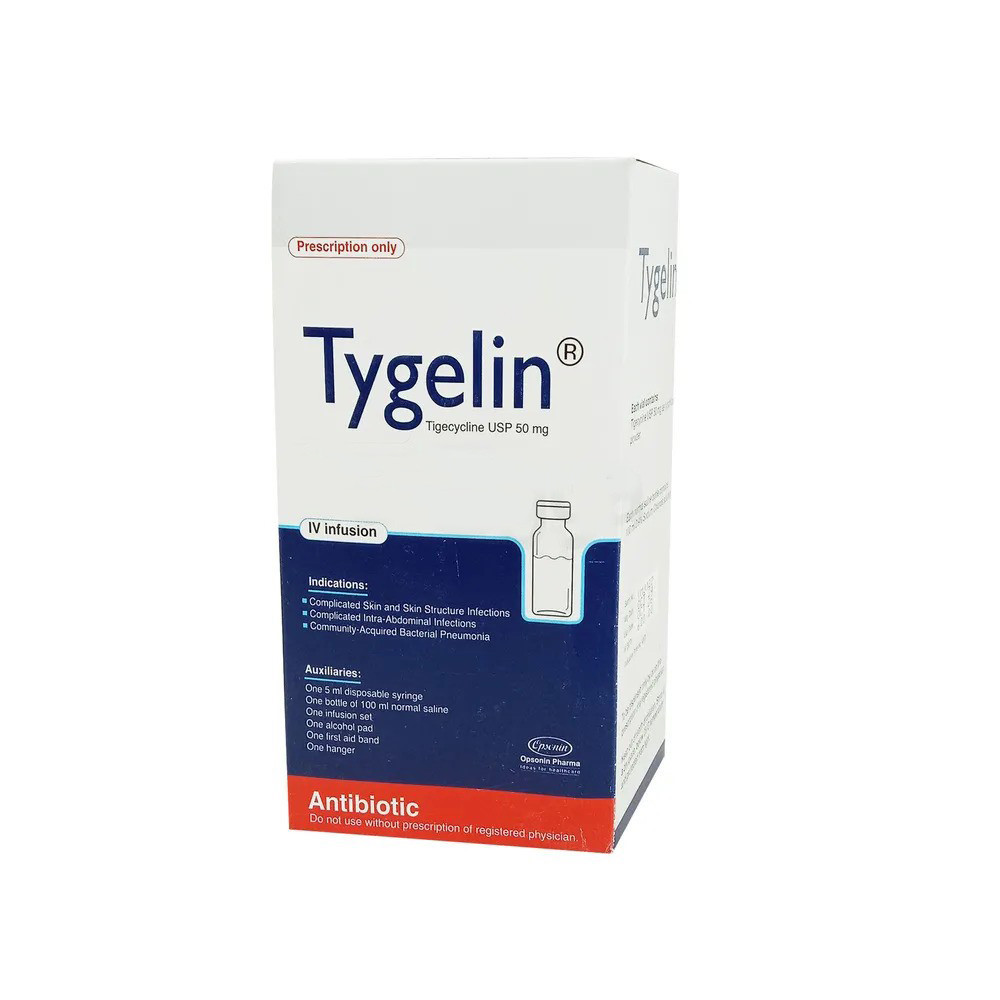
Introduction
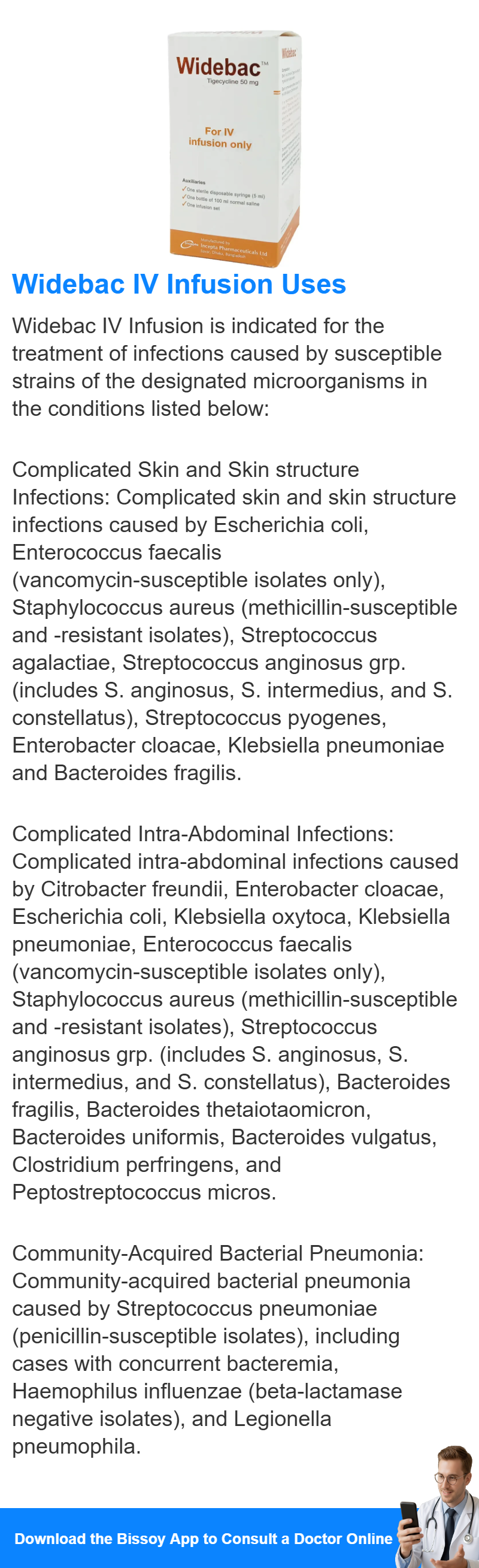
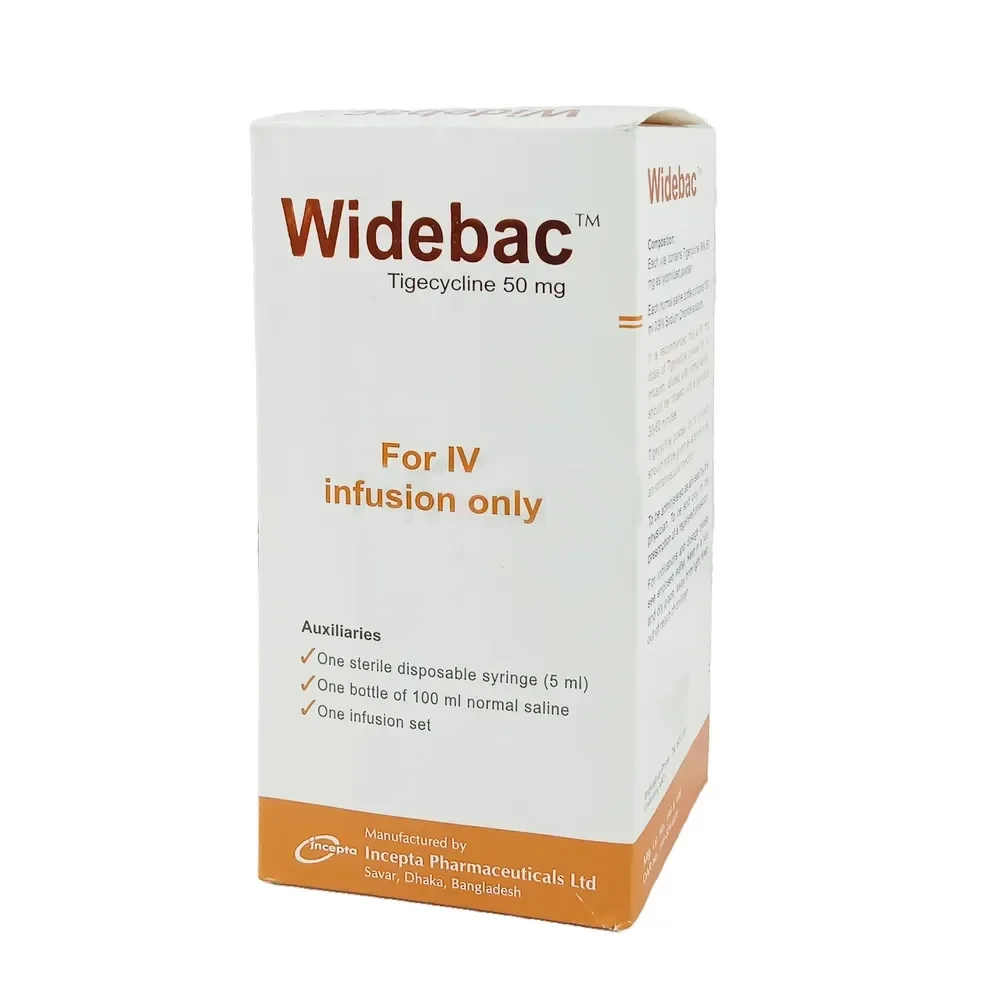
Widebac IV Infusion 50 mg/vial is a glycylcycline antibiotic. It was developed in response to the growing prevalence of antibiotic resistance in bacteria such as Staphylococcus aureus.
Uses
Widebac IV Infusion 50 mg/vial is a glycylcycline antibiotic used to treat a number of susceptible bacterial infections.
For the treatment of infections caused by susceptible strains of the designated microorganisms in the following conditions: Complicated skin and skin structure infections caused by Escherichia coli, Enterococcus faecalis (vancomycin-susceptible isolates only), Staphylococcus aureus (methicillin-susceptible and -resistant isolates), Streptococcus agalactiae, Streptococcus anginosus grp. (includes S. anginosus, S. intermedius, and S. constellatus), Streptococcus pyogenes and Bacteroides fragilis. Complicated intra-abdominal infections caused by Citrobacter freundii, Enterobacter cloacae, Escherichia coli, Klebsiella oxytoca, Klebsiella pneumoniae, Enterococcus faecalis (vancomycin-susceptible isolates only), Staphylococcus aureus (methicillin-susceptible isolates only), Streptococcus anginosus grp. (includes S. anginosus, S. intermedius, and S. constellatus), Bacteroides fragilis, Bacteroides thetaiotaomicron, Bacteroides uniformis, Bacteroides vulgatus, Clostridium perfringens, and Peptostreptococcus micros.
Associated Conditions
Pharmacodynamics
Widebac IV Infusion 50 mg/vial is the first clinically-available drug in a new class of antibiotics called the glycylcyclines. Glycylcyclines are a new class of antibiotics derived from tetracycline. These tetracycline analogues are specifically designed to overcome two common mechanisms of tetracycline resistance, namely resistance mediated by acquired efflux pumps and/or ribosomal protection. Glycylcycline antibiotics have a similar mechanism of action as tetracycline antibiotics. Both classes of antibiotics bind to the 30S ribosomal subunit to prevent the amino-acyl tRNA from binding to the A site of the ribosome. However, the glycylcyclines appear to bind more effectively than the tetracyclines.
Mechanism of Action
Widebac IV Infusion 50 mg/vial, a glycylcycline, inhibits protein translation in bacteria by binding to the 30S ribosomal subunit and blocking entry of amino-acyl tRNA molecules into the A site of the ribosome. This prevents incorporation of amino acid residues into elongating peptide chains. Widebac IV Infusion 50 mg/vial carries a glycylamido moiety attached to the 9-position of minocycline. The substitution pattern is not present in any naturally occurring or semisynthetic tetracycline and imparts certain microbiologic properties to tigecycline. Widebac IV Infusion 50 mg/vial is not affected by the two major tetracycline resistance mechanisms, ribosomal protection and efflux. Accordingly, tigecycline has demonstrated in vitro and in vivo activity against a broad spectrum of bacterial pathogens. There has been no cross resistance observed between tigecycline and other antibiotics. Widebac IV Infusion 50 mg/vial is not affected by resistance mechanisms such as beta-lactamases (including extended spectrum beta-lactamases), target site modifications, macrolide efflux pumps or enzyme target changes (e.g. gyrase/topoisomerase). In vitro studies have not demonstrated antagonism between tigecycline and other commonly used antibacterial drugs. In general, tigecycline is considered bacteriostatic.
Protein Binding
71% to 89%
Half Life
27-43 hours
Toxicity
Since glycylcyclines are similar to tetracyclines, they share many of the same side effects and contraindications as tetracyclines. These side effects may include nausea/vomiting, headache, photosensitivity, discoloration of growing teeth, and fetal damage.
Food Interactions
No interactions found.
Dosage
Adults: The recommended dosage regimen for Widebac IV Infusion 50 mg/vial is an initial dose of 100 mg, followed by 50 mg every 12 hours. Intravenous (IV) infusions of Widebac IV Infusion 50 mg/vial should be administered over approximately 30 to 60 minutes every 12 hours.
Pediatric use: Safety and effectiveness in pediatric patients below the age of 18 years have not been established.
Geriatric use: No unexpected overall differences in safety or effectiveness were observed between these subjects and younger subjects.