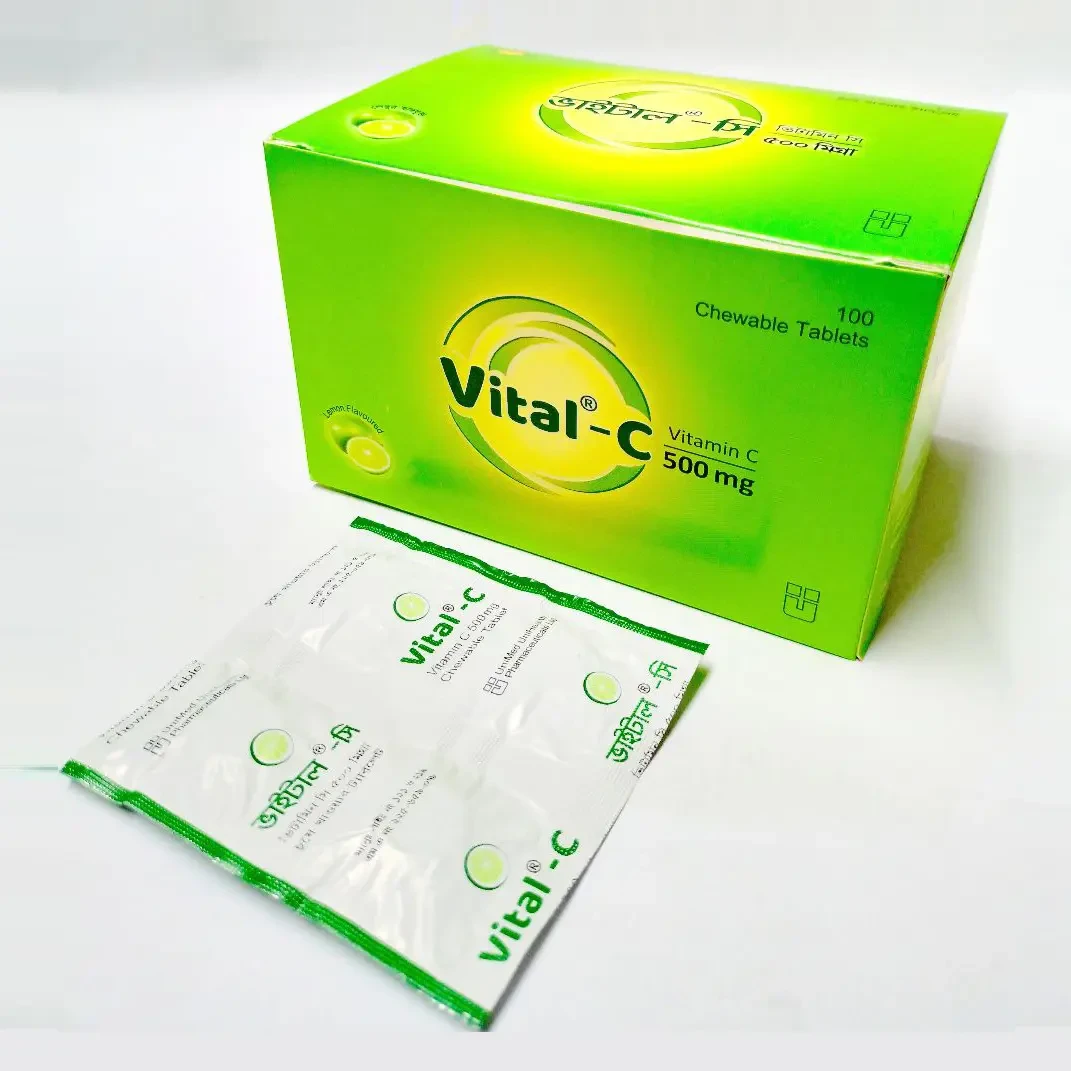
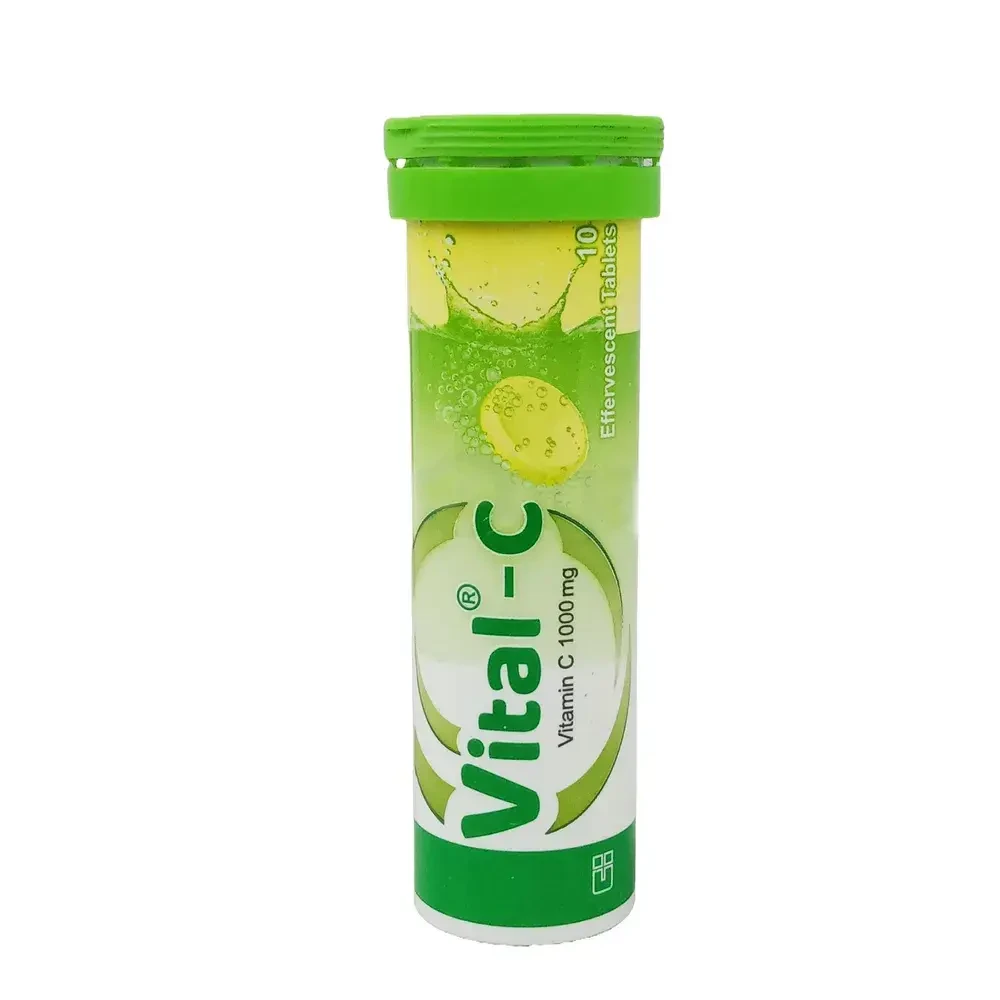
Introduction
A six carbon compound related to glucose. It is found naturally in citrus fruits and many vegetables. Ascorbic acid is an essential nutrient in human diets, and necessary to maintain connective tissue and bone. Its biologically active form, vitamin C, functions as a reducing agent and coenzyme in several metabolic pathways. Vitamin C is considered an antioxidant.
Uses
Vitamin C is a vitamin used to correct vitamin C deficiency and to increase the intestinal absorption of iron.
Used to treat vitamin C deficiency, scurvy, delayed wound and bone healing, urine acidification, and in general as an antioxidant. It has also been suggested to be an effective antiviral agent.
Associated Conditions
Pharmacodynamics
Ascorbic Acid (vitamin C) is a water-soluble vitamin indicated for the prevention and treatment of scurvy, as ascorbic acid deficiency results in scurvy. Collagenous structures are primarily affected, and lesions develop in bones and blood vessels. Administration of ascorbic acid completely reverses the symptoms of ascorbic acid deficiency.
Mechanism of Action
In humans, an exogenous source of ascorbic acid is required for collagen formation and tissue repair by acting as a cofactor in the posttranslational formation of 4-hydroxyproline in -Xaa-Pro-Gly- sequences in collagens and other proteins. Ascorbic acid is reversibly oxidized to dehydroascorbic acid in the body. These two forms of the vitamin are believed to be important in oxidation-reduction reactions. The vitamin is involved in tyrosine metabolism, conversion of folic acid to folinic acid, carbohydrate metabolism, synthesis of lipids and proteins, iron metabolism, resistance to infections, and cellular respiration.
Absorption
70% to 90%
Protein Binding
25%
Half Life
16 days (3.4 hours in people who have excess levels of vitamin C)
Food Interactions
- Avoid multivalent ions. Do not infuse with elemental compounds that can be reduced, such as copper.
Dosage
- For the prevention of scurvy: 1 tablet daily
- For the treatment of scurvy: 1-2 tablets daily; but dose may be increased depending on the severity of the condition.
- For the reduction of risk of stroke in the elderly: 1-2 tablets daily.
- In other cases: 1 tablet daily or as directed by the physician.
- Maximum safe dose is 2000 mg daily in divided doses.
Parenteral administration:
- Vitamin C is usually administered orally. When oral administration is not feasible or when malabsorption is suspected, the drug may be administered IM, IV, or subcutaneously. When given parenterally, utilization of the vitamin reportedly is best after IM administration and that is the preferred parenteral route.
- For intravenous injection, dilution into a large volume parenteral such as Normal Saline, Water for Injection, or Glucose is recommended to minimize the adverse reactions associated with intravenous injection.
- The average protective dose of vitamin C for adults is 70 to 150 mg daily. In the presence of scurvy, doses of 300 mg to 1 g daily are recommended. However, as much as 6 g has been administered parenterally to normal adults without evidence of toxicity.
- To enhance wound healing, doses of 300 to 500 mg daily for a week or ten days both preoperatively and postoperatively are generally considered adequate, although considerably larger amounts have been recommended. In the treatment of burns, doses are governed by the extent of tissue injury. For severe burns, daily doses of 1 to 2 g are recommended. In other conditions in which the need for vitamin C is increased, three to five times the daily optimum allowances appear to be adequate.
- Parenteral drug products should be inspected visually for particulate matter and discoloration prior to administration, whenever the solution and container permit.