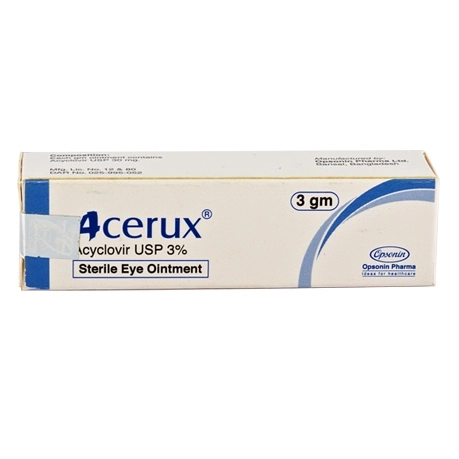
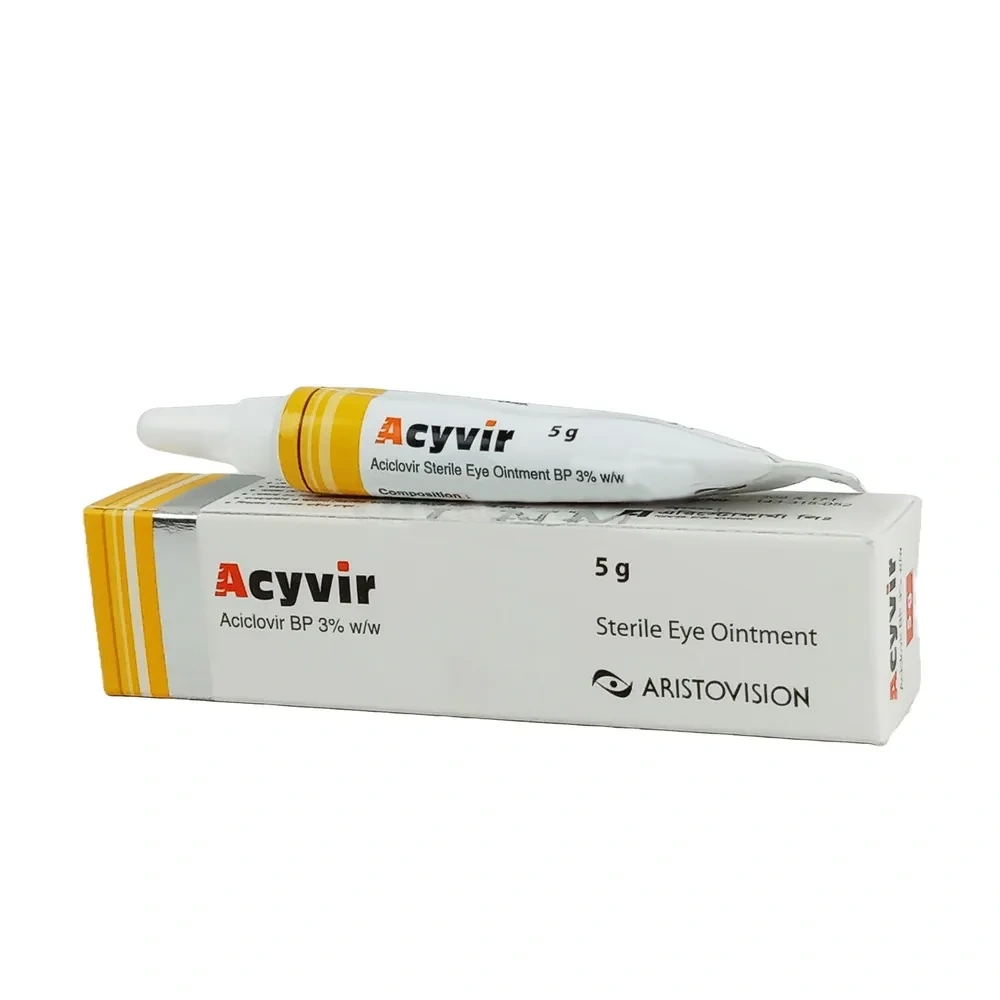
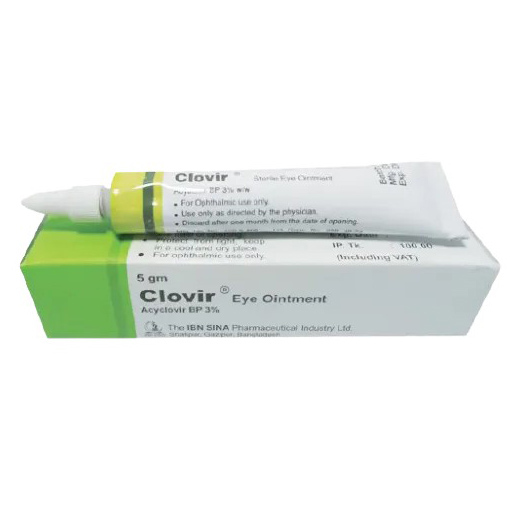
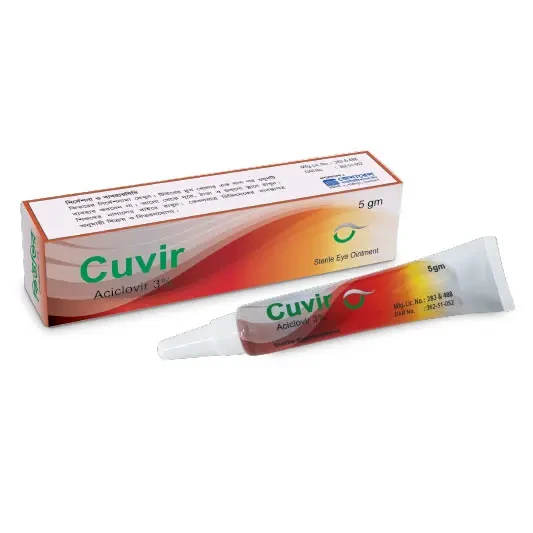
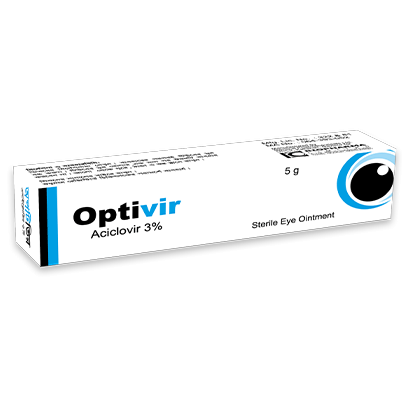
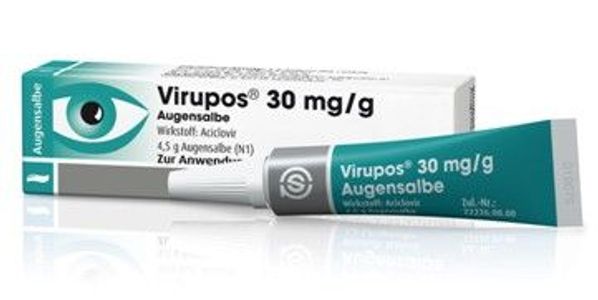
1. What is Virine Ophthalmic Ointment 3%?
Virine Ophthalmic Ointment 3% is an antiviral medication used to treat infections caused by herpes viruses, including herpes simplex virus (HSV-1 and HSV-2), varicella-zoster virus (VZV), and, to a lesser extent, Epstein-Barr virus (EBV). It reduces the severity and duration of outbreaks but does not cure the infection. It’s available as tablets, capsules, topical cream, ointment, or intravenous (IV) injection under brand names like Zovirax or as a generic.
2. What class of drug is Virine Ophthalmic Ointment 3%?
Virine Ophthalmic Ointment 3% belongs to the class of antiviral drugs known as nucleoside analogues. It mimics a building block of viral DNA, interfering with viral replication by inhibiting DNA polymerase, thus halting the virus’s ability to multiply.
3. How does Virine Ophthalmic Ointment 3% work?
Virine Ophthalmic Ointment 3% is activated by a viral enzyme (thymidine kinase) inside infected cells, converting it into acyclovir triphosphate. This form:
- Inhibits viral DNA polymerase: Blocks DNA replication.
- Terminates DNA chain growth: Stops the virus from spreading.
It targets infected cells selectively, minimizing effects on healthy cells.
4. What conditions does Virine Ophthalmic Ointment 3% treat?
It is used for:
- Genital herpes: Initial and recurrent HSV-2 infections.
- Cold sores: HSV-1 outbreaks on lips or face.
- Shingles: VZV reactivation causing painful rash.
- Chickenpox: VZV infection in children or adults.
- Herpes encephalitis: Severe brain infection (IV form).
5. Is Virine Ophthalmic Ointment 3% used for anything other than herpes viruses?
Off-label, it may be used for cytomegalovirus (CMV) prevention in immunocompromised patients or for mononucleosis (EBV), though its efficacy is limited for these. Its primary role is herpes virus management.
6. How is Virine Ophthalmic Ointment 3% taken?
It’s administered as:
- Oral: Tablets/capsules (200 mg, 400 mg, 800 mg) or suspension, taken 2–5 times daily.
- Topical: Cream or ointment applied to affected areas.
- IV: Injected in hospitals for severe cases.
Oral forms can be taken with or without food.
7. What is the typical dosage for adults?
Dosage varies:
- Genital herpes (initial): 200 mg every 4 hours (5 times daily) for 10 days.
- Recurrent herpes: 400 mg 3 times daily for 5 days.
- Shingles: 800 mg every 4 hours (5 times daily) for 7–10 days.
- Suppression: 400 mg twice daily long-term.
IV doses depend on weight and severity.
8. What is the dosage for children?
For children:
- Chickenpox: 20 mg/kg (up to 800 mg) 4 times daily for 5 days (ages 2+).
- Herpes: Adjusted by weight, often 10–20 mg/kg per dose.
A doctor calculates based on age and condition.
9. Can Virine Ophthalmic Ointment 3% be taken with food?
Yes, it can be taken with or without food. Food may reduce mild stomach upset but slightly delays absorption, though this doesn’t affect overall efficacy.
10. What should I do if I miss a dose?
Take the missed dose as soon as you remember unless it’s nearly time for the next dose. Skip it if it’s close, and don’t double up, as this could increase side effects like nausea or kidney strain.
11. How quickly does Virine Ophthalmic Ointment 3% work?
It starts inhibiting viral replication within hours, with symptom relief (e.g., reduced pain or lesion size) often noticeable within 1–2 days. Full benefits require completing the course, typically 5–10 days.
12. What are the common side effects?
Common side effects include:
- Nausea: Mild stomach discomfort.
- Headache: Temporary and mild.
- Diarrhea: Occasional loose stools.
- Fatigue: General tiredness.
Topical use may cause skin irritation.
13. What are the serious side effects?
Rare but serious side effects include:
- Kidney damage: Reduced urine output or pain (high doses, dehydration).
- Neurological effects: Confusion, tremors (rare, often IV).
- Allergic reactions: Rash, swelling, or breathing issues.
- Blood disorders: Bruising or anemia (very rare).
Seek help if these occur.
14. Why does Virine Ophthalmic Ointment 3% cause kidney issues?
It can crystallize in the kidneys if not cleared properly, especially with high doses, poor hydration, or pre-existing kidney problems. Drinking plenty of water reduces this risk.
15. Can Virine Ophthalmic Ointment 3% cause allergic reactions?
Yes, though rare, it can cause rash, itching, or anaphylaxis in sensitive individuals. Stop use and seek medical attention if severe symptoms appear.
16. Who should not take Virine Ophthalmic Ointment 3%?
It’s contraindicated for:
- Allergy to Virine Ophthalmic Ointment 3%: Or related drugs (e.g., valacyclovir).
- Severe kidney failure: Without dose adjustment.
Caution is needed in dehydration or neurological conditions.
17. Is Virine Ophthalmic Ointment 3% safe during pregnancy?
It’s Category B—no evidence of fetal harm in animal studies, and it’s often used for severe herpes in pregnancy (e.g., genital outbreaks near delivery). Benefits must outweigh risks; consult a doctor.
18. Can I take Virine Ophthalmic Ointment 3% while breastfeeding?
Yes, it passes into breast milk in small amounts but is generally safe. Monitor the infant for rash or diarrhea, and consult a healthcare provider.
19. Does Virine Ophthalmic Ointment 3% interact with other medications?
Yes, it may interact with:
- Probenecid: Increases Virine Ophthalmic Ointment 3% levels by slowing kidney clearance.
- Nephrotoxic drugs: E.g., NSAIDs, heighten kidney risk.
- Zidovudine: May increase neurological side effects.
Inform your doctor of all medications.
20. Can I drink alcohol while taking Virine Ophthalmic Ointment 3%?
Alcohol doesn’t directly interact, but excessive drinking may weaken immunity, slowing recovery from herpes infections. Moderate use is typically fine.
21. Does Virine Ophthalmic Ointment 3% cause weight gain?
No, it doesn’t affect metabolism or cause weight gain. Any change would be unrelated.
22. Can Virine Ophthalmic Ointment 3% be taken at night?
Yes, doses can be timed at night as part of a multi-dose schedule (e.g., every 4 hours). Timing doesn’t affect efficacy, just adherence.
23. How long do I need to take Virine Ophthalmic Ointment 3%?
Duration depends on use:
- Acute outbreaks: 5–10 days.
- Suppression: Months to years for recurrent herpes.
- Chickenpox/shingles: 5–7 days.
Complete the course as prescribed.
24. Can Virine Ophthalmic Ointment 3% be stopped suddenly?
Stopping early may allow the virus to rebound, worsening symptoms. There’s no withdrawal risk, but finish the course unless advised otherwise.
25. Does Virine Ophthalmic Ointment 3% affect blood sugar?
No, it doesn’t impact blood sugar levels directly.
26. Can Virine Ophthalmic Ointment 3% cure herpes?
No, it suppresses symptoms and replication but doesn’t eliminate the virus, which remains dormant in nerve cells lifelong.
27. What should I avoid while taking Virine Ophthalmic Ointment 3%?
Avoid:
- Dehydration: Increases kidney risk.
- Unprotected sex: During outbreaks, as it doesn’t prevent transmission.
- Sharing topicals: To avoid spreading infection.
28. Can Virine Ophthalmic Ointment 3% cause fatigue?
Yes, fatigue is a reported side effect, though it may also stem from the infection itself.
29. Is Virine Ophthalmic Ointment 3% safe for elderly patients?
Yes, but dose adjustments are needed for reduced kidney function, common in older adults, to prevent toxicity.
30. Does Virine Ophthalmic Ointment 3% affect the liver?
Rarely, it may cause mild liver enzyme elevations, but significant damage is uncommon unless liver disease pre-exists.
31. Can Virine Ophthalmic Ointment 3% be used in children?
Yes, it’s safe for children (e.g., chickenpox at 20 mg/kg) with dosing adjusted by weight and condition.
32. What’s the maximum dose of Virine Ophthalmic Ointment 3%?
Maximum oral dose is 800 mg 5 times daily (4 g/day) for adults; IV doses may be higher (e.g., 10 mg/kg every 8 hours) for severe cases.
33. Can Virine Ophthalmic Ointment 3% cause dizziness?
Dizziness is rare but possible, often with IV use or high doses, potentially due to neurological effects.
34. How is Virine Ophthalmic Ointment 3% different from other antivirals?
Unlike broad-spectrum antivirals (e.g., oseltamivir for flu), Virine Ophthalmic Ointment 3% is specific to herpes viruses. Valacyclovir, a prodrug of Virine Ophthalmic Ointment 3%, offers better bioavailability and less frequent dosing.
35. Can Virine Ophthalmic Ointment 3% prevent herpes outbreaks?
Yes, taken daily (e.g., 400 mg twice daily), it suppresses outbreaks in recurrent herpes, reducing frequency and transmission risk.
36. Does Virine Ophthalmic Ointment 3% affect cholesterol?
No, it has no effect on cholesterol levels.
37. Can Virine Ophthalmic Ointment 3% be taken with antibiotics?
Yes, it’s often combined with antibiotics if a bacterial co-infection exists (e.g., skin lesions), with no significant interactions.
38. What tests should I get while on Virine Ophthalmic Ointment 3%?
For long-term or high-dose use:
- Kidney function: Creatinine, especially IV.
- Hydration status: To prevent kidney issues.
Routine checks are rare for short courses.
39. Can Virine Ophthalmic Ointment 3% cause depression?
No, it’s not linked to depression. Mood changes would be unrelated.
40. Is Virine Ophthalmic Ointment 3% addictive?
No, it’s not addictive or habit-forming.
41. Can Virine Ophthalmic Ointment 3% be crushed?
Yes, tablets can be crushed if needed, though a suspension is available for easier administration.
42. Does Virine Ophthalmic Ointment 3% cause hair loss?
No, hair loss isn’t a reported side effect.
43. Can Virine Ophthalmic Ointment 3% be used for flu?
No, it’s ineffective against influenza or other non-herpes viruses.
44. What’s the half-life of Virine Ophthalmic Ointment 3%?
Its half-life is 2.5–3.3 hours in healthy adults, longer with kidney impairment, requiring dose adjustments.
45. Can Virine Ophthalmic Ointment 3% cause a rash?
Yes, a mild rash is possible, and a severe rash may signal an allergy—stop use and seek help.
46. Does Virine Ophthalmic Ointment 3% affect exercise?
No direct effect, but fatigue or dehydration could impact stamina. Stay hydrated.
47. Can Virine Ophthalmic Ointment 3% be taken with aspirin?
Yes, there’s no significant interaction, though NSAIDs like aspirin may stress kidneys if overused.
48. Is Virine Ophthalmic Ointment 3% expensive?
As a generic, it’s affordable, often $10–$20 for a course, though IV forms are pricier.
49. Can Virine Ophthalmic Ointment 3% cause stomach pain?
Yes, mild stomach pain or nausea can occur, especially without food. Eating with it may help.
50. How should Virine Ophthalmic Ointment 3% be stored?
Store at room temperature (15–25°C or 59–77°F), away from moisture and heat. Keep topical forms sealed and IV forms per hospital guidelines.