Introduction
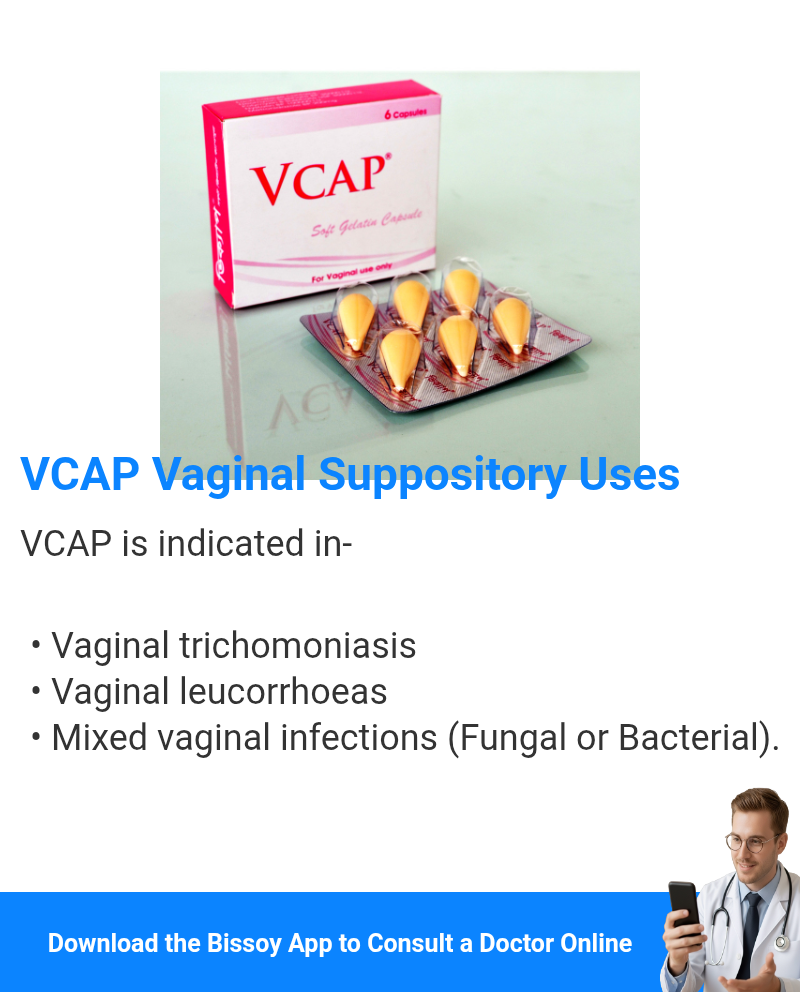
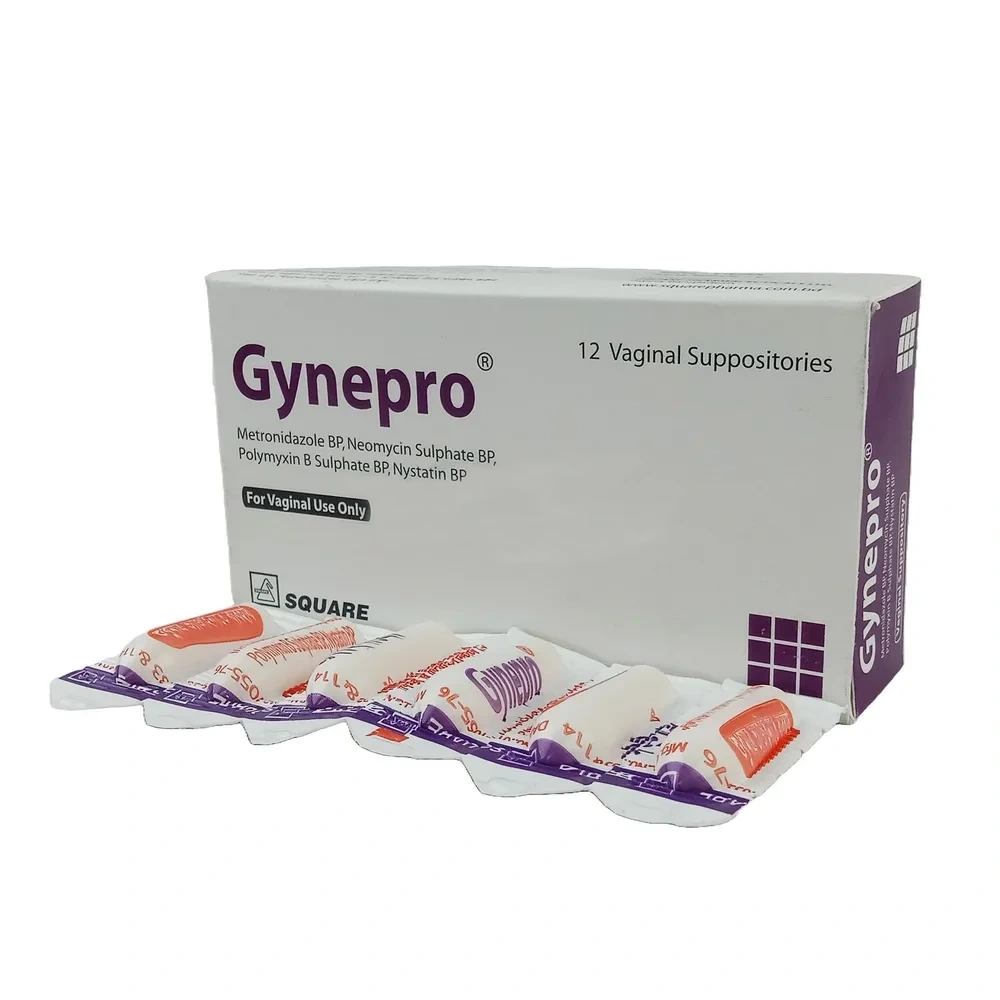
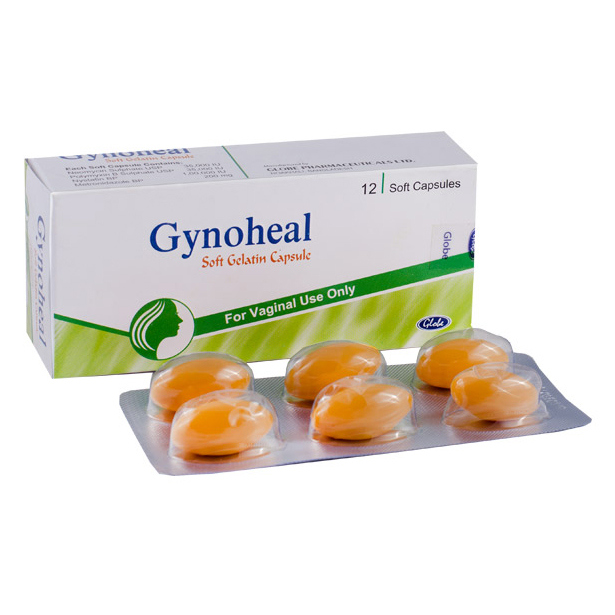
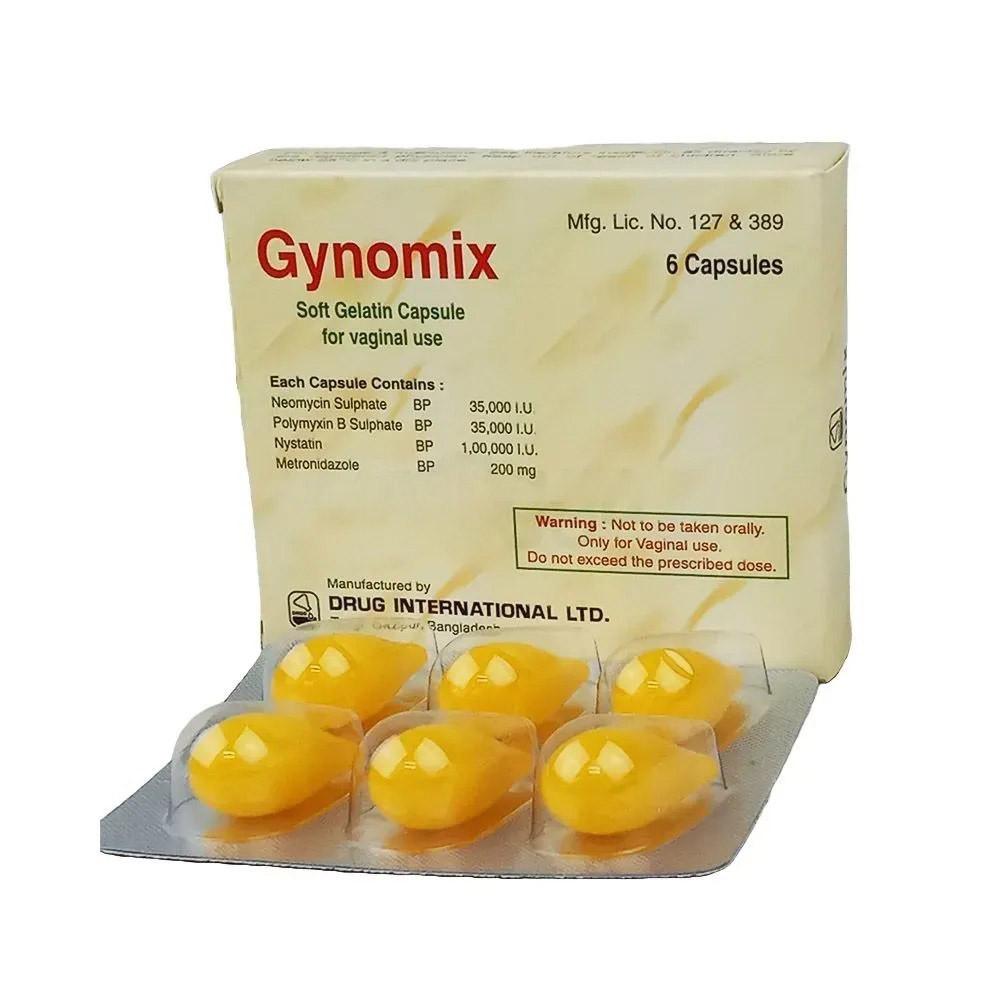
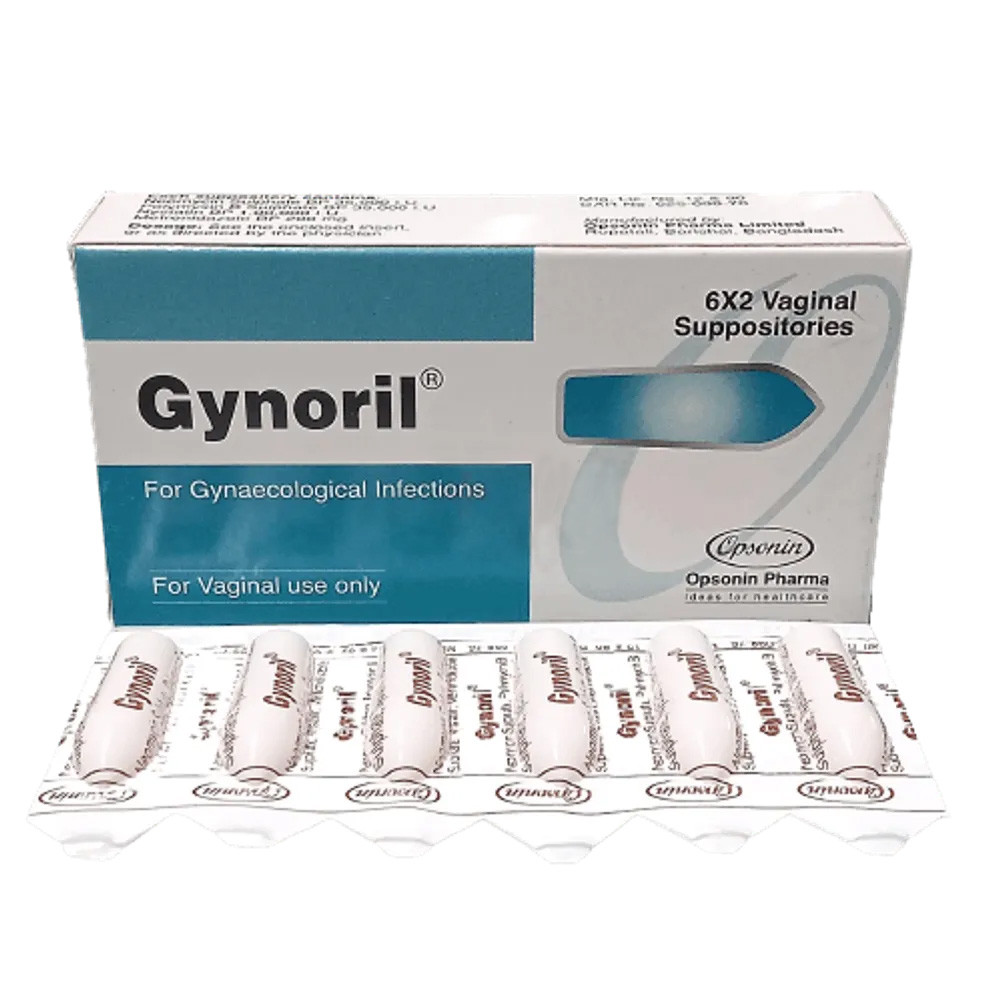
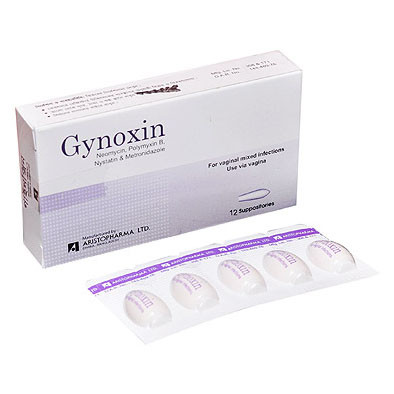
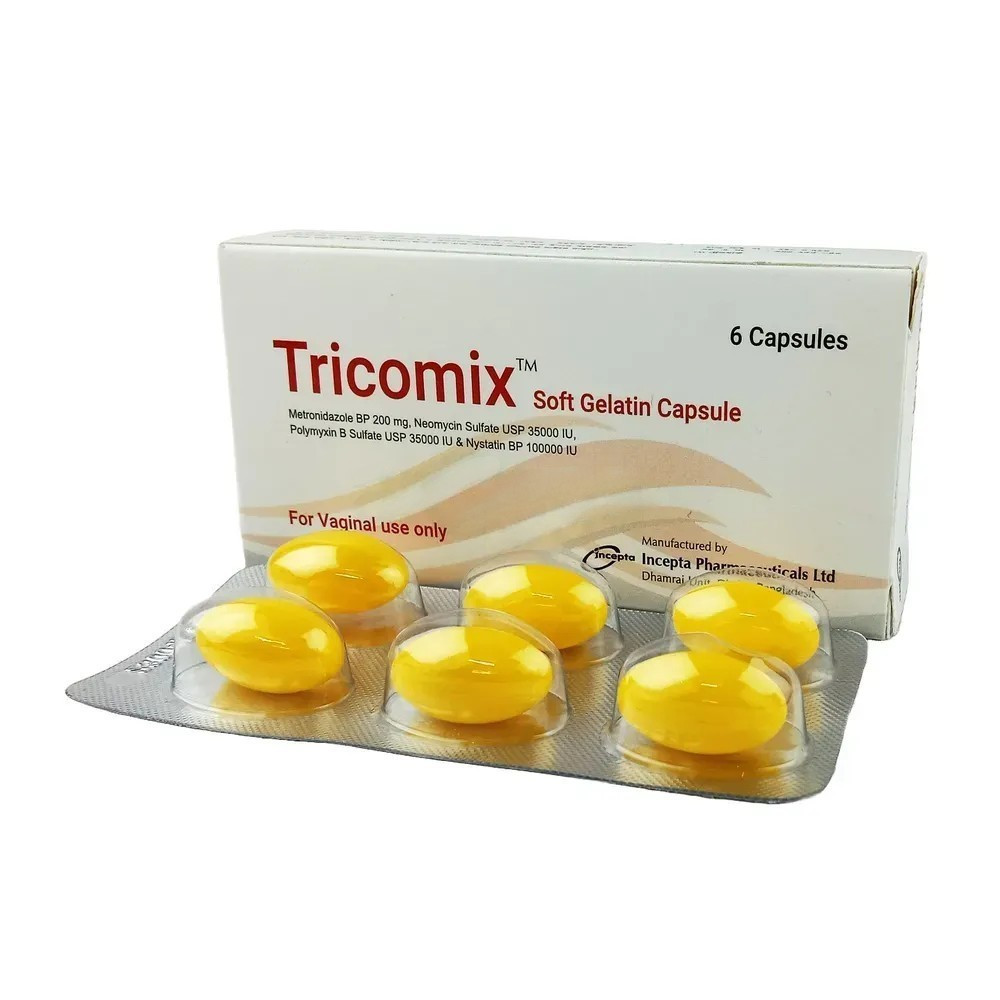
VCAP Vaginal Suppository is a combination topical medication used primarily for its broad-spectrum antimicrobial and antifungal properties. This combination is designed to treat various bacterial, fungal, and parasitic infections of the skin and mucous membranes. Each component in the combination has a specific role in combating infections.
Uses
This combination is used to treat a range of infections including skin infections, ear infections, and certain gastrointestinal infections. It is particularly useful for infections that involve multiple pathogens, including both bacteria and fungi. It may be applied topically or used in specific formulations like ear drops, depending on the infection being treated.
Mechanism of Action
The combination of Metronidazole, Neomycin Sulphate, Polymyxin B, and Nystatin provides a multi-faceted approach to infection control:
- Metronidazole: An antiprotozoal and antibacterial agent that works by disrupting the DNA of microorganisms, leading to their death.
- Neomycin Sulphate: An aminoglycoside antibiotic that inhibits bacterial protein synthesis by binding to the 30S ribosomal subunit, effectively stopping bacterial growth.
- Polymyxin B: An antibiotic that disrupts bacterial cell membrane integrity, leading to leakage of cellular contents and cell death.
- Nystatin: An antifungal agent that binds to ergosterol in the fungal cell membrane, causing leakage of cell contents and cell death.
How Long Does It Take to Work?
The onset of action can vary depending on the type and severity of the infection. Generally, improvement in symptoms can be observed within a few days of starting treatment, though complete resolution may take longer, depending on the infection's extent and the patient’s overall health.
Absorption
When applied topically, the components of this combination are minimally absorbed into the systemic circulation. Their primary action is localized at the site of application, minimizing systemic exposure and reducing the risk of systemic side effects.
Route of Elimination
The components of this combination are primarily eliminated through the route of application. Metronidazole, Neomycin Sulphate, and Polymyxin B are mainly excreted through the urine, while Nystatin is excreted primarily through the feces when systemically absorbed.
Dosage
One suppository in the vagina at bedtime for 12 days or as directed by the physician.The dosage of this combination depends on the formulation and the specific infection being treated. For topical applications, it is typically applied to the affected area 2 to 4 times daily, as directed by a healthcare provider. For ear infections, specific instructions for ear drops should be followed.
Administration
Application methods vary based on the formulation. For topical creams or ointments, apply a thin layer to the affected area and gently rub it in. For ear infections, follow the specific instructions for administering ear drops. Adhere strictly to the prescribed dosage and frequency for optimal results.
Side Effects
Common side effects may include local skin irritation, redness, or itching at the site of application. Some patients may experience allergic reactions such as rash or hives. Systemic side effects are rare due to minimal absorption.
Toxicity
Overuse or improper application may lead to toxicity, particularly if there is excessive systemic absorption. Symptoms of toxicity might include severe allergic reactions or systemic infections. In such cases, discontinue use and seek medical attention immediately.
Precautions
Use this combination with caution in patients with a history of hypersensitivity to any of its components. It should be used on intact skin only. Avoid contact with eyes, mucous membranes, or large open wounds. Monitor for signs of adverse reactions, especially if used for extended periods.
Interaction
Interactions are minimal with topical applications, but caution is needed when using other medications that may affect the skin or mucous membranes. Inform healthcare providers of all concurrent treatments to avoid potential interactions.
Disease Interaction
Patients with pre-existing skin conditions or infections should use this combination with caution. Ensure that the specific infection being treated is suitable for this combination therapy.
Drug Interaction
When used topically, drug interactions are minimal. However, patients should be aware of any potential interactions with systemic medications if absorption occurs. Consult a healthcare provider if other medications are being used concurrently.
Food Interactions
There are no significant food interactions with topical use. However, it is advisable to follow general hygiene practices to avoid contamination of the medication with food or beverages.
Pregnancy Use
The safety of this combination during pregnancy has not been fully established. It should only be used if clearly needed and prescribed by a healthcare provider. The benefits should be weighed against potential risks to the fetus.
Lactation Use
Due to minimal systemic absorption, this combination is generally considered safe during lactation. However, consult a healthcare provider to ensure there are no concerns regarding the components of the medication.
Acute Overdose
Acute overdose is unlikely with topical application. If excessive amounts are applied or ingested, systemic symptoms may occur. Seek medical attention if overdose symptoms arise.
Contraindication
This combination is contraindicated in patients with a known hypersensitivity to any of its components. It should not be used on open wounds or extensive areas of damaged skin.
Use Direction
Follow the prescribed dosage and application instructions carefully. Apply to the affected area as directed and do not exceed the recommended amount or frequency. Discontinue use if adverse reactions occur and consult a healthcare provider.
Storage Conditions
Store the medication at room temperature, away from moisture and heat. Keep it in its original container, tightly closed, and out of reach of children.
Volume of Distribution
The volume of distribution is not typically applicable for topical medications as their primary action is localized. Systemic absorption is minimal.
Half Life
The half-life of each component varies, but for topical applications, systemic half-life is less relevant due to minimal systemic absorption.
Clearance
Clearance primarily involves the route of application with minimal systemic clearance. Metronidazole, Neomycin Sulphate, and Polymyxin B are excreted through the urine, while Nystatin is primarily excreted through feces if absorbed systemically.