Introduction
Live attenuated zoster vaccine is available as two products: Zostavax for the prevention of shingles in immunocompetent people over the age of 50, and Varivax for the prevention of chickenpox in individuals 12 months of age and older. While the two vaccines contain the same immunological components and provide protection against the same virus, Zostavax contains a higher dose and is used in older adults to prevent the development of shingles and post-herpetic neuralgia.
First approved in May 2006 by the Food and Drug Administration, Zostavax was the first vaccine available for the prevention of shingles. Since October 2017, however, it has been replaced as first line therapy by Shingrix (Varicella zoster vaccine (recombinant)), a more effective and longer lasting vaccine. Both Varivax and Zostavax are composed of a lyophilized preparation of live, attenuated Oka/Merck strain of varicella-zoster virus.
Varicella Zoster Virus (VZV) is the virus that commonly causes Chickenpox (also known as Varicella) in childhood . Following initial infection of VZV and resolution of Chickenpox as a child, VZV then lies dormant within the dorsal root ganglion of the central nervous sytem. Decades later, when the body's immune system weakens with age, VZV is able to reactivate and descend through the nerve cells to the surface of the skin where it causes a painful blistering rash, known as shingles (or Herpes Zoster). Risk factors for developing shingles include old age, with rates increasing substantially in person's over the age of 50, low immune function or immunosuppression, psychological stress, and diabetes. Person's living with HIV or cancer, those taking immunosuppressants, and transplant recipients are particularly at risk .
One of the most common complications associated with shingles is the development of Post-Herpetic Neuralgia (PHN), a persistant severe nerve pain that develops as a result of chronic pain from shingles lesions. PHN can last for days, months, or even years following resolution of shingles. Other complications also include bacterial infection, spread of the shingles rash to the eye (herpes zoster ophthalmicus) or ear, nerve palsies, or spread of VZV to non-immune persons via contact with varicella lesions.
There are numerous advantages to using Shingrix over Zostavax. Clinical trials for Shingrix have shown greater than 90% efficacy in adults aged 50 and older, with 89% efficacy in preventing postherpetic neuralgia in patients 70 years and older and 91% efficacy in patients 50-70 years of age. This is a significant improvement over its predecessor, Zostavax, which reduces the risk of shingles by only 51% and the risk of post-herpetic neuralgia by 67% . Efficacy of Zostavax also wanes over time, with protection against shingles and PHN lasting only around 5 years. Efficacy for prevention of shingles is highest in patients 60-69 years old and decreases with increasing age. Furthermore, because Shingrix is an inactivated vaccine it can also be used to prevent shingles and PHN in individuals with suppressed immune systems, who are already at increased risk of developing shingles, while Zostavax, a live attenuated vaccine, is contraindicated.
Uses
Zostavax vaccine is indicated for the prevention of herpes zoster (shingles) in immunocompetent adults aged 50 years and older.
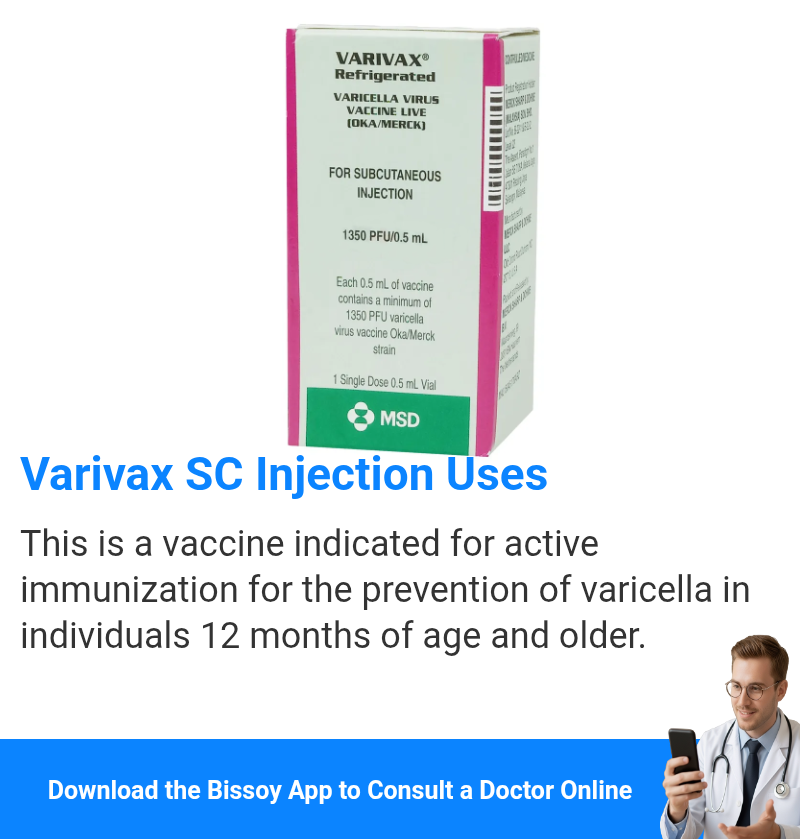
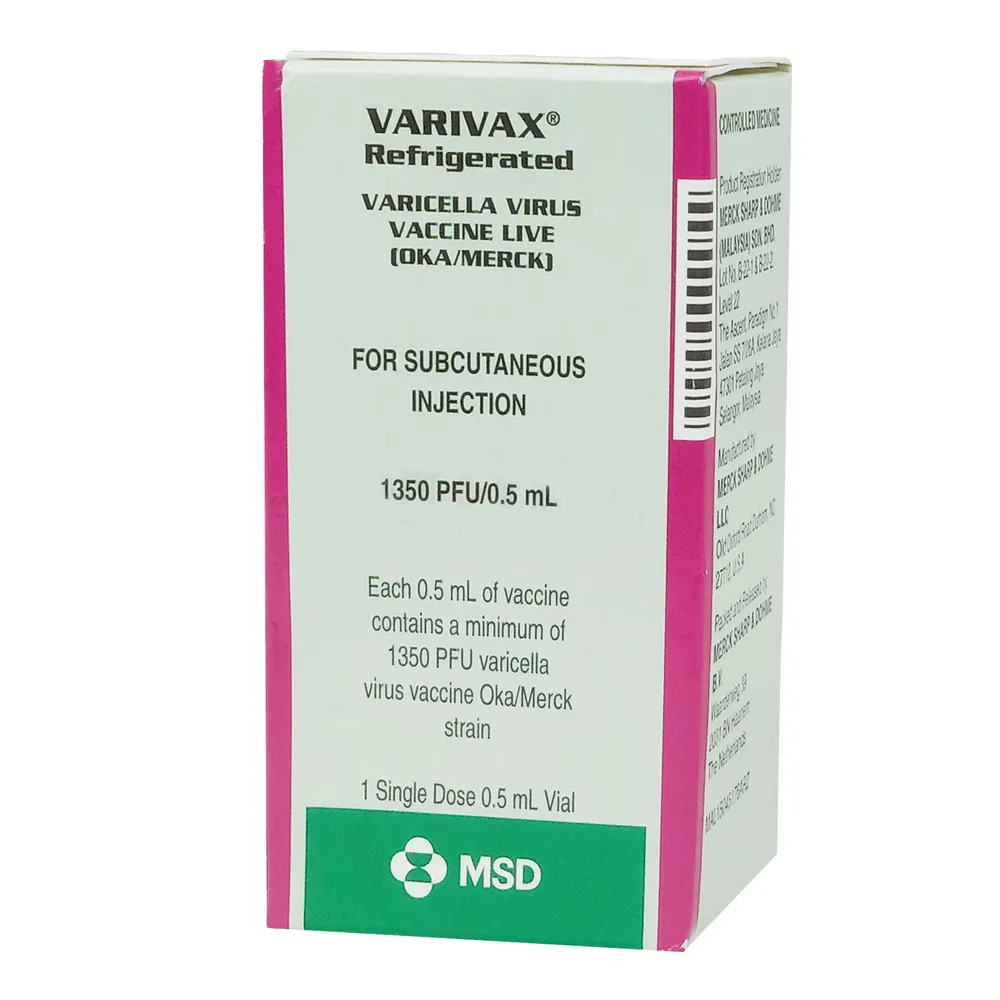
Varivax vaccine is indicated for active immunization for the prevention of varicella in individuals 12 months of age and older.
Associated Conditions
Mechanism of Action
Zostavax provides protection against Herpes Zoster reactivation by eliciting an immune response to Varicella Zoster Virus (VZV).
Varivax provides protection against chickenpox by eliciting both cell-mediated and humoral immune responses to varicella-zoster virus.
Dosage
Children (12 months to 12 years of age): The first dose is administered at 12 to 15 months of age but may be given anytime through 12 years of age. The second dose is administered at 4 to 6 years of age. At least 3 months should elapse between a dose of varicella-containing vaccine. At least 1 month should elapse between a dose of measles-containing vaccine and a dose of Varivax SC Injection 0.5 ml/vial if the vaccines are not given concurrently.
Adolescents (≥13 years of age) and Adults: Two doses of Varivax SC Injection 0.5 ml/vial are administered at a minimum interval of 4 weeks.