Introduction
Flavoxate hydrochloride is an antispasmodic medication primarily used to relieve symptoms associated with bladder irritation, such as pain and urgency. It is used to treat various conditions involving the bladder and urinary tract.
Uses
Flavoxate hydrochloride is commonly used for:
- Bladder Spasms: Relief of bladder spasm symptoms, such as pain and discomfort.
- Urinary Tract Irritation: Alleviating symptoms of urinary tract irritation and inflammation.
- Overactive Bladder: Managing symptoms of overactive bladder, including urgency and frequency.
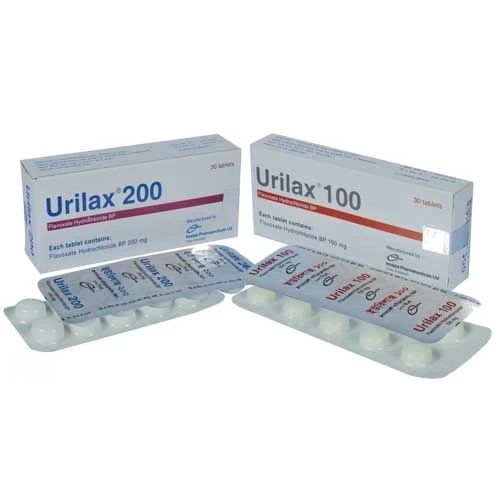
| Brand Name | Urilax |
|---|---|
| Type | Tablet |
| Weight | 100 mg |
| Generic | Flavoxate Hydrochloride |
| Manufacturer | Incepta Pharmaceuticals Ltd. |
| Available in | English বাংলা |
Mechanism of Action
Flavoxate hydrochloride acts as an antispasmodic agent by inhibiting the smooth muscle contractions of the bladder and urinary tract. It reduces the frequency and intensity of bladder contractions, helping to relieve symptoms associated with bladder spasms and urinary tract irritation.
How Long Does It Take to Work?
Flavoxate hydrochloride typically begins to work within 1 to 2 hours after oral administration. Symptomatic relief may be observed within this time frame, with continued improvement over several days of consistent use.
Absorption
Flavoxate hydrochloride is well-absorbed from the gastrointestinal tract after oral administration. Peak plasma concentrations are usually reached within 1 to 2 hours, allowing for effective symptom management.
Route of Elimination
Flavoxate hydrochloride is primarily metabolized in the liver. The metabolites and a small portion of the unchanged drug are excreted in the urine. The rate of elimination may be influenced by liver and kidney function.
Dosage
Adults and children over 12 years of age: 100 mg to 200 mg 3 times a day. With improvement of symptoms, the dose may be reduced.Pediatric Use: Safety and effectiveness in children below the age of 12 years have not been established.
The standard dosage of flavoxate hydrochloride is:
- Adults: Typically 100 to 200 mg taken orally three to four times daily.
- Maximum Dosage: 400 mg per day.
Dosage adjustments may be necessary based on the severity of symptoms and individual patient response.
Administration
Flavoxate hydrochloride is administered orally in the form of tablets. It should be taken with water, and the dosage schedule should be followed consistently. The medication can be taken with or without food.
Side Effects
Common side effects include:
- Drowsiness or dizziness.
- Dry mouth.
- Nausea or gastrointestinal discomfort.
- Blurred vision.
Less common side effects may include allergic reactions or significant changes in blood pressure. Report any severe or persistent symptoms to a healthcare provider.
Toxicity
Symptoms of toxicity may include severe drowsiness, confusion, or rapid heart rate. In case of overdose or severe adverse reactions, seek immediate medical attention for appropriate management.
Precautions
Precautions include:
- Monitoring for side effects such as drowsiness or dizziness, which may affect daily activities.
- Use with caution in patients with a history of liver or kidney impairment.
- Patients should avoid activities that require alertness if they experience drowsiness or blurred vision.
Interaction
Flavoxate hydrochloride may interact with other medications that affect the central nervous system or the liver. Inform healthcare providers of all concurrent medications to avoid potential interactions.
Disease Interaction
Use with caution in patients with:
- Liver or kidney disease, as these conditions may affect the metabolism and excretion of the drug.
- Glaucoma, as antispasmodics can potentially increase intraocular pressure.
Drug Interaction
Potential drug interactions may occur with other anticholinergic medications or those that affect liver enzymes. Consult a healthcare provider for guidance on potential drug interactions.
Food Interactions
Flavoxate hydrochloride can be taken with or without food. There are no specific food interactions; however, it is advisable to follow a balanced diet to maintain overall health while on medication.
Pregnancy Use
Flavoxate hydrochloride is categorized as a pregnancy Category B drug. This indicates that it is not expected to harm an unborn baby based on animal studies, but there are limited human studies. Consult a healthcare provider before using this medication during pregnancy.
Lactation Use
It is not known if flavoxate hydrochloride passes into breast milk. Use with caution if breastfeeding, and consult a healthcare provider for alternatives or guidance on safe use during lactation.
Acute Overdose
In case of acute overdose, symptoms may include severe drowsiness, dizziness, or confusion. Immediate medical attention is required for appropriate management and supportive care.
Contraindication
Flavoxate hydrochloride is contraindicated in individuals with:
- Known hypersensitivity to flavoxate or any component of the formulation.
- Severe liver or kidney impairment, as the drug's safety and efficacy are not established in these conditions.
Use Direction
Follow the prescribed dosage and administration instructions. Do not exceed the recommended dose. If a dose is missed, take it as soon as possible unless it is almost time for the next dose. Avoid doubling doses to make up for missed ones.
Storage Conditions
Store flavoxate hydrochloride tablets at room temperature, away from moisture and heat. Keep the medication out of reach of children and in its original packaging to maintain stability.
Volume of Distribution
The volume of distribution for flavoxate hydrochloride is not extensively documented but is generally consistent with other medications that are widely distributed in body tissues after oral administration.
Half Life
The half-life of flavoxate hydrochloride is approximately 2 to 3 hours. This allows for its effective management of symptoms with frequent dosing.
Clearance
Flavoxate hydrochloride is cleared from the body primarily through hepatic metabolism and renal excretion. Clearance rates may vary based on individual patient factors such as liver and kidney function.
See in details version Urilax Tablet 100 mg also Urilax Tablet 100 mg in bangla
Social card