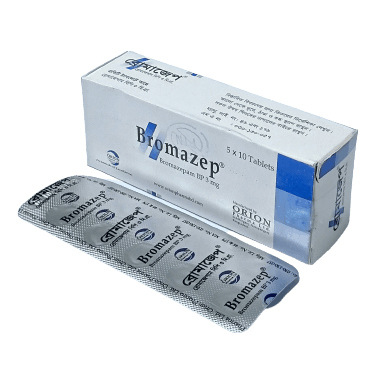
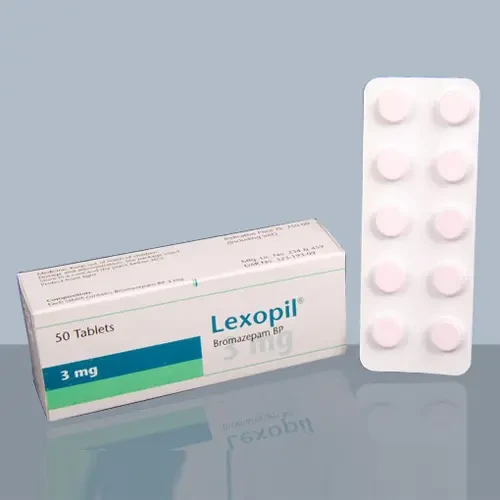
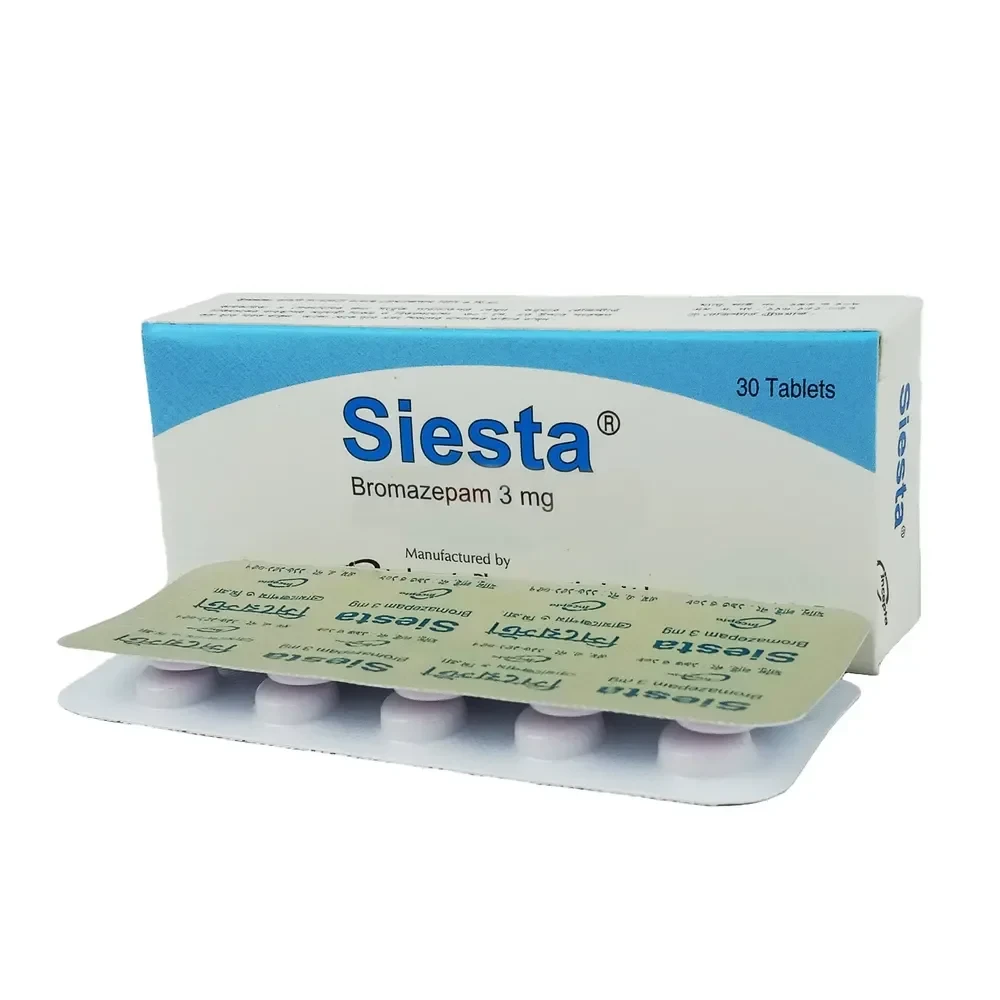
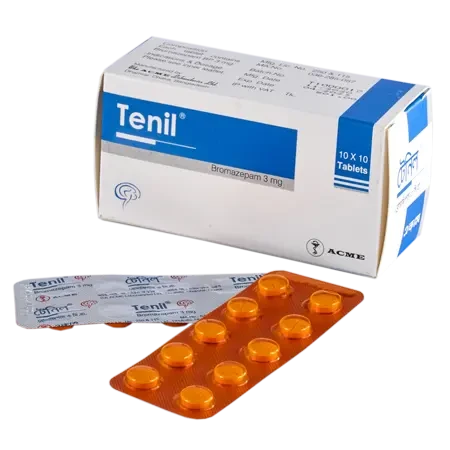
Introduction
Tynaxie Tablet 3 mg is a benzodiazepine drug used primarily for the short term treatment of anxiety, panic or insomnia. The drug works by affecting the mechanics of the brain and central nervous system to produce a calming effect. It is typically prescribed for short-term use only as it can be habit-forming and cause withdrawal symptoms upon abrupt discontinuation.
Uses
Tynaxie Tablet 3 mg is used to alleviate symptoms related to anxiety, panic, or insomnia. It is not recommended for long-term or regular use as it can lead to psychological and physical dependency, or tolerance to the drug.
Mechanism of Action
Tynaxie Tablet 3 mg binds to the gamma-aminobutyric acid (GABA) receptor in the brain and central nervous system. By doing so, it produces an increased amount of GABA, an inhibitory neurotransmitter, which has an anxiolytic, anticonvulsant, and sedative action.
How Long Does it Take to Work?
Tynaxie Tablet 3 mg usually begins to work 30 to 60 minutes after it is consumed and can last for up to 6 hours.
Absorption
Tynaxie Tablet 3 mg is rapidly and completely absorbed after oral administration.
Route of Elimination
Tynaxie Tablet 3 mg is primarily metabolized through the cytochrome P450 enzyme in the liver. The majority of the drug is then excreted through urine, followed by the liver and feces.
Dosage
Standard dosage: Average dosage for outpatient therapy is 1.5-3 mg up to three times daily. Treatment of outpatients should begin with low doses, gradually increasing to the optimum level.
In severe cases, especially in hospital: 6-12 mg 2 or 3 times daily. The overall treatment generally should not be more than 8-12 weeks. In certain cases extension beyond the maximum treatment period may be necessary; if so, it should be taken with re-evaluation of the patient's status with special expertise.
Elderly and debilitated patients: Elderly patients and those with impaired hepatic functions require lower doses.
Children: Bromazepam is usually not indicated in children, but if the physician feels bromazepam treatment is appropriate, then the dose should be adjusted to their low bodyweight (about 0.1-0.3 mg/kg bodyweight)

The recommended dosage of Tynaxie Tablet 3 mg ranges from 3 milligrams to 15 milligrams per day. As this is a powerful medication, it should be consumed only when prescribed by a doctor. The dosage should not exceed the amount prescribed by the doctor as it can be habit-forming.
Administration
Tynaxie Tablet 3 mg should be taken orally with a glass of water. It is typically taken one to three times daily as needed, depending on the prescribed dosage.
Side Effects
Common side effects associated with Tynaxie Tablet 3 mg include drowsiness, impairment of coordination, drowsiness, memory problems, nausea, confusion, slowed reflexes, and a decreased motor skills.
Toxicity
Excessive dosage and/or prolonged use of Tynaxie Tablet 3 mg can lead to a buildup of tolerance and physical and psychological dependency. Symptoms of overdose include disorientation, drowsiness, impaired reflexes, shallow respiration, low blood pressure, and coma. Call a poison control center or medical facility immediately if you suspect an overdose.
Precaution
It is important to practice precaution while taking Tynaxie Tablet 3 mg as it can be habit-forming. It is not recommended for patients suffering from conditions such as acute narrow-angle glaucoma, kidney or liver failure, or severe depression. Tynaxie Tablet 3 mg should also not be taken with other sedatives, alcohol, or drugs that can affect the central nervous system.
Interaction
Tynaxie Tablet 3 mg should not be taken with other drugs that can affect the central nervous system, alcohol, or other sedatives. In addition, it may interact with certain medications, such as antipsychotics, anticonvulsants, and birth control pills.
Disease Interaction
Tynaxie Tablet 3 mg should not be taken if the patient has a history of acute narrow-angle glaucoma, kidney or liver failure, or severe depression.
Drug Interaction
Tynaxie Tablet 3 mg may interact with certain drugs, such as antipsychotics, anticonvulsants, and birth control pills.
Food Interactions
Tynaxie Tablet 3 mg may interact with certain foods, such as grapefruit, orange, and apple juice. It is best to avoid eating these when taking Tynaxie Tablet 3 mg.
Pregnancy Use
Tynaxie Tablet 3 mg is not recommended during pregnancy due to the potential for side-effects and dependency.
Lactation Use
It is not recommended to take Tynaxie Tablet 3 mg while breastfeeding as it can pass through the mother’s milk and affect the infant.
Acute Overdose
Symptoms of an overdose include disorientation, drowsiness, impaired reflexes, shallow respiration, low blood pressure, and coma. If you suspect an overdose, contact a poison control center or medical facility as soon as possible.
Contraindication
Tynaxie Tablet 3 mg should not be taken with other sedatives, alcohol, or drugs that can affect the central nervous system. In addition, it should not be taken if the patient has a history of acute narrow-angle glaucoma, kidney or liver failure, or severe depression.
Use Direction
Tynaxie Tablet 3 mg should be taken orally with a glass of water one to three times daily, as prescribed by a doctor. The dosage should not exceed the prescribed amount as it can be habit-forming.
Storage Condition
Tynaxie Tablet 3 mg tablets should be stored at room temperature, away from heat and light. It should be kept in its original container.
Volume of Distribution
Tynaxie Tablet 3 mg has a volume of distribution of approximately 240 liters per kilogram.
Half Life
Tynaxie Tablet 3 mg has an elimination half-life of 8-15 hours.
Clearance
Tynaxie Tablet 3 mg has a hepatic clearance of 0.41 liters per hour per kilogram.
See in details version Tynaxie Tablet 3 mg also Tynaxie Tablet 3 mg in bangla
Some Frequently Asked Questions About Tynaxie Tablet 3 mg
*** Taking medicines without doctor's advice can cause long-term problems.