Introduction
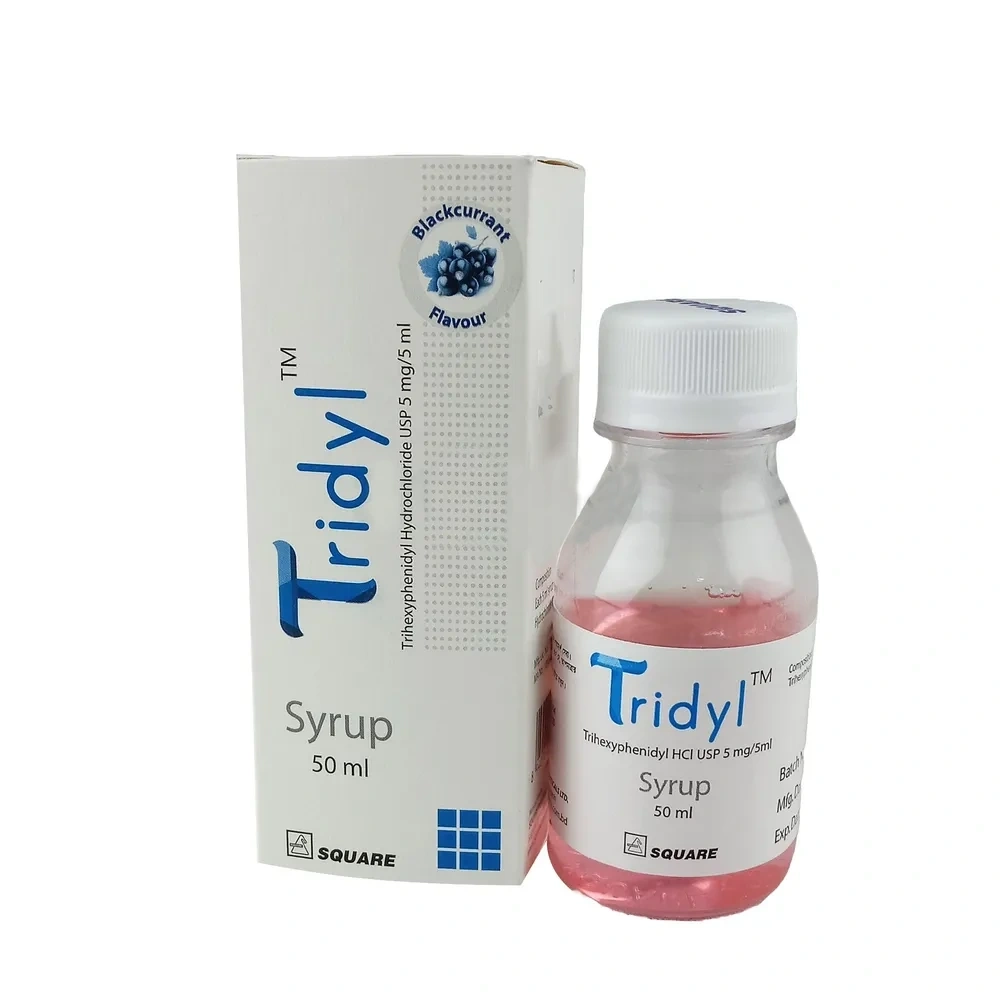
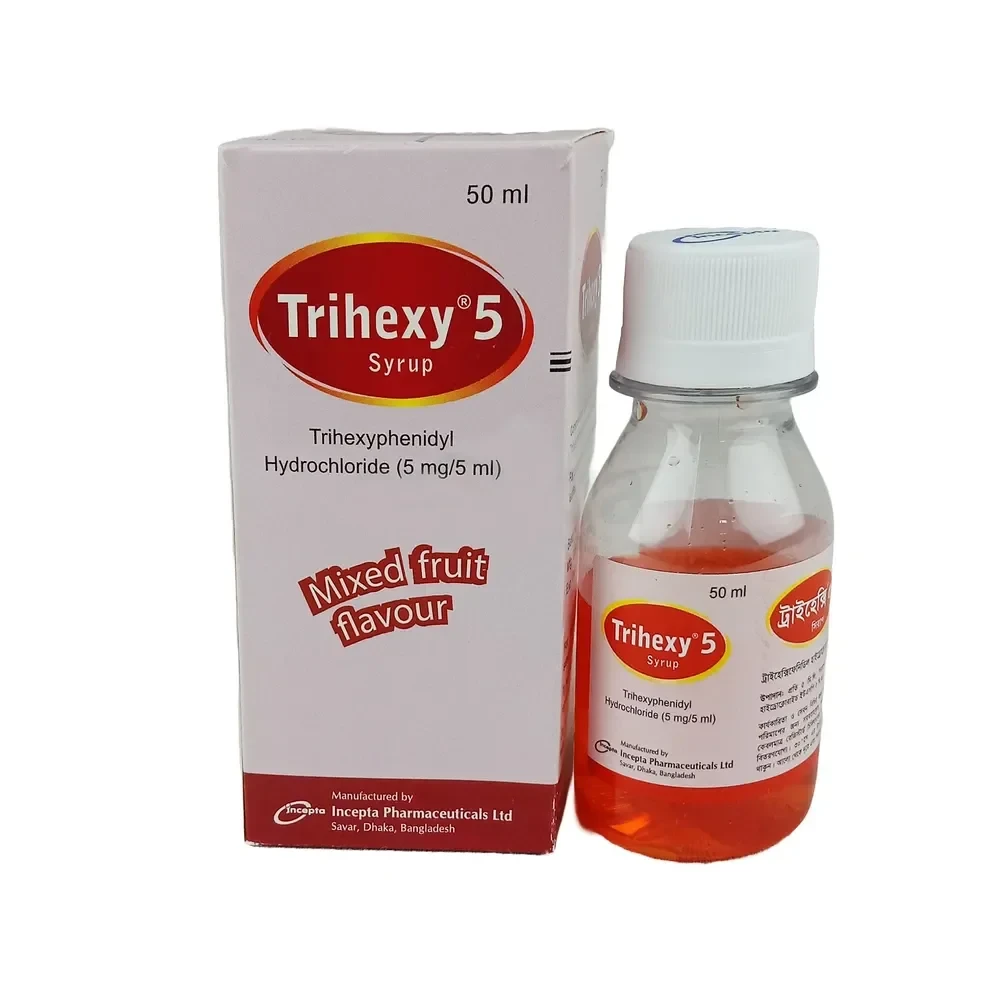
Trihexyphenidyl is a centrally acting muscarinic antagonist used for treatment of parkinsonism and drug-induced extrapyramidal disorders. Its discovery was published in 1949 in a study looking for drugs with antispasmodic activity. Trihexyphenidyl is rarely used in the treatment of parkinsonism, and is not a first line treatment due to significant adverse effects. It has largely been replaced by drugs such as levodopa.
Uses
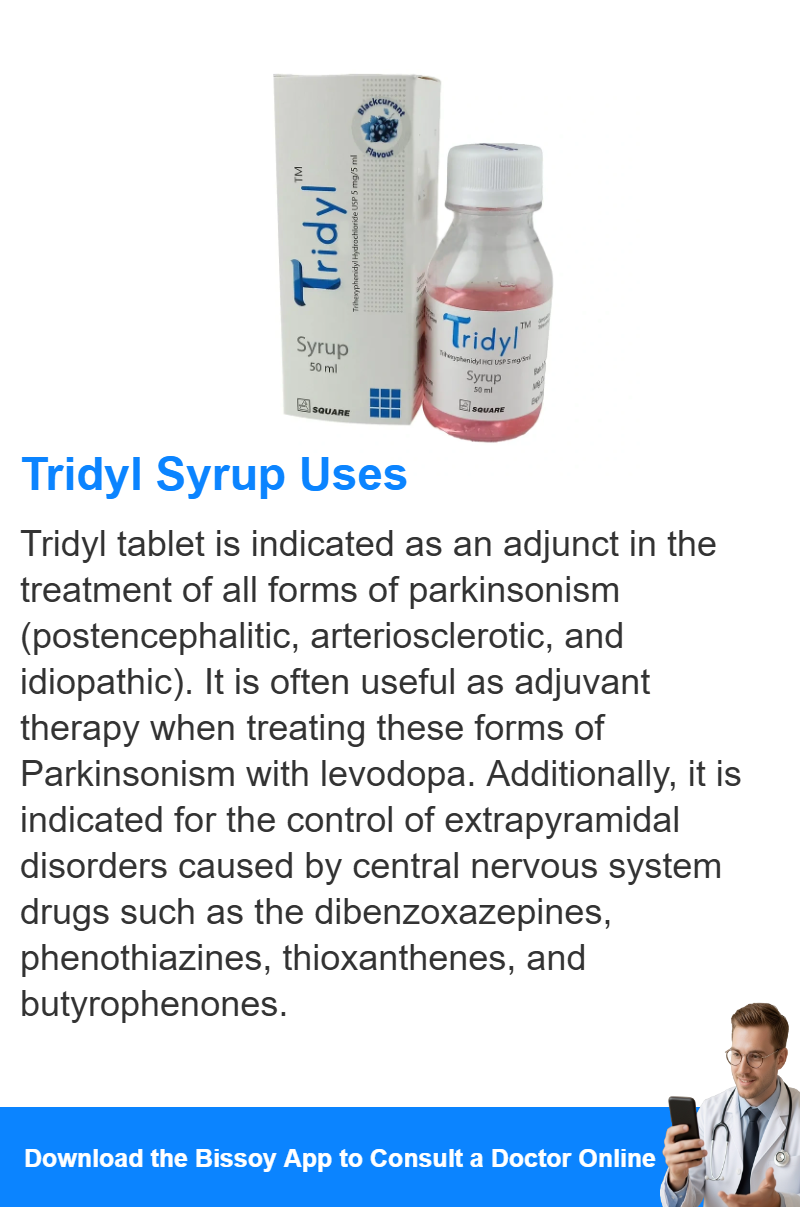
Trihexyphenidyl is an antispasmodic drug used as an adjunct drug in the management of parkinsonism and as a treatment for extrapyramidal symptoms caused by drugs affecting the central nervous system (CNS).
Tihexyphenidyl is indicated as an adjunct in the treatment of parkinsonism, an adjuvant in the treatment of parkinsonism with levodopa, and in the control of extrapyramidal disorders caused by central nervous system drugs.
Associated Conditions
Pharmacodynamics
Trihexyphenidyl is an antimuscarinic indicated as an adjunct in the treatment of parkinsonism or as a treatment for drug-induced extrapyramidal symptoms. It has a long duration of action as it does not need to be given every day. It has a wide therapeutic window, with acute toxicity being non fatal in doses as high as 300 mg. Patients should have their iridocorneal angle examined before and intraocular pressure monitored during therapy. Patients should be counselled regarding the risk of anhidrosis and hyperthermia.
Mechanism of Action
Trihexyphenidyl is a non-selective muscarinic acetylcholine receptor antagonist but binds with higher affinity to the M1 subtype. In vivo studies have shown that trihexyphenidyl demonstrates higher affinity for central muscarinic receptors located in the cerebral cortex and lower affinity for those located peripherally. Other studies suggest that trihexyphenidyl may modify nicotinic acetylcholine receptor neurotransmission, leading indirectly to enhanced dopamine release in the striatum. Although the anticholinergic has proven to be useful in the treatment of symptoms associated with Parkinson’s disease or other movement disorders, its mechanism of action has yet to be fully elucidated.
Absorption
Trihexyphenidyl is absorbed from the gastrointestinal tract. Trihexyphenidyl reaches a Cmax of 7.2 ng/mL, with a Tmax of 1.3 hours, and an AUC of 201 ng*h/mL.
Protein Binding
Data regarding the extent of trihexyphenidyl protein binding in plasma are not readily available. Trihexyphenidyl is 36.13-41.92% bound to albumin under controlled conditions in a dialysis bag.
Route of Elimination
Data regarding the route of elimination of trihexyphenidyl are not readily available. However, it is likely eliminated predominantly in the urine.
Half Life
The mean elimination half life of trihexyphenidyl is 3.2 ± 0.3 hours.
Toxicity
Symptoms of overdose include mydriasis, dryness of mucous membranes, red face, atonic states of bowels and bladder, and hyperthermia in high doses. Trihexyphenidyl causes agitation, confusion, and hallucinations due to its effects on the central nervous system. Untreated overdose may result in death, especially in children. Respiratory depression and cardiac arrest may be seen as premortal signs.
Patients experiencing an overdose of trihexyphenidyl may experience dry mouth, anhidrosis, mydriasis, nausea, vomiting, tachycardia, hyperpyrexia, reduced gastrointestinal motility, urinary hesitancy or retention, rash, hyperthermia, confusion, restlessness, agitation, poor coordination, paranoia, psychosis, delirium, hallucinations, coma, respiratory failure, circulatory failure, and death. Patients should be treated with symptomatic and supportive care which may include airway maintenance and the use of physostigmine.
Food Interactions
- Take with or without food. Taking with food may minimize stomach upset. May take before meals to mitigate dry mouth or may take after meals to reduce excess salivation.