Introduction
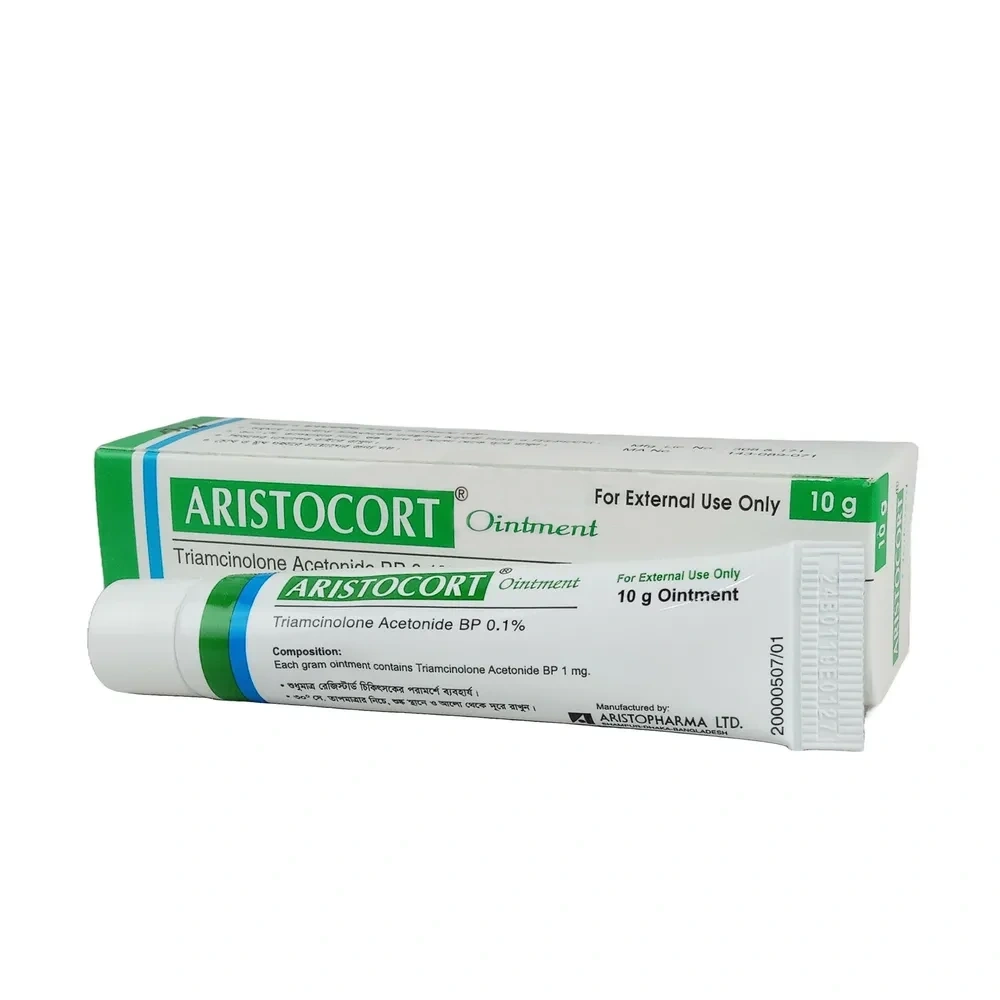
Triamcinolone is a corticosteroid used to treat various inflammatory conditions in the body from allergic rhinitis to acute exacerbations of multiple sclerosis. Triamcinolone can be used as a one time adjunct treatment of osteoarthritic knee pain, or first line as a topical treatment of corticosteroid responsive dermatoses. Triamcinolone is more commonly seen in the forms triamcinolone hexacetonide, triamcinolone acetonide, and triamcinolone diacetate.
Triamcinolone was granted FDA approval on 3 December 1957.
Uses
Triamcinolone is a glucocorticoid used to treat a wide variety of inflammatory conditions of organ systems and tissues.
Triamcinolone hexacetonide injections are indicated for intralesional administration in alopecia areata, discoid lupus erythematosus, keloids, and necrobiosis lipoidica diabeticorum. This formulation can also be used for localized hypertrophic infiltrated inflammatory lesions of granuloma annulare, lichen planus, lichen simplex chronicus, and psoriatic plaques.
Triamcinolone acetonide spray and cream are indicated for the treatment of inflammatory and pruritic manifestations of corticosteroid responsive dermatoses. A triamcinolone acetonide 10mg/mL or 40mg/mL injection is indicated intra-articularly for acute gouty arthritis, acute and subacute bursitis, acute nonspecific tenosynovitis, epicondylitis, rheumatoid arthritis, and synovitis of osteoarthritis. The same 10mg/mL injection is indicated by the intralesional route for the treatment of alopecia areata, discoid lupus erythematosus, keloids, necrobiosis lipoidica diabeticorum, and tumors of an aponeurosis or tendon. This formulation can also be used for localized hypertrophic infiltrated inflammatory lesions of granuloma annulare, lichen planus, lichen simplex chronicus, and psoriatic plaques. The 40mg/mL injection is indicated intramuscularly for controlling severe allergic conditions such as asthma, atopic dermatitis, contact dermatitis, drug hypersensitivity, perennial or seasonal allergic rhinitis, serum sickness, and transfusion reactions; treatment of bullous dermatitis herpetiformis, exfoliative erythroderma, mycosis fungoides, pemphigus, Stevens-Johnson syndrome, congenital adrenal hyperplasia, hypercalcemia in cancer, nonsuppurative thyroiditis, autoimmune hemolytic anemia, Diamond-Blackfan anemia, pure red cell aplasia, secondary thrombocytopenia, trichinosis, tuberculous meningitis, acute exacerbations of multiple sclerosis or cerebral edema, sympathetic ophthalmia, temporal arteritis, uveitis, ocular inflammation, berylliosis, idiopathic eosinophilic pneumonias, symptomatic sarcoidosis, dermatomyositis, polymyositis, and systemic lupus erythematosus; adjunct treatment of adrenocortical insufficiency, regional enteritis, ulcerative colitis, fulminating or disseminated pulmonary tuberculosis, acute gouty arthritis, acute rheumatic carditis, ankylosing spondylitis, psoriatic arthritis, rheumatoid arthritis; palliative management of leukemia and lymphoma; induction of diuresis or remission of proteinuria in idiopathic nephrotic syndrome or lupus erythematosus. A triamcinolone intravitreal injection is indicated for the treatment of sympathetic ophthalmia, temporal arteritis, uveitis, and ocular inflammatory conditions. The intravitreal injection is also used for visualization during vitrectomy. An extended release suspension is indicated intra-articularly for management of pain in osteoarthritis of the knee.
Associated Conditions
Pharmacodynamics
Triamcinolone is a corticosteroid with anti-inflammatory properties. These properties are used to treat inflammation in conditions that affect various organs and tissues. Triamcinolone should not be administered as an epidural injection.
Mechanism of Action
Corticosteroids like triamcinolone inhibit phospholipase A2 on cell membranes, preventing the breakdown of lysosomal membranes of leukocytes, which in turn prevent the formation of arachidonic acid, which decrease expression of cyclooxygenase and lipoxygenase, inhibiting synthesis of prostaglandins and leukotrienes. Anti-inflammatory activity occurs via reversal of vascular dilation and reducing permeability, which prevents macrophage and leukocyte migration. Triamcinolone also inhibits nuclear factor kappa-B, which decreases the production of pro-inflammatory signals such as interleukin-6, interleukin-8, and monocyte chemoattractant protein-1.
Absorption
A 16mg oral dose of triamcinolone reaches a Cmax of 5.23±0.84ng/mL with a Tmax of 2.24±0.78h and an AUC of 36.0±6.2ng*h/mL.
A 2mg intravenous dose of triamcinolone acetonide has an AUC of 57.7ng*h/mL. The bioavailability of 800µg of inhaled triamcinolone acetonide is 25%, with 10.4% coming from pulmonary absorption and the rest being accounted for by deposition on the oral mucosa and other underlying factors. An inhaled dose of triamcinolone acetonide reaches a Cmax of 0.92ng/mL with a Tmax of 1.74h and an AUC of 5.12ng*h/mL. The fraction of an inhaled dose that is actually absorbed via the pulmonary route reaches a Cmax of 0.55ng/mL with a Tmax of 0.66h and an AUC of 2.15ng*h/mL.
A 16mg oral dose of triamcinolone diacetate reaches a Cmax of 5.33±1.55ng/mL with a Tmax of 1.86±0.47h and an AUC of 32.7±9.9ng*h/mL.
Volume of Distribution
The apparent volume of distribution of triamcinolone is 115.2±10L. The mean apparent volume of distribution of triamcinolone acetonide is 1.96L/kg. The apparent volume of distribution of triamcinolone diacetate is 119.7±33.14L.
Protein Binding
Triamcinolone is mostly bound to corticosteroid-binding globulin or serum albumin. Triamcinolone acetonide is approximately 68% protein bound in plasma.
Route of Elimination
Approximately 20% of a dose of triamcinolone is recovered in the urine as the unchanged drug, 25% is recovered as 6-beta-hydroxy-triamcinolone, and 5% is recovered as unidentified metabolites.
Half Life
The half life of triamcinolone is 2.7h. The mean terminal elimination half life following an inhaled dose of triamcinolone acetonide is 2.4h. The half life of triamcinolone diacetate is 2.8h.
Clearance
The clearance of triamcinolone is 28.6±5.6L/h. The mean total body clearance of triamcinolone acetonide is 0.57L/h. The clearance of triamcinolone diacetate is 34.4±10.6L/h.
Toxicity
The subcutaneous LD50 of triamcinolone acetonide in rats is 13,100µg/kg and in mice is 132mg/kg. The oral LD50 in rats is 1451mg/kg and in mice is 2168mg/kg.[LD50] The intraperitoneal LD50 in mice is 105mg/kg.[LD50]
Patients experiencing an overdose may develop Cushing's syndrome. This overdose may be treated with supportive therapy and mifepristone for its antiglucocorticoid activity.
Food Interactions
No interactions found.