Introduction
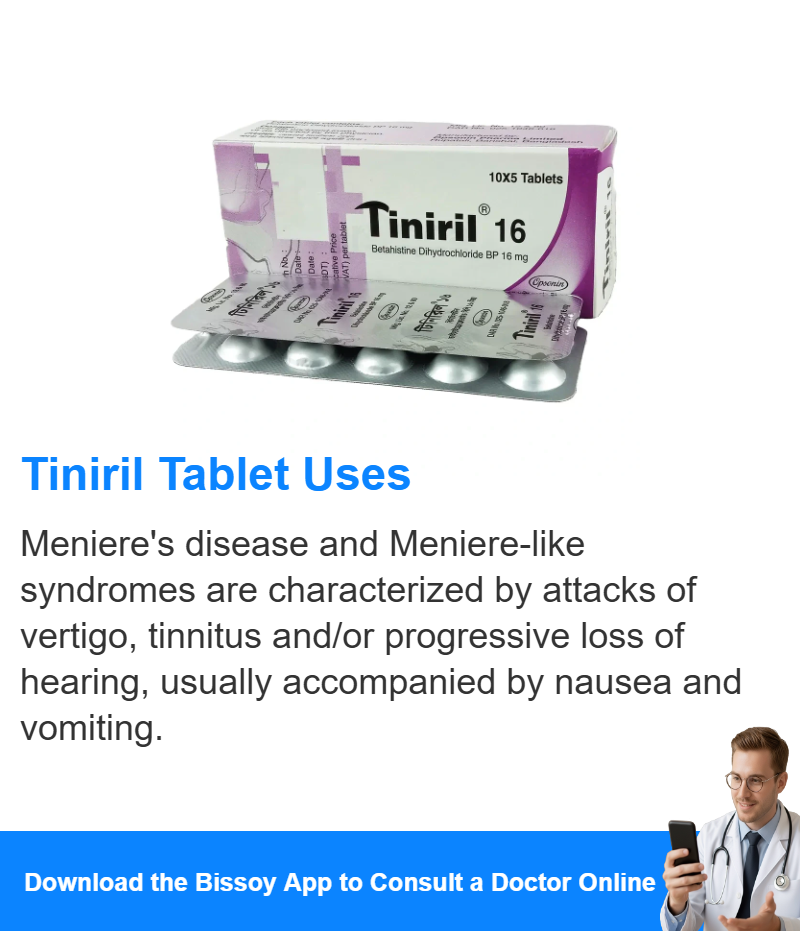
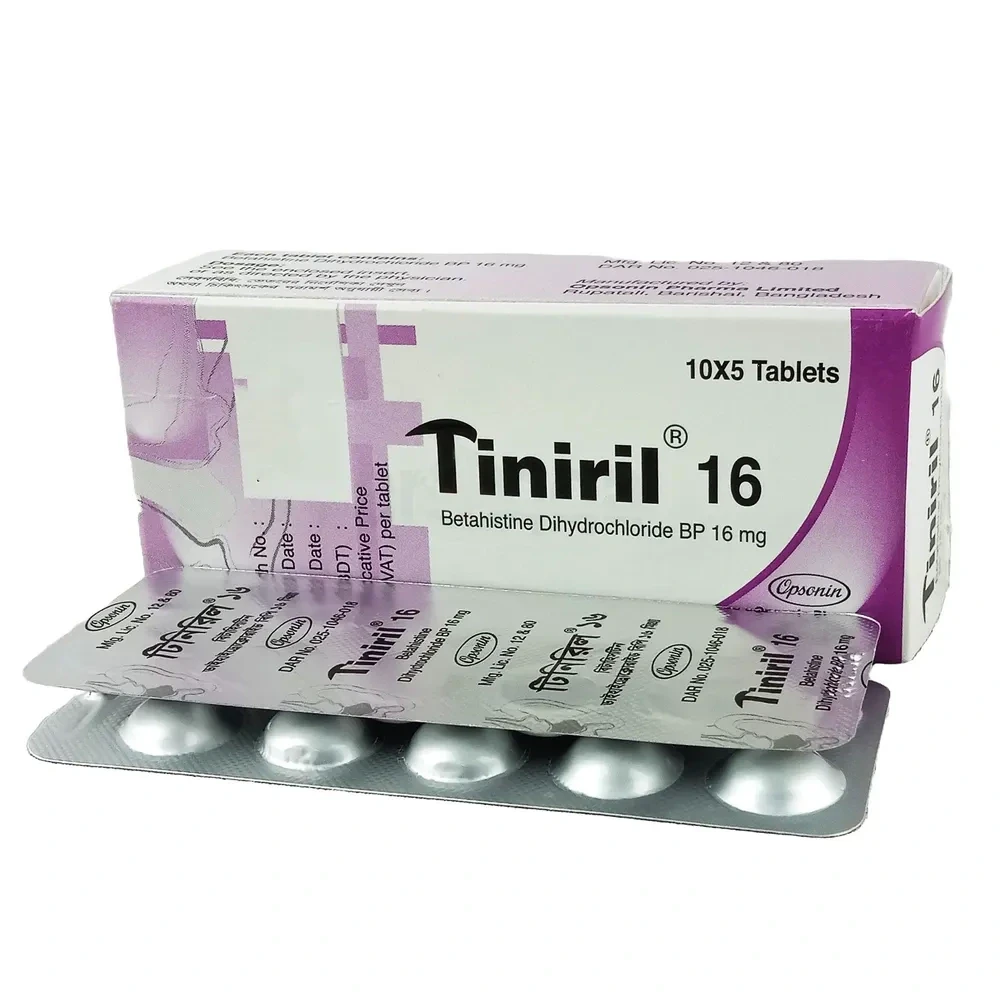
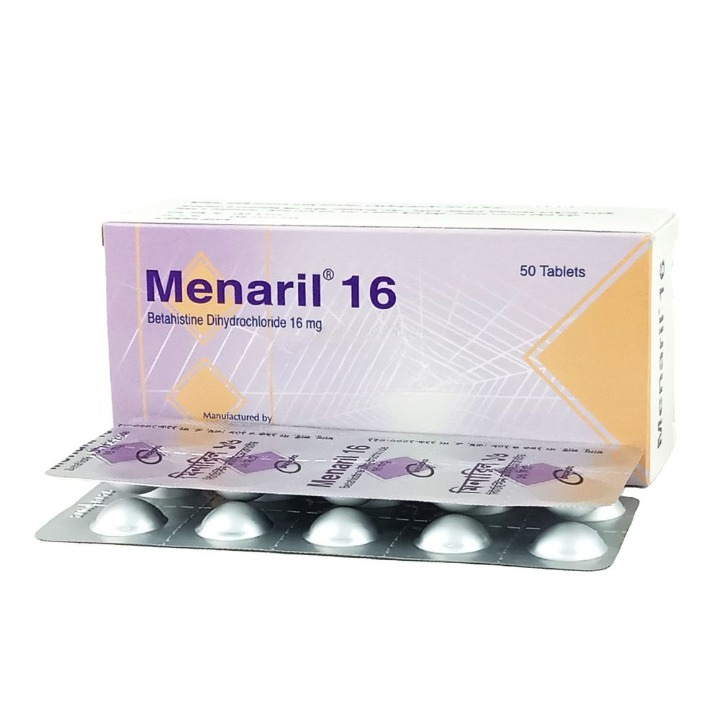
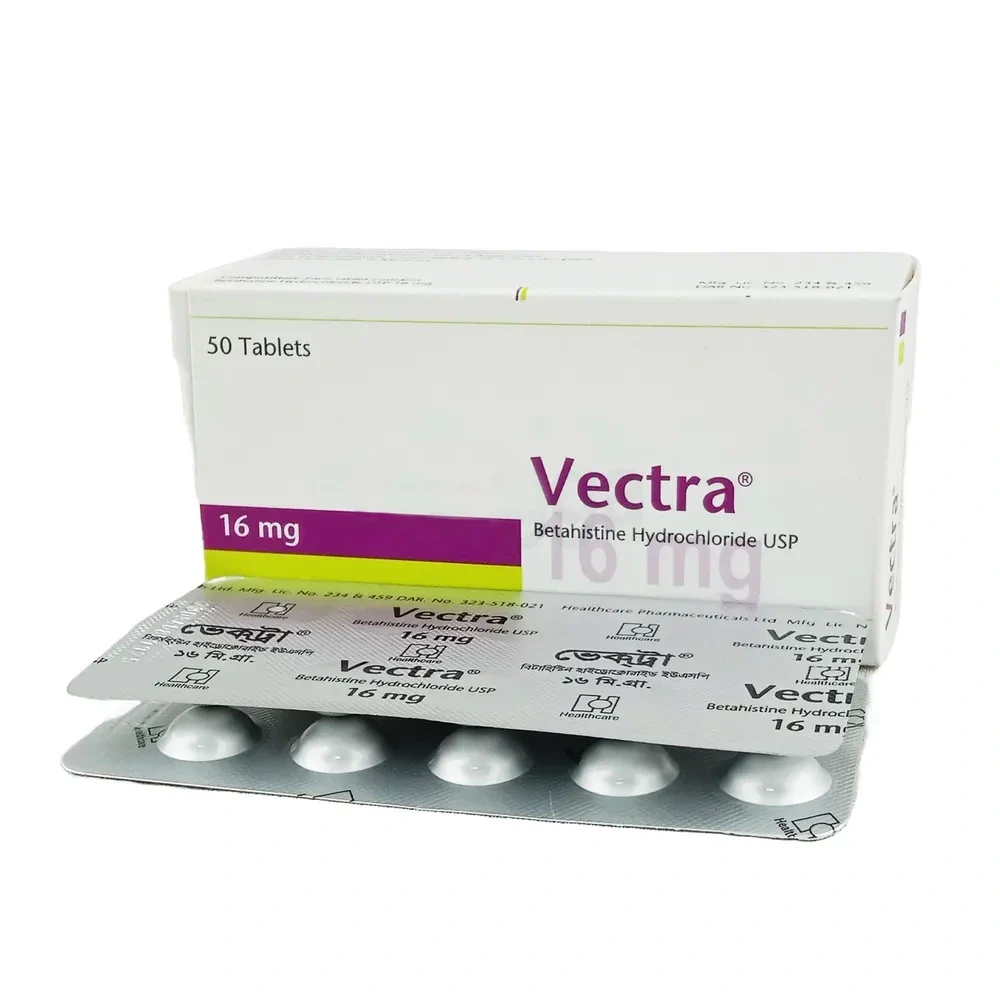
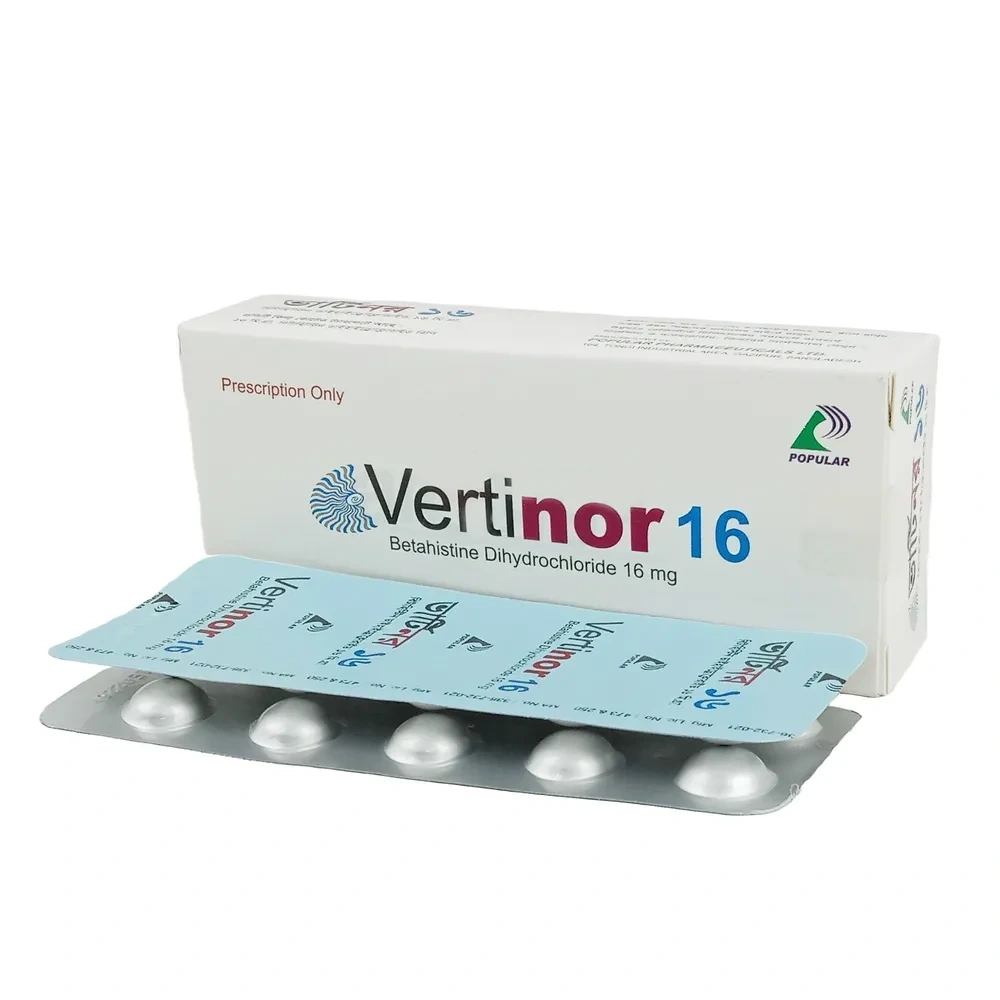
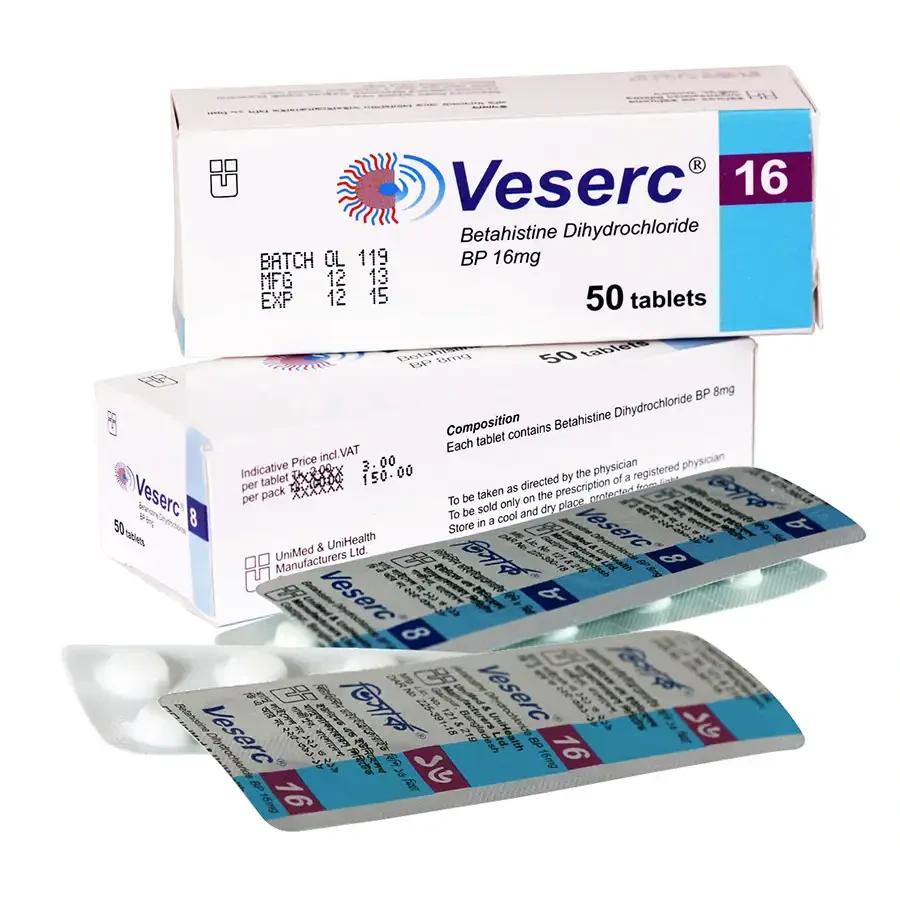
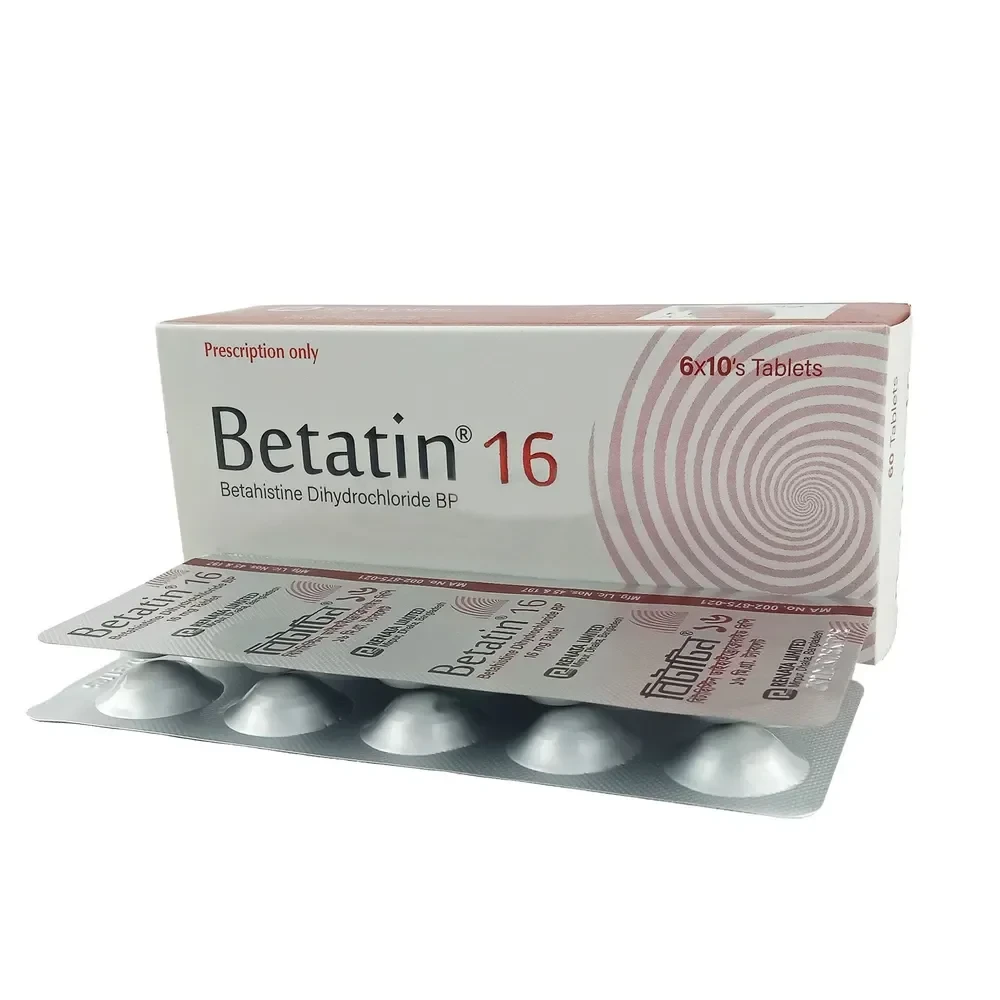
Betahistine is a histamine analogue with antivertigo properties used to relieve symptoms of Ménière's disease, including vertigo, tinnitus, and hearing loss. It is believed to improve inner ear blood flow and reduce abnormal pressure within the inner ear by acting on histamine receptors, thereby helping to alleviate dizziness and balance disturbances. Betahistine is commonly used for the symptomatic management of Ménière's disease and other vestibular disorders.
Uses
Betahistine is an antivertigo agent used for the reduction of episodes of vertigo association with Ménière's disease.
Betahistine is indicated for the reduction of recurrent vertigo episodes associated with Ménière's disease in patients 18 years old and above.
Associated Conditions
Pharmacodynamics
Through its actions on the histamine receptors, betahistine provides relief from vertigo associated with Ménière's disease.
Mechanism of Action
Vertigo is a disturbing sensation of movement caused by dysfunction of the labyrinth (inner ear), vestibular nerve, cerebellum, brainstem, or Central Nervous System (CNS). Vestibular forms of vertigo are often accompanied by auditory dysfunctions such as hyperacusis, hearing loss, and tinnitus. In most cases, adaptive mechanisms of the CNS lead to functional recovery after episodes of vertigo, however, syndromes such as Ménière's disease tend to cause the recurrence of vertigo symptoms. This significantly impacts the quality of life and the ability to carry out daily activities.
H1-receptor activity
The mechanism of action of betahistine is multifactorial. Ménière's disease is thought to result from a disruption of endolymphatic fluid homeostasis in the ear. Betahistine mainly acts as a histamine H1-receptor agonist. The stimulation of H1-receptors in the inner ear causes a vasodilatory effect leading to increased permeability of blood vessels and a reduction in endolymphatic pressure; this action prevents the rupture of the labyrinth, which can contribute to the hearing loss associated with Ménière's disease. Betahistine is also purported to act by reducing the asymmetrical functioning of sensory vestibular organs and increasing vestibulocochlear blood flow, relieving symptoms of vertigo.
H3-receptor activity
In addition to the above mechanisms, betahistine also acts as a histamine H3-receptor antagonist, increasing the turnover of histamine from postsynaptic histaminergic nerve receptors, subsequently leading to an increase in H1-agonist activity. H3-receptor antagonism elevates levels of neurotransmitters including serotonin in the brainstem, inhibiting the activity of vestibular nuclei, thus restoring proper balance and decreasing vertigo symptoms.
Absorption
When given orally, betahistine is rapidly and almost completely absorbed from the gastrointestinal tract. In the fasted state, Cmax is achieved within 1 hour of administration; in the fed state, Cmax is delayed, but the total drug absorption is similar. Food, therefore, has little effect on the absorption of betahistine.
Volume of Distribution
In a pharmacokinetic study of rats, betahistine was found to be distributed throughout the body. Human data for betahistine's volume of distribution is not readily available.
Protein Binding
The plasma protein binding of betahistine is reported to be less than 5%.
Route of Elimination
Betahistine is mainly excreted in the urine; with approximately 85-91% being detected in urine samples within 24 hours of administration.
Half Life
The half-life of betahistine is 3-4 hours.
Toxicity
Symptoms of an overdose with betahistine (< 640 mg) include dry mouth, nausea, dyspepsia, abdominal pain, and somnolence. Serious complications such as convulsions, pulmonary or cardiac effects may occur with higher doses (> 640 mg), especially during intentional overdoses and combination with other drugs. In the case of an overdose with betahistine, provide supportive therapy, and contact the local poison control center for further management.
Food Interactions
- Take with food. This may reduce or prevent gastrointestinal upset.
Dosage
Children and adolescents: Betahistine tablets are not recommended for use in children and adolescents below age 18 due to lack of data on safety and efficacy.