Introduction

Terazosin Hydrochloride is an alpha-1 adrenergic blocker used primarily for the treatment of hypertension and benign prostatic hyperplasia (BPH). By relaxing blood vessels and the muscles in the prostate and bladder, it helps to lower blood pressure and improve urinary symptoms associated with BPH.

Uses

Terazosin Hydrochloride is used for:

  • Treating hypertension (high blood pressure) by relaxing blood vessels to improve blood flow.
  • Managing symptoms of benign prostatic hyperplasia (BPH) such as difficulty urinating, frequent urination, and weak urine stream.

Brand Name Terazosin Hydrochloride
Type
Weight
Generic Terazosin Hydrochloride
Manufacturer
Available in English বাংলা

Mechanism of Action

Terazosin Hydrochloride works by selectively blocking alpha-1 adrenergic receptors located in the smooth muscle of blood vessels and the prostate. This blockage causes relaxation of these muscles, leading to vasodilation (widening of blood vessels) and decreased resistance in the urinary tract, which helps reduce blood pressure and relieve urinary symptoms.

How Long Does It Take to Work?

For hypertension, Terazosin Hydrochloride may take a few weeks to achieve optimal blood pressure control. For BPH, improvement in urinary symptoms can often be observed within a few weeks of starting therapy, but maximum benefit may take several weeks to months.

Absorption

Terazosin is well absorbed after oral administration. It reaches peak plasma concentrations within 1 to 2 hours. The drug has a high oral bioavailability, meaning a significant portion of the dose is absorbed into the bloodstream.

Route of Elimination

Terazosin is primarily metabolized in the liver. Its metabolites are excreted mainly via the urine, with a smaller amount eliminated through the feces.

Dosage

Benign Prostatic Hyperplasia-
  • Initial dose: 1 mg at bedtime is starting dose of all patients and this dose should not be exceeded.
  • Subsequent dose: The dose slowly increases to achieve the desired response. The usual recommended dose range is 5-10 mg administered once a day.
Hypertension-
  • Initial dose: 1 mg at bedtime is starting dose of all patients and this dose should not be exceeded.
  • Subsequent dose: The dose slowly increases to achieve the desired response. The usual recommended dose range is 2-10 mg administered once a day.
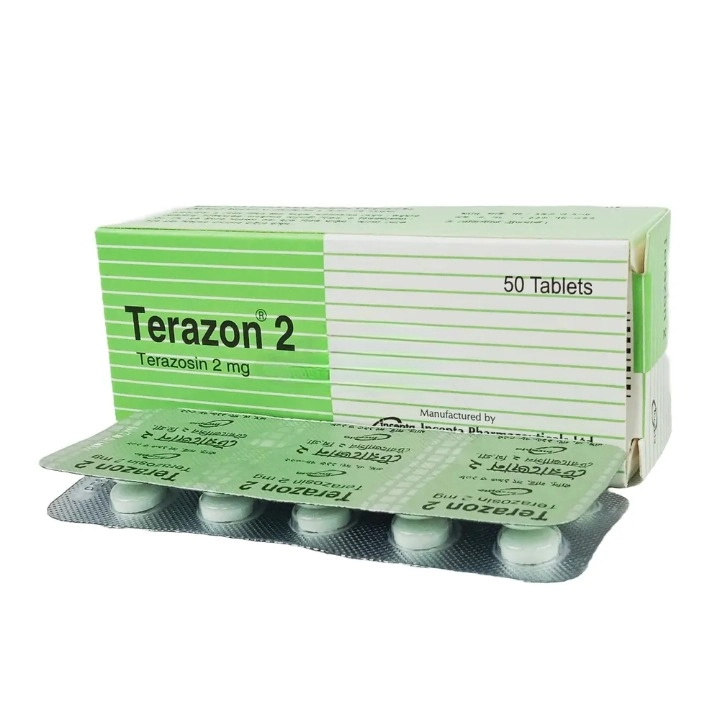
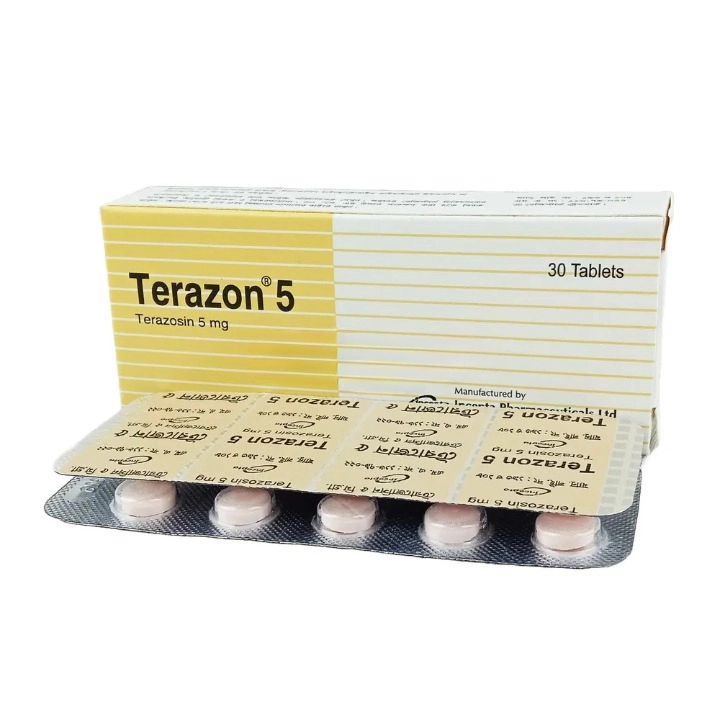
The dosage of Terazosin Hydrochloride varies based on the condition being treated:

  • For hypertension, the usual starting dose is 1-2 mg once daily, which may be gradually increased to a maximum of 20 mg per day as needed.
  • For BPH, the typical starting dose is 1-2 mg once daily, with possible increments to a maximum of 10 mg per day based on patient response and tolerability.
Dosage adjustments should be made based on individual patient needs and response.

Administration

Terazosin Hydrochloride is administered orally in the form of tablets. It should be taken with or without food, and it is important to take it at the same time each day to maintain consistent blood levels.

Side Effects

Common side effects include:

  • Dizziness or lightheadedness, particularly when standing up quickly.
  • Headache.
  • Fatigue.
  • Edema (swelling) of the legs and ankles.
Less common but more serious side effects may include:
  • Severe hypotension (low blood pressure).
  • Syncope (fainting).
  • Rapid heartbeat or palpitations.

Toxicity

Toxicity is typically associated with overdose or excessive lowering of blood pressure. Symptoms may include severe dizziness, fainting, or rapid heart rate. In cases of suspected overdose, seek immediate medical attention.

Precautions

Precautions include:

  • Monitoring blood pressure regularly, especially during the initial phase of treatment or dosage adjustments.
  • Assessing for symptoms of hypotension and managing dosage to prevent significant drops in blood pressure.
  • Adjusting dose in patients with liver impairment, as Terazosin is metabolized by the liver.

Interaction

Terazosin may interact with:

  • Other antihypertensive agents, potentially enhancing blood pressure-lowering effects.
  • Medications that affect liver enzymes, which can alter Terazosin metabolism.
  • Phosphodiesterase-5 inhibitors (e.g., sildenafil), which may increase the risk of hypotension.
Inform your healthcare provider of all medications you are taking to manage potential interactions.

Disease Interaction

Use with caution in individuals with:

  • Severe hepatic impairment due to altered metabolism.
  • Orthostatic hypotension or a history of fainting spells.
  • Pre-existing cardiovascular conditions.
Regular monitoring is advised to manage these risks effectively.

Drug Interaction

Drug interactions may occur with:

  • Antihypertensives, increasing the risk of additive hypotensive effects.
  • Antifungal agents and certain antibiotics that may affect Terazosin metabolism.
Always consult with a healthcare provider for a full assessment of potential drug interactions.

Food Interactions

There are no specific food interactions with Terazosin. However, maintaining a balanced diet and avoiding excessive alcohol intake is recommended to support overall health and treatment efficacy.

Pregnancy Use

Terazosin is generally not recommended during pregnancy unless absolutely necessary. It should be used only if the potential benefit justifies the potential risk to the fetus. Consult with a healthcare provider for alternatives if pregnant or planning to become pregnant.

Lactation Use

Terazosin is not recommended for use during lactation. It is important to consult with a healthcare provider to assess risks and consider alternative treatments if breastfeeding.

Acute Overdose

In the event of an acute overdose, symptoms may include severe hypotension, dizziness, or fainting. Immediate medical attention is necessary to manage these symptoms effectively.

Contraindication

Contraindications include:

  • Known hypersensitivity to Terazosin or any of its components.
  • Severe hepatic impairment.
Avoid use in these conditions to prevent adverse effects.

Use Direction

Follow the healthcare provider's instructions regarding dosage and administration. Take Terazosin at the same time each day, with or without food, and do not adjust the dose without consulting your healthcare provider.

Storage Conditions

Store Terazosin Hydrochloride at room temperature, away from moisture and heat. Keep the medication in its original container and out of reach of children.

Volume of Distribution

The volume of distribution for Terazosin Hydrochloride is approximately 1.8 L/kg. It indicates the extent to which the drug distributes into body tissues compared to plasma.

Half Life

The half-life of Terazosin Hydrochloride is approximately 9-12 hours. This allows for once-daily dosing in most cases.

Clearance

Terazosin is primarily cleared through the liver, with some elimination via the kidneys. Its clearance rate can be affected by liver function, and adjustments in dosing may be necessary for patients with hepatic impairment.

See in details version Terazosin Hydrochloride also Terazosin Hydrochloride in bangla

Some Frequently Asked Questions About Terazosin Hydrochloride

*** Taking medicines without doctor's advice can cause long-term problems.
Dr. Farzana Begum

Dr. Farzana Begum

Gynecology, Obstetrics Specialist & Surgeon

Call Doctor
Dr. Akhtari Hossain Chowdhury Nipa

Dr. Akhtari Hossain Chowdhury Nipa

Gynecology, Infertility Specialist & Surgeon

Call Doctor
Dr. Hasina Akhter Rekha

Dr. Hasina Akhter Rekha

Gynecology, Infertility Specialist & Laparoscopic Surgeon

Call Doctor
Related Medicines