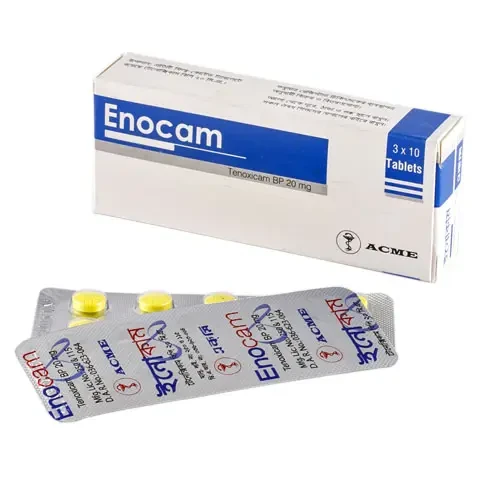
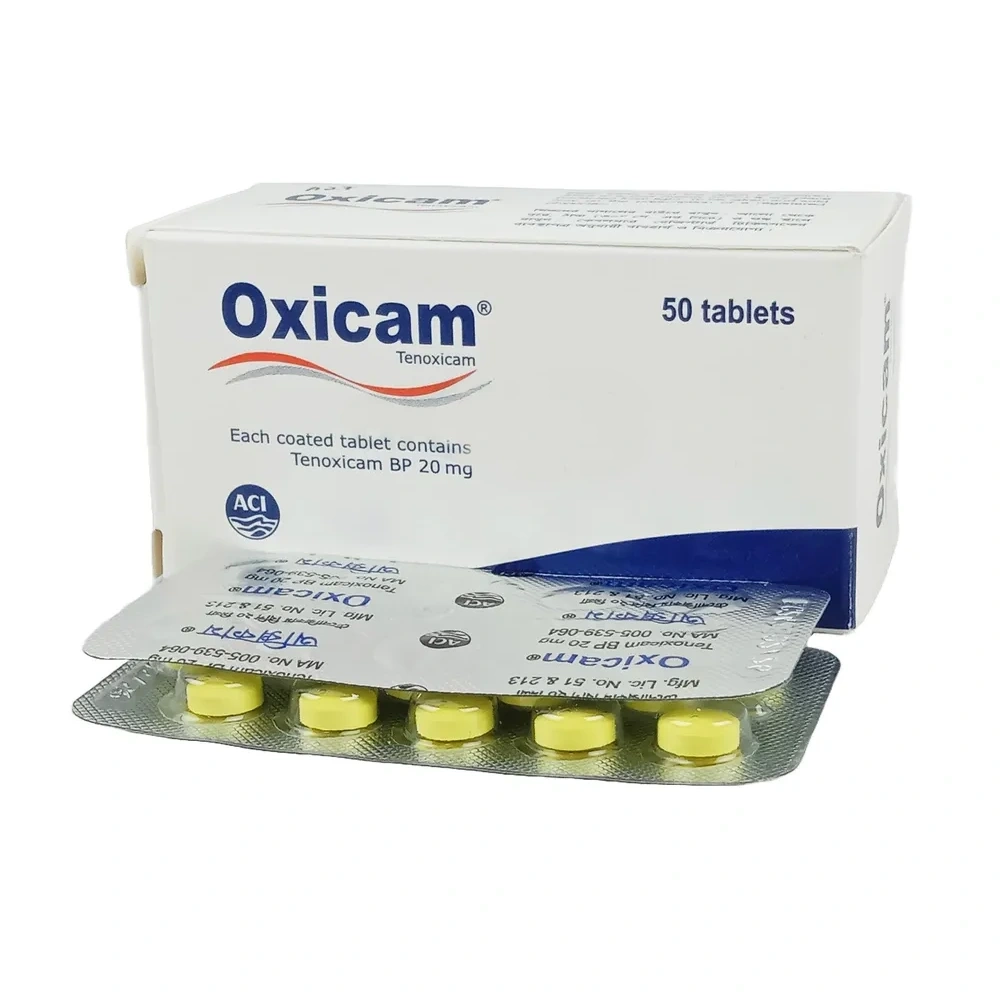
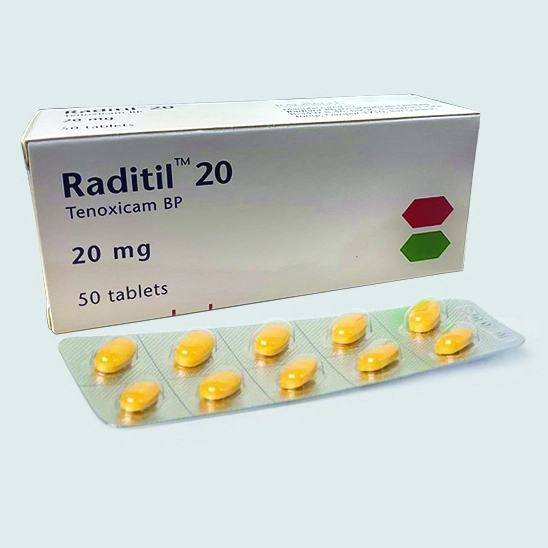
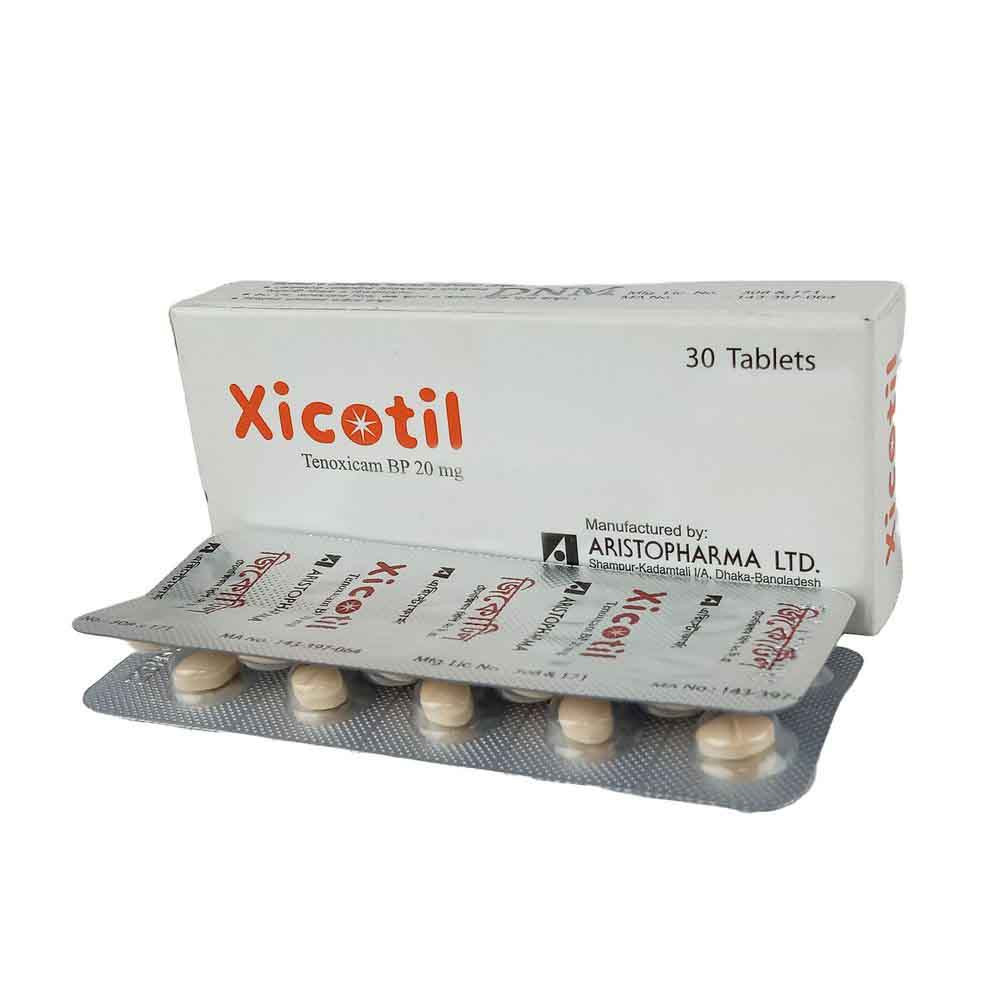
Tenoxim Tablet 20 mg is a nonsteroidal anti-inflammatory drug (NSAID) used to manage pain and inflammation. It belongs to the oxicam class of NSAIDs and is commonly prescribed for conditions such as arthritis and musculoskeletal disorders. Tenoxim Tablet 20 mg is known for its long half-life, which allows for once-daily dosing.
Tenoxim Tablet 20 mg is primarily used to treat inflammatory and degenerative conditions such as osteoarthritis, rheumatoid arthritis, and ankylosing spondylitis. It is also used to relieve pain from musculoskeletal disorders and to manage acute pain associated with various conditions. Its anti-inflammatory, analgesic, and antipyretic properties make it effective for these purposes.
| Brand Name | Tenoxim |
|---|---|
| Type | Tablet |
| Weight | 20 mg |
| Generic | Tenoxicam |
| Manufacturer | Eskayef Pharmaceuticals Ltd. |
| Available in | English বাংলা |
Tenoxim Tablet 20 mg works by inhibiting the enzyme cyclooxygenase (COX), which is involved in the production of prostaglandins. Prostaglandins are chemicals in the body that mediate inflammation, pain, and fever. By blocking COX enzymes, Tenoxim Tablet 20 mg reduces the synthesis of prostaglandins, thereby decreasing inflammation, pain, and fever.
Tenoxim Tablet 20 mg generally starts to provide relief from pain and inflammation within a few hours of administration. However, its full therapeutic effects may take several days to become apparent due to its long half-life and gradual accumulation in the body.
Tenoxim Tablet 20 mg is well absorbed from the gastrointestinal tract. It reaches peak plasma concentrations approximately 4 to 6 hours after oral administration. The drug has good bioavailability and is not significantly affected by food.
Tenoxim Tablet 20 mg is primarily metabolized in the liver. Its metabolites are excreted via the urine, with a small portion eliminated in the feces. The drug is extensively bound to plasma proteins, which influences its distribution and elimination.
The typical dosage of Tenoxim Tablet 20 mg is 20 mg once daily. In some cases, a lower dose of 10 mg may be used for patients with mild symptoms or those requiring long-term maintenance therapy. The dosage may be adjusted based on the severity of the condition and the patient’s response to treatment.
Tenoxim Tablet 20 mg is administered orally in the form of tablets. It should be taken with or after food to minimize gastrointestinal irritation. The tablet should be swallowed whole with a glass of water and not chewed or crushed.
Common side effects of Tenoxim Tablet 20 mg include gastrointestinal symptoms such as nausea, vomiting, dyspepsia, and abdominal pain. Other potential side effects include headache, dizziness, and rash. Long-term use can lead to more serious effects, such as gastrointestinal bleeding or renal impairment.
Symptoms of Tenoxim Tablet 20 mg toxicity may include severe gastrointestinal symptoms (such as bleeding or ulceration), renal dysfunction, and central nervous system effects like confusion or convulsions. In cases of overdose, supportive treatment and symptomatic management are necessary. Activated charcoal may be used if ingestion was recent.
Precautions should be taken in patients with a history of gastrointestinal disorders, cardiovascular disease, or renal impairment. Regular monitoring of kidney function and gastrointestinal health is recommended during prolonged therapy. Caution is also advised in elderly patients who may be more susceptible to adverse effects.
Tenoxim Tablet 20 mg may interact with other medications, including anticoagulants, other NSAIDs, and certain antihypertensives. These interactions can increase the risk of bleeding or reduce the effectiveness of blood pressure medications. Patients should inform their healthcare provider of all concurrent medications to manage potential interactions.
Tenoxim Tablet 20 mg should be used with caution in patients with pre-existing liver disease, renal impairment, or cardiovascular conditions. It may exacerbate these conditions or lead to additional complications. Regular monitoring and dose adjustments may be required based on the patient's overall health status.
Drug interactions with Tenoxim Tablet 20 mg include increased risk of bleeding when used with anticoagulants or other NSAIDs. Additionally, Tenoxim Tablet 20 mg may reduce the efficacy of antihypertensive drugs like ACE inhibitors. Monitoring and dose adjustments may be necessary when Tenoxim Tablet 20 mg is used with these drugs.
Food does not significantly affect the absorption of Tenoxim Tablet 20 mg. However, taking Tenoxim Tablet 20 mg with food may help reduce gastrointestinal irritation. It is generally recommended to take the medication with or after a meal.
Tenoxim Tablet 20 mg is classified as Category C for pregnancy, meaning that risk cannot be ruled out. It should be used during pregnancy only if the potential benefits justify the risks to the fetus. The medication should be avoided in the third trimester due to potential risks of premature closure of the ductus arteriosus in the fetus.
Tenoxim Tablet 20 mg is excreted in breast milk, and its use during lactation is generally not recommended unless the benefits outweigh the risks. Alternative treatments should be considered for breastfeeding mothers, and consultation with a healthcare provider is advised.
In the event of an acute overdose of Tenoxim Tablet 20 mg, symptoms may include severe gastrointestinal distress, renal failure, and central nervous system effects. Management involves supportive care, including monitoring vital signs, and symptomatic treatment. Activated charcoal may be administered if the overdose is recent.
Tenoxim Tablet 20 mg is contraindicated in patients with known hypersensitivity to the drug or other NSAIDs. It should also be avoided in individuals with active or history of gastrointestinal bleeding, severe renal or hepatic impairment, and in the third trimester of pregnancy.
Tenoxim Tablet 20 mg should be taken exactly as prescribed by a healthcare provider. It is important to follow the dosing schedule and not exceed the recommended dose. Patients should be advised to report any unusual symptoms or side effects to their healthcare provider.
Store Tenoxim Tablet 20 mg at room temperature, away from moisture and direct sunlight. Keep the medication in its original container, tightly closed, and out of reach of children. Do not use the medication past its expiration date.
The volume of distribution of Tenoxim Tablet 20 mg is approximately 0.2 to 0.3 L/kg. This indicates the drug is distributed throughout the body’s tissues, with significant binding to plasma proteins.
The elimination half-life of Tenoxim Tablet 20 mg is approximately 72 hours. This long half-life allows for once-daily dosing and contributes to the drug's effectiveness in managing chronic conditions.
Tenoxim Tablet 20 mg is primarily cleared through hepatic metabolism, with its metabolites excreted in the urine. Renal clearance plays a role in the elimination of the drug and its metabolites, so dose adjustments may be necessary in patients with renal impairment.
See in details version Tenoxim Tablet 20 mg also Tenoxim Tablet 20 mg in bangla
Dr. Farzana Sharmin Shuvra
Gynecology, Obstetrics, High Risk Pregnancy Specialist & Surgeon