Introduction
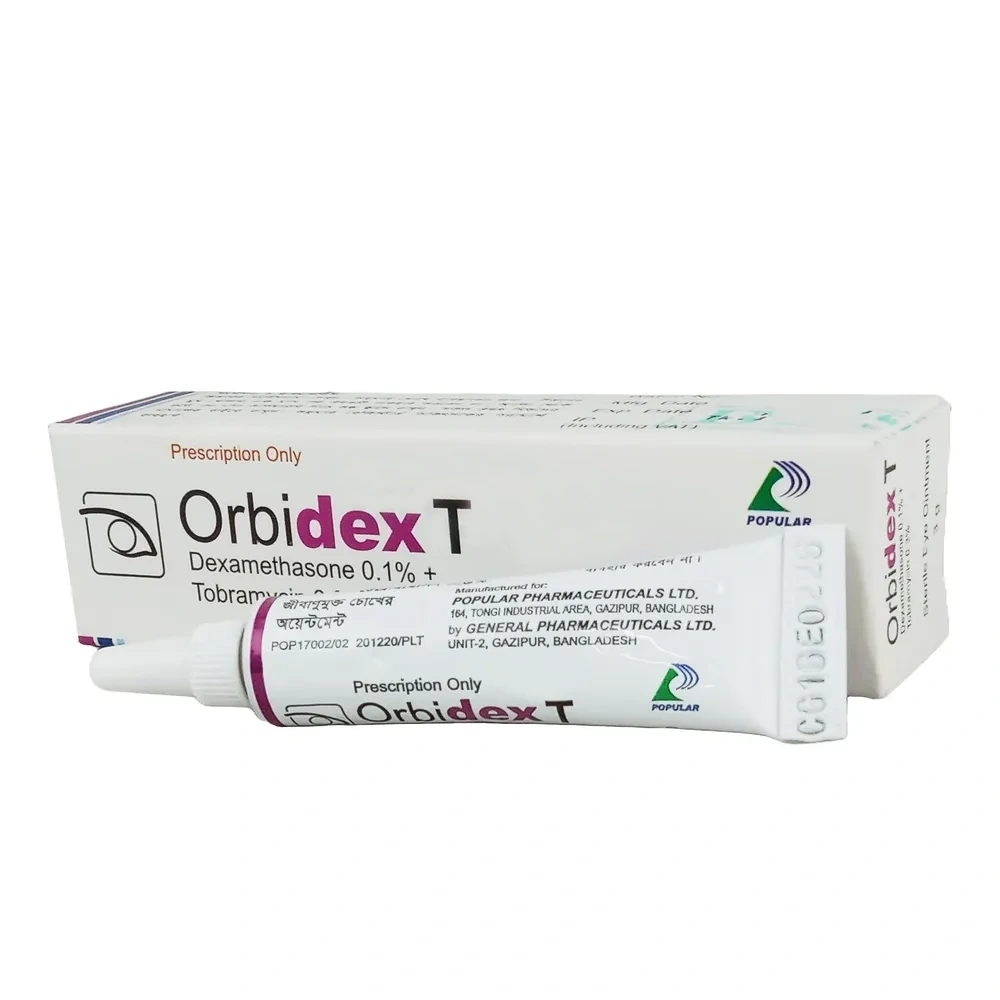
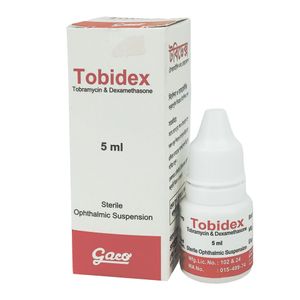
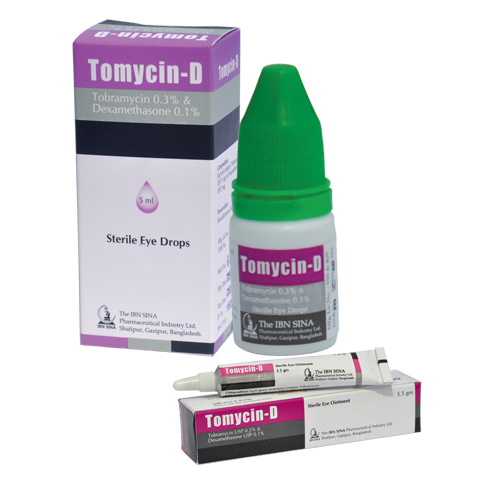
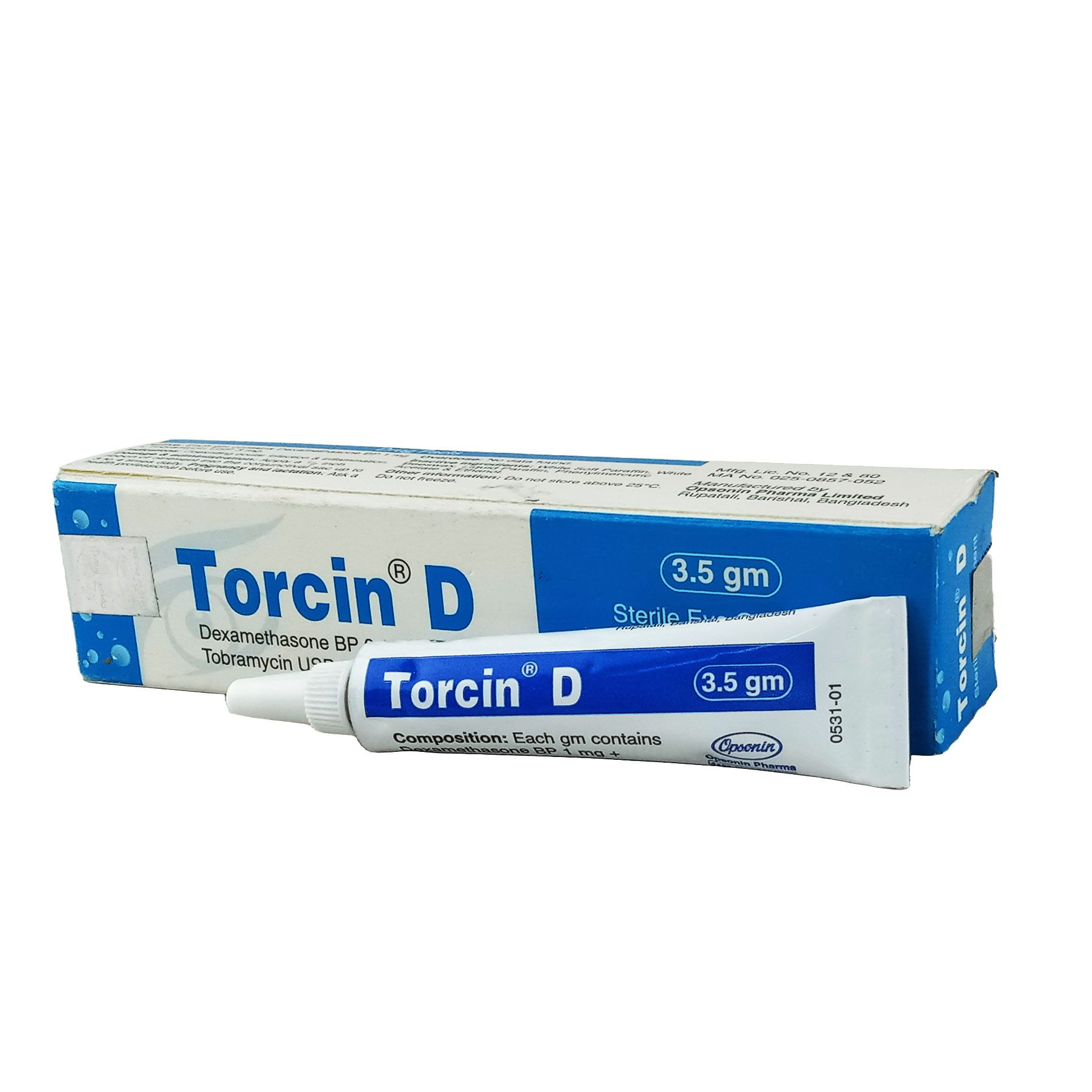
T-Mycin Plus Ophthalmic Ointment 0.1%+0.3% is a combination medication used primarily to treat inflammation and infections, often in ophthalmic preparations. Dexamethasone is a corticosteroid with potent anti-inflammatory properties, while Tobramycin is an aminoglycoside antibiotic effective against bacterial infections. This combination is used to provide both anti-inflammatory and antimicrobial effects.
Uses
The combination of Dexamethasone and Tobramycin is used in various clinical settings:
- Ophthalmic Conditions: To treat inflammatory eye conditions and infections such as conjunctivitis or keratitis.
- Post-Surgical Care: To reduce inflammation and prevent infection following eye surgeries.
Mechanism of Action
Dexamethasone works by reducing inflammation and suppressing the immune response through its action on corticosteroid receptors. Tobramycin inhibits bacterial protein synthesis by binding to the 30S ribosomal subunit, thereby preventing bacterial growth and replication.
How Long Does It Take to Work?
The onset of action for T-Mycin Plus Ophthalmic Ointment 0.1%+0.3% can vary:
- Ophthalmic treatments may show improvement in symptoms within a few days of application.
- Full therapeutic effects might take several days to be evident, depending on the severity of the condition and individual patient response.
Absorption
When administered topically (e.g., as eye drops), the absorption of T-Mycin Plus Ophthalmic Ointment 0.1%+0.3% occurs locally at the site of application. Systemic absorption is minimal, but some amount may be absorbed through the conjunctiva and the cornea into the bloodstream.
Route of Elimination
Dexamethasone is primarily metabolized by the liver and excreted via the urine. Tobramycin is mainly eliminated by the kidneys through renal excretion, with minimal metabolism occurring in the liver.
Dosage
Eye Drops: Insert 1 drop into the conjunctival sac 3-5 times per day. During the initial 24 to 48 hours, the dosage may be increased to 1 drop every 2 hours.Eye Ointment: Apply a small amount into the conjunctival sac 3-4 times per day. Slowly close your eyes without blinking. Keep your eyes closed for 1 to 2 minutes.
Pediatric Use: Safety and effectiveness in pediatric patients below the age of 2 years have not been established.
The dosage of T-Mycin Plus Ophthalmic Ointment 0.1%+0.3% depends on the specific formulation and condition being treated:
- Ophthalmic Drops: Typically, 1-2 drops in the affected eye(s) 3-4 times daily. The exact dosage may vary based on the severity of the condition.
- Other formulations: Dosage should be tailored according to the specific product and patient needs.
Administration
T-Mycin Plus Ophthalmic Ointment 0.1%+0.3% is commonly administered as eye drops. For correct administration:
- Wash hands thoroughly before applying the drops.
- Hold the dropper above the eye and avoid touching the eye with the dropper tip.
- Gently pull down the lower eyelid to form a pouch and place the prescribed number of drops into the pouch.
- Close the eye and gently press on the inner corner of the eye to prevent the drops from draining out.
Side Effects
Common side effects include:
- Local irritation, burning, or stinging in the eyes.
- Redness or itching.
- Blurred vision or sensitivity to light.
Toxicity
Toxicity is rare when used as directed. Overuse or improper use may lead to significant side effects or complications such as increased intraocular pressure or secondary infections. Seek medical attention if symptoms of toxicity, such as severe pain or vision changes, occur.
Precautions
Precautions include:
- Avoid contact lens use while using the medication unless specifically advised by a healthcare provider.
- Monitor for signs of increased intraocular pressure or infection.
- Use with caution in patients with a history of eye diseases or infections.
Interaction
T-Mycin Plus Ophthalmic Ointment 0.1%+0.3% may interact with other medications. Inform the healthcare provider of all concurrent medications, including over-the-counter drugs and supplements, to avoid potential interactions.
Disease Interaction
Use with caution in patients with:
- Glaucoma or elevated intraocular pressure.
- History of fungal or viral eye infections.
Drug Interaction
Potential interactions include:
- Other corticosteroids or immunosuppressive agents may exacerbate side effects.
- Antibiotics and antifungal agents may interact with Tobramycin, affecting its efficacy.
Food Interactions
There are no specific food interactions reported with T-Mycin Plus Ophthalmic Ointment 0.1%+0.3%. Maintain a balanced diet to support overall health and treatment efficacy.
Pregnancy Use
T-Mycin Plus Ophthalmic Ointment 0.1%+0.3% should be used during pregnancy only if clearly needed and prescribed by a healthcare provider. The risks and benefits should be carefully considered, as corticosteroids and antibiotics can have implications for both the mother and fetus.
Lactation Use
T-Mycin Plus Ophthalmic Ointment 0.1%+0.3% is generally considered safe during lactation, but consult with a healthcare provider to ensure that the medication does not adversely affect breastfeeding or the infant.
Acute Overdose
Acute overdose is unlikely with topical use. In case of accidental ingestion or misuse, seek medical advice immediately. Overuse of the medication can lead to increased side effects and complications.
Contraindication
Contraindications include:
- Hypersensitivity to Dexamethasone, Tobramycin, or any other components of the formulation.
- Active viral or fungal eye infections where corticosteroids or antibiotics might worsen the condition.
Use Direction
Follow the prescribed dosage and administration instructions carefully. Avoid sharing the medication and ensure that the product is used only for the indicated condition. Report any concerns or side effects to a healthcare provider promptly.
Storage Conditions
Store T-Mycin Plus Ophthalmic Ointment 0.1%+0.3% according to the manufacturer's instructions, typically in a cool, dry place away from direct sunlight. Ensure the medication is kept out of reach of children and properly sealed to maintain efficacy.
Volume of Distribution
The volume of distribution for T-Mycin Plus Ophthalmic Ointment 0.1%+0.3% in topical applications is not typically measured. The medication acts locally at the site of application with minimal systemic distribution.
Half Life
The half-life of Dexamethasone varies depending on the route of administration and individual factors but generally ranges from 3 to 5 hours. Tobramycin has a half-life of approximately 2 to 3 hours when administered systemically. The half-life of topical applications may differ.
Clearance
Dexamethasone is cleared primarily by hepatic metabolism and renal excretion. Tobramycin is primarily cleared by renal excretion. The clearance rates may be influenced by individual patient factors and the specific formulation used.