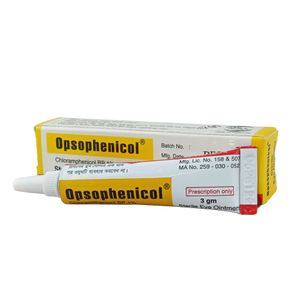
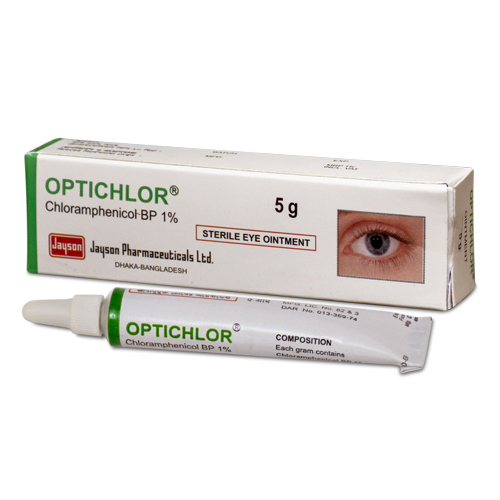
1. What is Supraphen Ophthalmic Ointment 1%?
Supraphen Ophthalmic Ointment 1% is an antibiotic used to treat a variety of bacterial infections. It works by inhibiting the growth of bacteria, preventing them from synthesizing proteins necessary for survival.
2. How does Supraphen Ophthalmic Ointment 1% work?
Supraphen Ophthalmic Ointment 1% works by binding to the bacterial ribosome and inhibiting protein synthesis, which leads to the bacteria's death or growth inhibition.
3. What infections is Supraphen Ophthalmic Ointment 1% used to treat?
Supraphen Ophthalmic Ointment 1% is used to treat infections such as:
- Typhoid fever
- Eye infections (e.g., conjunctivitis)
- Bacterial meningitis
- Respiratory tract infections
- Sepsis
- Skin infections
4. How is Supraphen Ophthalmic Ointment 1% administered?
Supraphen Ophthalmic Ointment 1% is available in several forms, including oral tablets, liquid suspension, and eye drops. The method of administration depends on the type of infection being treated.
5. What is the usual dosage of Supraphen Ophthalmic Ointment 1%?
The dosage of Supraphen Ophthalmic Ointment 1% varies depending on the type of infection. For adults, typical doses range from 250 mg to 1,000 mg every 6 hours for oral administration. However, always follow your healthcare provider's instructions.
6. Can Supraphen Ophthalmic Ointment 1% be used in children?
Supraphen Ophthalmic Ointment 1% can be used in children, but dosage adjustments are necessary based on the child's age and weight. It should be used under medical supervision to avoid potential risks, including bone marrow suppression.
7. What are the side effects of Supraphen Ophthalmic Ointment 1%?
Common side effects of Supraphen Ophthalmic Ointment 1% include:
- Headache
- Vomiting
- Nausea
- Diarrhea
- Skin rash
- Bone marrow suppression (rare but serious)
8. Can Supraphen Ophthalmic Ointment 1% cause bone marrow suppression?
Yes, bone marrow suppression is a rare but serious side effect of Supraphen Ophthalmic Ointment 1%, which can lead to anemia, low white blood cell counts, or low platelet counts. Regular blood tests are recommended during treatment.
9. Is Supraphen Ophthalmic Ointment 1% safe during pregnancy?
Supraphen Ophthalmic Ointment 1% should be used during pregnancy only if absolutely necessary and prescribed by a doctor, as it can cause harm to the fetus, including gray baby syndrome.
10. Can Supraphen Ophthalmic Ointment 1% be used while breastfeeding?
Supraphen Ophthalmic Ointment 1% can pass into breast milk and may harm a breastfeeding infant. It is advised to consult a doctor before using it while breastfeeding.
11. Can I drink alcohol while taking Supraphen Ophthalmic Ointment 1%?
It is recommended to avoid alcohol while taking Supraphen Ophthalmic Ointment 1%, as it may increase the risk of side effects such as stomach upset and dizziness.
12. What should I do if I miss a dose of Supraphen Ophthalmic Ointment 1%?
If you miss a dose of Supraphen Ophthalmic Ointment 1%, take it as soon as you remember. If it's almost time for the next dose, skip the missed dose and continue with your regular dosing schedule. Do not take two doses at once.
13. Can Supraphen Ophthalmic Ointment 1% be used for viral infections?
No, Supraphen Ophthalmic Ointment 1% is only effective against bacterial infections and will not work for viral infections like the common cold or influenza.
14. Can I take Supraphen Ophthalmic Ointment 1% if I have liver disease?
Supraphen Ophthalmic Ointment 1% should be used with caution in people with liver disease, as the drug is metabolized in the liver. Dose adjustments may be necessary, and close monitoring is recommended.
15. Can Supraphen Ophthalmic Ointment 1% be used for eye infections?
Yes, Supraphen Ophthalmic Ointment 1% eye drops or ointments are commonly used to treat bacterial eye infections such as conjunctivitis (pink eye).
16. How long does it take for Supraphen Ophthalmic Ointment 1% to work?
Supraphen Ophthalmic Ointment 1% usually starts to work within a few hours of administration, but it may take a few days to see significant improvement, depending on the severity of the infection.
17. Can Supraphen Ophthalmic Ointment 1% cause allergic reactions?
Yes, some people may experience allergic reactions to Supraphen Ophthalmic Ointment 1%, including rash, swelling, and difficulty breathing. Seek immediate medical attention if you experience signs of an allergic reaction.
18. Can Supraphen Ophthalmic Ointment 1% cause gray baby syndrome?
Gray baby syndrome is a rare but serious condition that can occur in newborns when they are exposed to Supraphen Ophthalmic Ointment 1%. Symptoms include a grayish skin color, difficulty breathing, and poor feeding. This condition is most common in premature or low-birth-weight infants.
19. What should I do if I overdose on Supraphen Ophthalmic Ointment 1%?
If you suspect an overdose, seek emergency medical attention immediately. Symptoms of overdose may include nausea, vomiting, confusion, and difficulty breathing.
20. Can Supraphen Ophthalmic Ointment 1% be used for dental infections?
Yes, Supraphen Ophthalmic Ointment 1% can be used for dental infections if prescribed by a dentist or doctor, especially in cases of severe infection that requires strong antibiotics.
21. How should Supraphen Ophthalmic Ointment 1% be stored?
Supraphen Ophthalmic Ointment 1% should be stored at room temperature in a dry place, away from heat and moisture. Keep it out of reach of children.
22. Can Supraphen Ophthalmic Ointment 1% be used for sinus infections?
Yes, Supraphen Ophthalmic Ointment 1% may be used for bacterial sinus infections, but it is generally prescribed only when other antibiotics are not effective.
23. Is Supraphen Ophthalmic Ointment 1% available over the counter?
Supraphen Ophthalmic Ointment 1% is generally available only by prescription, as it requires medical supervision due to its potential side effects.
24. Can Supraphen Ophthalmic Ointment 1% interact with other medications?
Yes, Supraphen Ophthalmic Ointment 1% can interact with other medications, including anticoagulants, phenytoin, and cyclosporine. Always inform your doctor of all the medications you are taking.
25. Can I stop taking Supraphen Ophthalmic Ointment 1% once I feel better?
It is important to complete the full course of Supraphen Ophthalmic Ointment 1% as prescribed, even if you feel better. Stopping treatment early can lead to the return of the infection or antibiotic resistance.
26. Can Supraphen Ophthalmic Ointment 1% cause gastrointestinal problems?
Yes, Supraphen Ophthalmic Ointment 1% can cause gastrointestinal side effects such as nausea, vomiting, and diarrhea. Taking the medication with food may help reduce these effects.
27. Is Supraphen Ophthalmic Ointment 1% effective against all bacterial infections?
No, Supraphen Ophthalmic Ointment 1% is effective against many bacterial infections, but it is not effective against all bacteria. The specific bacteria causing the infection should be identified for the best treatment.
28. How does Supraphen Ophthalmic Ointment 1% compare to other antibiotics?
Supraphen Ophthalmic Ointment 1% is effective against a wide range of bacterial infections, but due to its potential side effects, it is typically used when other antibiotics are not suitable.
29. Can Supraphen Ophthalmic Ointment 1% be used for wound infections?
Yes, Supraphen Ophthalmic Ointment 1% can be used for wound infections caused by susceptible bacteria. It can be applied topically as an ointment or used systemically, depending on the severity of the infection.
30. Can Supraphen Ophthalmic Ointment 1% cause hair loss?
Hair loss is not a common side effect of Supraphen Ophthalmic Ointment 1%, but if you experience hair thinning or other unusual symptoms, consult your healthcare provider.
31. Can Supraphen Ophthalmic Ointment 1% be used for tuberculosis?
Supraphen Ophthalmic Ointment 1% may be used as part of a combination therapy for tuberculosis, especially in cases of multidrug-resistant strains. It is not the first-line treatment for TB.
32. Can Supraphen Ophthalmic Ointment 1% be used for pneumonia?
Yes, Supraphen Ophthalmic Ointment 1% may be used to treat bacterial pneumonia when the specific causative bacteria are susceptible to it.
33. Is Supraphen Ophthalmic Ointment 1% safe for elderly people?
Elderly individuals should use Supraphen Ophthalmic Ointment 1% with caution, as they may be more susceptible to side effects such as bone marrow suppression. Dose adjustments and monitoring may be necessary.
34. Can Supraphen Ophthalmic Ointment 1% be used for acne?
Supraphen Ophthalmic Ointment 1% may be used in some cases of severe acne caused by bacterial infection, but it is not typically the first-line treatment for acne.
35. Does Supraphen Ophthalmic Ointment 1% require a prescription?
Yes, Supraphen Ophthalmic Ointment 1% requires a prescription from a healthcare provider due to its potential side effects and the need for medical supervision during treatment.
36. Can Supraphen Ophthalmic Ointment 1% cause dizziness?
Yes, dizziness is a possible side effect of Supraphen Ophthalmic Ointment 1%. If you experience dizziness, avoid activities that require full concentration, such as driving or operating machinery.
37. How quickly does Supraphen Ophthalmic Ointment 1% work?
Supraphen Ophthalmic Ointment 1% typically begins to show effects within 24 to 48 hours after starting treatment, although it may take longer for some infections to resolve.
38. Can Supraphen Ophthalmic Ointment 1% cause a rash?
Yes, a rash is a possible side effect of Supraphen Ophthalmic Ointment 1%. If you develop a rash, inform your doctor, as it may be a sign of an allergic reaction.
39. Is Supraphen Ophthalmic Ointment 1% effective against MRSA?
Supraphen Ophthalmic Ointment 1% may be effective against certain strains of MRSA, but other antibiotics may be preferred for treating methicillin-resistant Staphylococcus aureus (MRSA) infections.
40. Can Supraphen Ophthalmic Ointment 1% cause liver damage?
While rare, Supraphen Ophthalmic Ointment 1% can cause liver damage in some individuals. Liver function should be monitored during prolonged treatment.
41. Can I take Supraphen Ophthalmic Ointment 1% with food?
Supraphen Ophthalmic Ointment 1% can be taken with or without food, but taking it with food may help reduce stomach upset.
42. Can Supraphen Ophthalmic Ointment 1% cause headaches?
Headaches are a possible side effect of Supraphen Ophthalmic Ointment 1%. If headaches are severe or persistent, consult your doctor.
43. Is Supraphen Ophthalmic Ointment 1% effective against sexually transmitted infections?
Supraphen Ophthalmic Ointment 1% is not typically used for sexually transmitted infections. Other antibiotics are generally more appropriate for treating these conditions.
44. Can Supraphen Ophthalmic Ointment 1% be used for burns?
Supraphen Ophthalmic Ointment 1% ointment may be used to treat bacterial infections in burns, but it should be used under medical supervision.
45. Can Supraphen Ophthalmic Ointment 1% affect the kidneys?
Supraphen Ophthalmic Ointment 1% can cause kidney problems in rare cases. Kidney function should be monitored during treatment, especially in those with pre-existing kidney issues.
46. How does Supraphen Ophthalmic Ointment 1% affect the gut microbiota?
Supraphen Ophthalmic Ointment 1% can disrupt the balance of the gut microbiota, leading to gastrointestinal side effects like diarrhea or yeast infections.
47. Does Supraphen Ophthalmic Ointment 1% affect the central nervous system?
Supraphen Ophthalmic Ointment 1% can affect the central nervous system, potentially causing symptoms like dizziness, confusion, or seizures in rare cases.
48. How should I dispose of unused Supraphen Ophthalmic Ointment 1%?
Unused Supraphen Ophthalmic Ointment 1% should be disposed of according to your local pharmacy's disposal instructions. Do not flush it down the toilet or throw it in the trash.
49. Can Supraphen Ophthalmic Ointment 1% interact with herbal supplements?
Yes, some herbal supplements may interact with Supraphen Ophthalmic Ointment 1%. Always inform your healthcare provider of any herbal products you are taking.
50. What should I do if I have concerns about taking Supraphen Ophthalmic Ointment 1%?
If you have any concerns about taking Supraphen Ophthalmic Ointment 1%, discuss them with your doctor. They can provide guidance and adjust your treatment as needed.