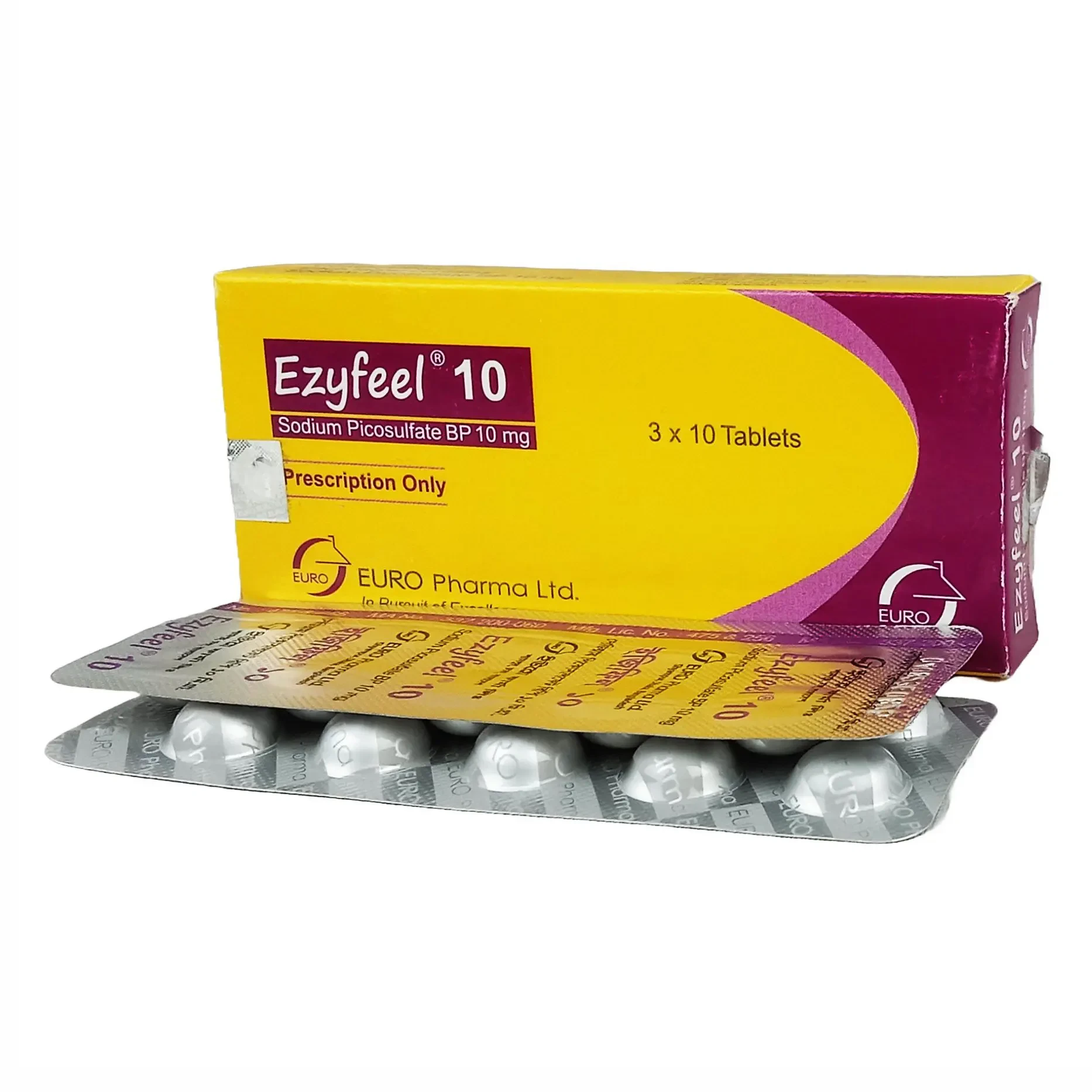
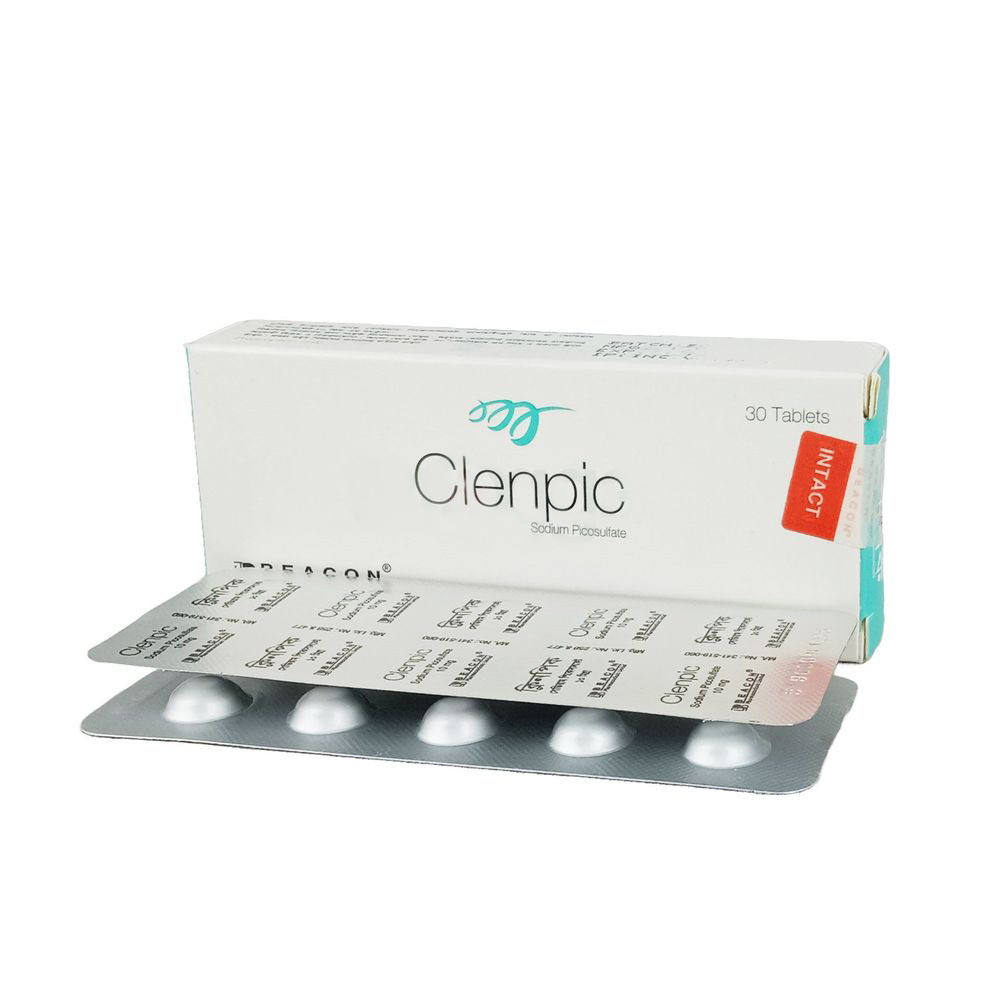
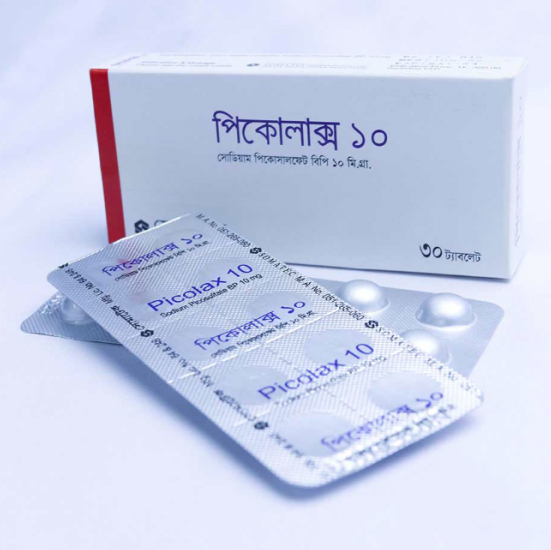
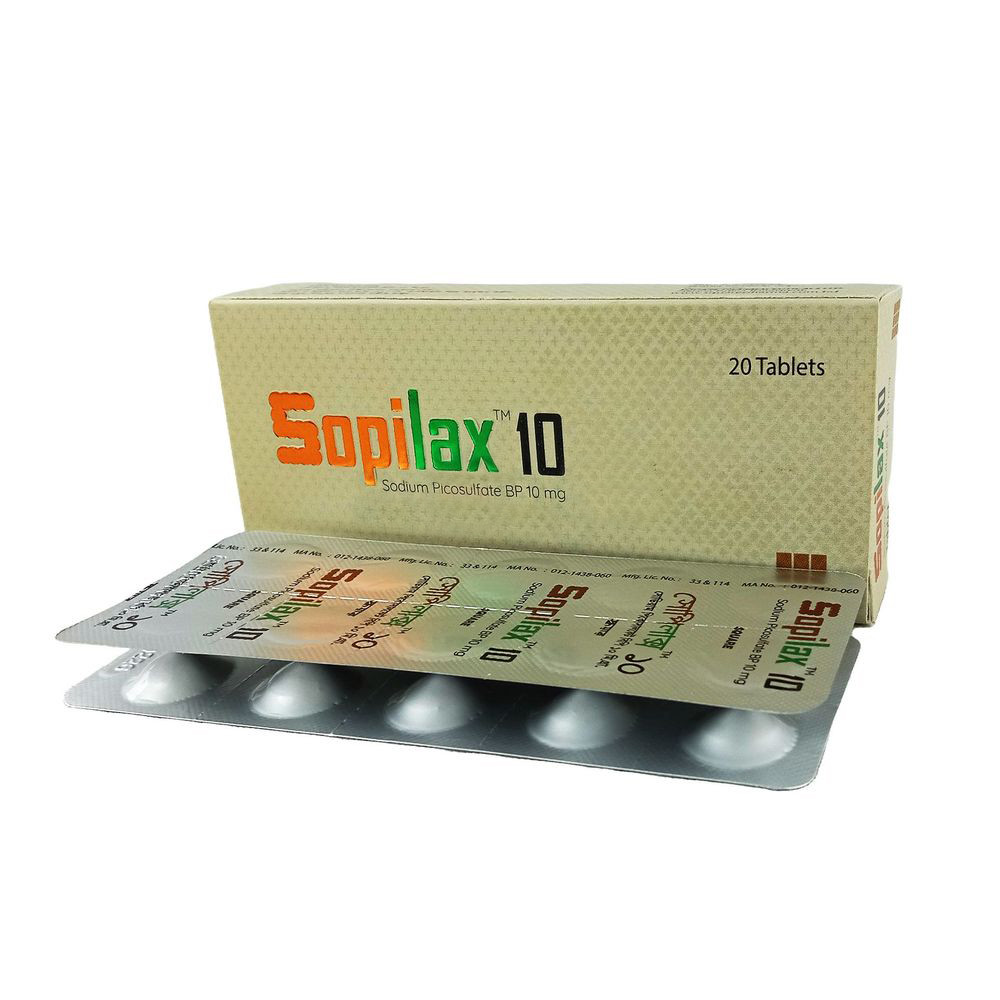
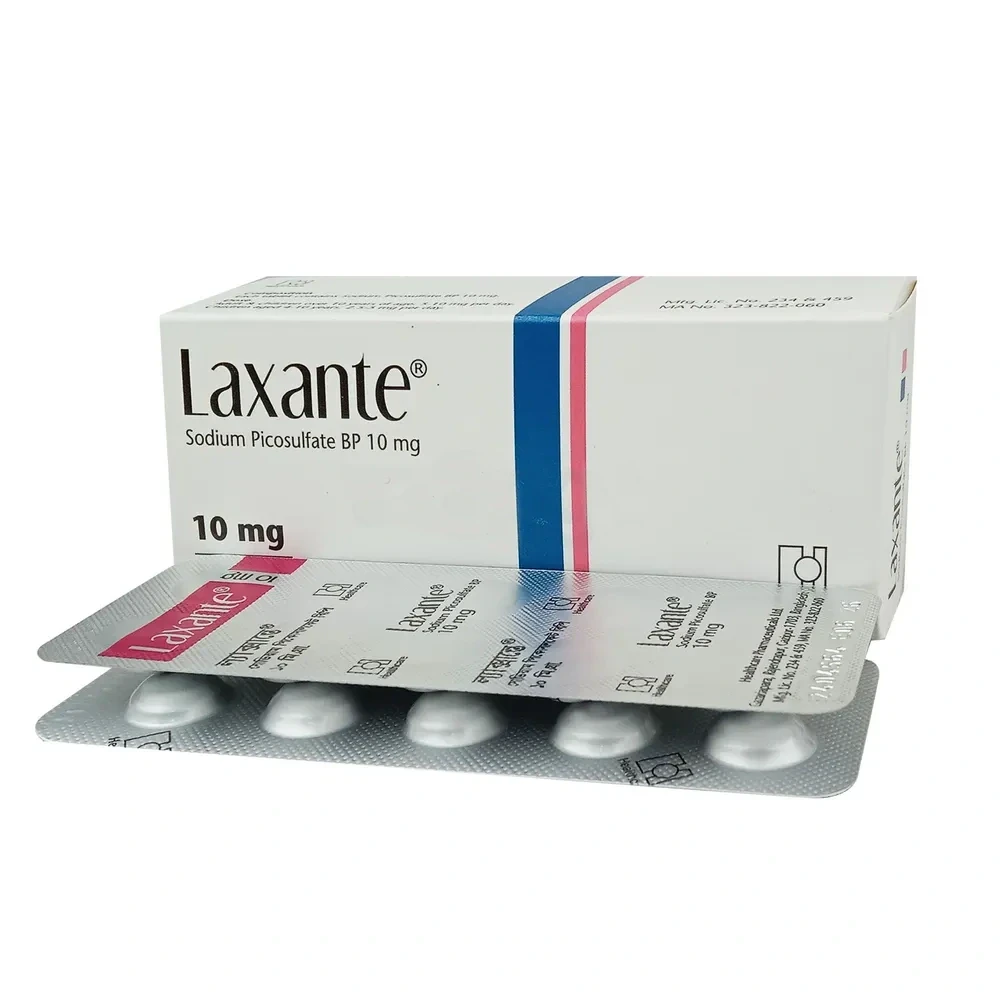
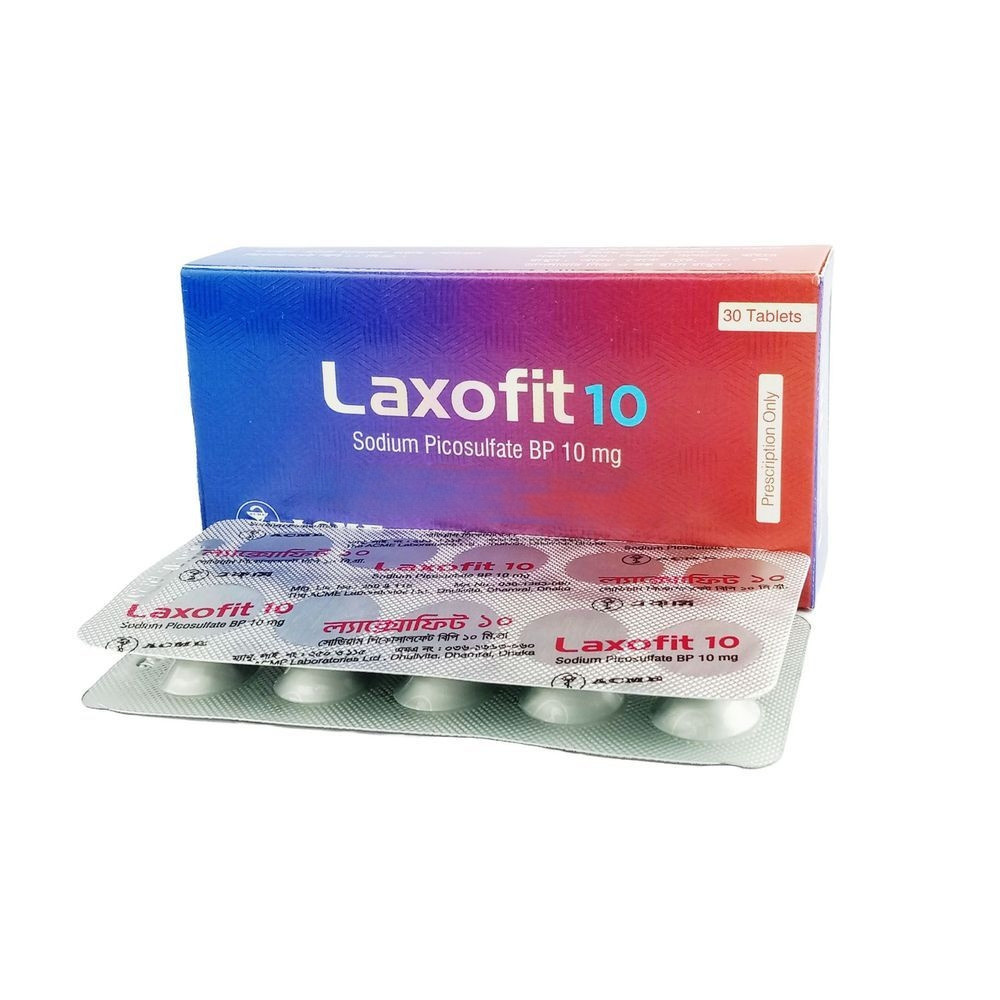
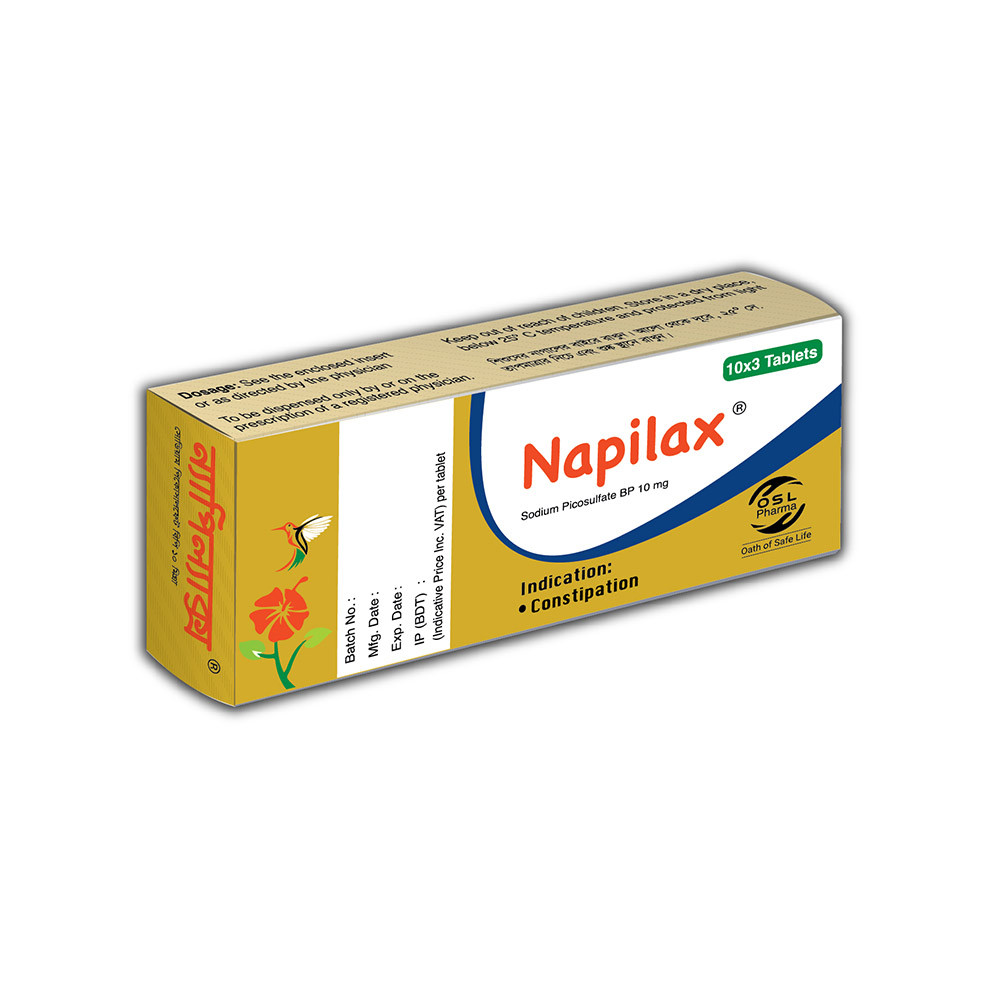
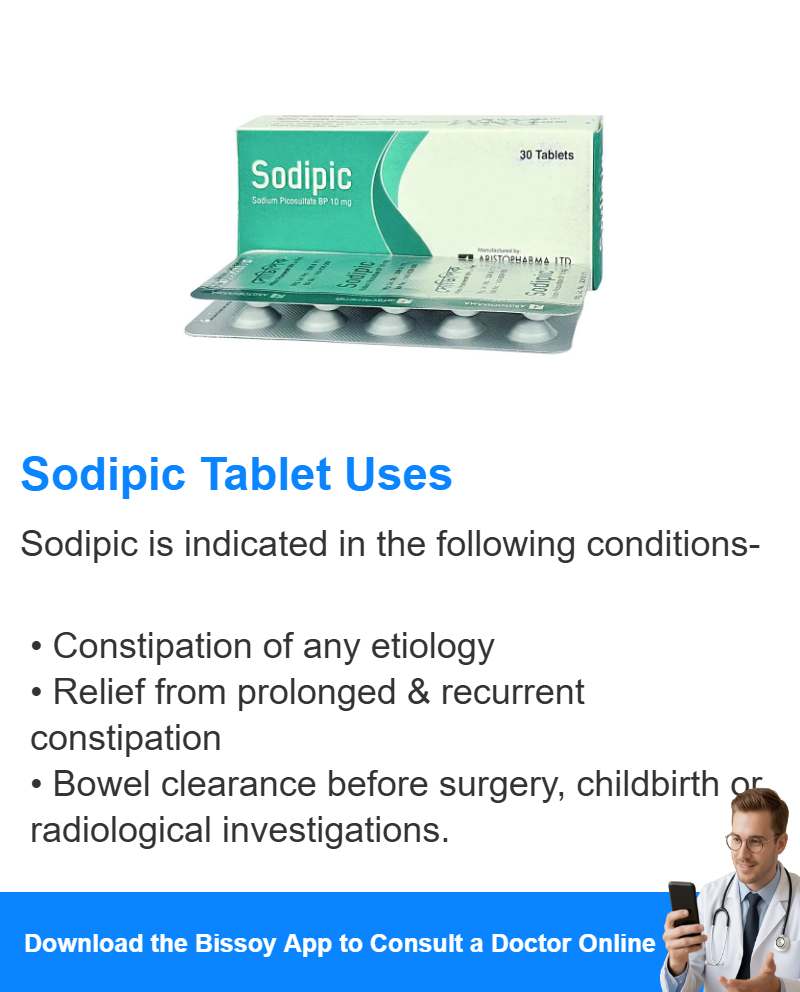
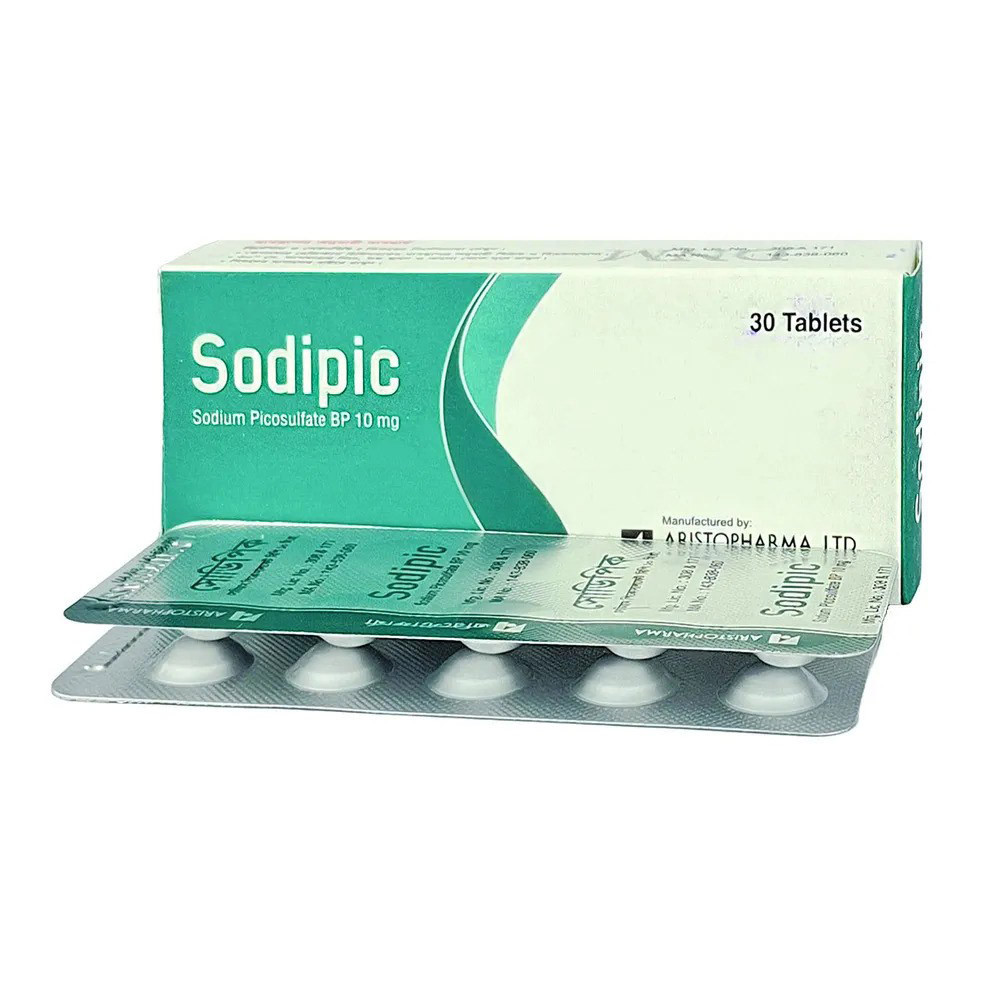
Sodipic Tablet 10 mg

Sodium picosulfate is a laxative used to treat constipation. It works by increasing the water in the intestine, which causes movement of the intestinal muscles, resulting in a bowel movement. It is available as a generic or brand-name drug in oral or rectal solution form.

Uses For

Sodium picosulfate is used to treat constipation. It is also known as a stimulant laxative. It can be used to cleanse the colon prior to certain medical procedures such as colonoscopy.

Brand Name Sodipic
Type Tablet
Weight 10 mg
Generic Sodium Picosulfate
Manufacturer Aristopharma Ltd.
Available in English বাংলা

Mechanism of Action

Sodium picosulfate works by increasing the fluid content in the intestine. It works by stimulating the nerves in the walls of the intestine in order to cause the muscles to contract and produce the urge to have a bowel movement.

How Long Does it Take to Work?

The effects of sodium picosulfate may be seen within 1 to 3 hours after administration. It can take up to 12 hours for the maximum effect.

Absorption

Sodium picosulfate is rapidly absorbed from the gastrointestinal tract. It is quickly metabolized and excreted primarily in the urine.

Route of Elimination

Sodium picosulfate is primarily eliminated by the kidneys and only a small amount is excreted in the feces.

Dosage

For oral administration. The following dosages are recommended to be taken at night to produce evacuation the following morning. It is recommended to start with the lowest dose. The dose may be adjusted up to the maximum recommended dose to produce regular stools. The maximum recommended daily dose should not be exceeded:

10 mg tablet dose:
  • Adults and children over 10 years of age: 5-10 mg per day.
  • Children aged 4-10 years: 2.5-5 mg per day.
Oral Solution (5 mg/5 ml) dose:
  • Adults and children over 10 years of age: 5-10 ml or one to two teaspoonful per day.
  • Children aged 4-10 years: 2.5-5 ml or half to one teaspoonful per day.
  • Children from One month to 4 years of age: 0.25 ml/kg body weight per day.
Concentrated Oral Solution (7.5 mg/ml) dose:
  • Adults and children over 10 years of age: 0.67-1.33 ml per day.
  • Children aged 4-10 years: 0.33-0.67 ml per day.

The recommended dose of Sodipic Tablet 10 mg is 10 mg to 30 mg by mouth once a day (for adults). For children, the dose is typically 5 mg to 15 mg once a day. The dosage may be increased or decreased depending on the severity of the constipation and response to treatment.

Administration

Sodium picosulfate can be taken by mouth, either with or without food. It can also be taken rectally via enema solution.

Side Effect

Common side effects of sodium picosulfate include nausea, cramps, and diarrhea. Severe side effects may include allergic reactions. Stop taking this medication and consult a doctor immediately if you experience any of these reactions.

Toxicity

Sodium picosulfate is generally considered safe for use when taken at recommended dosages. Overdose of sodium picosulfate can lead to serious health problems such as electrolyte imbalances, increased heart rate, dehydration, kidney damage, and liver damage. Immediate medical attention should be sought if symptoms of an overdose are experienced.
Precaution

Patients should inform their doctor of any medical condition, including if they have heart, liver, or renal disease; diabetes; anemia; or electrolyte imbalances. Other drugs being taken should also be declared to the doctor.

Interaction

Sodium picosulfate may interact with other drugs and should not be taken simultaneously with antacids, tetracycline antibiotics, non-steroidal anti-inflammatories, or narcotics.

Disease Interaction

Sodium picosulfate may worsen symptoms of some diseases, such as ulcerative colitis or Crohn's syndrome. It is essential to inform the doctor if you have any of these diseases before taking sodium picosulfate.

Drug Interaction

Sodium picosulfate may interact with other drugs, such as antacids, tetracycline antibiotics, non-steroidal anti-inflammatories, or narcotics. It is important to tell your doctor about any other medicines you are taking before beginning sodium picosulfate treatment.

Food Interactions

Sodium picosulfate should be taken with food or a full glass of water in order to reduce the risk of nausea or stomach upset. Avoid taking sodium picosulfate with alcohol or caffeine, as they can interact with the drug and increase the risk of side effects.

Pregnancy Use

Sodium picosulfate should not be used during pregnancy, as it may cause harm to the developing baby. Always consult a doctor before taking sodium picosulfate if pregnant.

Lactation Use

Sodium picosulfate should be avoided during lactation, as it may pass into breast milk and cause harm to the nursing infant. Always consult a doctor before taking sodium picosulfate while breastfeeding.

Acute Overdose

Symptoms of an overdose may include cramps, dehydration, fever, coma, and irregular heartbeat. Immediate medical attention should be sought in the event of an overdose.

Contraindication

Sodium picosulfate should not be used in patients with severe abdominal pain, acute surgical abdomen, or other abdominal conditions. It should also not be used by individuals who have an allergy to this drug.

Use Direction

Sodium picosulfate should be taken as directed by the doctor. The dose should be taken with water or food in order to reduce the risk of stomach upset. It should not be taken with alcohol or caffeine as doing so may increase the risk of side effects.

Storage Condition

Sodium picosulfate should be stored at room temperature and away from excessive heat and moisture. Keep out of reach of children and pets.

Volume of Distribution

The volume of distribution is not known for sodium picosulfate.

Half Life

The half-life of sodium picosulfate is approximately 14 hours.

Clearance

The clearance of sodium picosulfate has not been established.

See in details version Sodipic Tablet 10 mg also Sodipic Tablet 10 mg in bangla

Social card

Uses

Some Frequently Asked Questions About Sodipic Tablet 10 mg

*** Taking medicines without doctor's advice can cause long-term problems.
Dr. Shah Muhammad Ali

Dr. Shah Muhammad Ali

Anesthesiology, Pain Management & Critical Care Specialist

Call Doctor
Dr. Md. Nurunnabi

Dr. Md. Nurunnabi

Child Diseases Specialist

Call Doctor
Dr. Tazeen Sultana

Dr. Tazeen Sultana

Gynecology Specialist & Surgeon

Call Doctor
Related Medicines