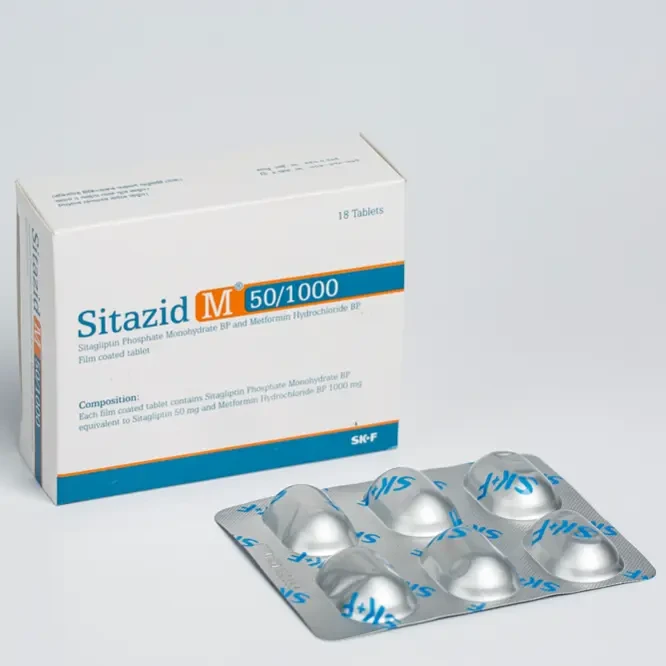
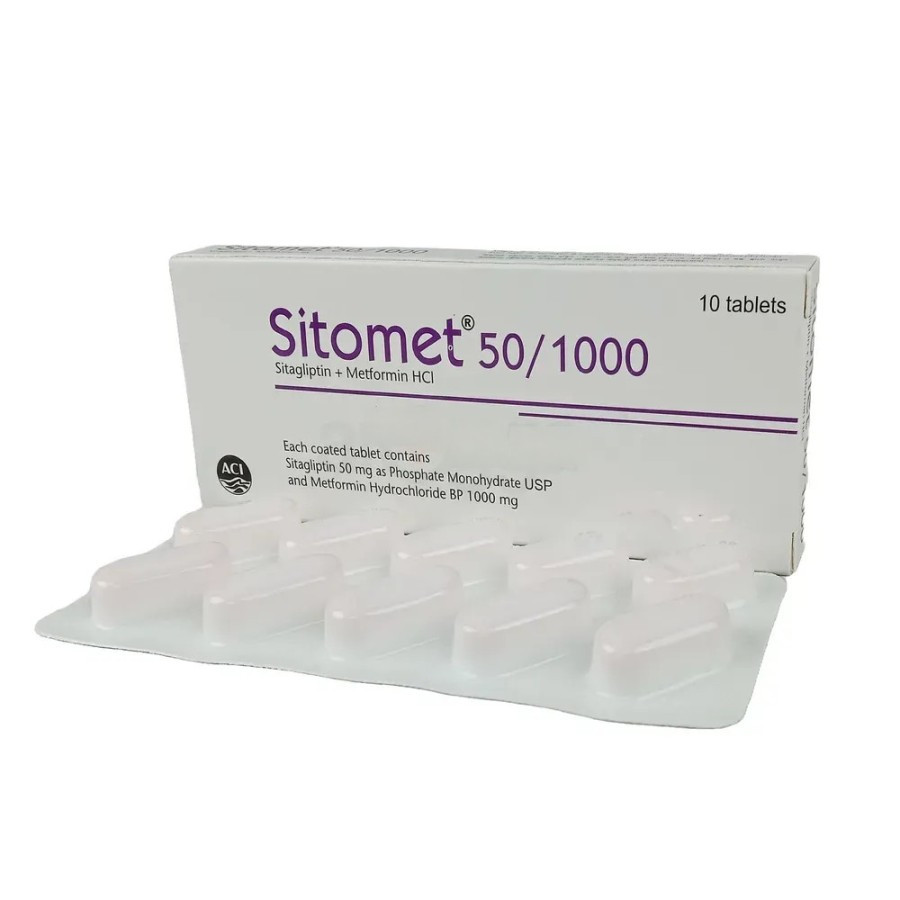
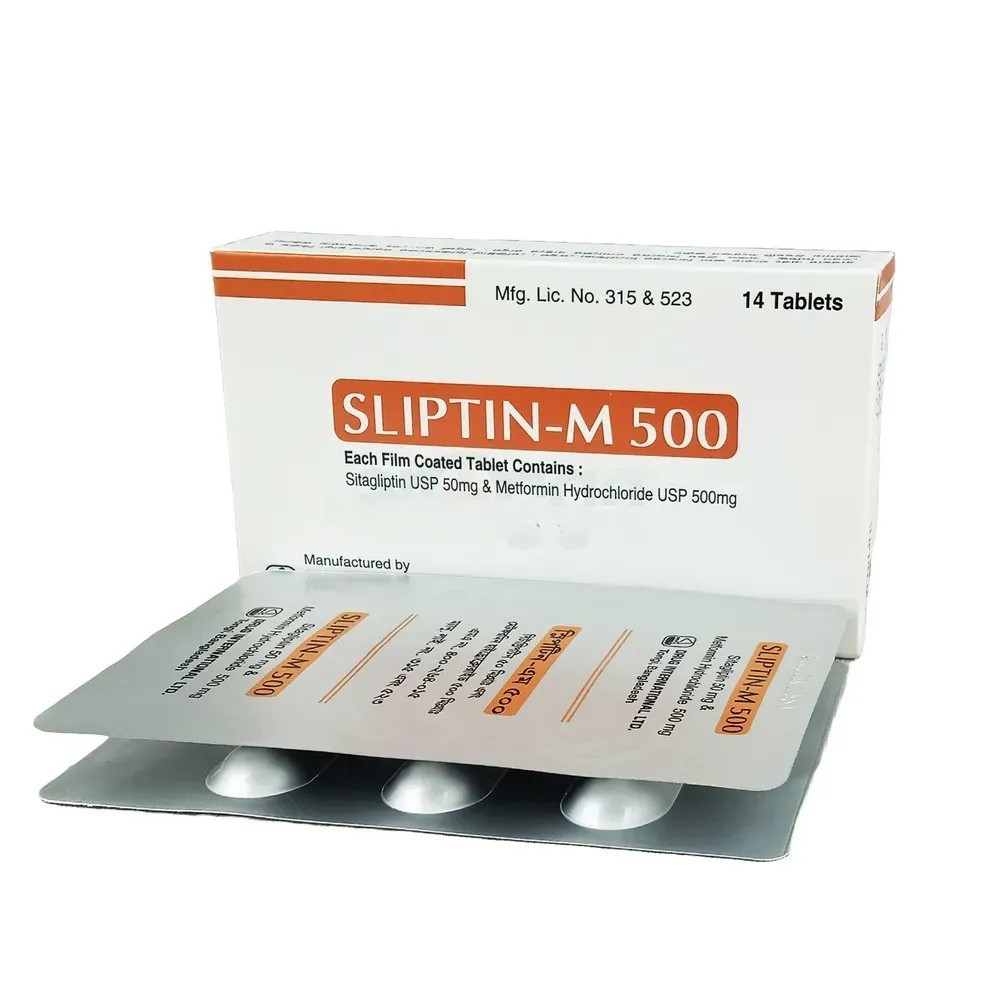
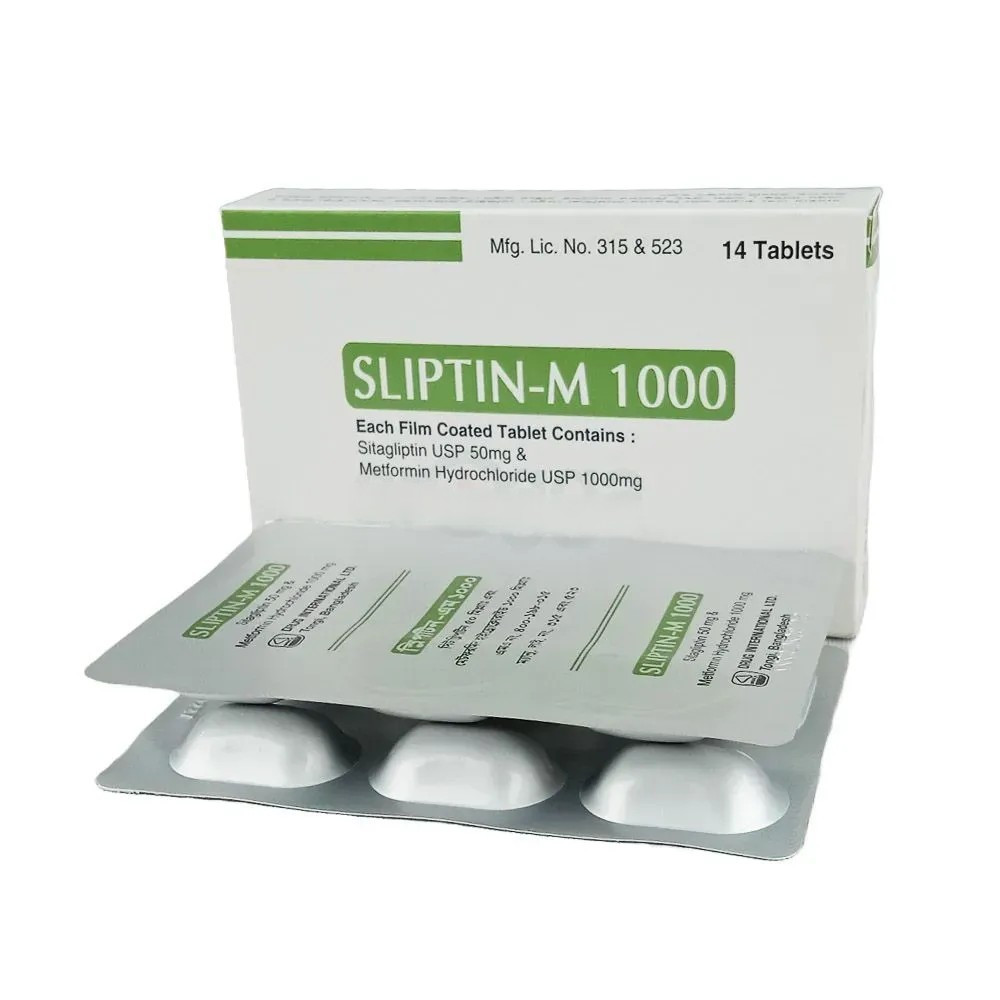
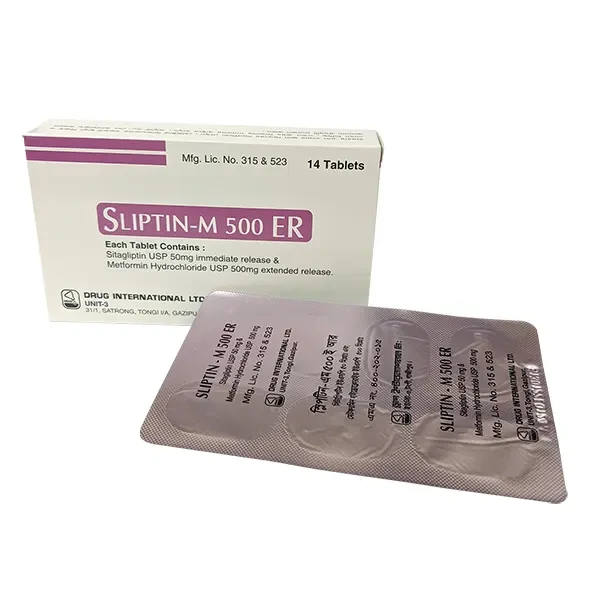
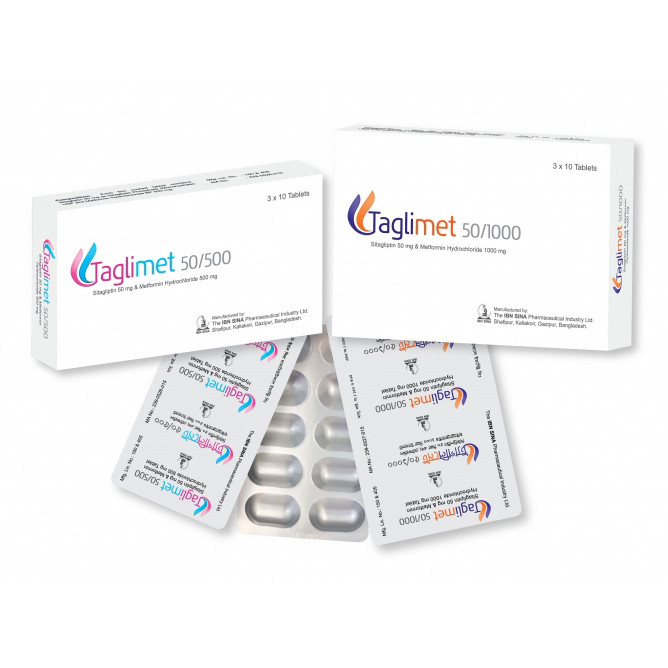
Introduction
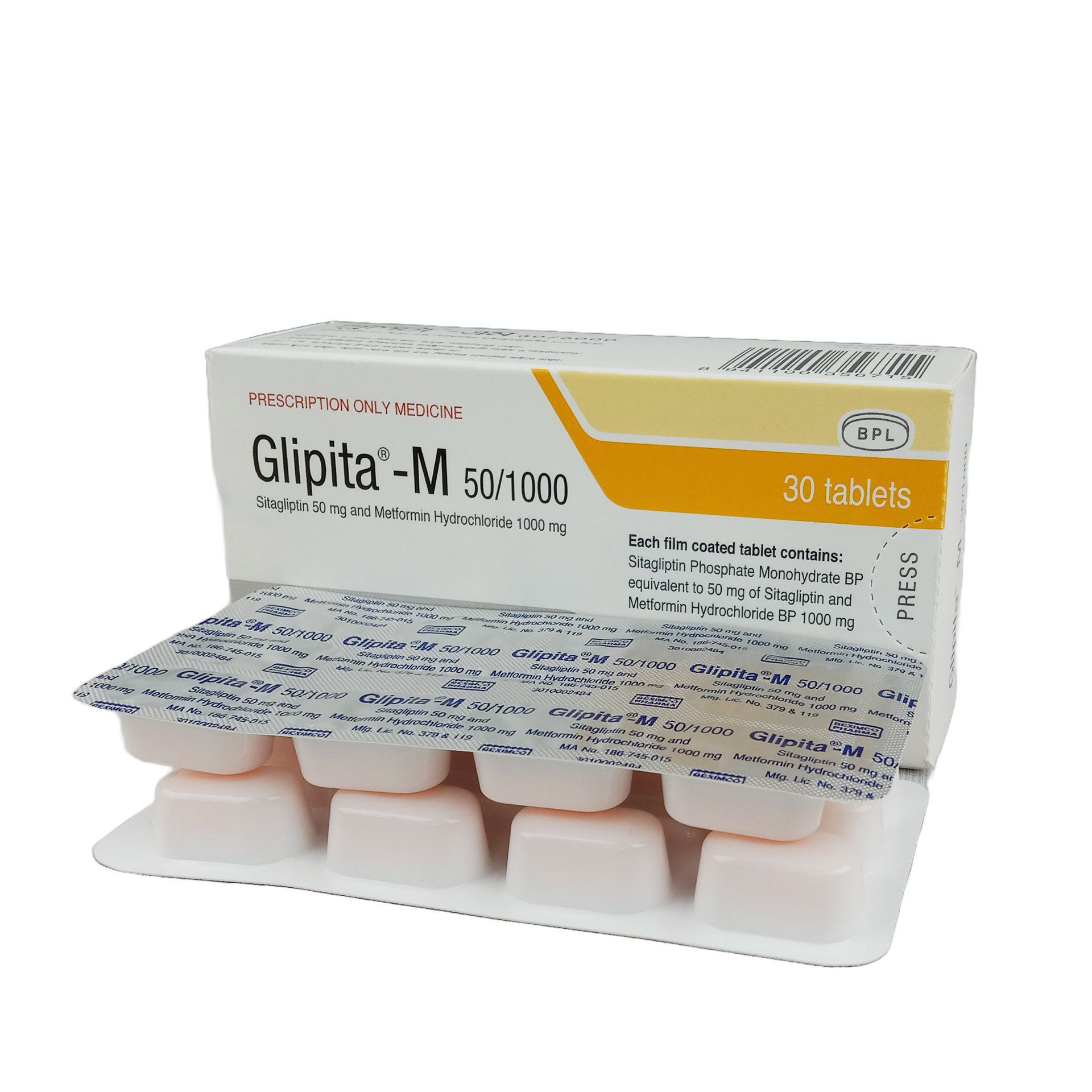
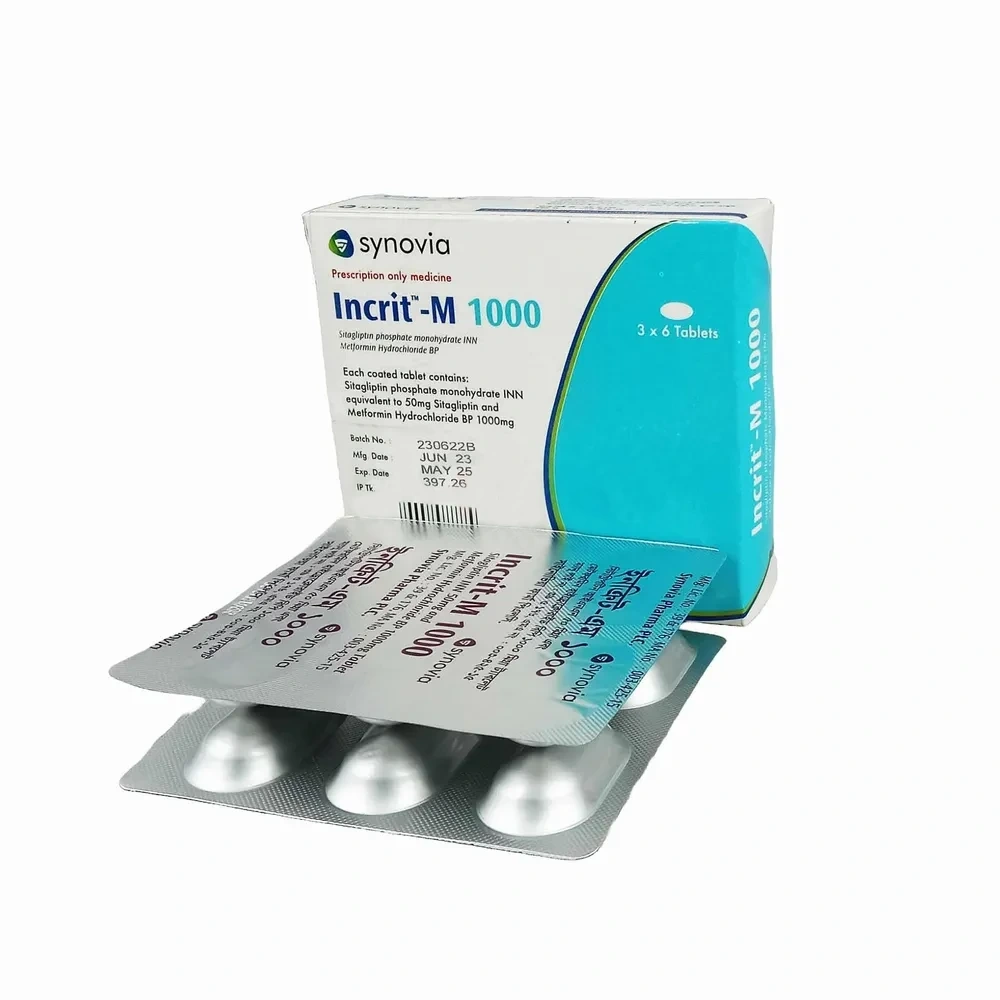
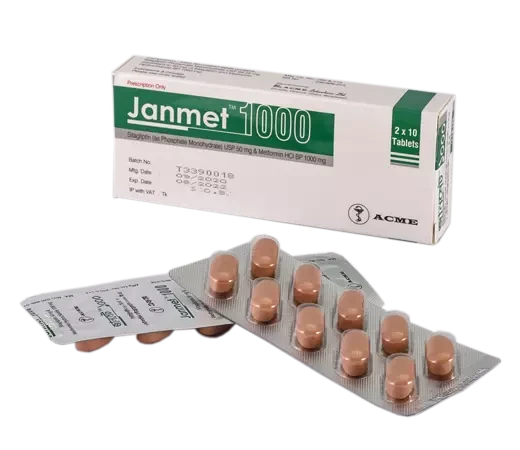
Sitagliptin + Metformin Hydrochloride is a combination medication used in the management of type 2 diabetes mellitus. Sitagliptin is a dipeptidyl peptidase-4 (DPP-4) inhibitor, while Metformin is a biguanide. Together, they help control blood sugar levels more effectively than either medication alone.
Uses
This combination is used to improve glycemic control in adults with type 2 diabetes mellitus. It is typically prescribed when diet and exercise alone are insufficient to manage blood glucose levels. It can be used alone or in combination with other antidiabetic medications, such as insulin or other oral agents.
Mechanism of Action
Sitagliptin works by inhibiting the DPP-4 enzyme, which increases levels of incretin hormones. These hormones help increase insulin release and decrease glucose production in the liver. Metformin works by decreasing glucose production in the liver and improving insulin sensitivity in muscle cells. Together, these actions help lower blood glucose levels and improve overall glycemic control.
How Long Does It Take to Work?
Patients may start to see improvements in blood glucose levels within a few days to a few weeks of starting treatment. However, the full therapeutic effect may take several weeks to become apparent. Regular monitoring of blood glucose levels is important to assess the effectiveness of the medication.
Absorption
Sitagliptin is well absorbed from the gastrointestinal tract, with peak plasma concentrations typically occurring within 1-4 hours after oral administration. Metformin is also absorbed from the gastrointestinal tract, but its absorption can be affected by food, with peak plasma concentrations reached approximately 2-3 hours post-administration.
Route of Elimination
Sitagliptin is primarily eliminated through the kidneys, with about 87% of the dose excreted unchanged in the urine. Metformin is also primarily excreted by the kidneys, with approximately 90% of the dose being eliminated unchanged in the urine.
Dosage
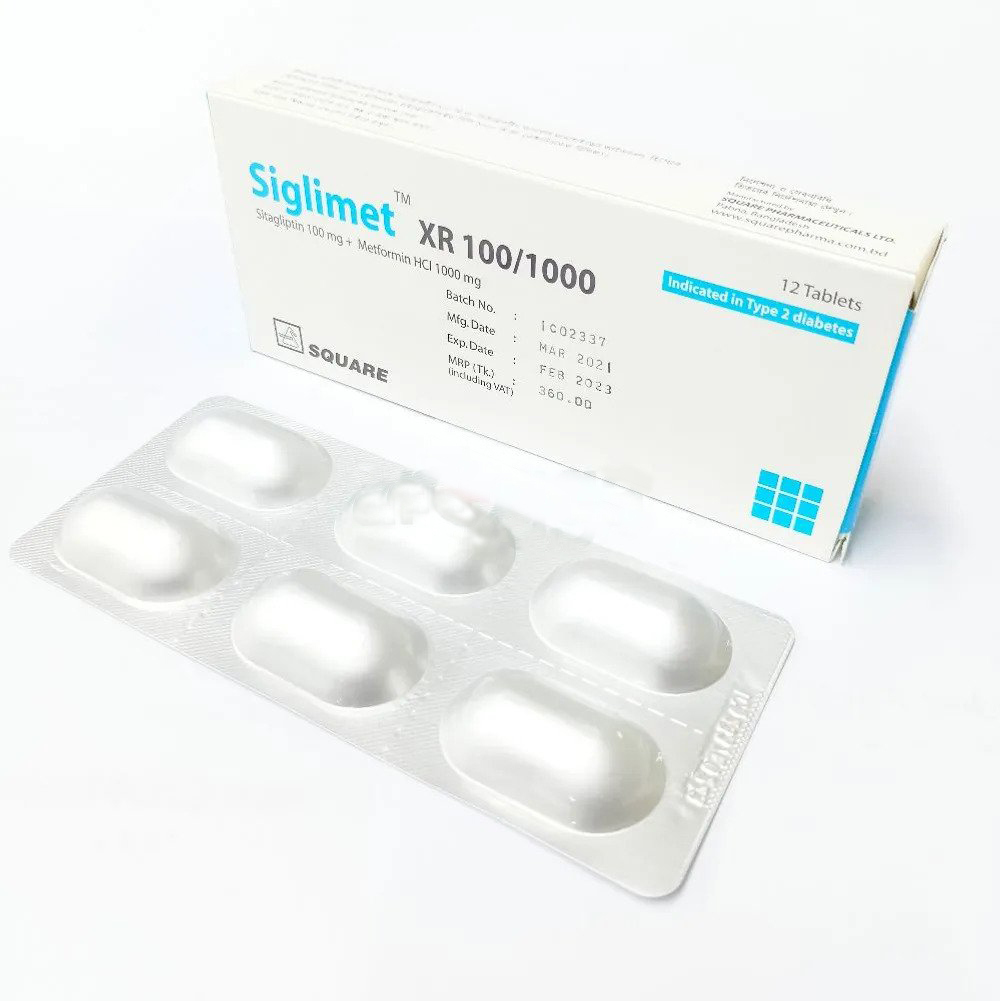
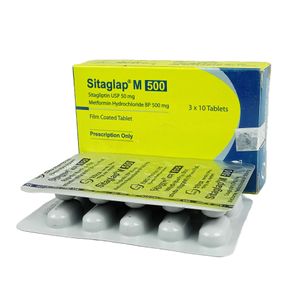
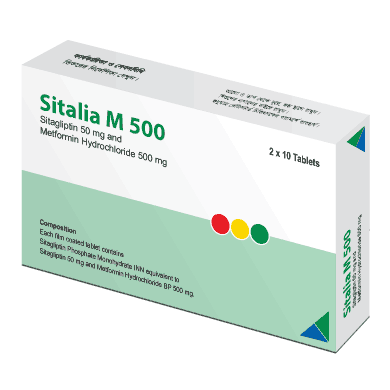
Dose of film-coated tablet: The dosage of this tablet should be individualized on the basis of the patient's current regimen, efectiveness, and tolerability while not exceeding the maximum recommended daily dose of 100 mg sitagliptin and 2000 mg metformin. Initial combination therapy or maintenance of combination therapy should be individualized and left to the discretion of the health care provider.This tablet should generally be given twice daily with meals, with gradual dose escalation, to reduce the gastrointestinal (GI) side efects due to metformin.
The starting dose of this tablet should be based on the patient’s current regimen. This tablet should be given twice daily with meals.
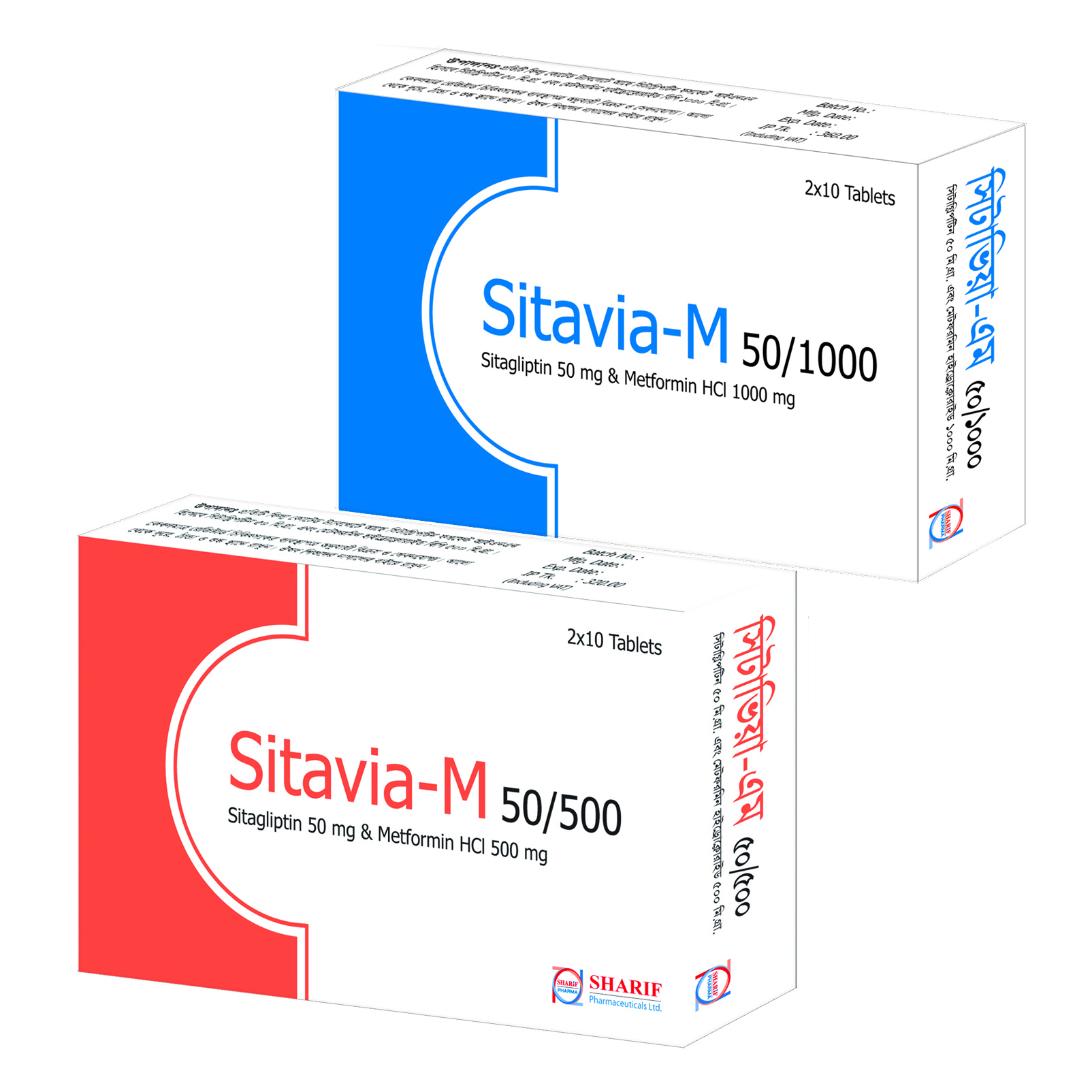
The recommended starting dose in patients not currently treated with metformin is 50 mg sitagliptin/500 mg metformin hydrochloride twice daily, with gradual dose escalation recommended to reduce gastrointestinal side efects associated with metformin.
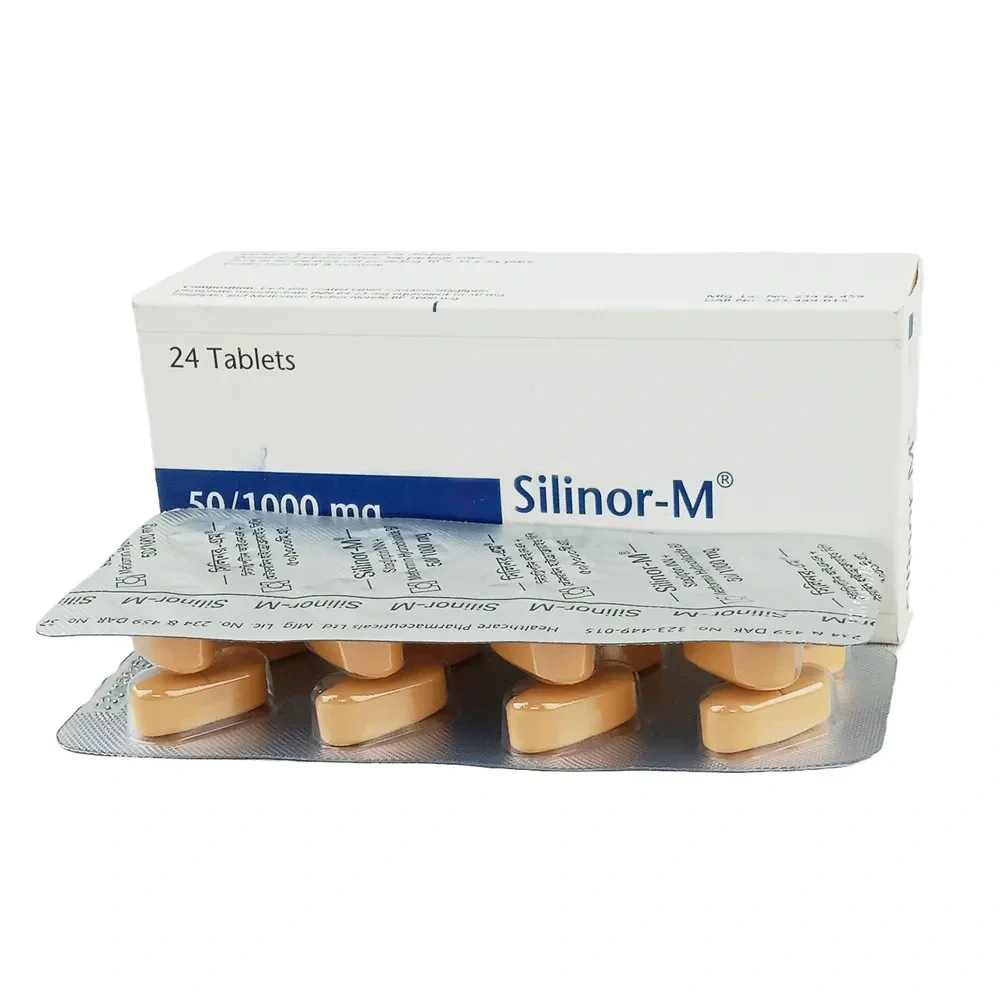
The starting dose in patients already treated with metformin should provide sitagliptin dosed as 50 mg twice daily (100 mg total daily dose) and the dose of metformin already being taken. For patients taking metformin 850 mg twice daily, the recommended starting dose of this tablet is 50 mg sitagliptin/1000 mg metformin hydrochloride twice daily.
No studies have been performed specifcally examining the safety and efcacy of Sitagliptin Phosphate Monohydrate INN/Metformin Hydrochloride BP in patients previously treated with other oral antihyperglycemic agents and switched to Sitagliptin Phosphate Monohydrate INN/Metformin Hydrochloride BP. Any change in therapy of type 2 diabetes should be undertaken with care and appropriate monitoring as changes in glycemic control can occur.
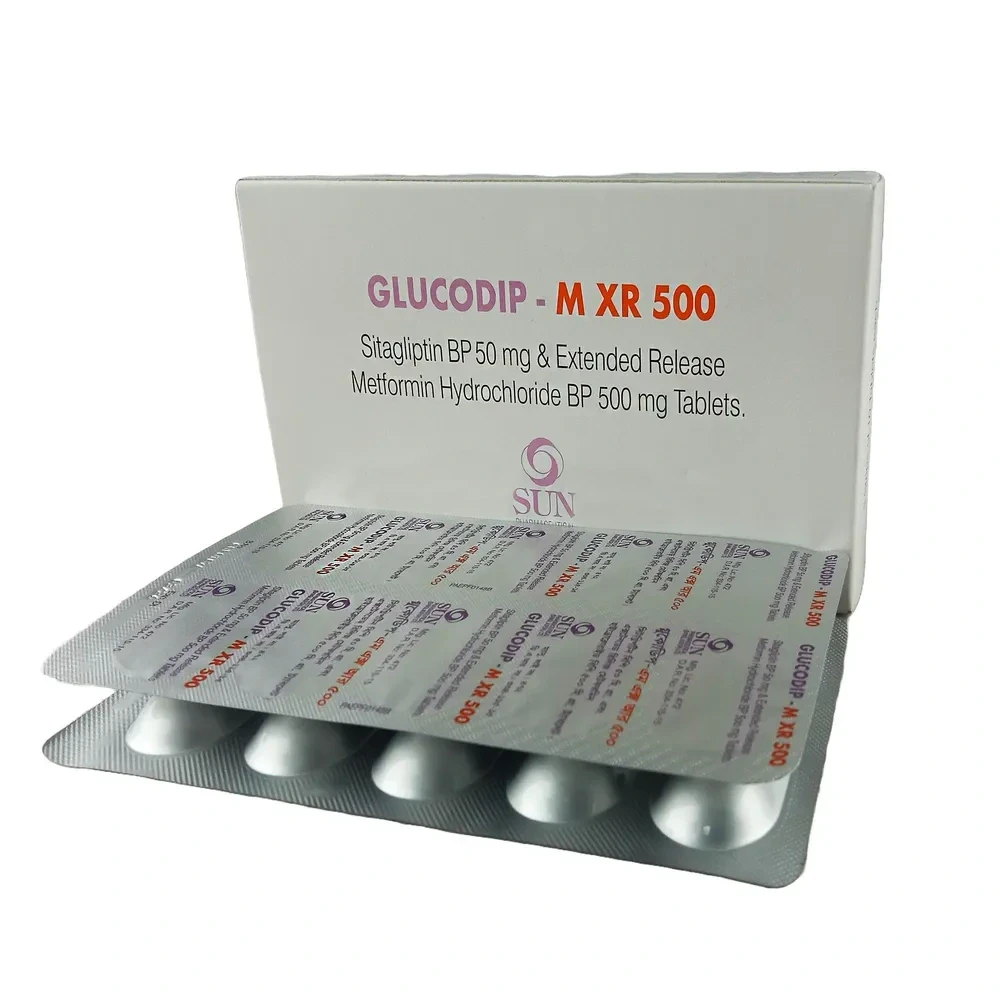
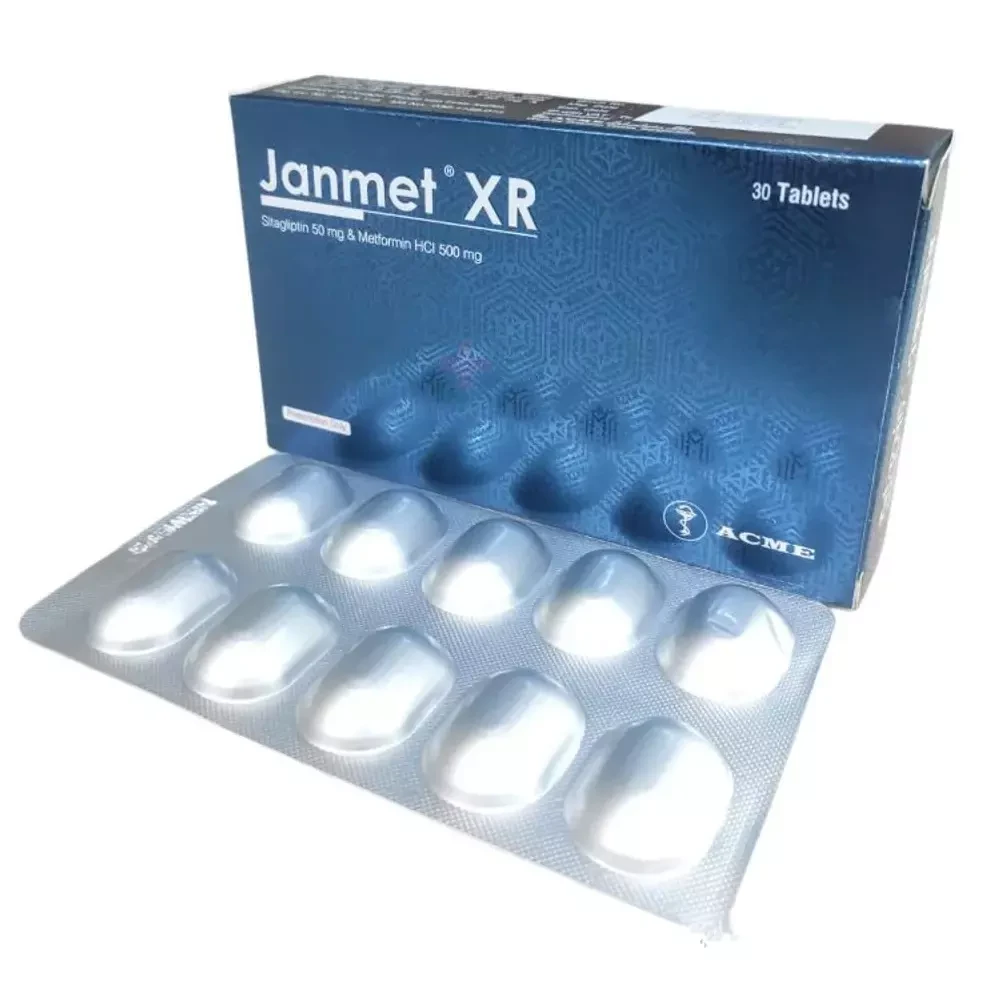
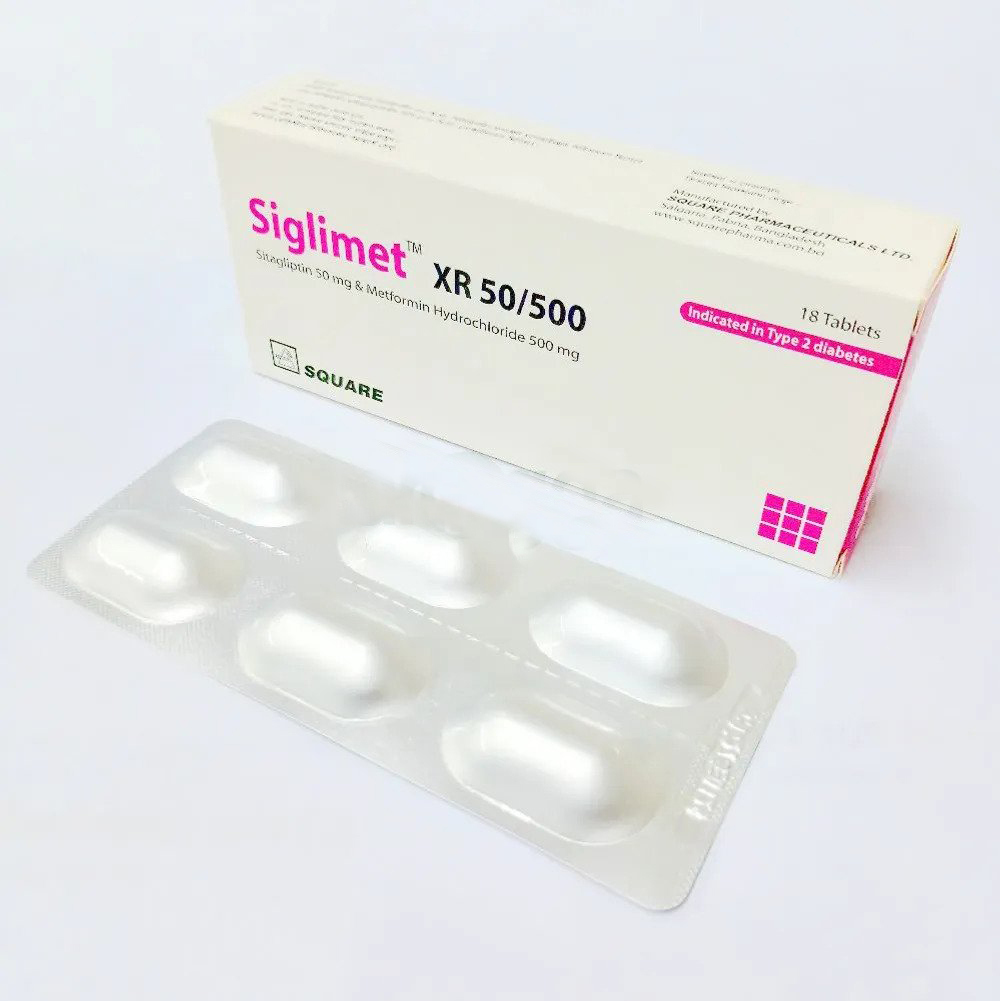
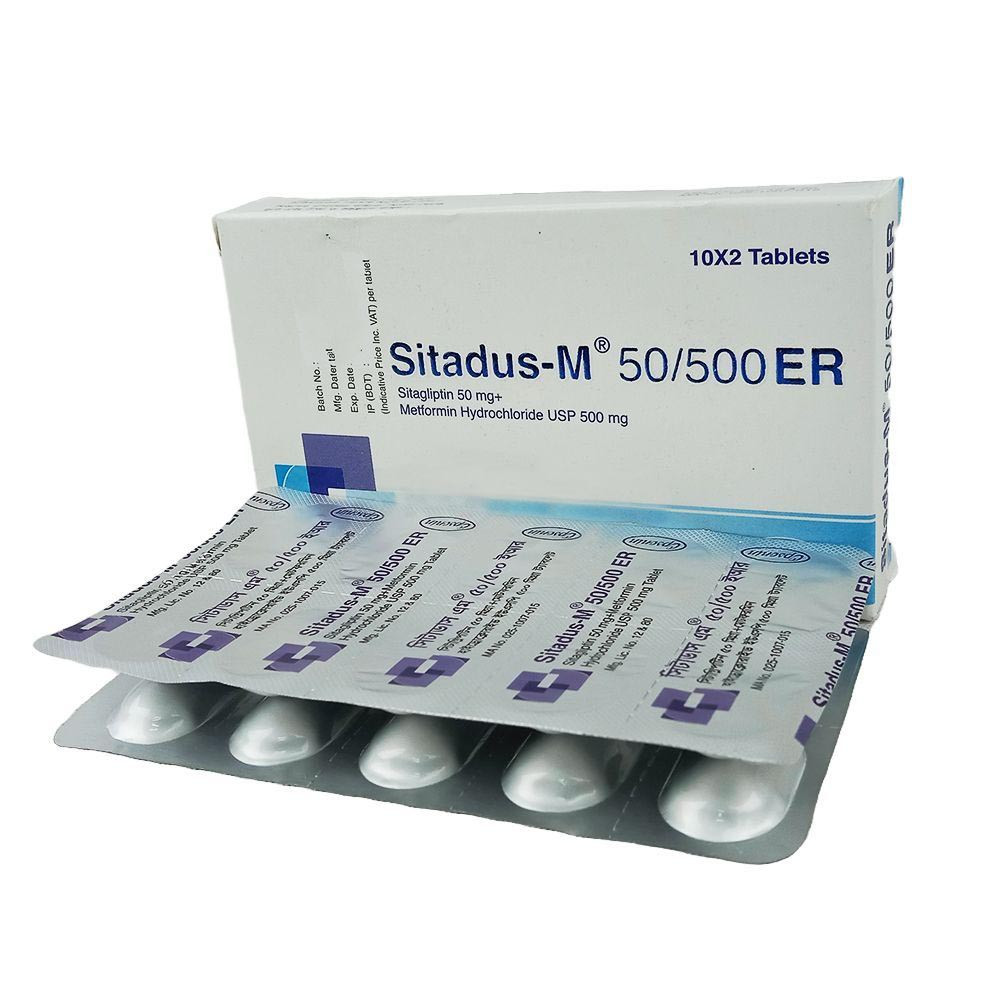
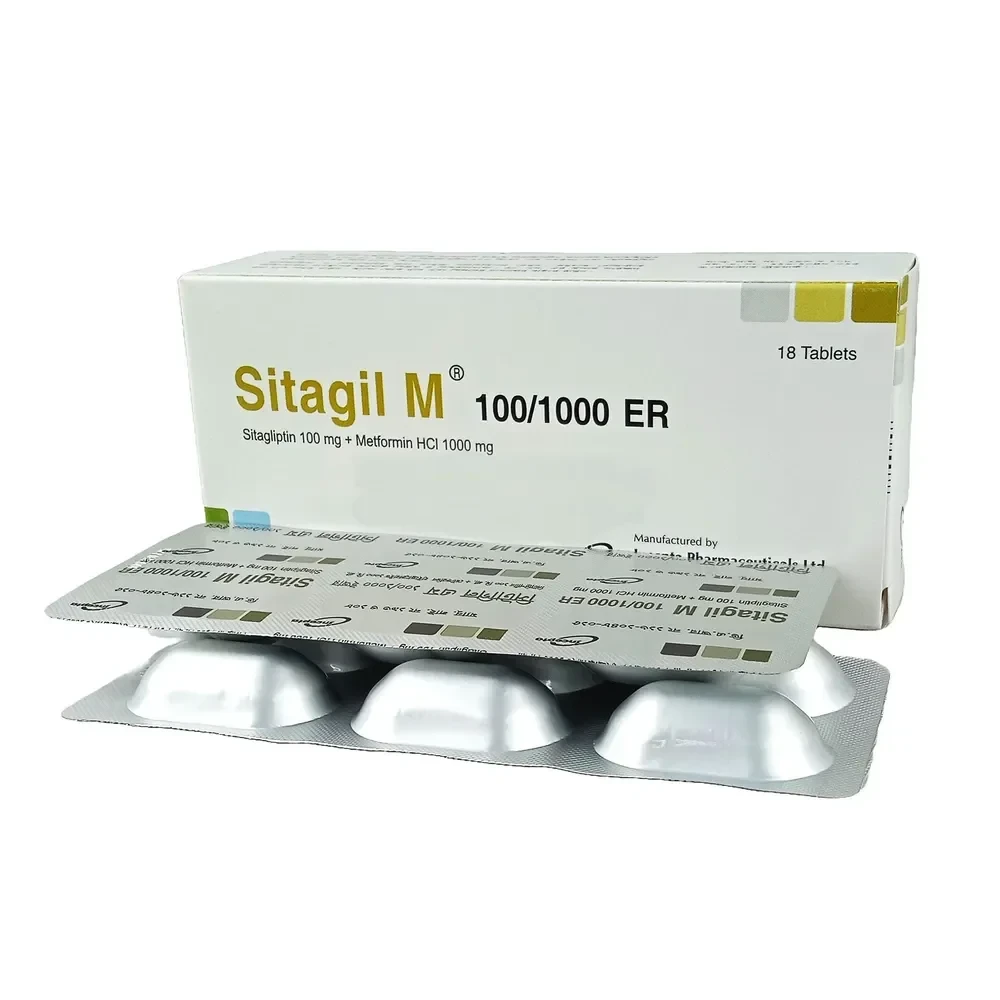
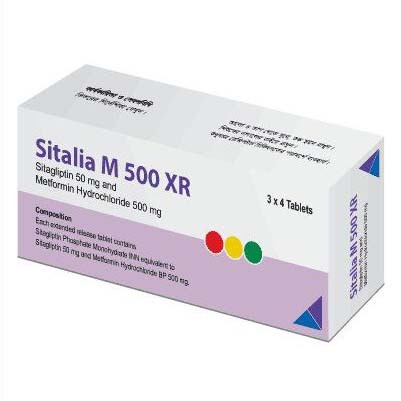
Dose of extended-release tablet: Administer once daily with a meal preferably in the evening. Gradually escalate the dose to reduce the gastrointestinal side effects due to Metformin. May adjust the dosing based on effectiveness and tolerability while not exceeding the maximum recommended daily dose of 100 mg Sitagliptin and 2000 mg Metformin extended-release. Maintain the same total daily dose of Sitagliptin and Metformin when changing between film-coated tablet and extended-release tablet, without exceeding the maximum recommended daily dose of 2000 mg Metformin extended-release.
Patients using two extended-release tablets (such as two 50/500 or two 50/1000 tablets) should take the two tablets together once daily. The 100 mg Sitagliptin/1000 mg Metformin HCI extended-release tablet should be taken as a single tablet once daily.
Patients treated with an insulin secretagogue or insulin: Co-administration of the combination with an insulin secretagogue (e.g., sulfonylurea) or insulin may require lower doses of the insulin secretagogue or insulin to reduce the risk of hypoglycemia.
The dosage of Sitagliptin + Metformin Hydrochloride depends on individual patient needs and response to treatment. A common starting dose is one tablet twice daily, but the dose may be adjusted based on glycemic control and tolerance. The maximum recommended dose is usually one tablet twice daily, but specific dosing may vary by product formulation and individual patient factors.
Administration
Take the medication orally, with or without food. It is recommended to take it with meals to minimize gastrointestinal side effects. Follow the prescribed dosing schedule, and do not crush or chew the tablets. Drink plenty of fluids to help prevent dehydration and maintain proper kidney function.
Side Effects
Common side effects include gastrointestinal issues such as nausea, diarrhea, and abdominal pain. Other possible side effects include headache, dizziness, and upper respiratory tract infections. Serious side effects are rare but can include lactic acidosis (associated with Metformin) and hypersensitivity reactions.
Toxicity
Overdose of Sitagliptin + Metformin can lead to symptoms such as nausea, vomiting, abdominal pain, and in severe cases, lactic acidosis. If an overdose is suspected, seek immediate medical attention. Monitoring and supportive care are necessary in cases of significant overdose.
Precautions
Monitor kidney function regularly, as both Sitagliptin and Metformin are primarily eliminated through the kidneys. Use with caution in patients with renal impairment or those at risk of dehydration. Inform your healthcare provider of any history of pancreatitis or liver disease. Discontinue use if lactic acidosis or severe gastrointestinal symptoms occur.
Interaction
Potential drug interactions include other antidiabetic agents, medications that affect renal function, and drugs that may alter blood glucose levels. Inform your healthcare provider of all medications and supplements you are taking to avoid potential interactions.
Disease Interaction
Use with caution in patients with renal impairment, liver disease, or a history of pancreatitis. Adjustments to the dosage may be required based on the severity of the condition and patient response.
Drug Interaction
Interactions with other antidiabetic medications, such as insulin or sulfonylureas, may increase the risk of hypoglycemia. Certain drugs that affect renal function, such as diuretics or non-steroidal anti-inflammatory drugs (NSAIDs), may also impact the effectiveness and safety of this combination.
Food Interactions
Taking the medication with food can help reduce gastrointestinal side effects. There are no significant interactions with specific foods, but maintaining a balanced diet is important for optimal glycemic control.
Pregnancy Use
Sitagliptin + Metformin should be used during pregnancy only if the potential benefit justifies the potential risk to the fetus. Consult a healthcare provider to discuss alternative treatment options and management strategies during pregnancy.
Lactation Use
It is not known if Sitagliptin + Metformin is excreted in human milk. Use with caution during lactation and discuss potential risks and benefits with your healthcare provider. Alternative treatments may be considered if breastfeeding is planned.
Acute Overdose
In the event of an acute overdose, symptoms may include nausea, vomiting, abdominal pain, and lactic acidosis. Seek immediate medical attention for assessment and treatment. Monitoring and supportive care are critical in managing an overdose.
Contraindication
This medication is contraindicated in patients with severe renal impairment, acute or chronic metabolic acidosis, including diabetic ketoacidosis, and hypersensitivity to Sitagliptin, Metformin, or any other components of the formulation.
Use Direction
Follow the prescribed dosage and administration instructions. Take the medication with meals to minimize gastrointestinal side effects. Regularly monitor blood glucose levels and consult your healthcare provider for any concerns or adjustments needed.
Storage Conditions
Store the medication at room temperature, away from direct sunlight and moisture. Keep the container tightly closed and out of reach of children. Do not use the medication beyond its expiration date.
Volume of Distribution
The volume of distribution for Sitagliptin is approximately 198 liters. For Metformin, the volume of distribution is approximately 654 liters, reflecting extensive tissue distribution.
Half Life
The elimination half-life of Sitagliptin is approximately 12.4 hours. For Metformin, the half-life is about 6.2 hours, though the duration of action can be extended due to its cumulative effects.
Clearance
Sitagliptin is cleared primarily through the kidneys, with a renal clearance rate of about 350 mL/min. Metformin is also cleared by the kidneys, with a renal clearance rate of approximately 440 mL/min.