Introduction
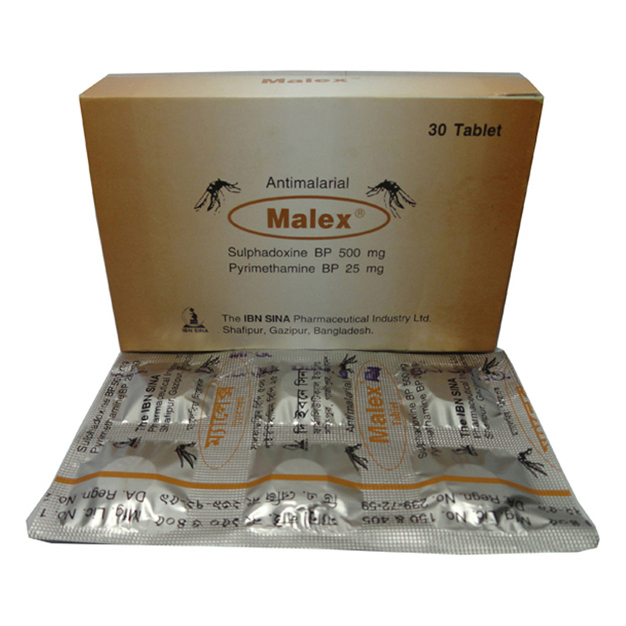
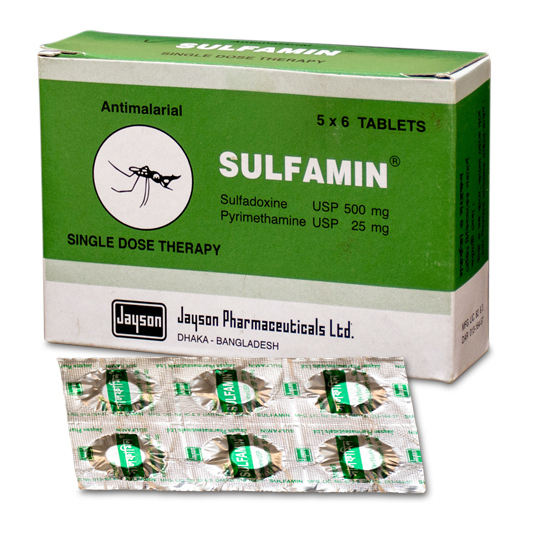
Sulphadoxine and pyrimethamine are combined in a fixed-dose formulation to treat and prevent malaria. This combination is particularly used for the treatment of uncomplicated Plasmodium falciparum malaria, which is the most severe form of malaria.
Uses
Sulphadoxine and pyrimethamine are primarily used for:
- Treatment of Malaria: Effective in treating acute episodes of uncomplicated malaria caused by Plasmodium falciparum.
- Malaria Prevention: Sometimes used for intermittent preventive treatment in pregnant women or for malaria prophylaxis in endemic areas.
| Brand Name | Saloprim |
|---|---|
| Type | Tablet |
| Weight | 500 mg+25 mg |
| Generic | Sulphadoxine + Pyrimethamine |
| Manufacturer | Opsonin Pharma Ltd. |
| Available in | English বাংলা |
Mechanism of Action
The combination works synergistically to inhibit folate synthesis in malaria parasites:
- Sulphadoxine: Inhibits dihydropteroate synthase, an enzyme involved in the synthesis of folate in parasites.
- Pyrimethamine: Inhibits dihydrofolate reductase, another enzyme crucial for folate synthesis, enhancing the overall efficacy of the treatment.
How Long Does It Take to Work?
The combination typically starts to work within 24 to 48 hours of administration. Symptoms usually begin to improve within this time frame, but the full course of treatment should be completed to ensure eradication of the parasite.
Absorption
Both sulphadoxine and pyrimethamine are well absorbed from the gastrointestinal tract. Peak plasma concentrations are usually reached within 2 to 4 hours after oral administration.
Route of Elimination
Sulphadoxine and pyrimethamine are primarily eliminated through the kidneys. Sulphadoxine is excreted mainly as unchanged drug in the urine, while pyrimethamine is metabolized in the liver before excretion.
Dosage
Curative treatment of malaria with a single dose-
- Adults: 2-3 tablets
- Children under 4 years: ½ tablets
- 4-8 years: 1 tablet
- 9-14 years: 2 tablets
Suppressive or prophylactic management-
The dose given below should be taken at one time:For semi-immune subjects (Dose: once every four weeks)-
- Adults: 2-3 tablets
- Children under 4 years: ½ tablets
- 4-8 years: 1 tablet
- 9-14 years: 2 tablets
- Adults: 2 tablets
- Children under 4 years: 1½ tablets
- 4-8 years: 1 tablet
- 9-14 years: 1½ tablets
Dosage depends on the specific formulation and patient characteristics:
- Adults: A typical dose is a single oral dose of 500 mg sulphadoxine and 25 mg pyrimethamine.
- Children: The dosage is based on body weight. A common dose is 25 mg/kg of sulphadoxine and 1.25 mg/kg of pyrimethamine, administered as a single dose.
Administration
- Oral: The medication is administered as a single oral dose. It can be taken with or without food.
Side Effects
Common side effects may include:
- Gastrointestinal disturbances (e.g., nausea, vomiting, abdominal pain)
- Rashes and skin reactions
- Headache and dizziness
Serious side effects include potential blood disorders such as anemia, leucopenia, and thrombocytopenia, as well as severe allergic reactions.
Toxicity
Overdose can lead to severe toxicity, including severe allergic reactions, blood disorders, and gastrointestinal symptoms. Treatment involves supportive care and symptomatic management, including hydration and close monitoring.
Precautions
- Use with caution in patients with a history of allergies to sulfonamides or pyrimethamine.
- Monitor for signs of severe skin reactions or blood disorders.
- Adjust dosage in patients with renal impairment to avoid toxicity.
Interaction
- May interact with other medications affecting folate metabolism or blood cell counts, such as certain antibiotics and anti-seizure medications.
- Potential interactions with anticoagulants, increasing the risk of bleeding.
Disease Interaction
- Use cautiously in patients with liver or renal disease due to potential for increased side effects and toxicity.
- May need to be avoided in patients with a history of severe allergic reactions to sulfonamides or pyrimethamine.
Drug Interaction
- May interact with drugs that affect folate metabolism, such as methotrexate.
- Potential interaction with other antimalarial drugs, which can affect efficacy and side effect profiles.
Food Interactions
Food does not significantly affect the absorption of sulphadoxine and pyrimethamine, but taking the medication with food may help reduce gastrointestinal discomfort.
Pregnancy Use
Sulphadoxine and pyrimethamine are generally not recommended during the first trimester of pregnancy. In later stages, they may be used under strict medical supervision, considering the potential benefits and risks to both the mother and fetus.
Lactation Use
The drug combination is excreted in breast milk in small amounts. It is generally considered safe during lactation but should be used with caution, and infants should be monitored for adverse effects.
Acute Overdose
In cases of acute overdose, symptoms may include severe nausea, vomiting, and skin rash. Management involves supportive care and symptomatic treatment, including monitoring for severe reactions and complications.
Contraindication
- Contraindicated in patients with known hypersensitivity to sulfonamides or pyrimethamine.
- Not recommended for use in early pregnancy or in patients with severe liver or kidney dysfunction.
Use Direction
- Follow the prescribed dosage exactly as directed.
- Complete the full course of treatment even if symptoms improve before the end of the regimen.
Storage Conditions
- Store at room temperature, away from moisture and heat.
- Keep out of reach of children and dispose of any unused medication properly.
Volume of Distribution
The volume of distribution for sulphadoxine and pyrimethamine is not precisely defined but suggests extensive tissue distribution due to their lipophilicity.
Half Life
The half-life of sulphadoxine is approximately 7 to 9 days, whereas pyrimethamine has a half-life of about 4 to 7 days. This prolonged half-life contributes to the extended duration of action against malaria parasites.
Clearance
Both drugs are primarily cleared by the kidneys. The clearance rate may be reduced in individuals with renal impairment, necessitating dose adjustments to avoid toxicity.
See in details version Saloprim Tablet 500 mg+25 mg also Saloprim Tablet 500 mg+25 mg in bangla