Introduction
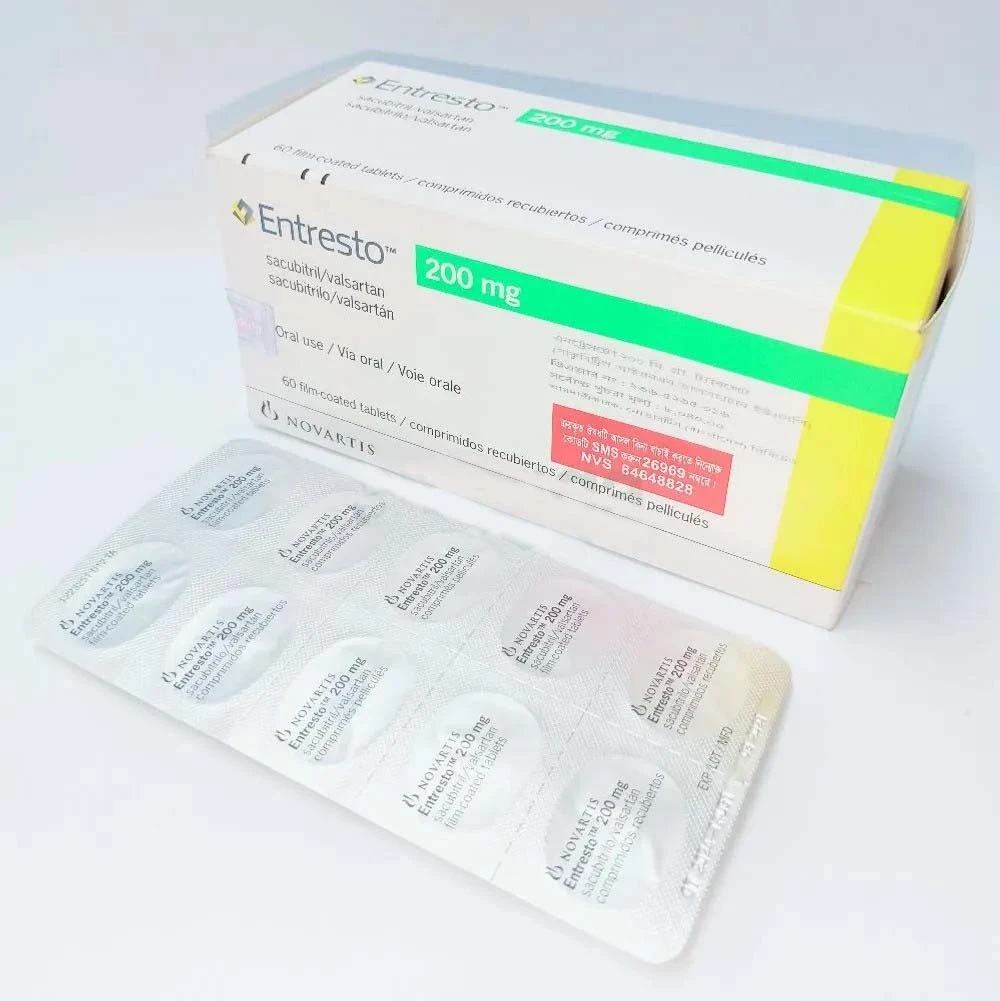
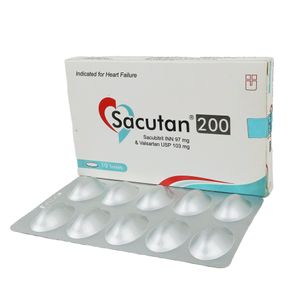
Sacubitril/valsartan is a combination medication used to treat heart failure with reduced ejection fraction (HFrEF). This fixed-dose combination includes sacubitril, a neprilysin inhibitor, and valsartan, an angiotensin II receptor blocker (ARB). The combination aims to enhance the therapeutic effects on heart failure by addressing multiple pathways involved in the condition.
Uses
Sacubitril/valsartan is primarily used for:
- Managing heart failure with reduced ejection fraction (HFrEF) to improve symptoms, reduce hospitalization, and enhance survival.
- Providing a treatment option for patients who have not achieved adequate control of heart failure symptoms with other therapies.
Mechanism of Action
The combination works through two mechanisms:
- Sacubitril inhibits neprilysin, an enzyme responsible for breaking down natriuretic peptides, bradykinin, and angiotensin II. This leads to increased levels of these peptides, which help reduce blood pressure and improve heart function.
- Valsartan blocks the angiotensin II type 1 receptor, which helps decrease blood pressure, reduce fluid overload, and mitigate the adverse effects of angiotensin II on the heart and blood vessels.
How Long Does It Take to Work?
The onset of therapeutic effects is typically seen within 1 to 2 weeks of starting treatment, with the maximum benefit usually observed within 4 to 6 weeks. The full benefits in terms of symptom relief and functional improvement may take several months.
Absorption
Sacubitril/valsartan is well absorbed after oral administration. The absorption of sacubitril is rapid, while valsartan reaches peak plasma concentrations in about 2 to 4 hours. Food does not significantly affect the absorption of valsartan.
Route of Elimination
Both sacubitril and valsartan are eliminated primarily through the liver. Sacubitril is metabolized to its active metabolite, LBQ657, which has a similar therapeutic effect. Both sacubitril and valsartan are excreted in the urine and feces.
Dosage
Adult Heart Failure: The recommended starting dose is 49/51 mg orally twice daily. Double the dose after 2 to 4 weeks to the target maintenance dose of 97/103 mg twice daily, as tolerated by the patient.Reduce the starting dose to 24/26 mg twice daily for:
- Patients not currently taking an angiotensin-converting enzyme inhibitor (ACEi) or an angiotensin II receptor blocker (ARB) or previously taking a low dose of these agents.
- Patients with severe renal impairment.
- Patients with moderate hepatic impairment.
Recommended Dose Titration-
Pediatric Patients Less than 40 kg:
- Starting: 1.6 mg/kg
- Second: 2.3 mg/kg
- Final: 3.1 mg/kg
- Starting: 24/26 mg
- Second: 49/51 mg
- Final: 49/51 mg
- Starting: 49/51 mg
- Second: 72/78 mg
- Final: 97/103 mg
The dosage of sacubitril/valsartan is individualized based on the patient's condition, kidney function, and other medications. Typical starting doses are:
- Initial dose: 49/51 mg twice daily.
- Maintenance dose: 97/103 mg twice daily, adjusted based on clinical response and tolerability.
Administration
Sacubitril/valsartan is administered orally in the form of tablets. It should be taken at the same time each day, with or without food, and the prescribed dosage should be followed closely.
Side Effects
Common side effects include:
- Dizziness
- Hyperkalemia (elevated potassium levels)
- Low blood pressure (hypotension)
- Cough
- Fatigue
- Angioedema (swelling of the deeper layers of the skin)
- Severe hypotension
- Renal impairment
Toxicity
Symptoms of toxicity may include severe hypotension, hyperkalemia, and significant renal impairment. In cases of overdose, symptomatic treatment and supportive care are recommended.
Precautions
Precautions include:
- Monitoring renal function and potassium levels regularly.
- Assessing blood pressure before initiating treatment and during therapy.
- Using with caution in patients with a history of angioedema or those at risk of hypotension.
Interaction
Sacubitril/valsartan may interact with:
- Potassium-sparing diuretics and potassium supplements, increasing the risk of hyperkalemia.
- Other antihypertensive agents, which may enhance the blood pressure-lowering effects.
- Nonsteroidal anti-inflammatory drugs (NSAIDs), which may reduce the antihypertensive effect and increase the risk of renal impairment.
Disease Interaction
Use with caution in:
- Patients with severe renal impairment.
- Patients with a history of angioedema.
- Patients with liver dysfunction, as dose adjustments may be required.
Drug Interaction
Drug interactions may occur with:
- Diuretics and other antihypertensives.
- ACE inhibitors and ARBs.
- Drugs affecting renal function.
Food Interactions
Food does not significantly impact the absorption of sacubitril/valsartan, but it is recommended to take the medication consistently with or without food to ensure stable drug levels.
Pregnancy Use
Sacubitril/valsartan is contraindicated during pregnancy. It is categorized as Category D, indicating that it may cause harm to the fetus based on human studies. Alternative treatments should be considered for pregnant patients.
Lactation Use
It is not known if sacubitril/valsartan is excreted in breast milk. Due to the potential risk to a nursing infant, it is recommended to either discontinue breastfeeding or avoid the use of this medication while breastfeeding.
Acute Overdose
In the event of an acute overdose, symptoms may include severe hypotension, hyperkalemia, and renal impairment. Treatment should be symptomatic and supportive, including the use of intravenous fluids and monitoring of electrolytes and renal function.
Contraindication
Sacubitril/valsartan is contraindicated in:
- Patients with a history of angioedema related to previous ACE inhibitor or ARB therapy.
- Pregnant women.
- Patients with severe renal impairment not on dialysis.
Use Direction
Follow the prescribed dosage instructions carefully. Take the tablets orally, preferably at the same time each day, with or without food.
Storage Conditions
Store sacubitril/valsartan at room temperature, away from moisture and direct sunlight. Keep out of reach of children and follow any additional storage instructions provided with the medication.
Volume of Distribution
The volume of distribution for sacubitril and valsartan varies, with values indicating wide distribution throughout the body tissues.
Half Life
The elimination half-life of sacubitril is approximately 1.4 hours, while its active metabolite, LBQ657, has a half-life of about 11 hours. Valsartan has a half-life of about 9 hours.
Clearance
Sacubitril and valsartan are primarily cleared through hepatic metabolism and renal excretion. The clearance rates can vary based on liver function and other individual factors.