Introduction
An antiarrhythmia agent that is particularly effective in ventricular arrhythmias. It also has weak beta-blocking activity. The drug is generally well tolerated.
Uses
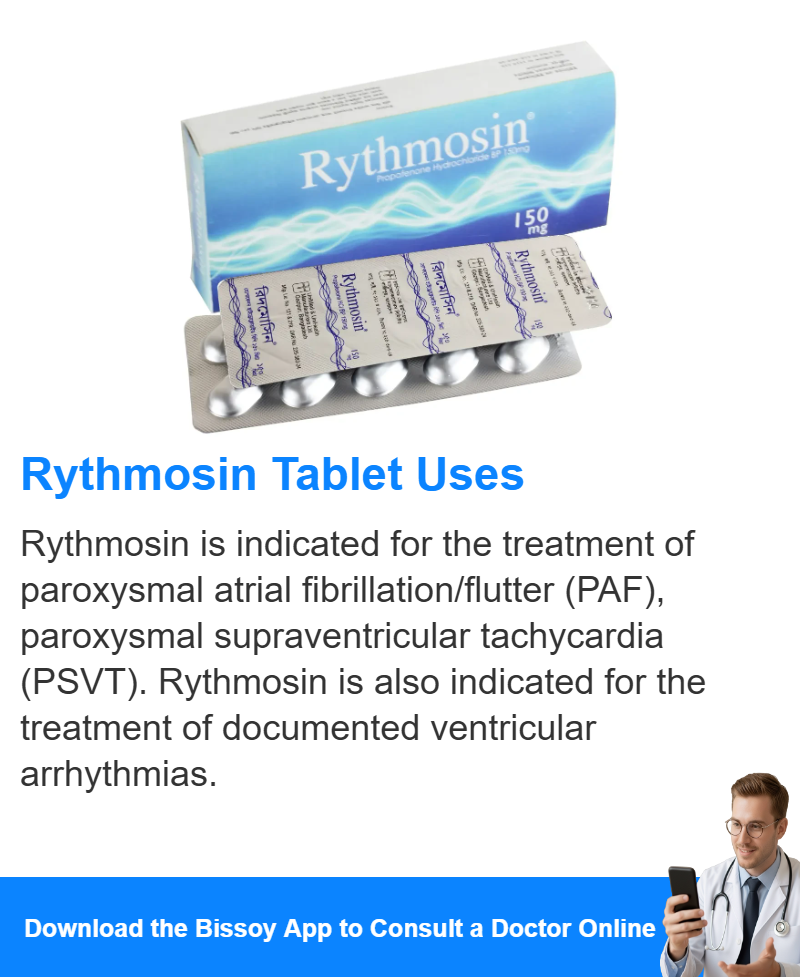
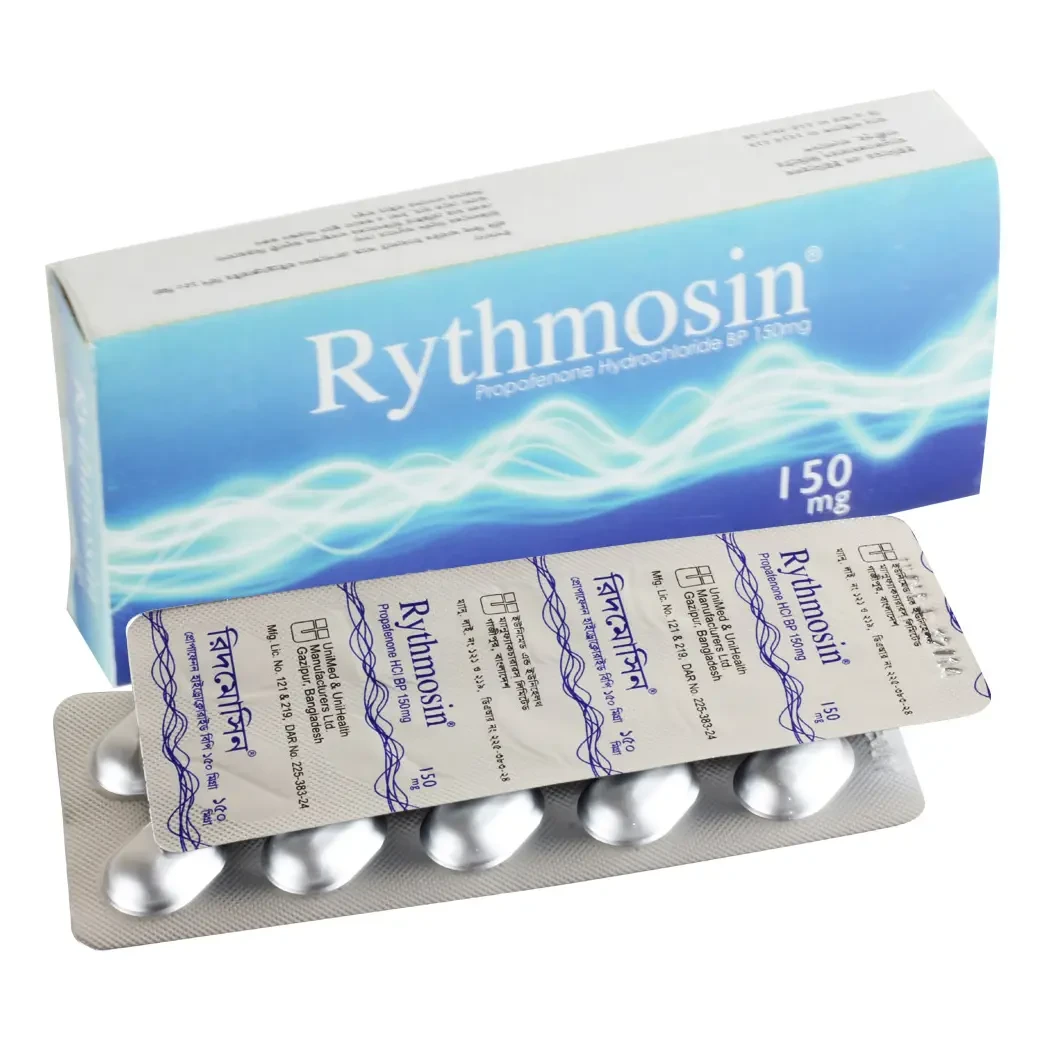
Propafenone is a Class 1C antiarrhythmic agent used in the management of paroxysmal atrial fibrillation/flutter and ventricular arrhythmias.
Used to prolong the time to recurrence of paroxysmal atrial fibrillation/flutter (PAF) associated with disabling symptoms in patients without structural heart disease. Also used for the treatment of life-threatening documented ventricular arrhythmias, such as sustained ventricular tachycardia.
Associated Conditions
Pharmacodynamics
Propafenone is a Class 1C antiarrhythmic drug with local anesthetic effects, and a direct stabilizing action on myocardial membranes. It is used in the treatment of atrial and ventricular arrhythmias. It acts by inhibiting sodium channels to restrict the entry of sodium into cardiac cells resulting in reduced excitation. Propafenone has local anesthetic activity approximately equal to procaine.
Mechanism of Action
The electrophysiological effect of propafenone manifests itself in a reduction of upstroke velocity (Phase 0) of the monophasic action potential. In Purkinje fibers, and to a lesser extent myocardial fibers, propafenone reduces the fast inward current carried by sodium ions, which is responsible for the drugs antiarrhythmic actions. Diastolic excitability threshold is increased and effective refractory period prolonged. Propafenone reduces spontaneous automaticity and depresses triggered activity. At very high concentrations in vitro, propafenone can inhibit the slow inward current carried by calcium but this calcium antagonist effect probably does not contribute to antiarrhythmic efficacy.
Absorption
Nearly completely absorbed following oral administration (90%). Systemic bioavailability ranges from 5 to 50%, due to significant first-pass metabolism. This wide range in systemic bioavailability is related to two factors: presence of food (food increases bioavailability) and dosage (bioavailability is 3.4% for a 150-mg tablet compared to 10.6% for a 300-mg tablet).
Volume of Distribution
- 252 L
Protein Binding
97%
Route of Elimination
Approximately 50% of propafenone metabolites are excreted in the urine following administration of immediate release tablets.
Half Life
2-10 hours
Toxicity
Symptoms of propafenone overdose (usually most severe within the first 3 hours) may include convulsions (rarely), heartbeat irregularities, low blood pressure, and sleepiness.
Food Interactions
- Avoid grapefruit products.
- Take with or without food. Take consistently at the same time in regard to meals.