Introduction
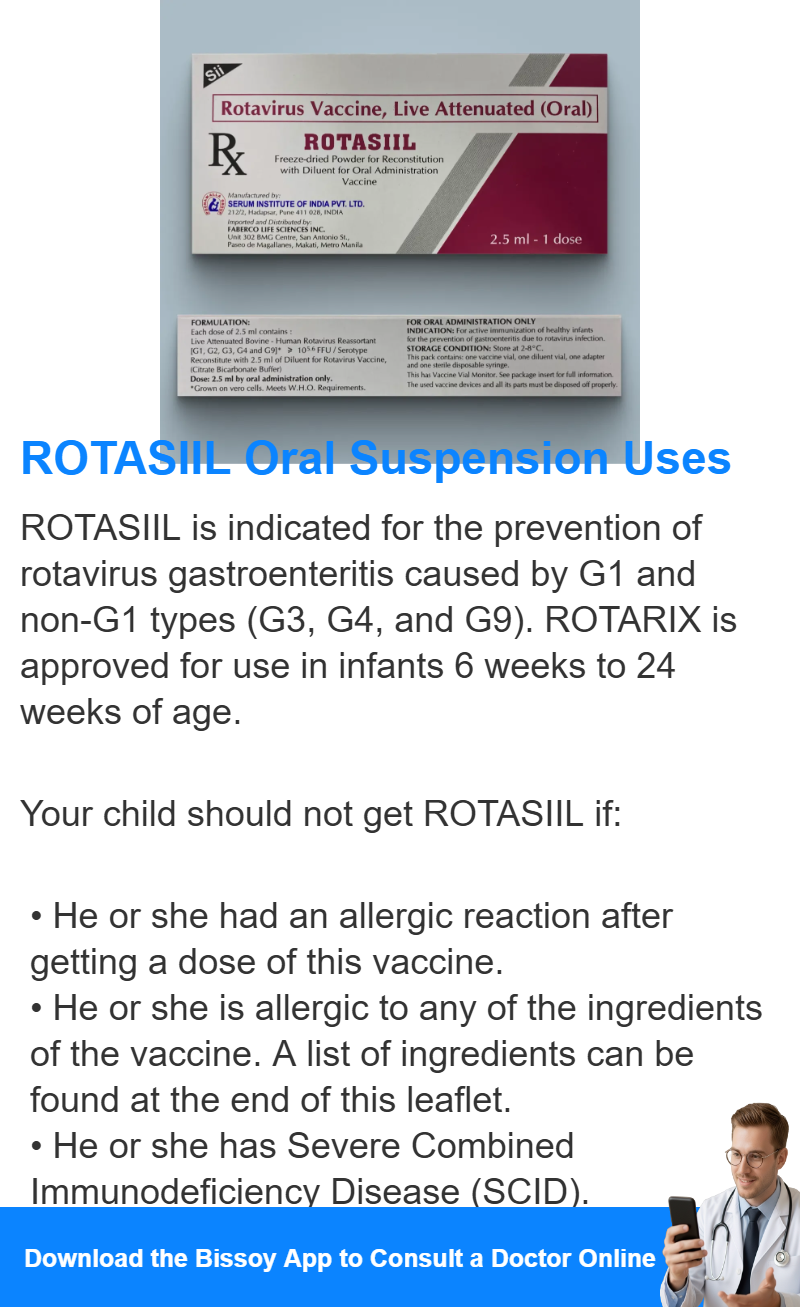
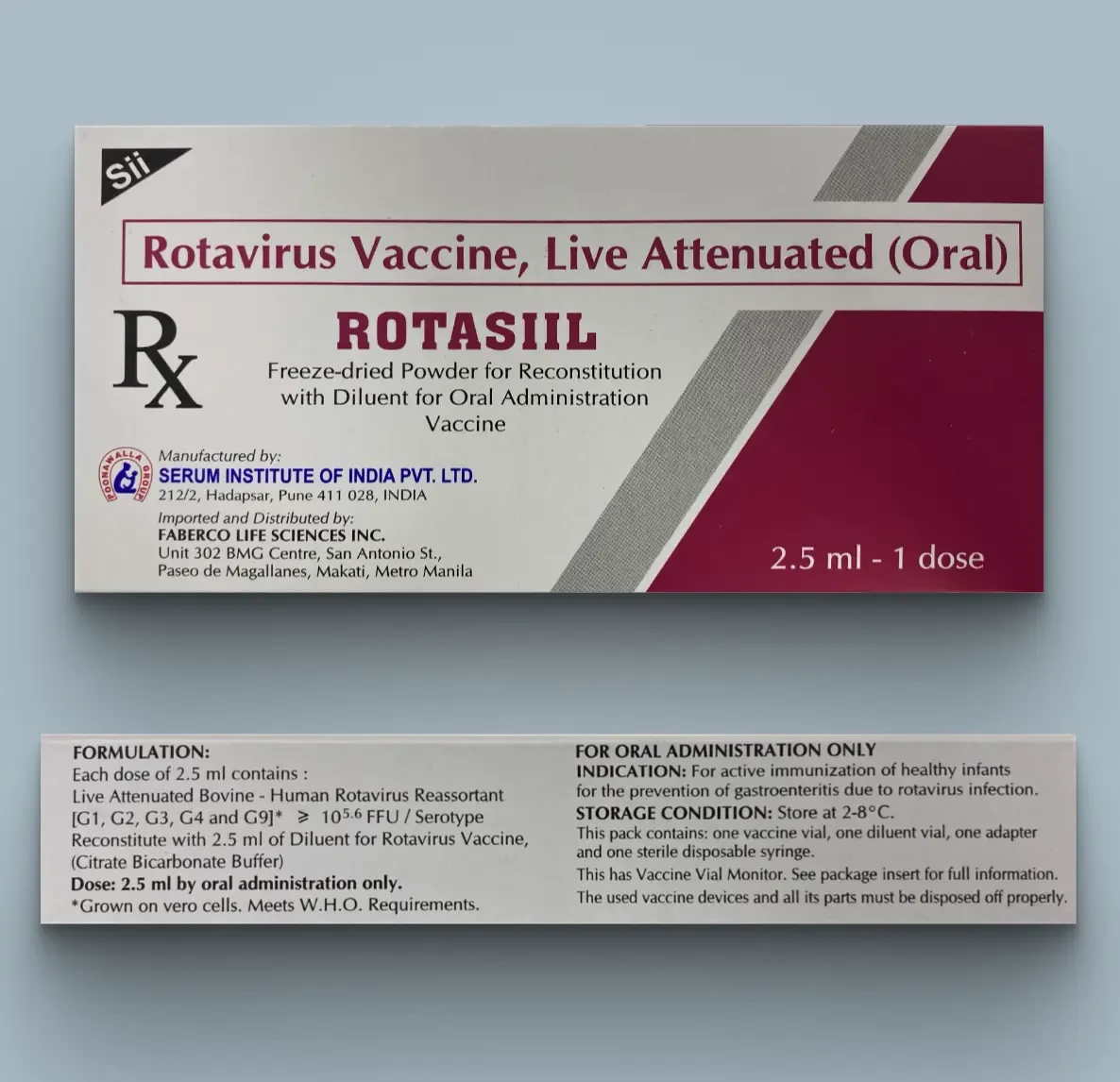
Rotavirus commonly infects children and infants causing severe diarrhea and vomiting leading to potentially fatal dehydration. Two rotavirus vaccines are available for the prevention of rotavirus gastroenteritis, Rotateq and Rotarix. Rotateq is a live vaccine consisting of 5 reassorted human-bovine viral strains. Rotarix is a live attenuated vaccine containing the 89-12 human strain. Rotavirus vaccines are 90% effective in protecting against severe rotavirus infection.
Uses
Rotarix is indicated for prevention of rotavirus gastroenteritis caused by G1, G3, G4, and G9 types in infants aged 6-24 weeks .
Rotateq is indicated for the prevention of rotavirus gastroenteritis caused by G1, G2, G3, G4, and G9 types in infants aged 6-32 weeks .
Associated Conditions
Pharmacodynamics
Rotarix and Rotateq contain live attenuated and live virus respectively. The virus replicates in the intesine and interacts with the patient's immune system to produce immunity . Seroconversion has been defined as the appearance of anti-rotavirus IgA antibodies at concentrations greater than 20 U/mL post-vaccination in the serum of infants previously negative for rotavirus .
Mechanism of Action
The exact mechanism specific to the rotavirus vaccines' interaction with the immune system is uncharacterized .
Half Life
The median duration of viral shedding was observed to be 10 days .
Toxicity
Rotavirus vaccine may produce severe diarrhea and vomiting as a result of rotavirus infection . Post marketing reports suggest an increased risk of intussusception with rotavirus vaccine but this is unsupported by clinical data.