Introduction
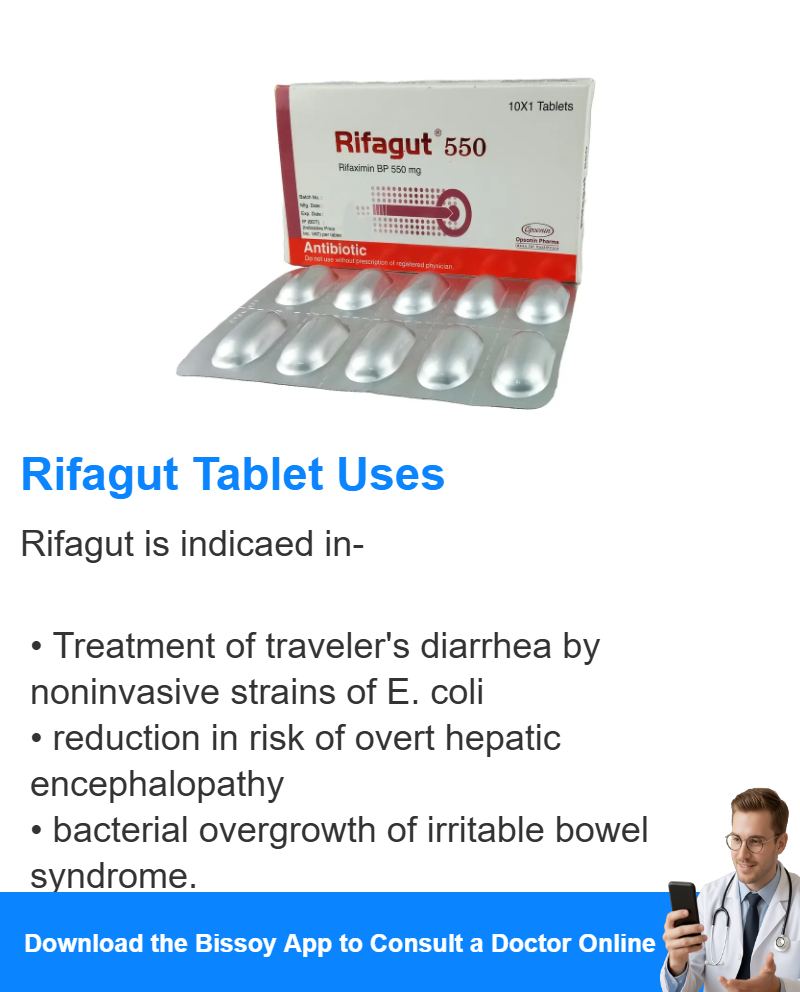
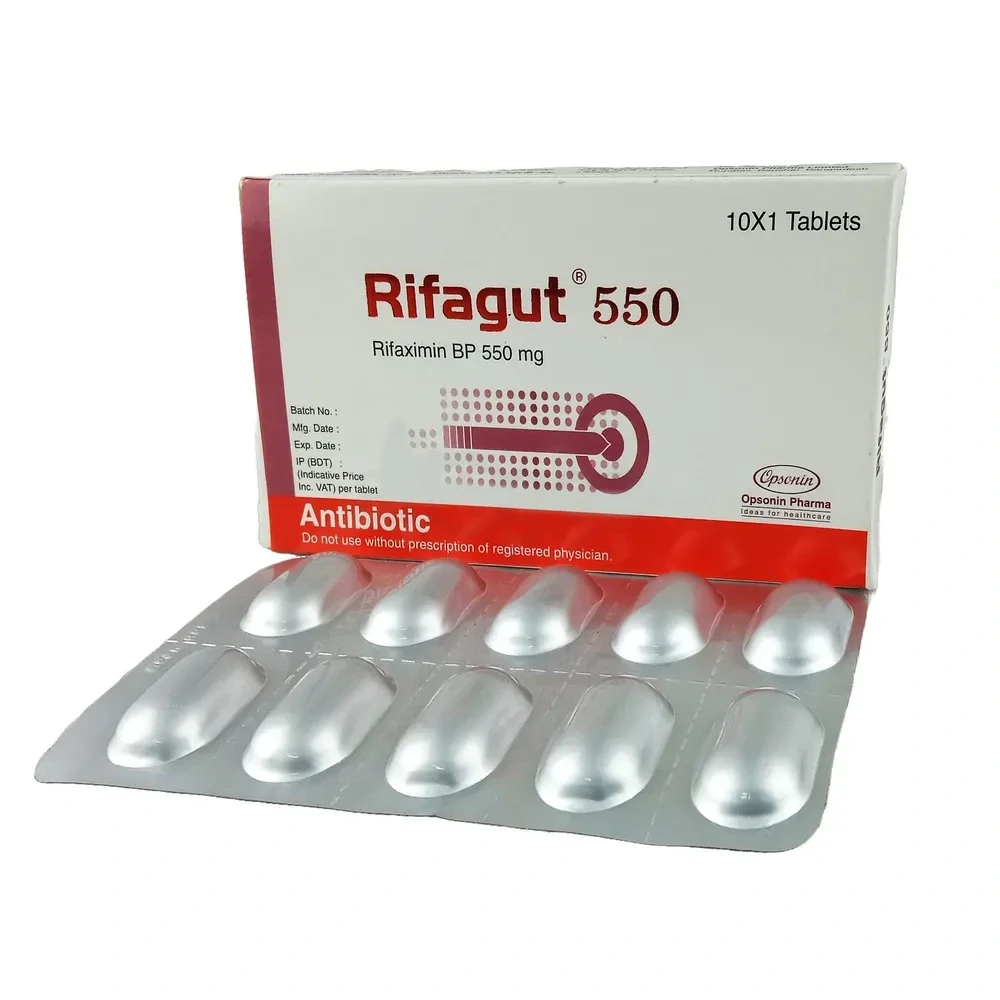
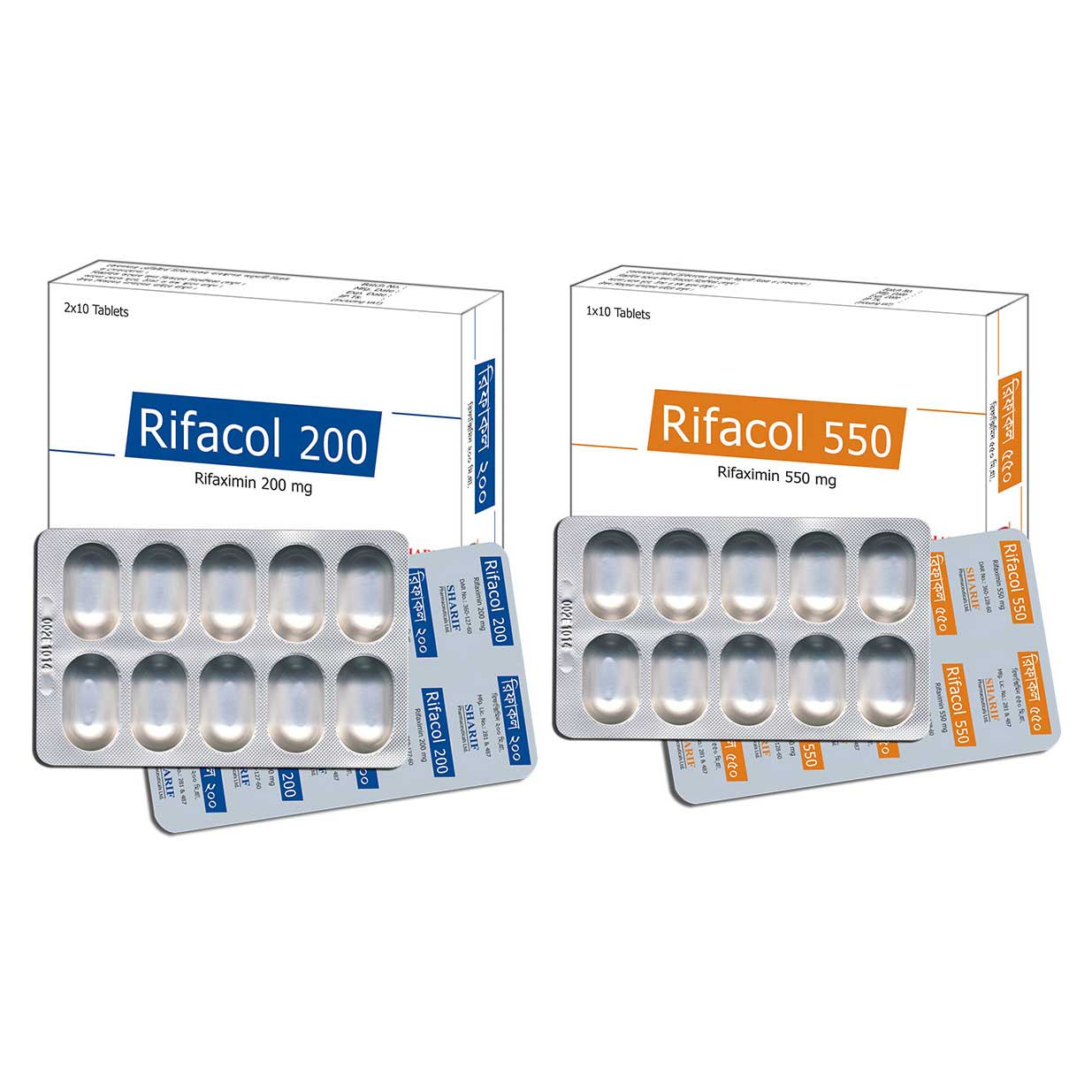
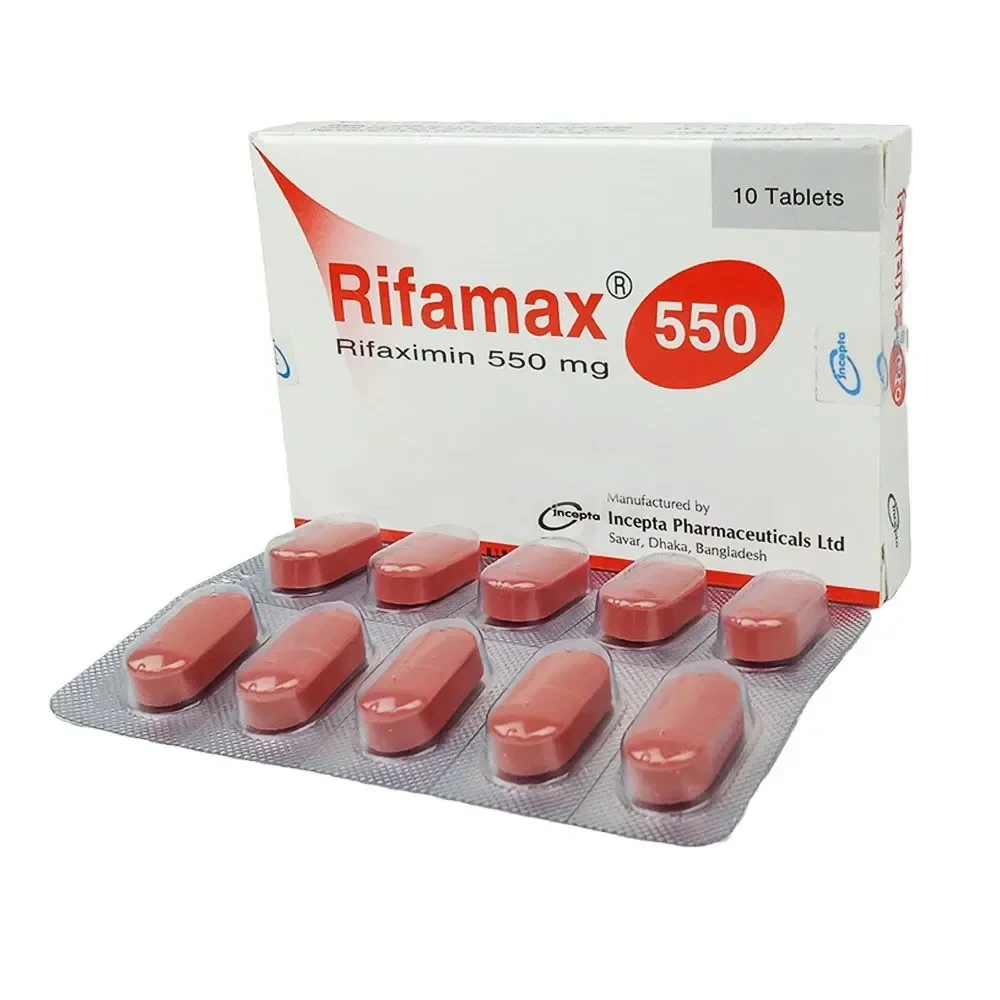
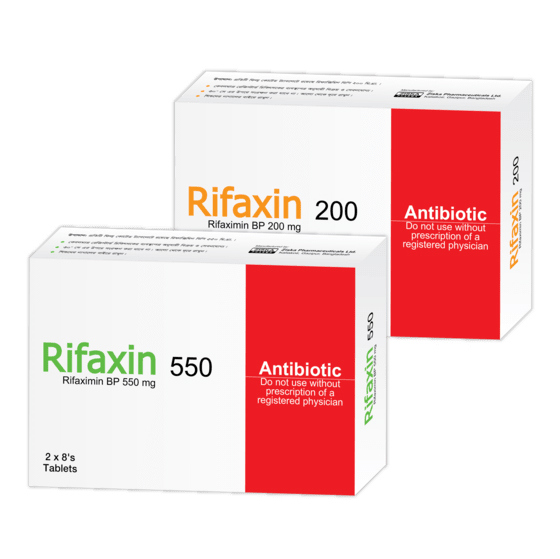
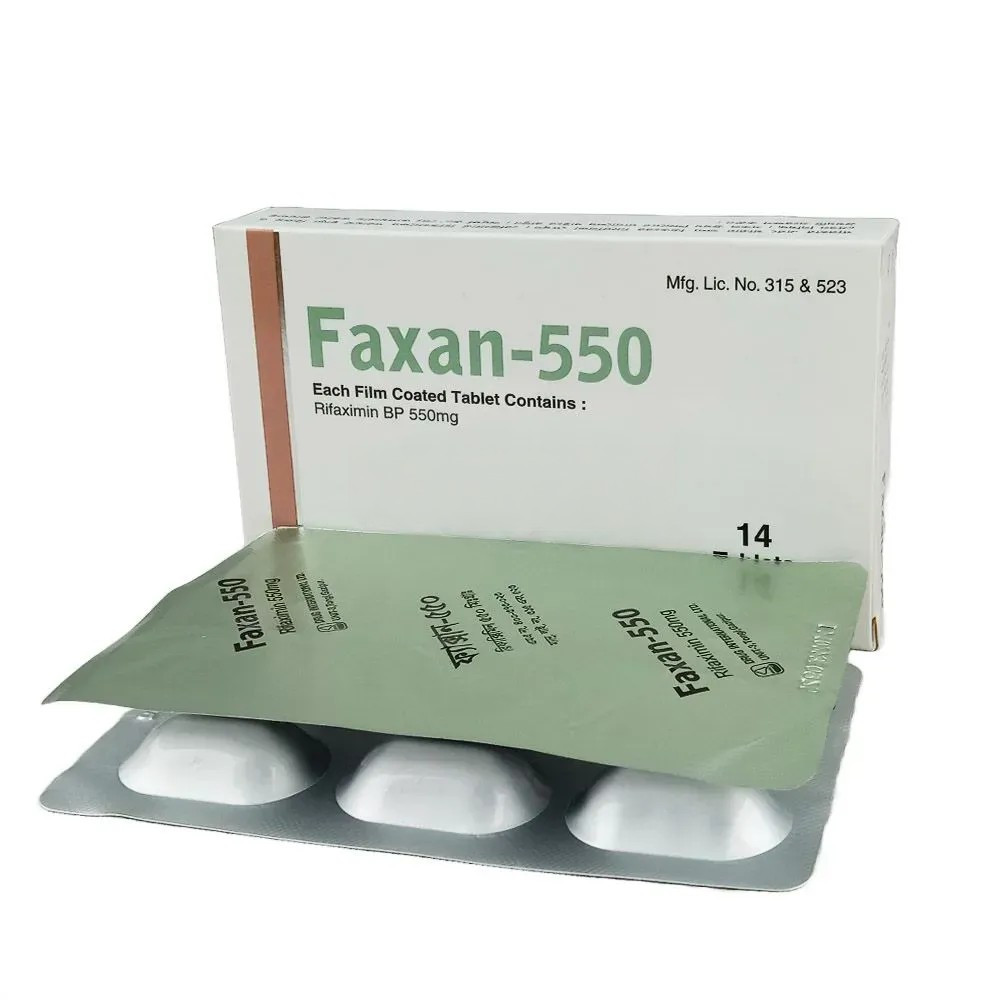
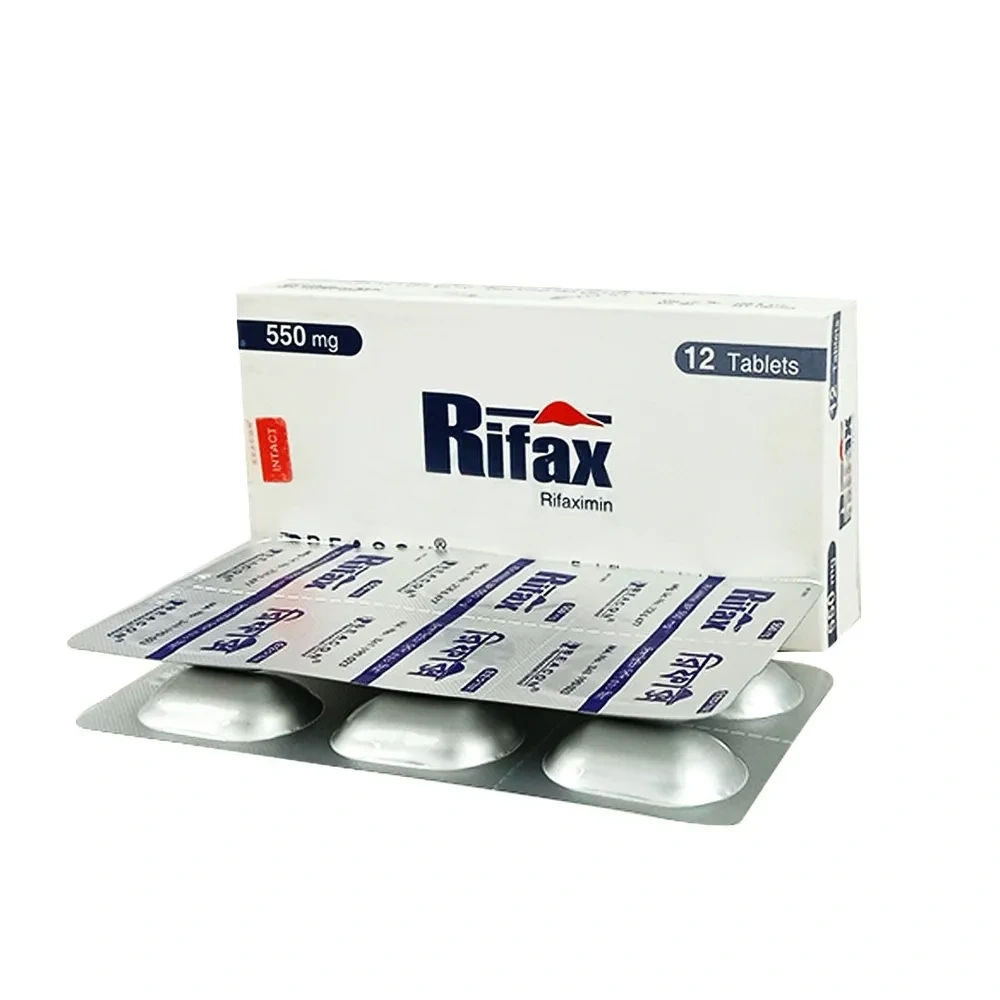
Rifagut Tablet 550 mg is a semisynthetic, rifamycin-derived non-systemic antibiotic that acts locally within the gastrointestinal tract with minimal absorption into the bloodstream. It is used to treat traveler's diarrhea caused by Escherichia coli, reduce the risk of recurrence of hepatic encephalopathy, and manage diarrhea-predominant irritable bowel syndrome (IBS-D) in adults. Its localized activity in the gut provides effective antibacterial action while minimizing systemic exposure.
Uses
Rifagut Tablet 550 mg is a rifamycin-based non-systemic antibiotic used for the treatment of gastrointestinal bacterial infections, such as traveler's diarrhea and irritable bowel syndrome, and reduction of overt hepatic encephalopathy recurrence in adults.
Rifagut Tablet 550 mg has multiple indications by the FDA: for the treatment of patients (≥12 years of age) with traveller's diarrhea caused by noninvasive strains of Escherichia coli; for the reduction of overt hepatic encephalopathy recurrence in patients ≥18 years of age; and in May 2015 it was approved for irritable bowel syndrome with diarrhea (IBS-D) treatment in adult men and women.
Associated Conditions
Pharmacodynamics
Rifagut Tablet 550 mg is a structural analog of rifampin and a non-systemic, gastrointestinal site-specific antibiotic. This non-systemic property of the drug is due to the addition of a pyridoimidazole ring, which renders it non-absorbable. Rifagut Tablet 550 mg acts by inhibiting bacterial ribonucleic acid (RNA) synthesis and contributes to restore intestinal microflora imbalance. Other studies have also shown rifaximin to be an pregnane X receptor (PXR) activator. As PXR is responsible for inhibiting the proinflammatory transcription factor NF-kappa B (NF-κB) and is inhibited in inflammatory bowel disease (IBD), rifaximin was proven to be effective for the treatment of IBS-D.
Mechanism of Action
Rifagut Tablet 550 mg acts by inhibiting RNA synthesis in susceptible bacteria by binding to the beta-subunit of bacterial deoxyribonucleic acid (DNA)-dependent ribonucleic acid (RNA) polymerase enzyme. This binding blocks translocation, which stops transcription.
Absorption
Low absorption in both the fasting state and when administered within 30 minutes of a high-fat breakfast.
Route of Elimination
In a mass balance study, after administration of 400 mg 14C-rifaximin orally to healthy volunteers, of the 96.94% total recovery, 96.62% of the administered radioactivity was recovered in feces almost exclusively as the unchanged drug and 0.32% was recovered in urine mostly as metabolites with 0.03% as the unchanged drug.Rifagut Tablet 550 mg accounted for 18% of radioactivity in plasma. This suggests that the absorbed rifaximin undergoes metabolism with minimal renal excretion of the unchanged drug
Half Life
Approximately 6 hours.
Toxicity
LD50 > 2 g/kg (orally, in rats)
Food Interactions
- Take with or without food. Fatty meals may increase the systemic AUC of rifaximin, but do not impact Cmax. Rifagut Tablet 550 mg is an antibacterial used for local action in the gastrointestinal tract; therefore, changes in systemic exposure may not significantly impact efficacy.
Dosage
Hepatic Encephalopathy: For patients ≥18 years of age: 550 mg 2 times daily.
Bacterial overgrowth of irritable bowel syndrome: 400 mg 3 times daily for 10 days or 550 mg 3 times daily for 14 days. Can be taken with or without food