Introduction
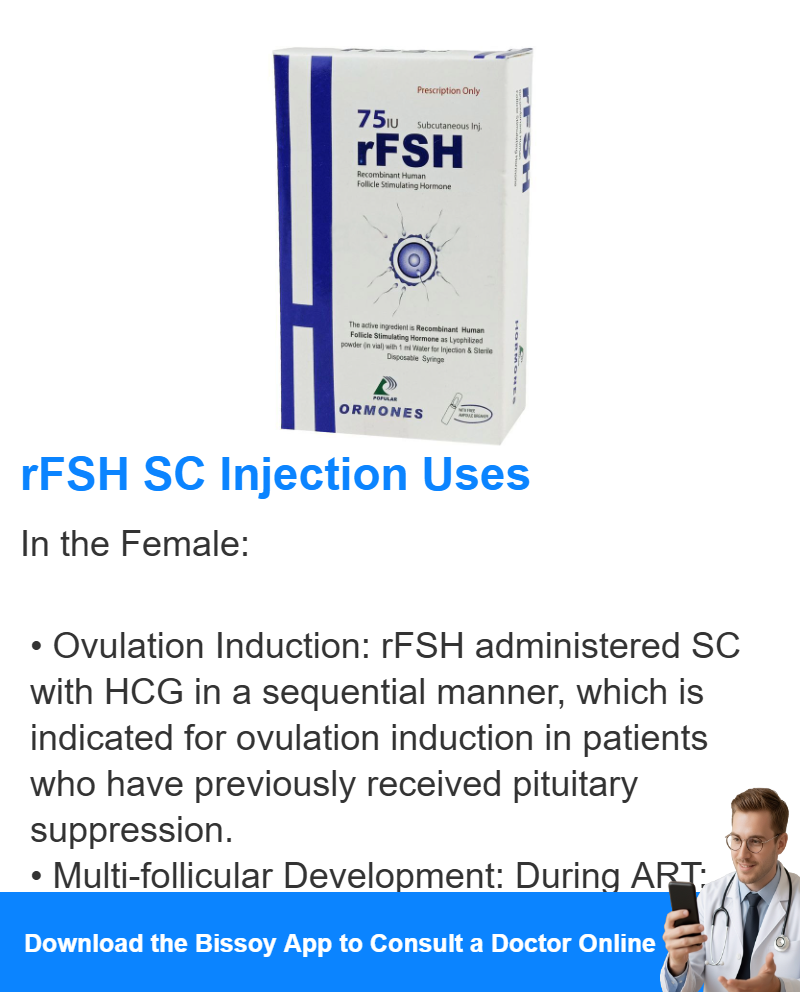
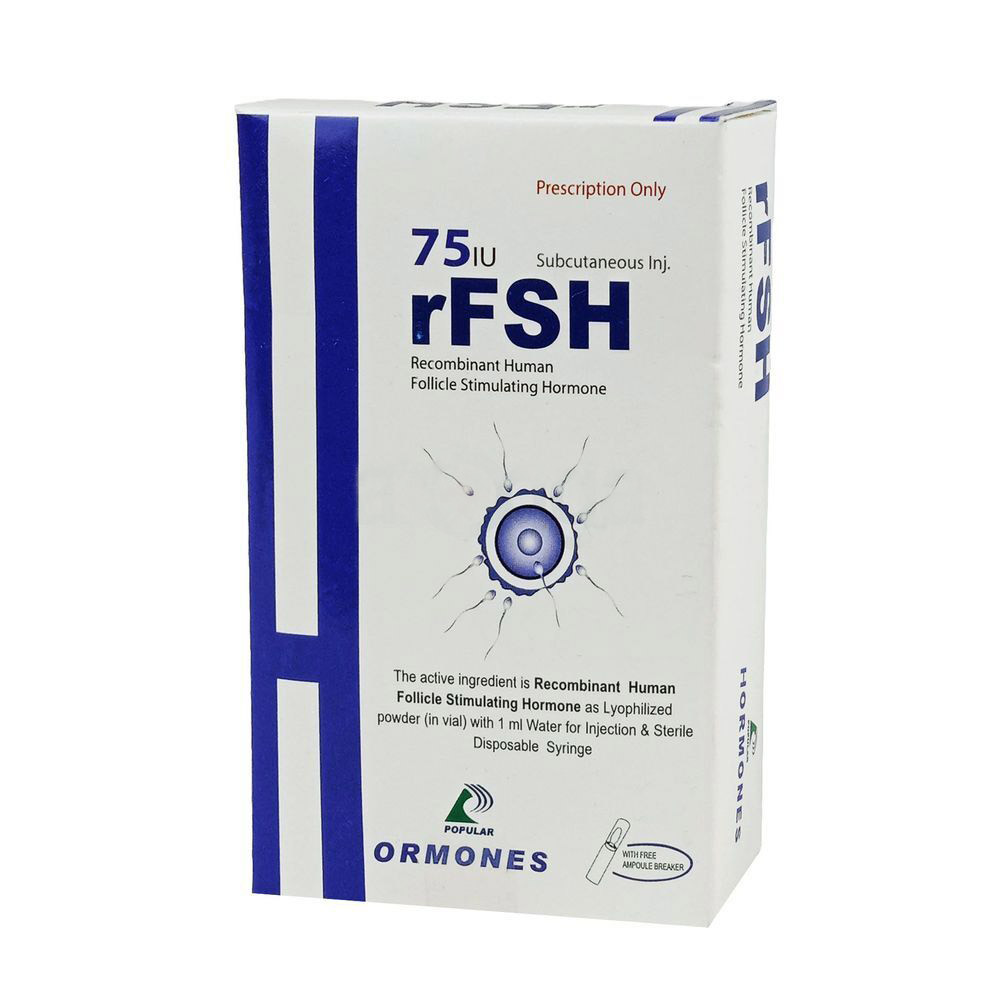
rFSH SC Injection 75 IU/vial (rFSH) is a synthetic form of the naturally occurring follicle-stimulating hormone (FSH) used in assisted reproductive technologies. It is produced through recombinant DNA technology and is used to stimulate follicular development in the ovaries.
Uses
rFSH is primarily used for:
- Inducing ovulation in women with ovulatory dysfunction or infertility
- Supporting controlled ovarian hyperstimulation during in vitro fertilization (IVF) treatments
- Increasing follicle development in women undergoing fertility treatments
- As part of hormone replacement therapy in men with hypogonadotropic hypogonadism to stimulate spermatogenesis
Mechanism of Action
rFSH mimics the action of the naturally occurring FSH by binding to FSH receptors on ovarian follicle cells. This stimulates the growth and maturation of ovarian follicles, leading to the development of eggs. In men, it helps stimulate spermatogenesis by acting on Sertoli cells in the testes.
How Long Does It Take to Work?
The onset of action for rFSH can vary depending on the individual's response and treatment regimen. Typically, it begins to show effects within 1-2 weeks of starting treatment, with follicle growth being monitored through ultrasound and hormone levels. The full effects can be assessed over a treatment cycle, which usually lasts about 2-4 weeks.
Absorption
rFSH is administered via subcutaneous or intramuscular injection. It is well-absorbed after injection, with peak serum concentrations typically occurring within 4-8 hours.
Route of Elimination
Recombinant FSH is primarily metabolized in the liver and kidneys. It is cleared from the bloodstream through proteolytic degradation and excretion in the urine.
Dosage
Dosage of rFSH varies based on the specific treatment protocol and individual patient needs. Typical dosages include:
- For ovarian stimulation: 75-150 IU per day, adjusted based on ovarian response and ultrasound findings
- For men with hypogonadotropic hypogonadism: 150-225 IU 2-3 times a week
Dosage should be adjusted according to patient response and under the guidance of a healthcare provider.
Administration
rFSH is administered through subcutaneous injection (usually in the abdomen or thigh) or intramuscular injection. Patients should be trained by a healthcare provider on proper injection techniques.
Side Effects
Common side effects of rFSH may include:
- Injection site reactions such as pain, redness, or swelling
- Abdominal discomfort or bloating
- Headaches
- Fatigue
Less common but more serious side effects can include ovarian hyperstimulation syndrome (OHSS) and multiple pregnancies.
Toxicity
rFSH is generally well-tolerated, but excessive doses or prolonged use can increase the risk of ovarian hyperstimulation syndrome (OHSS), characterized by abdominal pain, nausea, vomiting, and in severe cases, fluid accumulation and electrolyte imbalances.
Precautions
Precautions include:
- Monitoring for signs of ovarian hyperstimulation syndrome (OHSS)
- Regular ultrasound and hormone level assessments to adjust dosage appropriately
- Using with caution in patients with pre-existing ovarian cysts or conditions that may affect ovarian function
Interaction
rFSH may interact with other medications used in fertility treatments. It is important to disclose all medications and supplements to a healthcare provider to avoid potential interactions.
Disease Interaction
Patients with conditions affecting ovarian function, such as polycystic ovary syndrome (PCOS) or ovarian tumors, should use rFSH with caution. Regular monitoring is necessary to manage any potential complications.
Drug Interaction
Drug interactions with rFSH are generally minimal, but it is important to consider interactions with other hormonal treatments or fertility medications that may affect the overall treatment plan.
Food Interactions
There are no known significant food interactions with rFSH. Patients should follow a balanced diet to support overall health during fertility treatment.
Pregnancy Use
rFSH is not used during pregnancy as it is intended for stimulating follicle development prior to conception. It is used as part of fertility treatment and should be discontinued once pregnancy is confirmed.
Lactation Use
rFSH is not recommended for use during lactation, as its effects on breast milk production and the nursing infant are not well studied. It is typically discontinued before breastfeeding begins.
Acute Overdose
In case of acute overdose, symptoms may include severe ovarian hyperstimulation syndrome (OHSS). Immediate medical attention is required to manage symptoms and prevent complications.
Contraindication
Contraindications include:
- Primary ovarian insufficiency or menopause
- Ovarian cysts or tumors
- Uncontrolled thyroid or adrenal disorders
Use Direction
Follow the specific directions provided by the prescribing healthcare provider or product manufacturer. Ensure correct dosage and injection technique to achieve optimal results and minimize side effects.
Storage Conditions
Store rFSH in a refrigerator at 2-8°C (36-46°F). Do not freeze. Keep out of reach of children and follow any additional storage instructions provided with the medication.
Volume of Distribution
The volume of distribution for rFSH is not typically specified in clinical practice, but it is distributed throughout the bloodstream after injection.
Half Life
The half-life of rFSH is approximately 20-30 hours. This allows for once-daily or every-other-day dosing regimens in fertility treatments.
Clearance
rFSH is cleared from the body through the liver and kidneys. The clearance rate can vary based on individual metabolic rates and overall health.