Introduction
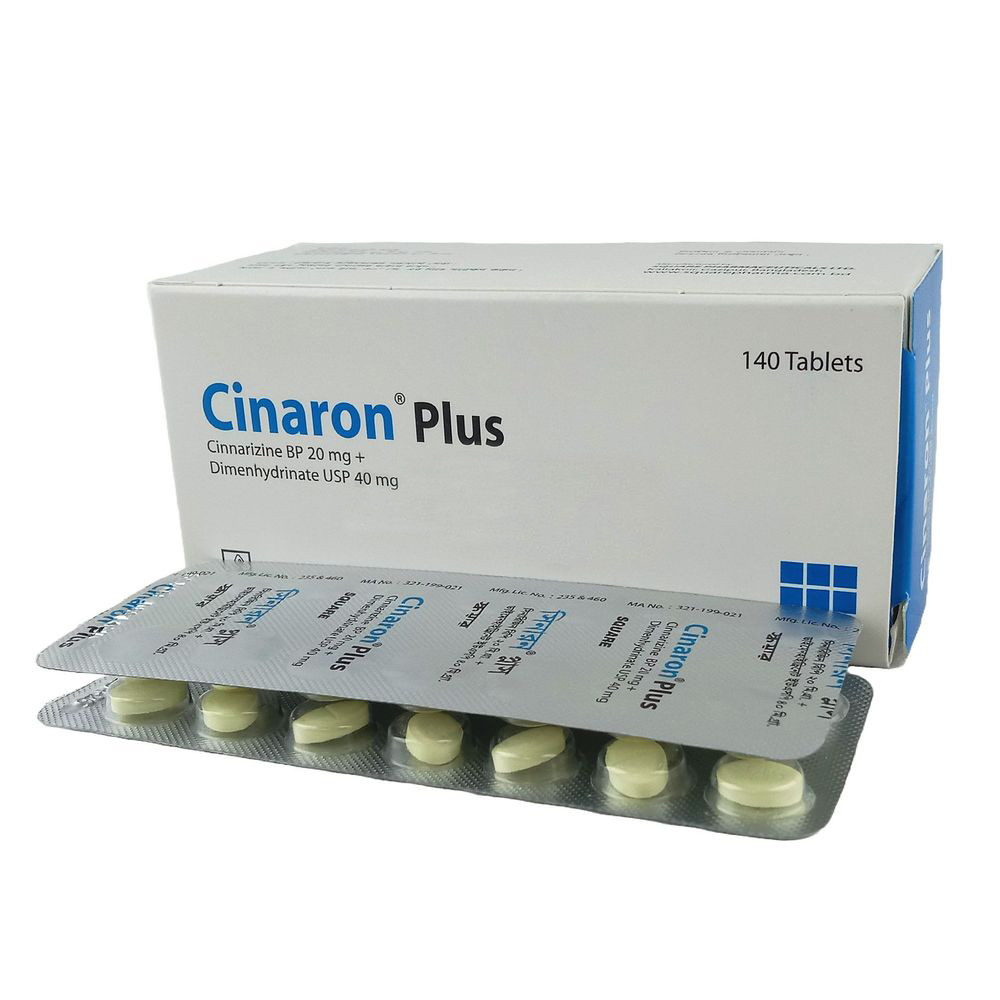
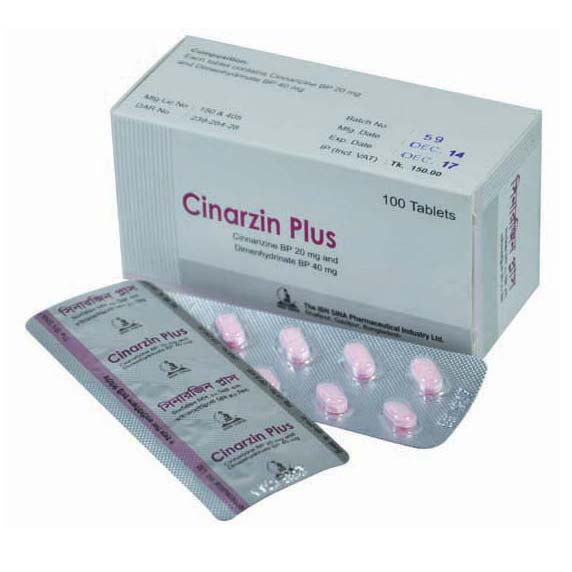
Cinnarizine and dimenhydrinate are combined in some formulations to treat motion sickness and other vestibular disorders. Cinnarizine is an antihistamine with antiemetic properties, while dimenhydrinate is an antihistamine with strong anti-nausea effects.
Uses
The combination of cinnarizine and dimenhydrinate is used for:
- Preventing and treating motion sickness.
- Managing symptoms of vertigo and dizziness associated with vestibular disorders.
- Reducing nausea and vomiting related to various conditions, including inner ear disorders.
Mechanism of Action
Cinnarizine works by blocking histamine H1 receptors and calcium channels in the inner ear and central nervous system, which helps to reduce symptoms of motion sickness and vertigo. Dimenhydrinate also blocks H1 receptors and has anticholinergic properties that alleviate nausea and vomiting.
How Long Does It Take to Work?
The effects of cinnarizine and dimenhydrinate usually begin within 30 to 60 minutes after administration. Peak effects are often observed within 1 to 2 hours. Full therapeutic benefits may take several days with regular use.
Absorption
Both cinnarizine and dimenhydrinate are well-absorbed from the gastrointestinal tract after oral administration. Cinnarizine has good bioavailability, while dimenhydrinate is also efficiently absorbed.
Route of Elimination
Cinnarizine and dimenhydrinate are primarily metabolized in the liver. Both drugs and their metabolites are excreted primarily through the kidneys, with some excretion through the bile.
Dosage
Adults: 1 tablet three times daily, to be taken after meals. Children andadolescents under the age of 18 years: Not recommended
Elderly: Dosage as for adults.
Typical dosages are:
- Cinnarizine: 25 mg to 50 mg three times a day.
- Dimenhydrinate: 50 mg to 100 mg every 4 to 6 hours as needed, not exceeding 400 mg per day.
Administration
Both cinnarizine and dimenhydrinate are administered orally, usually in the form of tablets or capsules. It is recommended to take them with food to reduce gastrointestinal discomfort.
Side Effects
Common side effects include:
- Drowsiness or sedation.
- Dizziness or headache.
- Dry mouth or blurred vision.
- Gastrointestinal disturbances, such as nausea or constipation.
Toxicity
Acute toxicity of cinnarizine and dimenhydrinate is low but can cause severe drowsiness, confusion, and impaired coordination in cases of overdose. Long-term use in high doses may lead to anticholinergic effects and cognitive impairment.
Precautions
Precautions include:
- Use with caution in elderly patients, as they may be more sensitive to sedative effects.
- Monitor for signs of anticholinergic side effects, especially in patients with pre-existing conditions.
- Use with caution in patients with a history of seizures or psychiatric disorders.
Interaction
Potential interactions include:
- Other central nervous system depressants, such as alcohol or benzodiazepines, which can enhance sedative effects.
- Anticholinergic drugs, which can increase the risk of anticholinergic side effects.
Disease Interaction
Use with caution in patients with:
- Glaucoma or urinary retention, due to the anticholinergic properties of dimenhydrinate.
- Epilepsy or other seizure disorders, as both drugs may affect seizure threshold.
Drug Interaction
Drug interactions may include:
- Other sedatives or CNS depressants, which may exacerbate drowsiness and impaired coordination.
- Anticholinergic agents, which can increase the risk of anticholinergic side effects.
Food Interactions
There are no significant food interactions reported for cinnarizine and dimenhydrinate. However, taking these medications with food may reduce gastrointestinal discomfort.
Pregnancy Use
The safety of cinnarizine and dimenhydrinate during pregnancy is not well-established. They should be used only if clearly needed and after assessing the benefits and risks with a healthcare provider.
Lactation Use
Both cinnarizine and dimenhydrinate are excreted in breast milk. Use during lactation should be approached with caution, and it is advisable to consult a healthcare provider to weigh the risks and benefits.
Acute Overdose
Acute overdose may lead to severe drowsiness, confusion, agitation, and hallucinations. Treatment typically involves supportive care, including maintaining airway and monitoring vital signs. Activated charcoal may be used if overdose is recent.
Contraindication
Cinnarizine and dimenhydrinate are contraindicated in:
- Patients with known hypersensitivity to either drug or any component of the formulation.
- Patients with severe liver or kidney impairment without careful monitoring.
Use Direction
Follow the dosage instructions provided by the healthcare provider or as indicated on the medication packaging. Consistency in taking the medication as prescribed is important for achieving optimal results. Report any adverse effects or concerns to a healthcare provider.
Storage Conditions
Store cinnarizine and dimenhydrinate at room temperature, away from moisture and direct sunlight. Keep out of reach of children. Follow any additional storage instructions provided on the packaging.
Volume of Distribution
The volume of distribution for cinnarizine and dimenhydrinate is not precisely defined but generally indicates widespread distribution to tissues, including the central nervous system.
Half Life
Cinnarizine has a half-life of approximately 4 to 6 hours, while dimenhydrinate has a half-life of around 4 to 6 hours as well. However, the duration of therapeutic effects may extend beyond these half-lives.
Clearance
Both cinnarizine and dimenhydrinate are primarily cleared through the kidneys. The exact clearance rates can vary based on individual factors, such as renal function and dosage.