Introduction
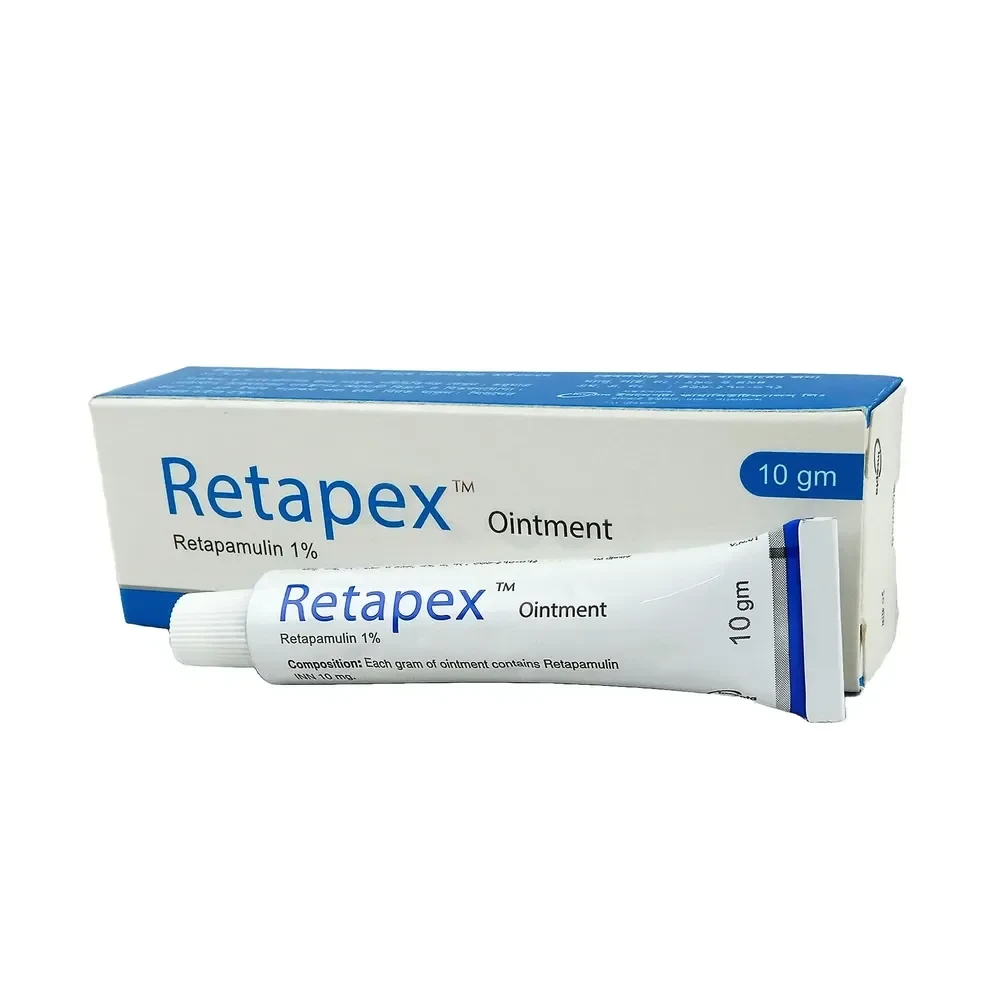
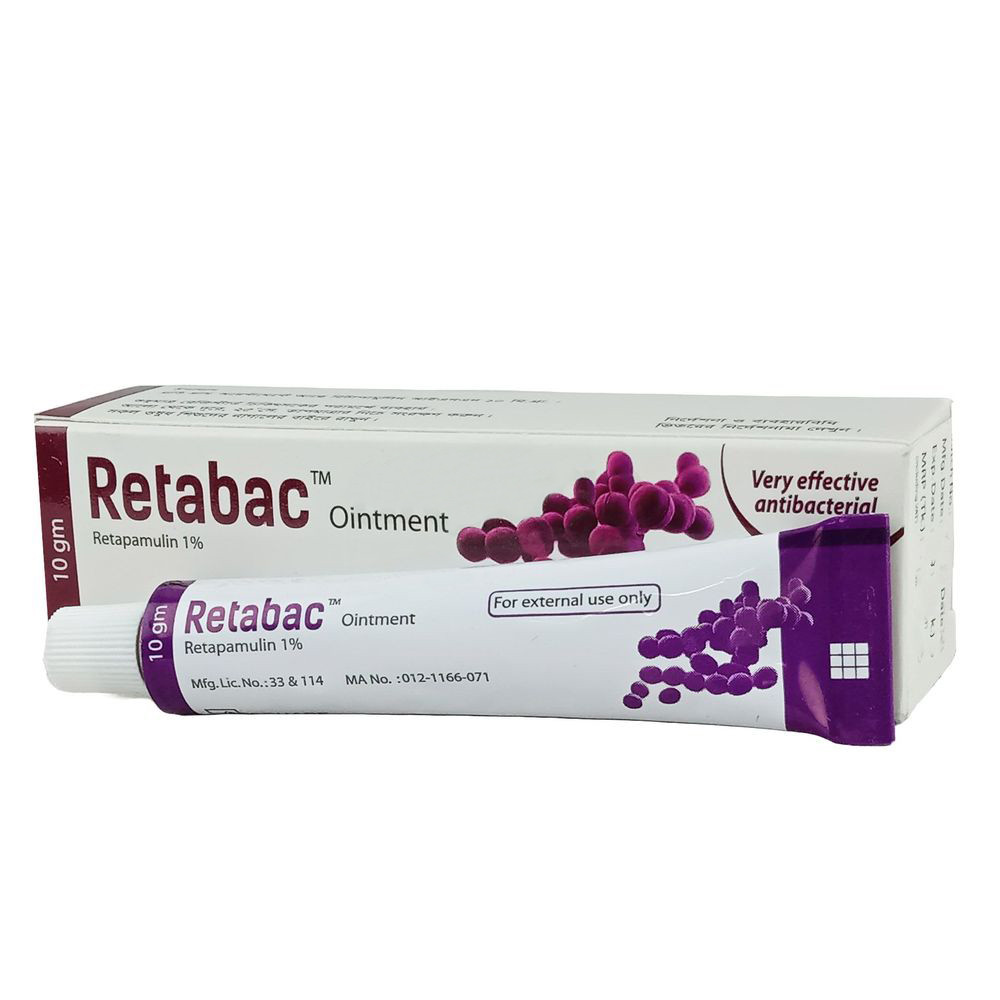
Retabac Ointment 1% is a topical antibiotic used primarily for the treatment of skin infections. It is a pleuromutilin antibiotic that works by inhibiting bacterial protein synthesis. Retabac Ointment 1% is commonly prescribed for superficial bacterial infections such as impetigo and skin infections caused by specific strains of Staphylococcus aureus and Streptococcus pyogenes.
Uses
Retabac Ointment 1% is used for:
- Treating superficial skin infections, including impetigo.
- Managing infections caused by Staphylococcus aureus and Streptococcus pyogenes.
| Brand Name | Retabac |
|---|---|
| Type | Ointment |
| Weight | 1% |
| Generic | Retapamulin |
| Manufacturer | Square Pharmaceuticals Ltd. |
| Available in | English বাংলা |
Mechanism of Action
Retabac Ointment 1% works by inhibiting bacterial protein synthesis. It binds to the 50S ribosomal subunit, specifically to the peptidyl transferase center, thereby interfering with the formation of peptide bonds and preventing the growth of bacteria. This action inhibits the synthesis of essential proteins required for bacterial survival and replication.
How Long Does It Take to Work?
Retabac Ointment 1% usually begins to show improvement in skin infections within 24 to 48 hours of application. Complete resolution of the infection may take 7 to 10 days, depending on the severity of the infection and adherence to the treatment regimen.
Absorption
Retabac Ointment 1% is designed for topical use and is minimally absorbed through the skin. Its systemic absorption is negligible, making it effective for localized skin infections with minimal risk of systemic side effects.
Route of Elimination
Since Retabac Ointment 1% is applied topically and has minimal systemic absorption, there is limited information on its route of elimination. Most of the drug remains localized at the site of application and is eventually removed through normal skin turnover and washing.
Dosage
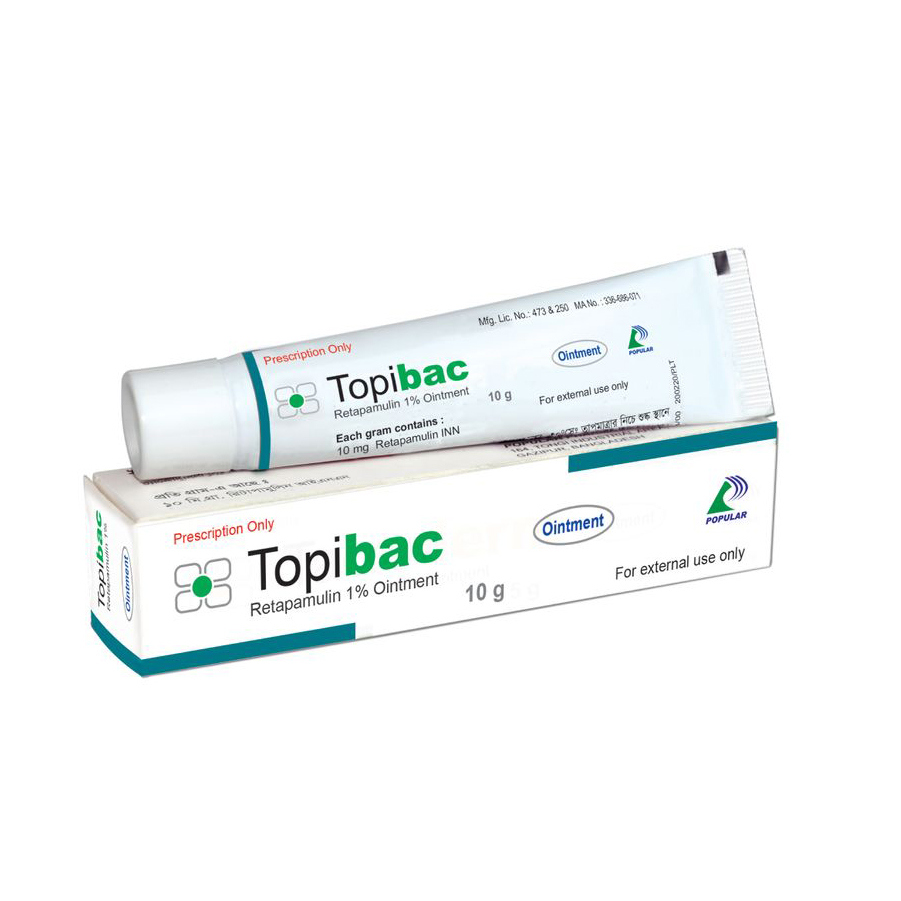
A thin layer of Topibac should be applied to the affected area (up to 100 cm2 in total area in adults or 2% total body surface area in pediatric patients aged 9 months or older) twice daily for 5 days. The treated area may be covered with a sterile bandage or gauze dressing if desired.The usual dosage for Retabac Ointment 1% is:
- For Impetigo and other superficial skin infections: Apply a thin layer of Retabac Ointment 1% ointment to the affected area twice daily for 5 days.
Administration
Retabac Ointment 1% is administered topically:
- Apply a thin layer of the ointment directly to the affected skin area.
- Cover the treated area with a bandage if instructed by a healthcare provider.
- Wash hands before and after applying the ointment to prevent the spread of infection.
Side Effects
Common side effects include:
- Local irritation or redness at the application site.
- Itching or burning sensation.
- Dryness or peeling of the skin.
- Severe allergic reactions (e.g., rash, itching, swelling).
- Severe skin reactions (e.g., blistering or peeling).
Toxicity
Systemic toxicity is unlikely due to the minimal absorption of Retabac Ointment 1% through the skin. In cases of overdose or accidental ingestion, supportive care should be provided. Contact a healthcare provider for further guidance if significant adverse effects are observed.
Precautions
Precautions include:
- Avoid contact with the eyes, mouth, or mucous membranes.
- Do not apply to large areas of the body or broken skin unless directed by a healthcare provider.
- Use with caution in patients with a history of hypersensitivity to Retabac Ointment 1% or other antibiotics.
Interaction
Drug interactions are unlikely with topical Retabac Ointment 1% due to its minimal systemic absorption. However, it is important to inform the healthcare provider of all medications and topical treatments being used to avoid potential interactions.
Disease Interaction
Retabac Ointment 1% should be used with caution in individuals with:
- Known hypersensitivity or allergic reactions to pleuromutilin antibiotics.
- Severe skin conditions that may affect the absorption or efficacy of topical treatments.
Drug Interaction
Topical Retabac Ointment 1% is unlikely to have significant interactions with systemic drugs due to its minimal systemic absorption. However, combining it with other topical antibiotics should be done with caution and under medical supervision to avoid potential additive effects.
Food Interactions
There are no known significant food interactions with Retabac Ointment 1%. It should be applied as directed regardless of food intake.
Pregnancy Use
Retabac Ointment 1% is classified as a Category B drug for pregnancy, indicating that it is generally considered safe for use during pregnancy. However, it should be used only if the potential benefits outweigh the risks. Consult a healthcare provider before use.
Lactation Use
The safety of Retabac Ointment 1% during breastfeeding is not well established. Minimal systemic absorption reduces the risk to a breastfeeding infant, but it is advisable to use the drug cautiously and consult a healthcare provider before applying it to areas near the breast.
Acute Overdose
In case of an acute overdose or excessive application, wash the affected area thoroughly with water. Seek medical advice if unusual symptoms or reactions occur. Systemic toxicity is unlikely due to minimal absorption.
Contraindication
Retabac Ointment 1% is contraindicated in individuals with:
- Known hypersensitivity to Retabac Ointment 1% or other pleuromutilin antibiotics.
- Severe infections or deep tissue infections where systemic treatment may be required.
Use Direction
Apply a thin layer of Retabac Ointment 1% ointment to the affected area twice daily. Follow the prescribed duration of use, typically 5 days. Avoid covering the area with occlusive dressings unless instructed by a healthcare provider.
Storage Conditions
Store Retabac Ointment 1% at room temperature (15°C to 25°C), away from light and moisture. Keep the ointment tightly closed and out of reach of children.
Volume of Distribution
As Retabac Ointment 1% is applied topically, its volume of distribution is localized primarily to the application site with minimal systemic distribution.
Half Life
The half-life of Retabac Ointment 1% in plasma is not well-defined due to its minimal systemic absorption. The drug remains at the site of application and is gradually eliminated as skin turnover occurs.
Clearance
The clearance of Retabac Ointment 1% from the application site is primarily through natural skin desquamation and removal, with minimal systemic clearance due to its topical use.
See in details version Retabac Ointment 1% also Retabac Ointment 1% in bangla
Social card

Some Frequently Asked Questions About Retabac Ointment 1%



Prof. Dr. Sufia Nasrin Rita
Orthodontics (Braces, Bite Problem, Jaw Problem) Specialist & Surgeon