Introduction
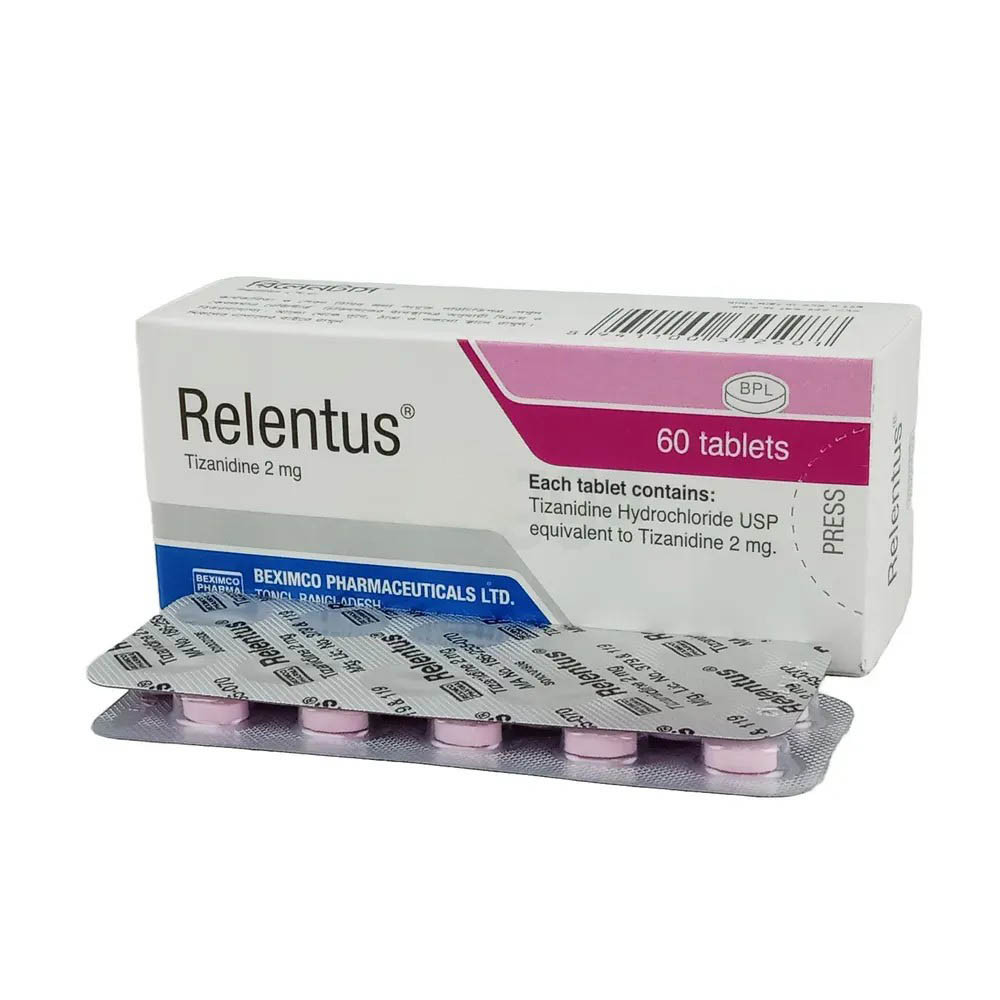
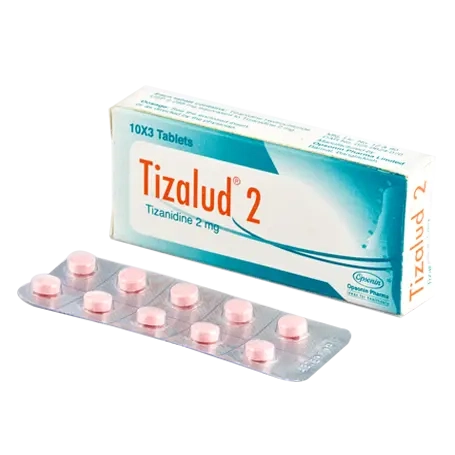
Tizanidine is a fast-acting drug used for the management of muscle spasm, which may result from the effects of multiple sclerosis, stroke, an acquired brain injury, or a spinal cord injury . It may also be caused by musculoskeletal injury . Regardless of the cause, muscle spasticity can be an extremely painful and debilitating condition.
It is an Alpha-2 adrenergic receptor agonist reducing spasticity by the presynaptic inhibition of excitatory neurotransmitters that cause firing of neurons promoting muscle spasm .
Uses
Tizanidine is an alpha-2 adrenergic agonist used for the short-term treatment of muscle spasticity.
Tizanidine is indicated for the relief of muscle spasticity, which can interfere with daily activities. The general recommendation is to reserve tizanidine use for periods of time when there is a particular need for relief, as it has a short duration of action .
Associated Conditions
Pharmacodynamics
A note on spasticity
Spasticity is an increase in muscle accompanied by uncontrolled, repetitive contractions of skeletal muscles which are involuntary. The patient suffering from muscle spasticity may have reduced mobility and high levels of pain, contributing to poor quality of life and problems performing activities of personal hygiene and care .
General effects
Tizanidine is a rapidly acting drug used for the relief of muscle spasticity when it is required for performing specific activities. It acts as an agonist at Alpha-2 adrenergic receptor sites and relieves symptoms of muscle spasticity, allowing the continuation of normal daily activities. In animal models, tizanidine has not been shown to exert direct effects on skeletal muscle fibers or the neuromuscular junction, and has shown no significant effect on monosynaptic spinal reflexes (consisting of the communication between only 1 sensory neuron and 1 motor neuron) . The frequency of muscle spasm and clonus are shown to be decreased by tizanidine . Tizanidine shows a stronger action on polysynaptic reflexes, which involve several interneurons (relay neurons) communicating with motor neurons stimulating muscle movement .
Effects on blood pressure and heart rate
This drug decreases heart rate and blood pressure in humans . Despite this, rebound hypertension and tachycardia along with increased spasticity can occur when tizanidine is abruptly discontinued .
Mechanism of Action
Tizanidine reduces spasticity by causing presynaptic inhibition of motor neurons via agonist actions at Alpha-2 adrenergic receptor sites. This drug is centrally acting and leads to a reduction in the release of excitatory amino acids like glutamate and aspartate, which cause neuronal firing that leads to muscle spasm. The above reduction and excitatory neurotransmitter release results in presynaptic inhibition of motor neurons. The strongest effect of tizanidine has been shown to occur on spinal polysynaptic pathways. The anti-nociceptive and anticonvulsant activities of tizanidine may also be attributed to agonist action on Alpha-2 receptors. Tizanidine also binds with weaker affinity to the Alpha-1 receptors, explaining its slight and temporary effect on the cardiovascular system .
Absorption
This drug undergoes significant first-pass metabolism. After the administration of an oral dose, tizanidine is mostly absorbed. The absolute oral bioavailability of tizanidine is measured to be about 40% .
Effect of food on absorption
Food has been shown to increase absorption for both the tablets and capsules. The increase in absorption with the tablet (about 30%) was noticeably higher than the capsule (~10%). When the capsule and tablet were administered with food, the amount absorbed from the capsule was about 80% of the amount absorbed from the tablet . It is therefore advisable to take this drug with food for increased absorption, especially in tablet form.
Volume of Distribution
Extensively distributed throughout the body. The average steady-state volume of distribution is 2.4 L/kg .
Protein Binding
About 30% bound to plasma proteins .
Route of Elimination
This drug is mainly eliminated by the kidney .
Half Life
Approximately 2.5 hours .
Clearance
A note on renal impairment
Tizanidine clearance is found to be decreased by more than 50% in elderly patients with renal insufficiency (creatinine clearance < 25 mL/min) compared to healthy elderly subjects; this would be expected to lead to a longer duration of clinical effect. This drug should be used with caution in patients with renal impairment .
Toxicity
LD50 information
Oral LD50 (rat): 414 mg/kg; Subcutaneous LD50 (rat): 282 mg/kg; Oral LD50 (mouse): 235 mg/kg
Use in pregnancy
Animal studies have determined that this drug causes fetal harm . Studies have not been performed in humans, and it is advisable to ensure that tizanidine use in pregnant women should be reserved for cases in which possible benefit clearly outweighs the possible risk to mother and unborn child .
Use in breastfeeding
In studies of rat models, this tizanidine was found excreted in the breastmilk with a milk-to-blood ratio of 1.8:1 . In young nursing rats, abnormal results were obtained in tests indicative of central nervous system function. Various developmental changes that may have been attributable to the drug were observed. It is unknown whether tizanidine is excreted in human milk. It is a lipid-soluble drug, however, and likely to be excreted into breast milk .
Carcinogenesis and mutagenesis
No signs of carcinogenicity were observed in two dietary studies performed in rodent models. Tizanidine was given to mice for 78 weeks at doses reaching a maximum 16 mg/kg (equivalent to twice the maximum recommended human dose). In addition, the drug was given to rats for 104 weeks at doses reaching 9 mg/kg (equivalent to 2.5 times the maximum recommended human dose). There was a lack of a statistically significant increase in the occurrence of tumors in either study group .
Tizanidine was not found to be mutagenic or clastogenic in several laboratory essays, including the bacterial Ames test, the mammalian gene mutation test, in addition to the chromosomal aberration test in Chinese hamster cells and several other assays .
Food Interactions
- Avoid alcohol.
- Take with or without food. Maintain the same schedule with regard to meals, as concentrations increase in the fasted state and decrease in the fed state.
Dosage
Relief of painful muscle spasms: The usual dose is 2 to 4 mg three times daily in tablet form. In severe cases, an extra dose of 2 or 4 mg may be taken, preferably at night to minimize sedation.
Spasticity due to neurological disorders: The initial daily dose should not exceed 6 mg given in 3 divided doses. It may be increased stepwise at half-weekly or weekly intervals by 2 to 4 mg. The optimum therapeutic response is generally achieved with a daily dose of between 12 and 24 mg, administered in 3 or 4 equally spaced doses. The daily dose of 36 mg should not be exceeded.
Pediatrics patients: Experience in patients below 18 years of age is limited and the use of Tizanidine in this population is not recommended.
Geriatric patients (65 years of age or older): Experience with the use of Tizanidine in the elderly is limited. Therefore, it is recommended to start treatment at the lowest dose and increases should be done in small steps according to tolerability and efficacy.
Renal impairment: In patients with renal impairment (creatinine clearance <25 mL/min), it is recommended to start treatment at 2 mg once daily. An increase in dosage should be done in small steps according to tolerability and efficacy. If efficacy has to be improved, it is advisable to first increase the strength of the daily dose before increasing the frequency of administration.
Hepatic impairment: Use of Tizanidine in patients with severe hepatic impairment is contraindicated. While Tizanidine is extensively metabolized in the liver, limited data are available in this population. Its use has been associated with a reversible abnormality in liver function tests. Tizanidine should be used with caution in patients with moderate hepatic impairment and treatment should be started with the lowest dose. Afterward, an increase in dosage should be done carefully and according to patient tolerability.
Discontinuation of treatment: If Tizanidine has to be discontinued, the dosage should be slowly down titrated, particularly in patients who have received high doses for a longer period of time to avoid or minimize the risk of rebound hypertension and tachycardia.