Introduction
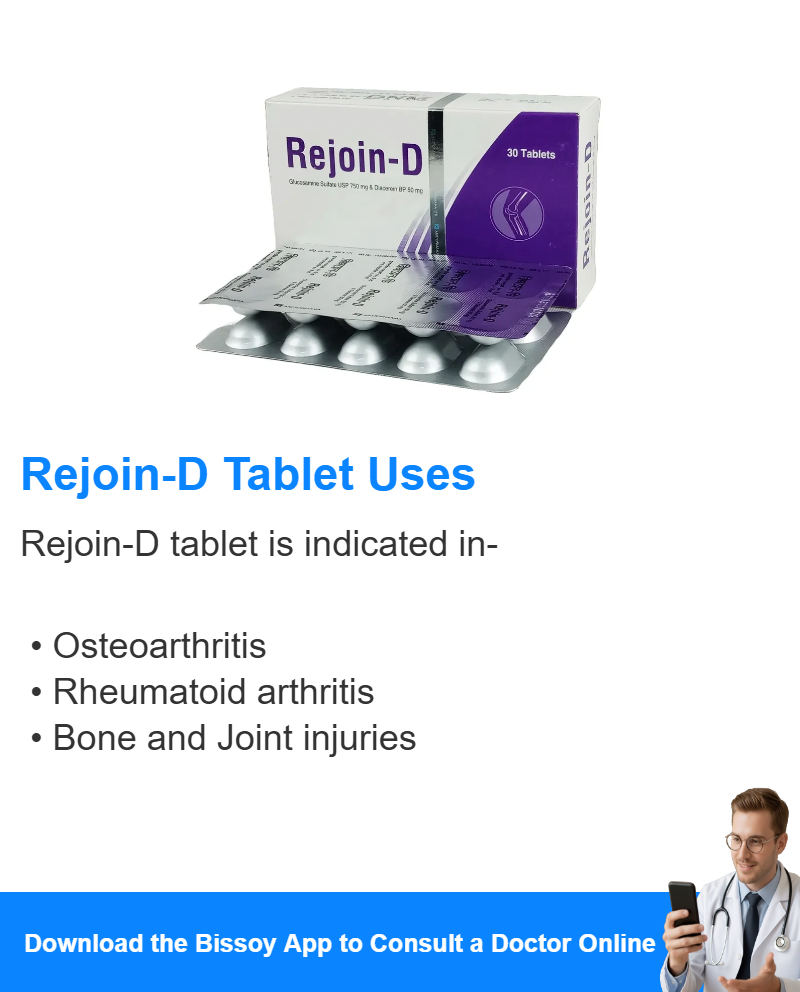
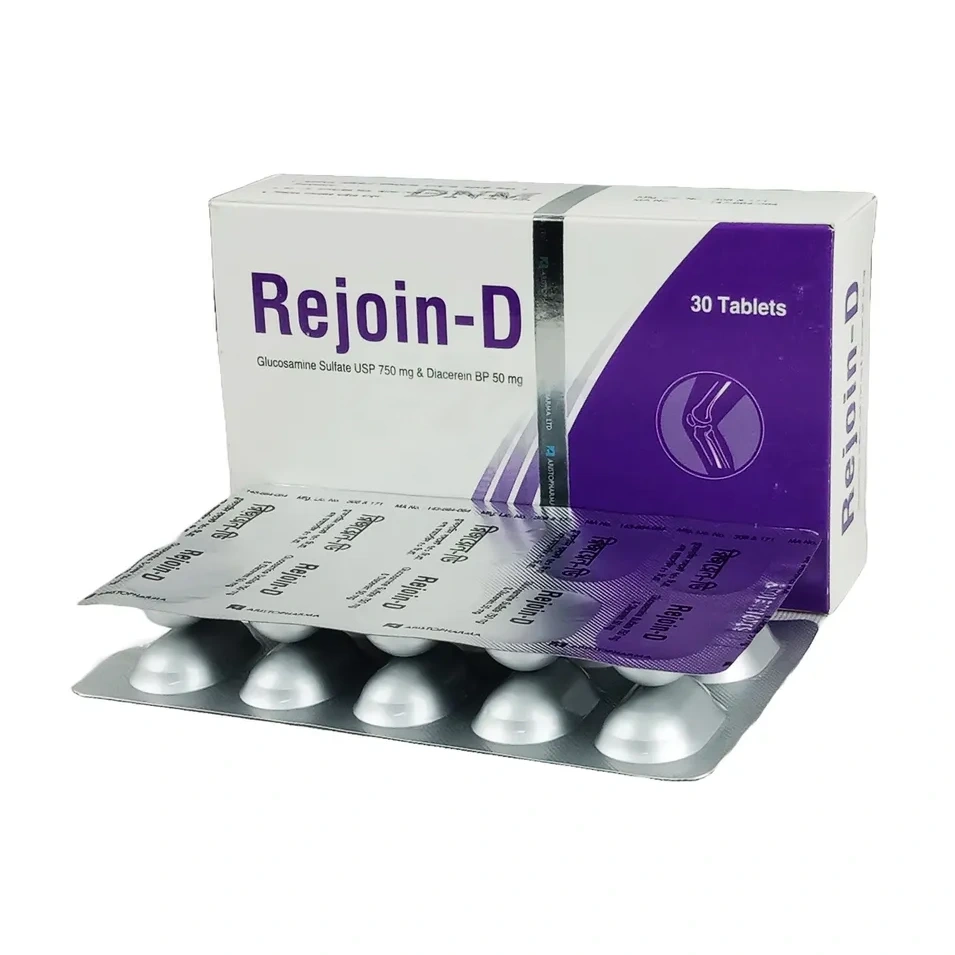
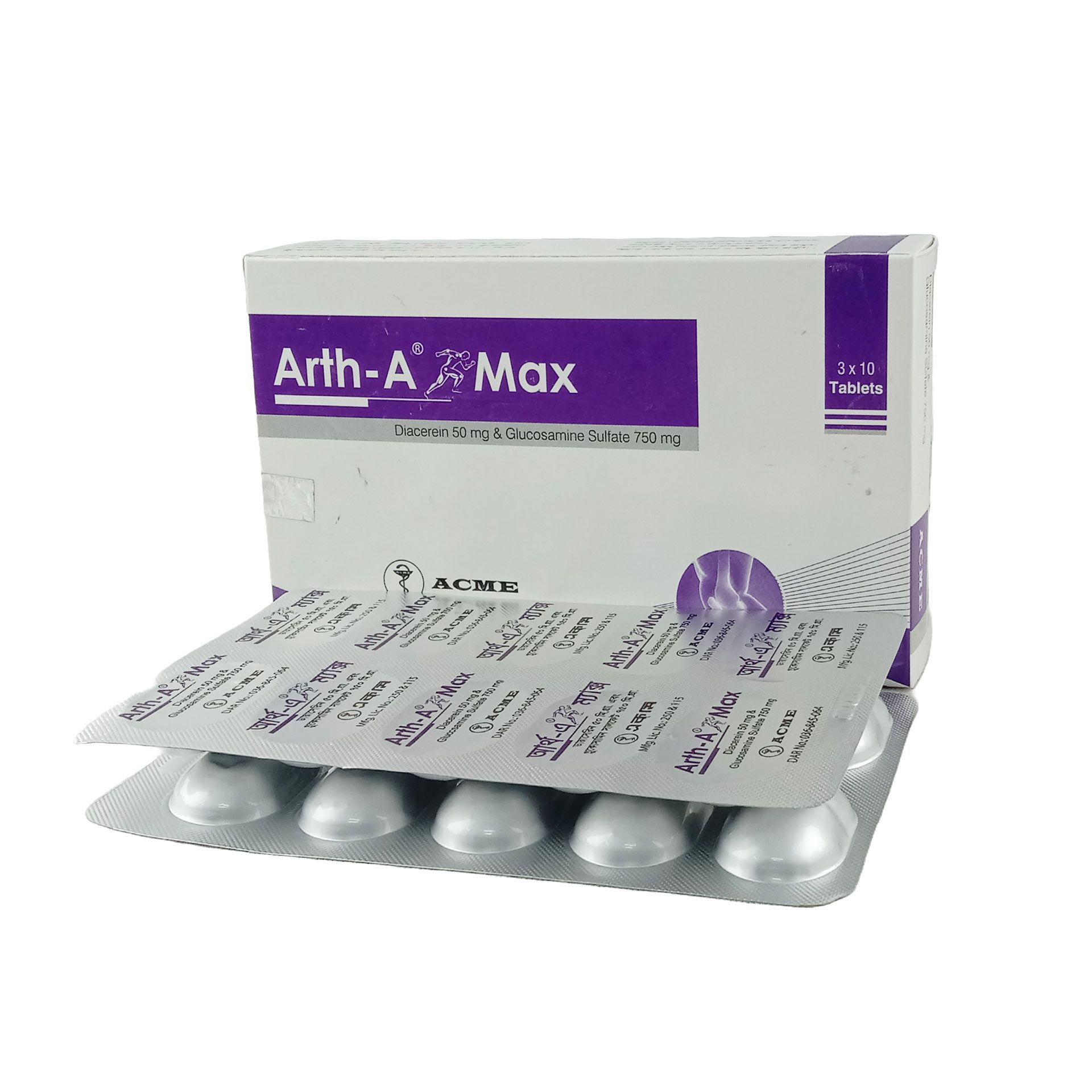
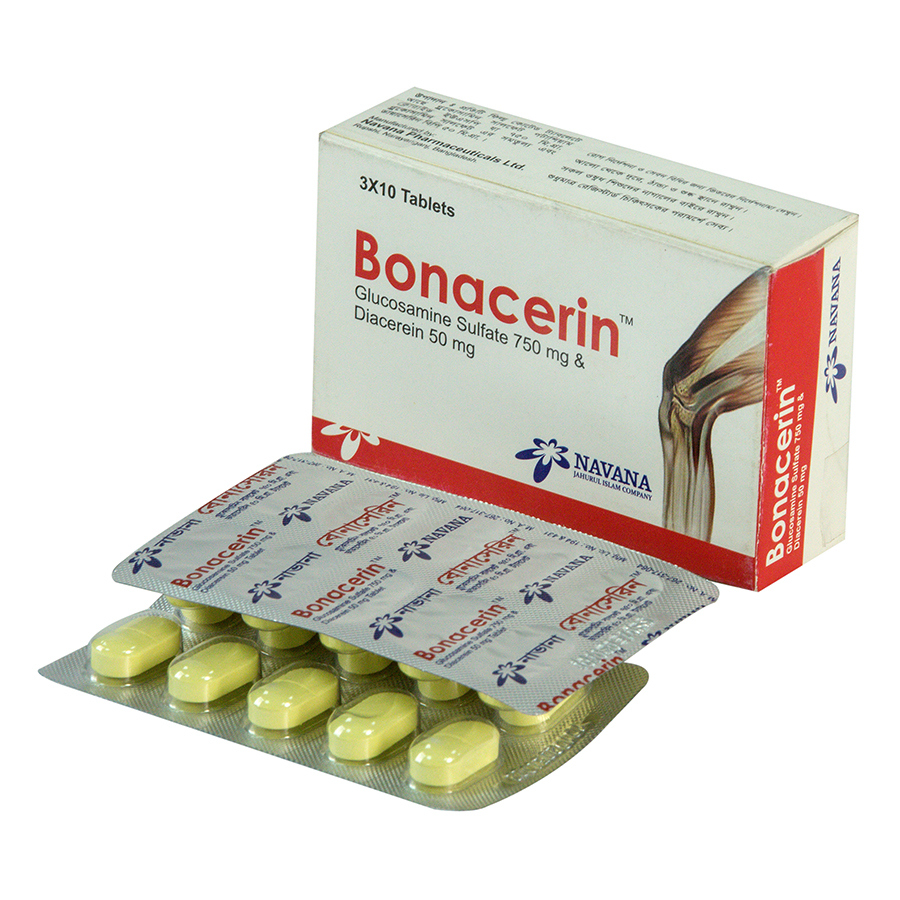
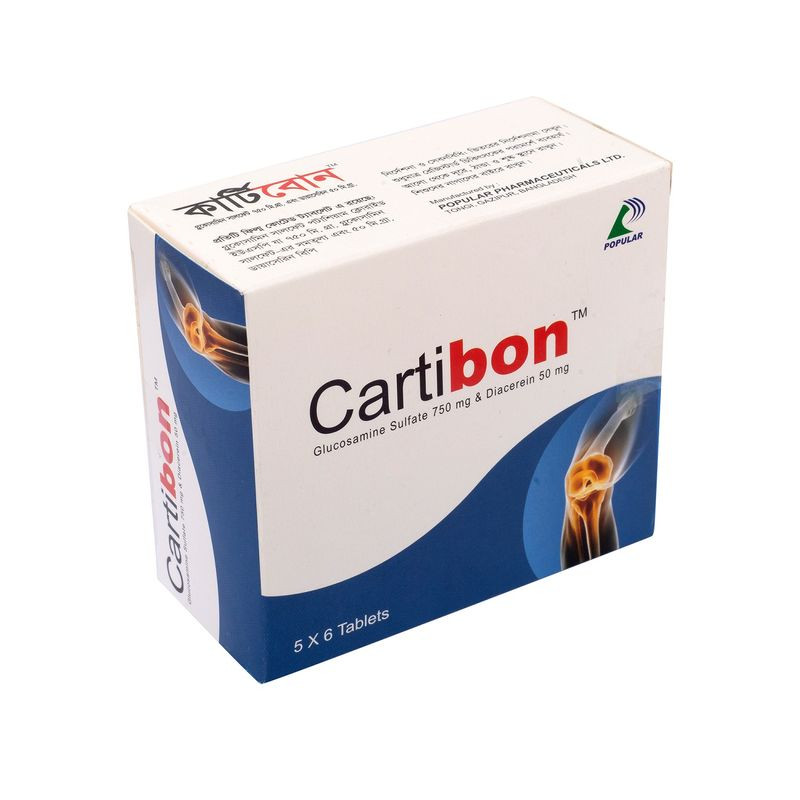
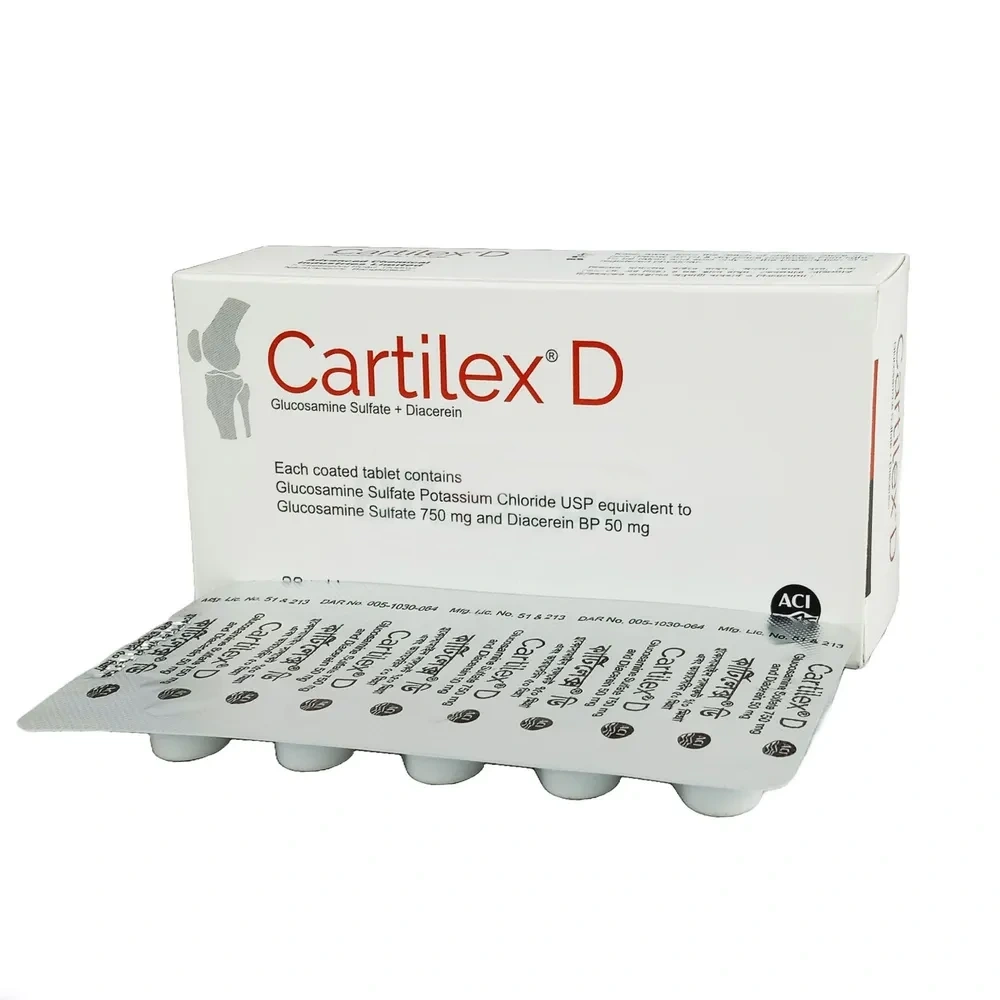
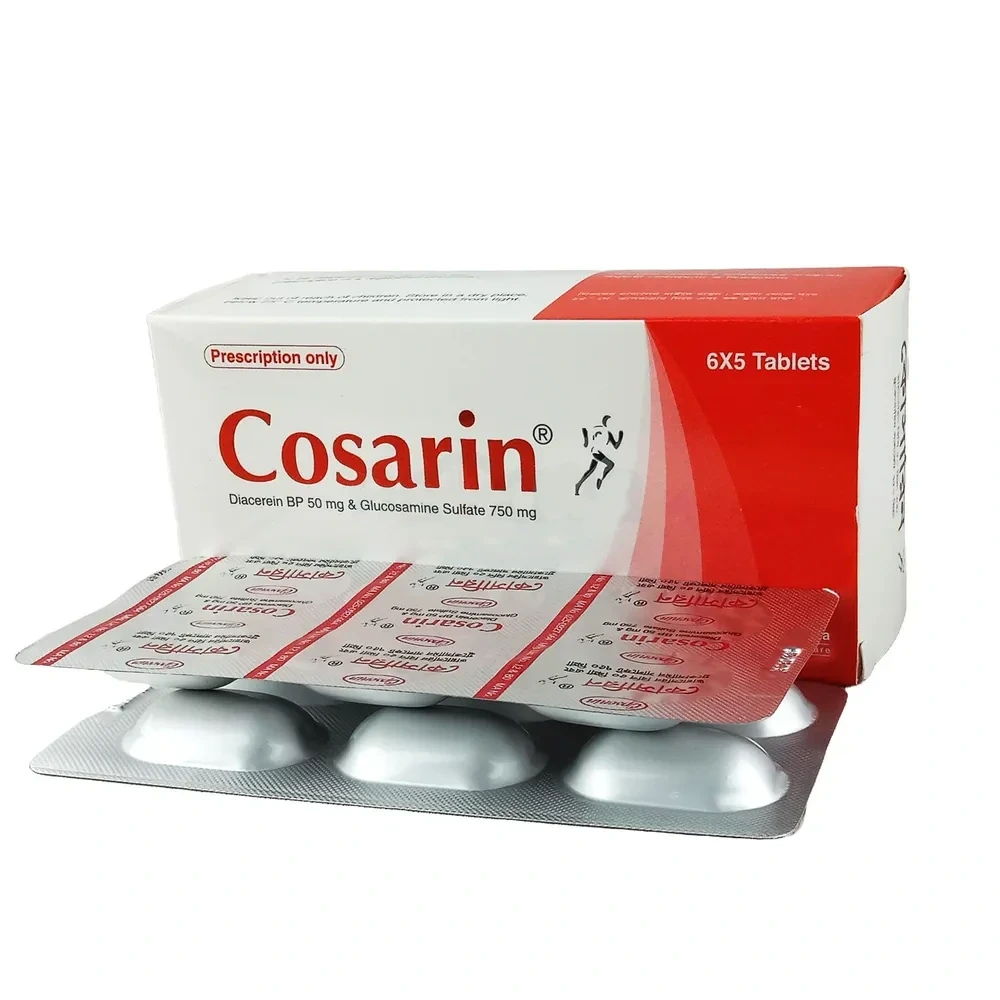
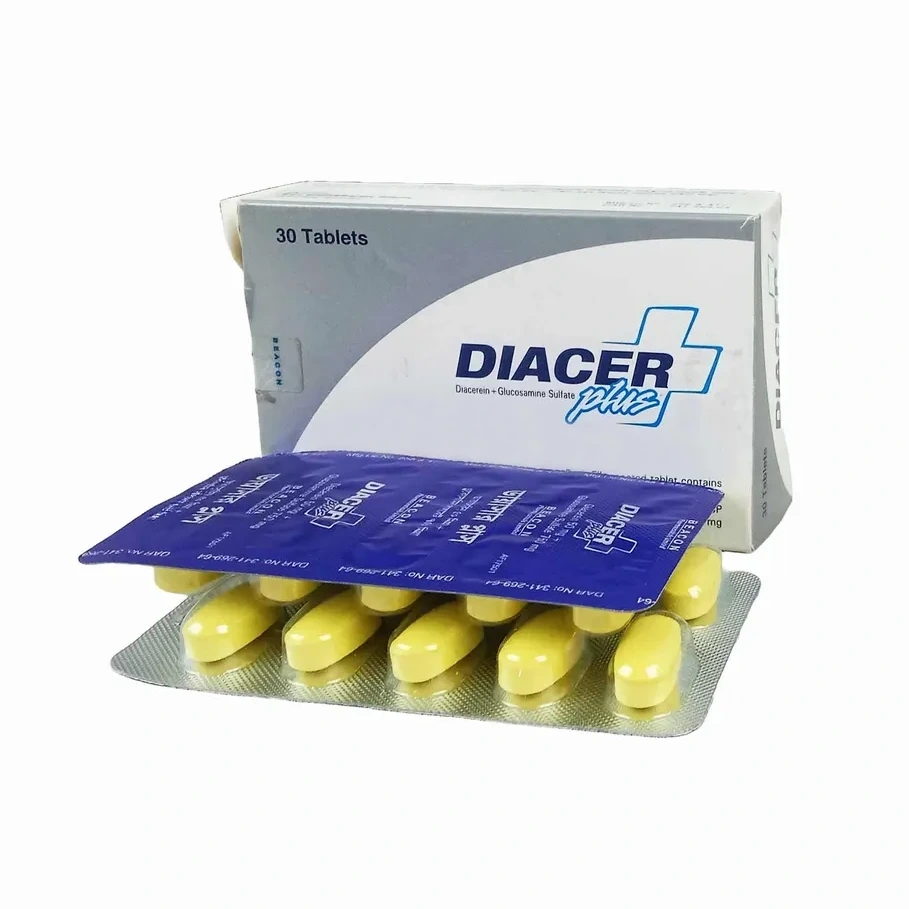
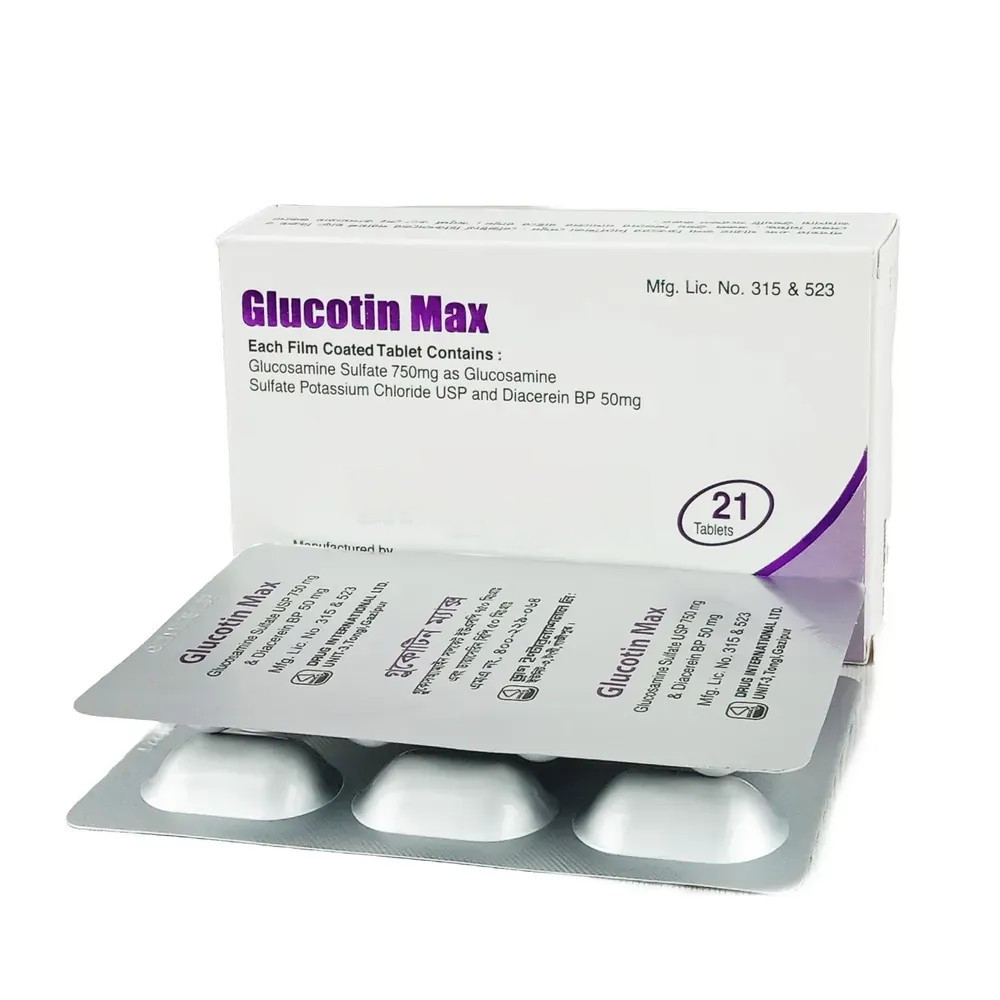
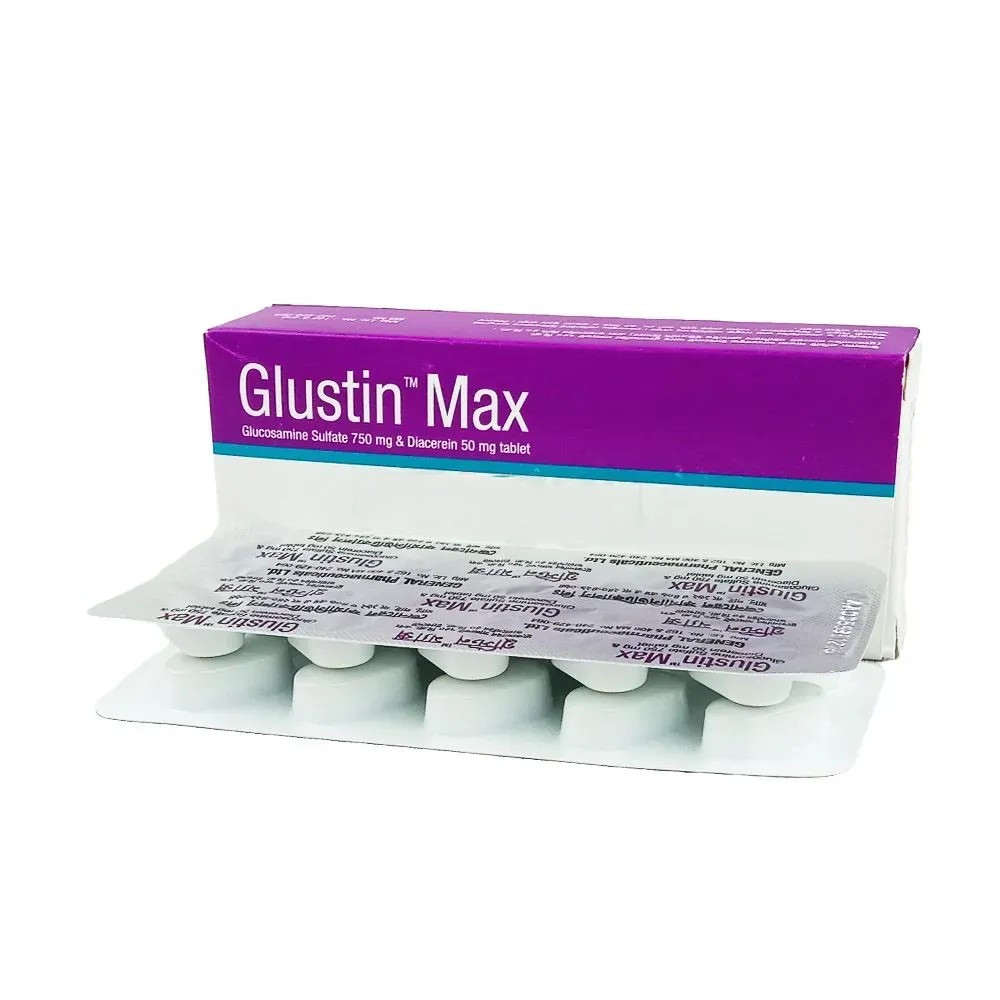
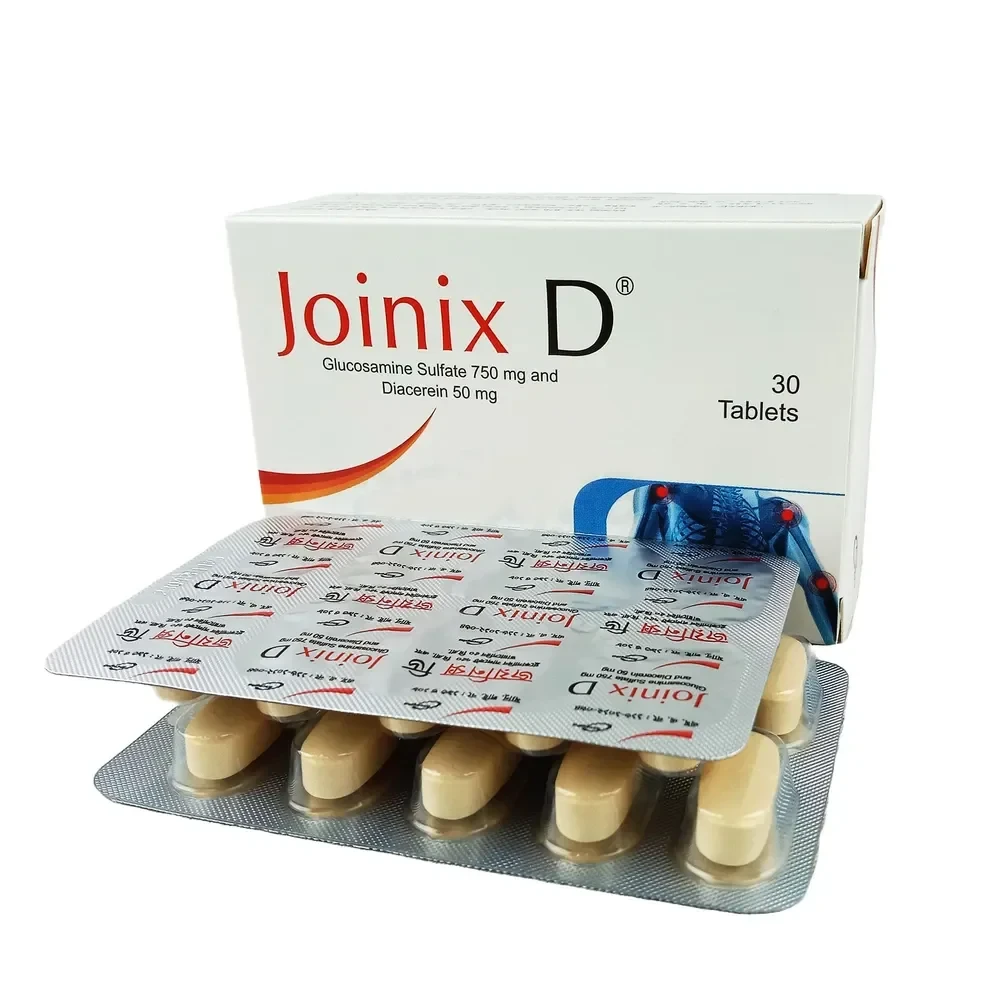
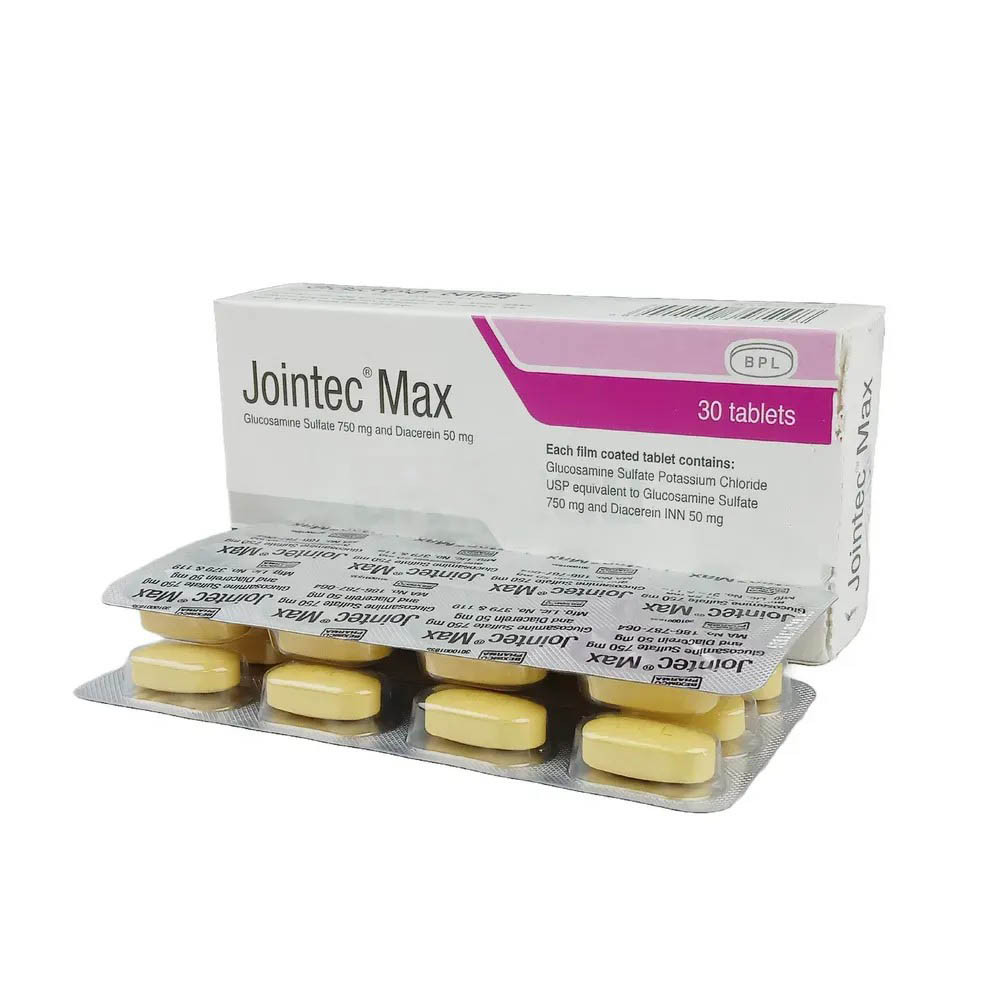
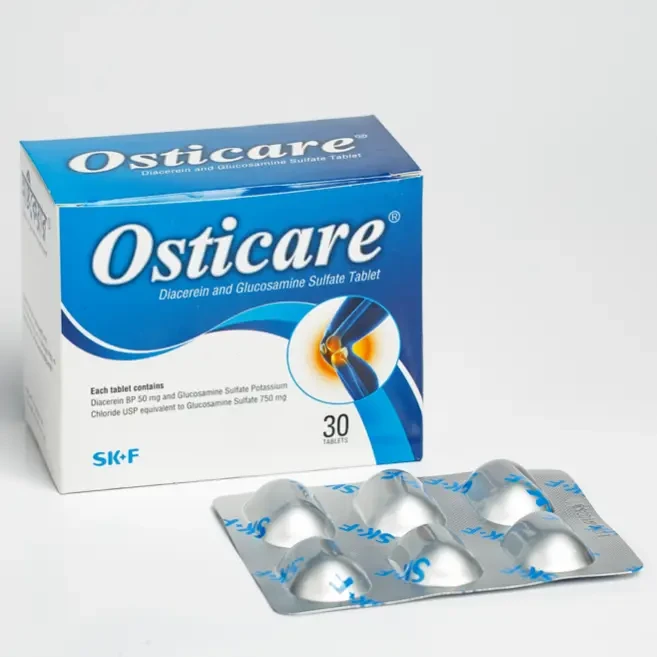
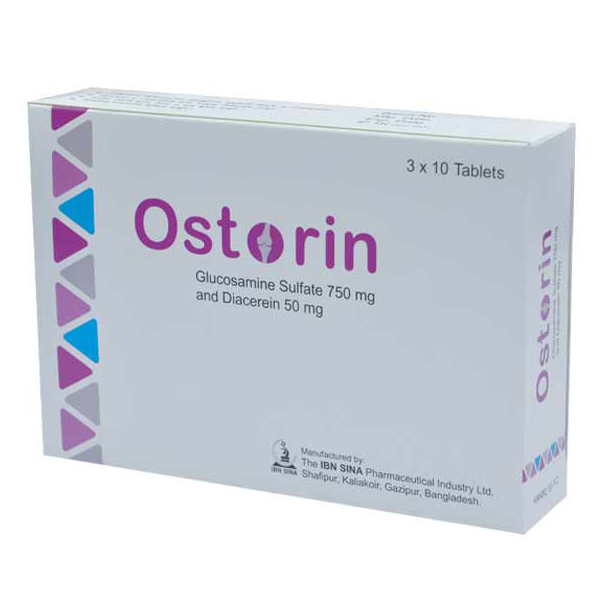
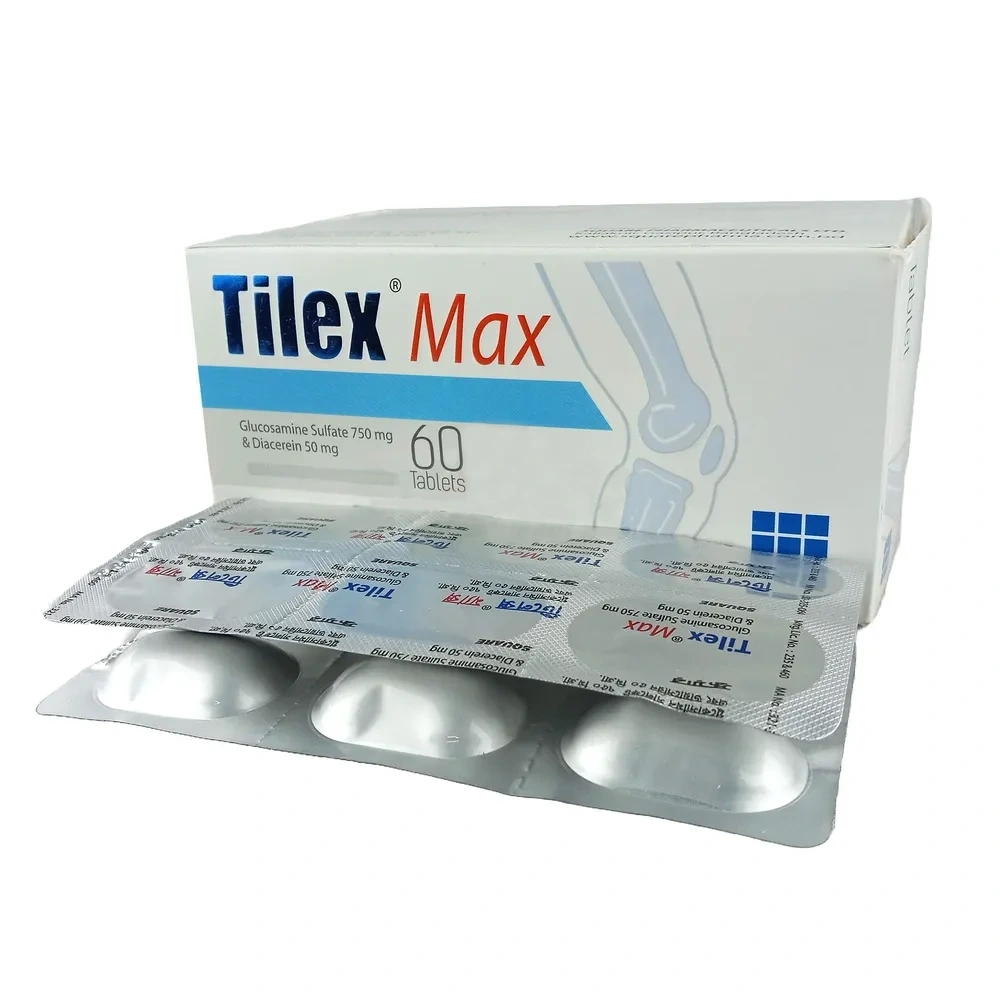
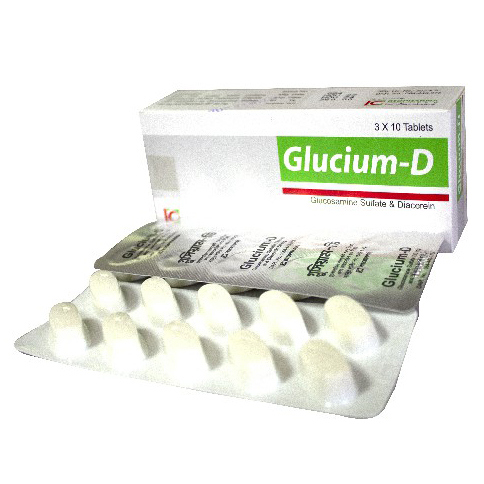
Glucosamine sulfate and diacerein are combined in some formulations to treat osteoarthritis and support joint health. Glucosamine sulfate provides building blocks for cartilage repair, while diacerein is a drug with anti-inflammatory properties.
Uses
The combination of glucosamine sulfate and diacerein is used for:
- Managing symptoms of osteoarthritis, including joint pain, stiffness, and decreased function.
- Supporting cartilage repair and maintaining joint health.
- Reducing inflammation associated with osteoarthritis.
Mechanism of Action
Glucosamine sulfate works by providing the essential components for cartilage synthesis and repair. It helps in the formation of glycosaminoglycans and proteoglycans, which are crucial for maintaining healthy cartilage. Diacerein acts as an anti-inflammatory agent by inhibiting interleukin-1 (IL-1), a cytokine involved in inflammation and cartilage degradation.
How Long Does It Take to Work?
The effects of glucosamine sulfate and diacerein may take several weeks to a few months to become noticeable. Patients typically report improvements in joint pain and function within 6 to 8 weeks of consistent use. Full benefits may take up to 3 months.
Absorption
Glucosamine sulfate is absorbed through the gastrointestinal tract and is distributed to various tissues, including the joints. Diacerein is also absorbed orally and is distributed systemically.
Route of Elimination
Glucosamine sulfate is primarily eliminated via the urine, with some metabolism occurring in the liver. Diacerein is metabolized in the liver and then excreted mainly through the urine.
Dosage
Use in adults: One tablet twice daily with food.Use in children and adolescents: The safety and effectiveness of children and adolescents under the age of 18 years have not been established.
Typical dosages are:
- Glucosamine sulfate: 1,500 mg per day, often divided into 3 doses.
- Diacerein: 50 mg twice daily, usually with meals.
Administration
Both glucosamine sulfate and diacerein are administered orally, in the form of tablets or capsules. It is recommended to take them with food to reduce gastrointestinal discomfort.
Side Effects
Common side effects include:
- Gastrointestinal issues such as nausea, diarrhea, and abdominal pain.
- Skin rash or itching (less common with glucosamine and more common with diacerein).
- Fatigue or headache.
Toxicity
Both glucosamine sulfate and diacerein have low toxicity profiles. High doses of glucosamine may exacerbate gastrointestinal symptoms, while diacerein in excessive amounts can lead to gastrointestinal issues and potential liver toxicity.
Precautions
Precautions include:
- Monitoring for allergic reactions, particularly with diacerein.
- Use with caution in individuals with liver impairment or gastrointestinal disorders.
- Consult a healthcare provider before use in patients with diabetes, as glucosamine may affect blood glucose levels.
Interaction
Potential interactions may include:
- Anticoagulants or antiplatelet drugs, which may increase bleeding risk when used with glucosamine.
- Other medications affecting liver function, particularly with diacerein.
Disease Interaction
Use with caution in patients with:
- Diabetes, due to possible effects on blood glucose levels with glucosamine.
- Liver disease or gastrointestinal disorders, due to the potential effects of diacerein.
Drug Interaction
Drug interactions may include:
- Anticoagulants, increasing the risk of bleeding.
- Medications affecting liver function or those metabolized in the liver, affecting diacerein's clearance.
Food Interactions
There are no significant food interactions reported for glucosamine sulfate and diacerein. It is generally recommended to take these supplements with meals to minimize gastrointestinal discomfort.
Pregnancy Use
The safety of glucosamine sulfate and diacerein during pregnancy has not been well established. It is advisable to avoid these supplements during pregnancy unless specifically prescribed by a healthcare provider.
Lactation Use
There is limited information on the safety of glucosamine sulfate and diacerein during lactation. It is recommended to consult a healthcare provider before using these supplements while breastfeeding.
Acute Overdose
Acute overdose of glucosamine sulfate or diacerein may lead to gastrointestinal symptoms such as nausea, diarrhea, and abdominal pain. In case of overdose, supportive care and symptomatic treatment are recommended.
Contraindication
Glucosamine sulfate and diacerein are contraindicated in:
- Individuals with a known allergy to shellfish (for glucosamine derived from shellfish).
- Patients with severe liver impairment or active liver disease (for diacerein).
Use Direction
Follow the dosage instructions provided by the manufacturer or healthcare provider. Consistency in taking the supplements as prescribed is key to achieving the best results. Report any adverse effects or concerns to a healthcare provider.
Storage Conditions
Store glucosamine sulfate and diacerein at room temperature, away from moisture and direct sunlight. Keep out of reach of children. Follow any additional storage instructions provided on the packaging.
Volume of Distribution
The volume of distribution for glucosamine sulfate and diacerein is not well-defined. They are primarily distributed to the joints and systemic circulation where they exert their effects.
Half Life
The half-life of glucosamine sulfate and diacerein varies. For glucosamine, it is not precisely defined but is considered to have a prolonged duration of action. Diacerein has a half-life of approximately 4 to 5 hours, but its active metabolites may have a longer duration of effect.
Clearance
Both glucosamine sulfate and diacerein are primarily cleared through the kidneys. The exact clearance rates are not well-characterized but are generally managed well with standard dosing.