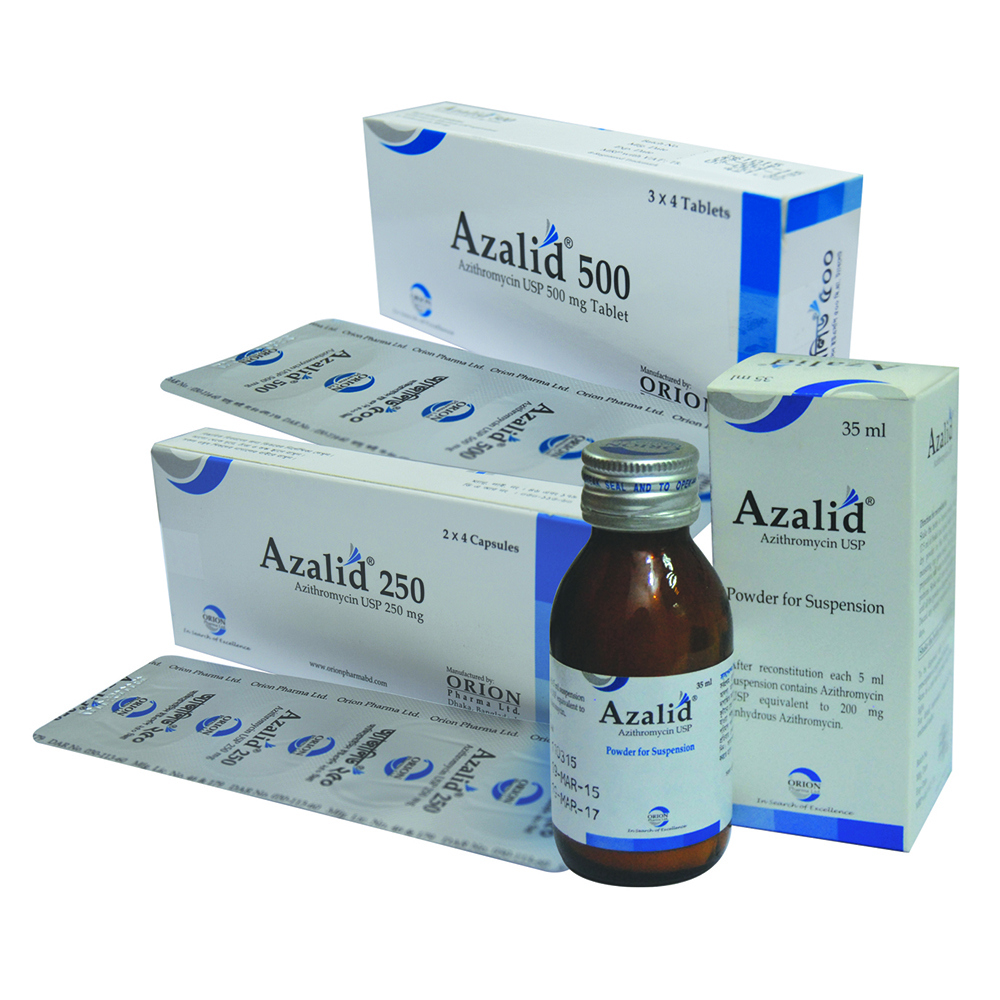
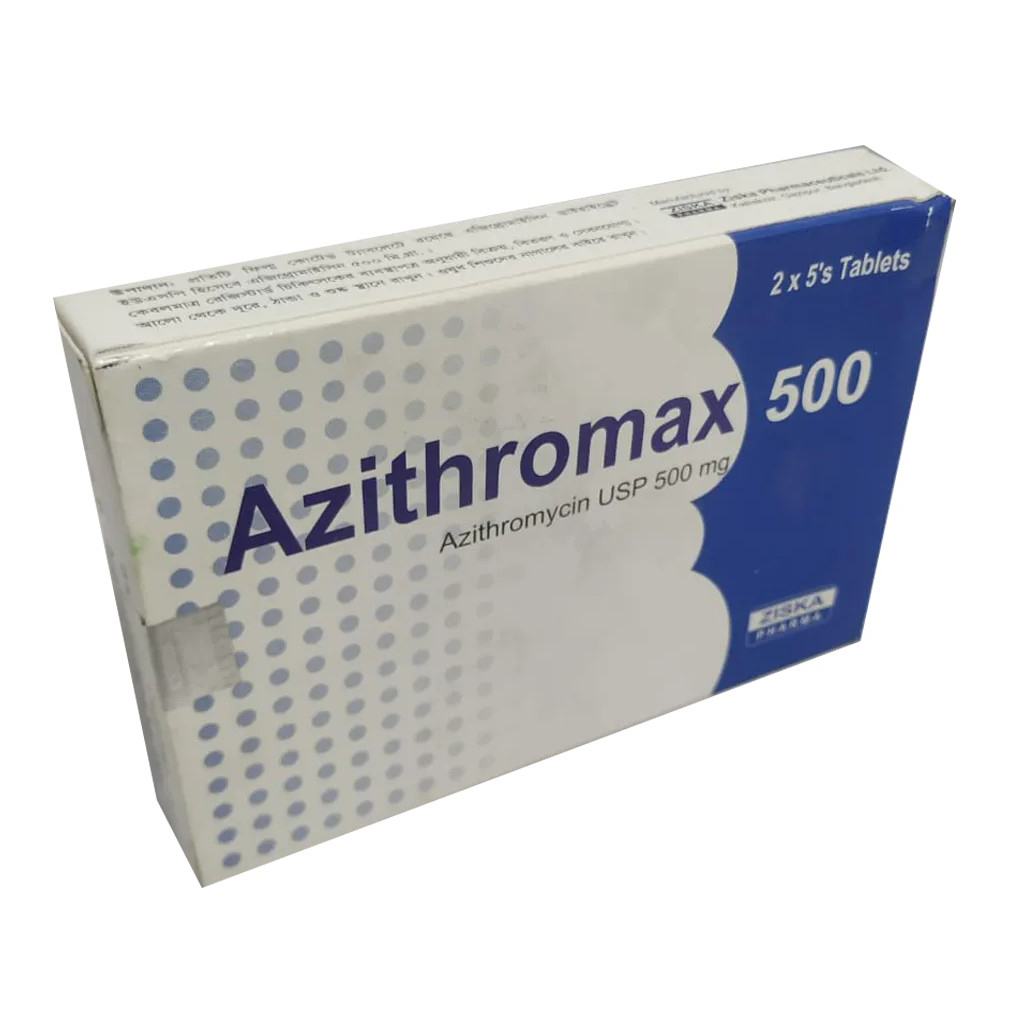
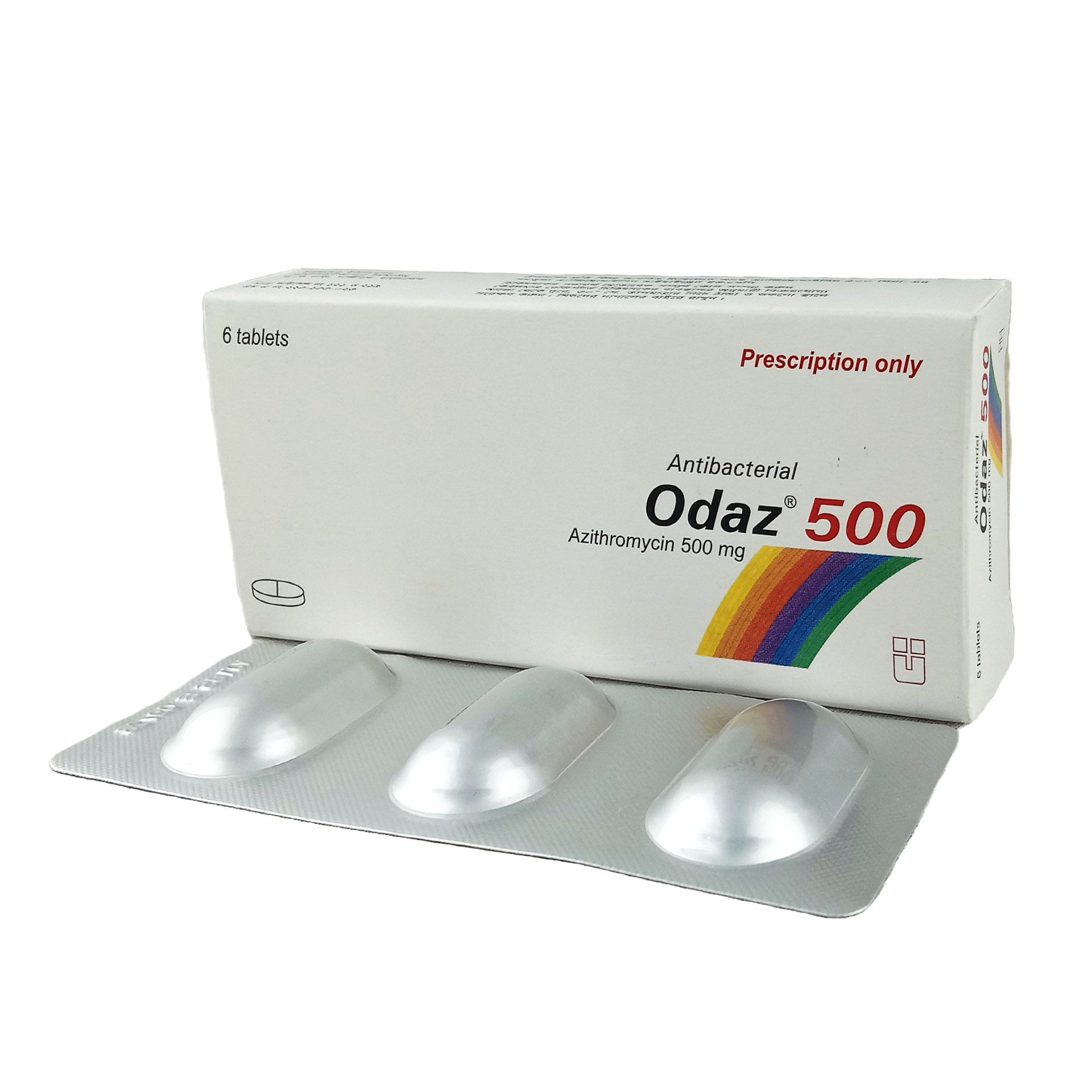
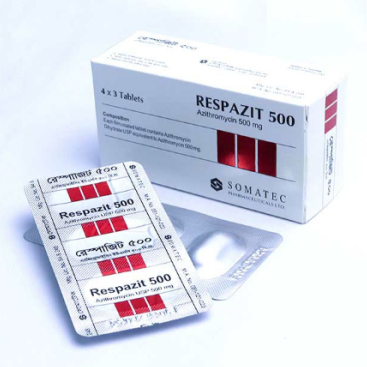
Razithro Tablet 500 mg is an antibiotic used to treat a variety of bacterial infections. It's a type of macrolide antibiotic, which works by stopping or slowing bacterial growth. Azithromycin is used to treat many different types of infections such as respiratory, skin, ear, and urinary tract infections.
Uses for Razithro Tablet 500 mg
Razithro Tablet 500 mg is used to treat a wide variety of bacterial infections. It is an effective antibacterial for many types of infections including: skin and soft tissue infections, respiratory tract infections, urinary tract infections, and sexually transmitted diseases.
Razithro Tablet 500 mg works by inhibiting the growth of certain bacteria by preventing the formation of essential components of the bacterial cell wall. This stops the bacteria from growing and reproducing, thus killing them.
How Long Does It Take to Work?
Razithro Tablet 500 mg begins to work quickly as it is absorbed in the body and starts to take effect within an hour of taking the dose. However, it can take up to three days to see the full effects of the medication.
Absorption
Azithromycin is well absorbed through the gastrointestinal tract and is excreted in the bile and feces. It is rapidly and completely absorbed from the small intestine.
Route of Elimination
Azithromycin is rapidly excreted by the kidneys in both adults and children.
Dosage
Oral- Adult: 500 mg once daily orally for 3 days or 500 mg once on day 1, then 250 mg once on days 2-5 for 4 days. For sexually transmitted diseases caused by Chlamydia trachomatis in adults, the dose is 1 gm given as a single dose or 500 mg once on day 1, followed by 250 mg once daily for next 2 days may also be given.
Children:
10 mg/kg body weight once daily for 3 days for child over 6 months
200 mg (1 teaspoonful) for 3 days if body weight is 15-25 kg
300 mg (1½ teaspoonfuls) for 3 days if body weight is 26-35 kg; 400 mg (2 teaspoonfuls) for 3 days if body weight is 36-45 kg.
In typhoid fever, 500 mg (2½ teaspoonfuls) once daily for 7-10 days is given.
Azithromycin Injection (For IV Infusion only): The recommended dose of Azithromycin for injection for the treatment of adult patients with community-acquired pneumonia due to the indicated organisms is:
500 mg as a single daily dose by the intravenous route for at least two days. Intravenous therapy should be followed by Azithromycin by the oral route at a single, daily dose of 500 mg, administered as two 250-mg tablets to complete a 7 to 10-day course of therapy. The timing of the switch to oral therapy should be done at the discretion of the physician and in accordance with clinical response.
The recommended dose of Azithromycin for the treatment of adult patients with pelvic inflammatory disease due to the indicated organisms is: 500 mg as a single daily dose by the intravenous route for one or two days. Intravenous therapy should be followed by Azithromycin by the oral route at a single, daily dose of 250 mg to complete a 7-day course of therapy. The timing of the switch to oral therapy should be done at the discretion of the physician and in accordance with clinical response. If anaerobic microorganisms are suspected of contributing to the infection, an antimicrobial agent with anaerobic activity should be administered in combination with Azithromycin.
Safety and effectiveness of azithromycin for injection in children or adolescents under 16 years have not been established.
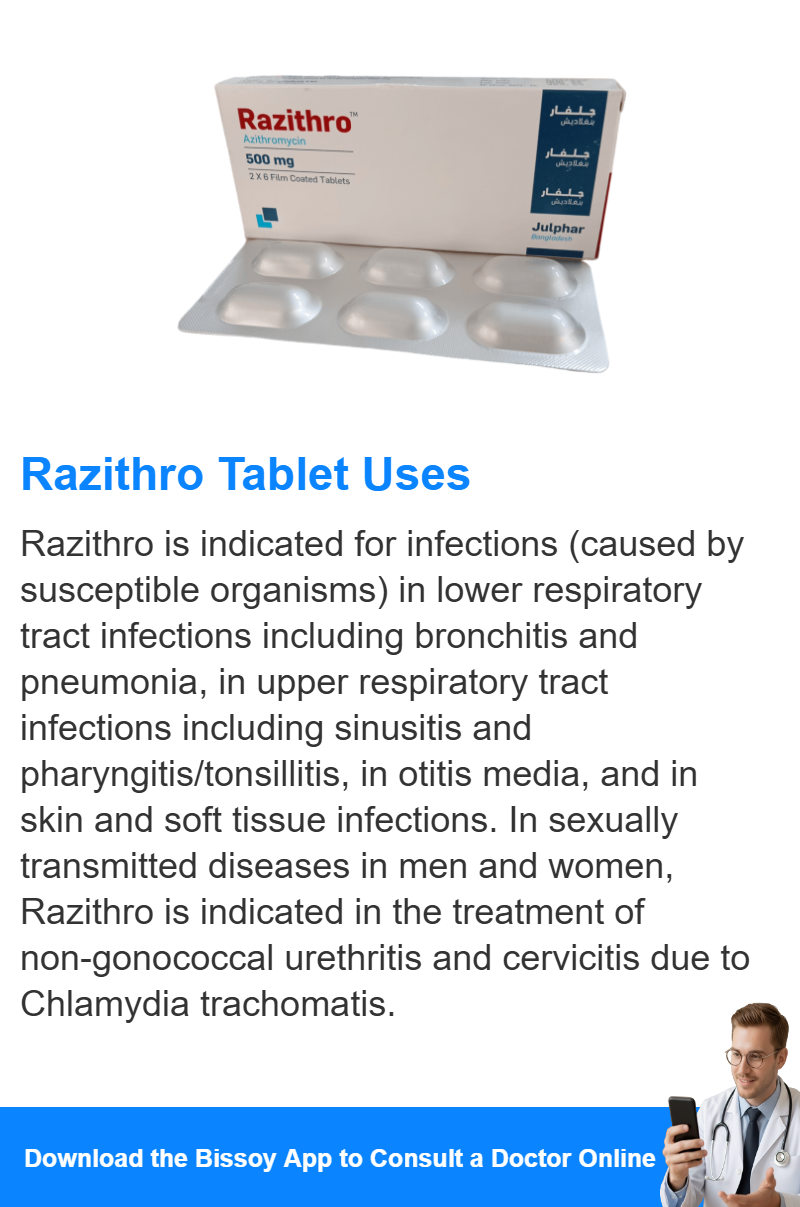
The dosage of Razithro Tablet 500 mg is dependent upon the type and severity of infection being treated, and the age and weight of the patient. The usual adult dose for oral administration is 500 mg as a single dose on the first day of treatment, followed by 250 mg daily for four days.
Children 2 months to 5 years of age: Dose is based on body weight and must be determined by your doctor. The maximum dose is 30 mg/kg on the first day, then 10 mg/kg once a day for four days.
Administration
Razithro Tablet 500 mg should be taken as directed by your doctor, usually taken either with food or without food about an hour before or after a meal. The tablets should be swallowed whole, and not crushed, chewed, or broken apart.
Side Effect
Common side effects of Razithro Tablet 500 mg include nausea, vomiting, diarrhea, and skin rash. Rare side effects include depression, confusion, hallucinations, and an increased risk of heart arrhythmia.
Toxicity
Razithro Tablet 500 mg is considered to be safe and well tolerated, however it can be toxic at a high dose. Overdosing can lead to an increased risk of side effects such as liver toxicity, hallucinations, and arrhythmia.
Precautions
Razithro Tablet 500 mg should be used with caution in patients with a history of allergic reaction to macrolide antibiotics, liver or kidney disorders, and any other underlying medical condition.
Interactions
Razithro Tablet 500 mg has the potential to interact with certain drugs such as erythromycin, clarithromycin, or antacids containing calcium, magnesium, or aluminum.
Disease Interactions
Razithro Tablet 500 mg may interact with conditions such as kidney or liver disease, myasthenia gravis (a disease that causes muscle weakness), or low potassium levels in the blood. Inform your doctor if you have any of these conditions.
Drug Interactions
Razithro Tablet 500 mg may interact with other drugs, including antacids, vitamins, minerals or herbal or dietary supplements. It may also interact with certain psychotropic drugs, warfarin (a blood thinner), cyclosporine (an immunosuppressant), digoxin (a heart medication), or oral contraceptives.
Food Interactions
Razithro Tablet 500 mg may interact with certain foods such as dairy products, antacids, and grapefruits. It is important to avoid eating these foods while taking this medication.
Pregnancy Use
Razithro Tablet 500 mg should not be used during pregnancy unless it is clearly needed. It is important to inform your doctor if you are pregnant or planning to become pregnant.
Lactation Use
Razithro Tablet 500 mg should not be used during lactation as it may enter the milk and may be harmful for the nursing infant.
Acute Overdose
An acute overdose of Razithro Tablet 500 mg can cause nausea, vomiting, abdominal pain, and bleeding from the gums. In case of an overdose, seek emergency medical attention.
Contraindication
This medication is contraindicated in patients with a known hypersensitivity or allergy to any macrolide antibiotic.
Use Direction
Razithro Tablet 500 mg should be taken exactly according to the instructions provided by your doctor, usually taken with food or without food about an hour before or after a meal. Do not crush, chew, or break apart the tablets.
Storage Condition
Store Razithro Tablet 500 mg in a dry place at a temperature between 20 and 25°C (68 to 77°F). Keep it away from moisture, light, and heat.
Volume of Distribution
Razithro Tablet 500 mg has an average volume of distribution of 16–20 L/kg.
Half Life
The elimination half-life of Razithro Tablet 500 mg after oral administration is typically 24-48 hours.
Clearance
The average clearance of Razithro Tablet 500 mg is 11.6 L/h for adults and 7.2 L/h for children.
Some Frequently Asked Questions About Razithro Tablet 500 mg
1. What is Razithro Tablet 500 mg?
Razithro Tablet 500 mg is a macrolide antibiotic used to treat a variety of bacterial infections. It works by stopping the growth of bacteria, making it effective for respiratory, skin, ear, and sexually transmitted infections.
2. How does Razithro Tablet 500 mg work?
Razithro Tablet 500 mg inhibits bacterial protein synthesis by binding to the 50S ribosomal subunit of the bacteria. This prevents the bacteria from growing and multiplying, allowing the immune system to eliminate the infection.
3. What types of infections does Razithro Tablet 500 mg treat?
Razithro Tablet 500 mg is commonly used to treat infections such as:
4. Is Razithro Tablet 500 mg an antibiotic or an antiviral?
Razithro Tablet 500 mg is an antibiotic. It is effective against bacterial infections but does not treat viral infections such as the common cold, flu, or COVID-19.
5. How should Razithro Tablet 500 mg be taken?
Razithro Tablet 500 mg is usually taken orally as a tablet, capsule, or liquid suspension. It is often taken once daily, with or without food, as directed by a healthcare provider.
6. What is the typical dosage of Razithro Tablet 500 mg?
The dosage depends on the infection being treated. A common dosage for bacterial infections is 500 mg on the first day, followed by 250 mg once daily for 4 days. Always follow your doctor’s instructions.
7. Can Razithro Tablet 500 mg be used in children?
Yes, Razithro Tablet 500 mg is safe for children and is often prescribed to treat ear infections, pneumonia, and strep throat. The dosage is usually based on the child’s weight.
8. How long does it take for Razithro Tablet 500 mg to work?
Most people start to feel better within 2 to 3 days of taking Razithro Tablet 500 mg. However, it is important to complete the full course of antibiotics to prevent bacterial resistance.
9. What are the common side effects of Razithro Tablet 500 mg?
Common side effects may include:
Nausea
Vomiting
Diarrhea
Abdominal pain
Headache
If side effects persist or worsen, consult your healthcare provider.
10. Can Razithro Tablet 500 mg cause allergic reactions?
Yes, allergic reactions to Razithro Tablet 500 mg can occur. Symptoms may include rash, itching, swelling, dizziness, or difficulty breathing. Seek immediate medical attention if an allergic reaction is suspected.
11. Can Razithro Tablet 500 mg be taken during pregnancy?
Razithro Tablet 500 mg is generally considered safe during pregnancy when clearly needed. However, it should only be used under the guidance of a healthcare provider.
12. Is Razithro Tablet 500 mg safe for breastfeeding mothers?
Small amounts of Razithro Tablet 500 mg may pass into breast milk. While it is generally safe, consult your doctor before using it while breastfeeding.
13. Can Razithro Tablet 500 mg be used to treat COVID-19?
Razithro Tablet 500 mg has been investigated for its potential use in COVID-19 treatment, but it is not an approved treatment for COVID-19 on its own.
14. What should I do if I miss a dose of Razithro Tablet 500 mg?
If you miss a dose, take it as soon as you remember. If it is close to your next dose, skip the missed dose and continue with your regular schedule. Do not double the dose.
15. Can I drink alcohol while taking Razithro Tablet 500 mg?
It is generally advised to avoid alcohol while taking Razithro Tablet 500 mg as it may increase the risk of side effects like dizziness and upset stomach.
16. Does Razithro Tablet 500 mg interact with other medications?
Yes, Razithro Tablet 500 mg can interact with medications such as:
Antacids containing aluminum or magnesium
Blood thinners like warfarin
Antiarrhythmics
Statins
Inform your doctor about all medications you are taking.
17. How should Razithro Tablet 500 mg be stored?
Store Razithro Tablet 500 mg at room temperature, away from moisture and heat. Keep it in a tightly closed container and out of reach of children.
18. Can Razithro Tablet 500 mg cause diarrhea?
Yes, diarrhea is a common side effect. Severe or persistent diarrhea may indicate a serious intestinal condition called Clostridium difficile infection. Contact your doctor if this occurs.
19. Can I take Razithro Tablet 500 mg on an empty stomach?
Yes, Razithro Tablet 500 mg can be taken with or without food. However, taking it with food may help reduce stomach upset.
20. Is Razithro Tablet 500 mg effective against all bacteria?
No, Razithro Tablet 500 mg is only effective against certain types of bacteria. It will not work for viral infections like the flu or common cold.
21. Can Razithro Tablet 500 mg be used for sexually transmitted infections (STIs)?
Yes, Razithro Tablet 500 mg is commonly used to treat bacterial STIs, including chlamydia and gonorrhea.
22. Is it safe to drive while taking Razithro Tablet 500 mg?
Razithro Tablet 500 mg usually does not impair driving ability. However, if you experience dizziness or drowsiness, avoid driving.
23. Can Razithro Tablet 500 mg cause liver problems?
In rare cases, Razithro Tablet 500 mg can cause liver issues. Contact your doctor if you notice symptoms like yellowing of the skin or eyes, dark urine, or abdominal pain.
24. How long does Razithro Tablet 500 mg stay in the body?
Razithro Tablet 500 mg has a long half-life and may stay in the body for up to 5 days after the last dose.
25. Can I stop taking Razithro Tablet 500 mg once I feel better?
No, it is important to complete the full prescribed course even if you feel better. Stopping early may lead to a recurrence of the infection or antibiotic resistance.
26. Can Razithro Tablet 500 mg be used to treat sinus infections?
Yes, Razithro Tablet 500 mg is commonly prescribed for sinus infections (sinusitis) caused by bacteria. It helps reduce inflammation and bacterial growth in the sinuses.
27. What should I do if I experience side effects from Razithro Tablet 500 mg?
If you experience any side effects, particularly severe ones like difficulty breathing, swelling of the face or throat, or severe skin reactions, seek immediate medical attention. For mild side effects, consult your healthcare provider to discuss whether the medication should be continued.
28. Can Razithro Tablet 500 mg be used for sore throats?
Yes, Razithro Tablet 500 mg is used to treat bacterial sore throats, particularly when the infection is caused by Streptococcus bacteria (strep throat).
29. Is Razithro Tablet 500 mg effective against bronchitis?
Yes, Razithro Tablet 500 mg is often used to treat bacterial bronchitis, especially if caused by common bacteria such as Streptococcus pneumoniae or Haemophilus influenzae.
30. Can Razithro Tablet 500 mg be used for eye infections?
Razithro Tablet 500 mg in its topical form (eye drops) can be used to treat bacterial eye infections such as conjunctivitis. Oral Azithromycin is not typically prescribed for eye infections.
31. How should I handle missed doses of Razithro Tablet 500 mg?
If you miss a dose, take it as soon as you remember, unless it is almost time for your next dose. In that case, skip the missed dose. Do not double the dose to make up for a missed one.
32. Can Razithro Tablet 500 mg cause dizziness?
Yes, dizziness is a possible side effect of Razithro Tablet 500 mg. If you experience dizziness, avoid operating heavy machinery or driving until the effect subsides.
33. Is Razithro Tablet 500 mg safe for the elderly?
Razithro Tablet 500 mg is generally safe for elderly individuals. However, those with liver or kidney issues may require dosage adjustments and careful monitoring during treatment.
34. Does Razithro Tablet 500 mg affect birth control pills?
Razithro Tablet 500 mg does not affect the effectiveness of hormonal birth control methods, such as pills, patches, or injections. However, always inform your healthcare provider about all medications you are taking.
35. What is the shelf life of Razithro Tablet 500 mg?
The shelf life of Razithro Tablet 500 mg varies depending on the manufacturer and storage conditions, but it typically ranges from 2 to 3 years. Always check the expiration date on the packaging.
36. Can Razithro Tablet 500 mg be used for pneumonia?
Yes, Razithro Tablet 500 mg is often prescribed for treating bacterial pneumonia, particularly when it is caused by Streptococcus pneumoniae or Haemophilus influenzae.
37. Can Razithro Tablet 500 mg be taken with other antibiotics?
Razithro Tablet 500 mg may be prescribed alongside other antibiotics in certain situations, but it is important to follow your doctor's instructions to avoid potential drug interactions.
38. Is Razithro Tablet 500 mg effective for skin infections?
Yes, Razithro Tablet 500 mg can be used to treat bacterial skin infections, including cellulitis, impetigo, and infected wounds.
39. Can Razithro Tablet 500 mg cause yeast infections?
While Razithro Tablet 500 mg does not directly cause yeast infections, the use of antibiotics can disrupt the natural balance of bacteria, potentially leading to an overgrowth of yeast and subsequent infection.
40. Can Razithro Tablet 500 mg be used for dental infections?
Yes, Razithro Tablet 500 mg can be prescribed for dental infections, especially those caused by bacteria that are susceptible to the drug.
41. What should I do if Razithro Tablet 500 mg is not working?
If you do not see improvement in your symptoms after a few days of treatment, contact your doctor. Your infection may require a different antibiotic or further evaluation.
42. Can Razithro Tablet 500 mg cause heart problems?
Razithro Tablet 500 mg may cause QT prolongation, a condition that affects the heart's electrical system. It is important for individuals with heart conditions to consult a doctor before taking this medication.
43. Can I take Razithro Tablet 500 mg with food?
Yes, Razithro Tablet 500 mg can be taken with or without food. However, taking it with food may help reduce stomach upset.
44. What should I do if I experience severe side effects from Razithro Tablet 500 mg?
Seek immediate medical attention if you experience severe side effects, such as difficulty breathing, swelling of the face or throat, or severe skin reactions.
45. Can Razithro Tablet 500 mg be used for viral infections?
No, Razithro Tablet 500 mg is not effective against viral infections like the flu, COVID-19, or the common cold. It is only used for bacterial infections.
46. Can Razithro Tablet 500 mg interact with blood thinners?
Razithro Tablet 500 mg may increase the effect of blood thinners such as warfarin, leading to an increased risk of bleeding. Monitor your blood clotting levels closely if you are on blood thinners.
47. Is Razithro Tablet 500 mg safe for people with kidney disease?
Razithro Tablet 500 mg is generally safe for people with mild kidney disease. However, individuals with severe kidney impairment may require dosage adjustments and close monitoring during treatment.
48. Can I take Razithro Tablet 500 mg for an eye infection?
Razithro Tablet 500 mg is not typically prescribed orally for eye infections. However, it is available in topical eye drop form for bacterial conjunctivitis and other eye infections.
49. Does Razithro Tablet 500 mg need to be taken for a full 5-day course?
Yes, it is important to complete the entire prescribed course of Razithro Tablet 500 mg, even if you feel better before finishing it. Stopping early may lead to antibiotic resistance.
50. Can Razithro Tablet 500 mg be used for chronic sinusitis?
Razithro Tablet 500 mg may be used for chronic sinusitis, especially if the infection is caused by bacteria that are susceptible to the medication. Consult your doctor for appropriate treatment options.
*** Taking medicines without doctor's advice can cause long-term problems.