Introduction
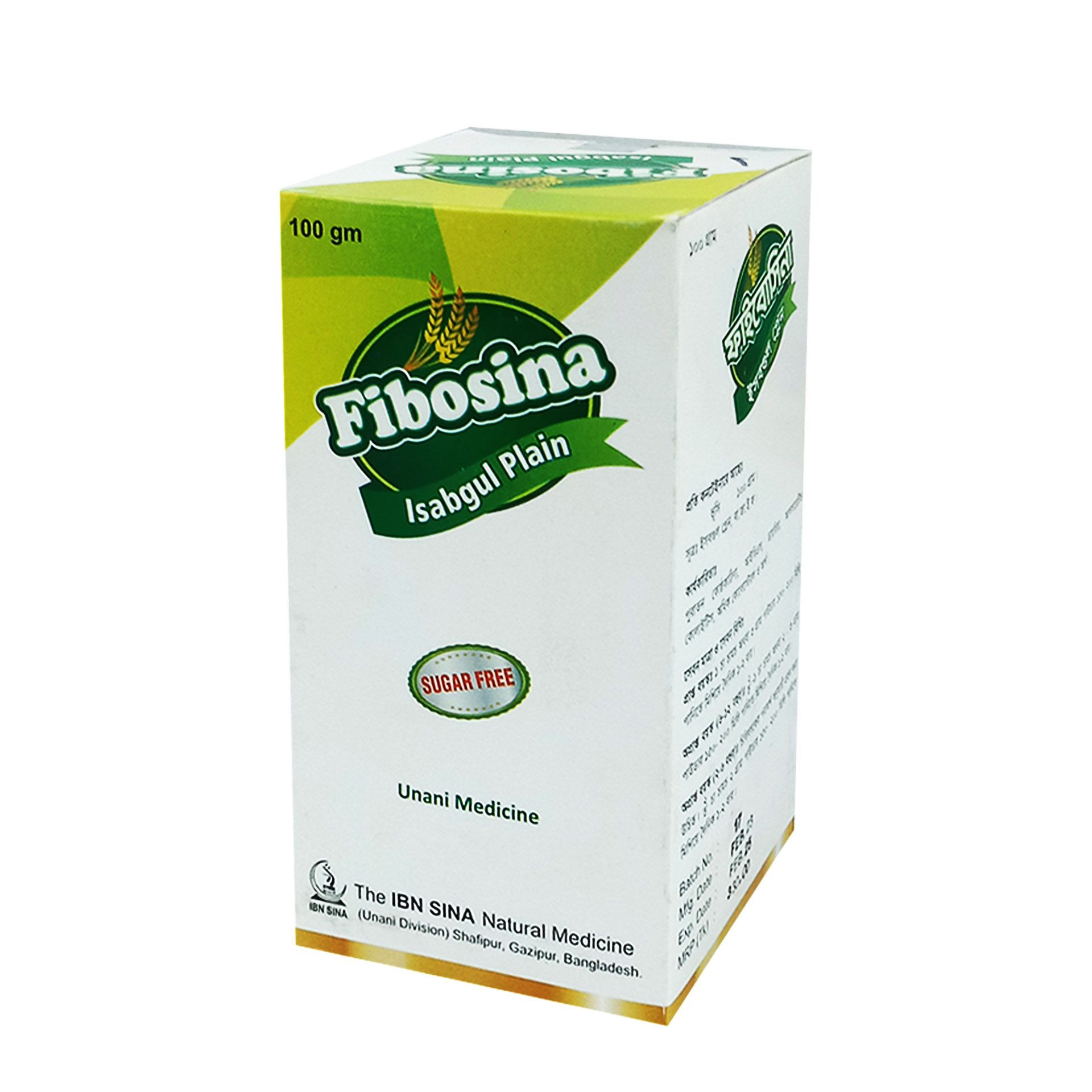
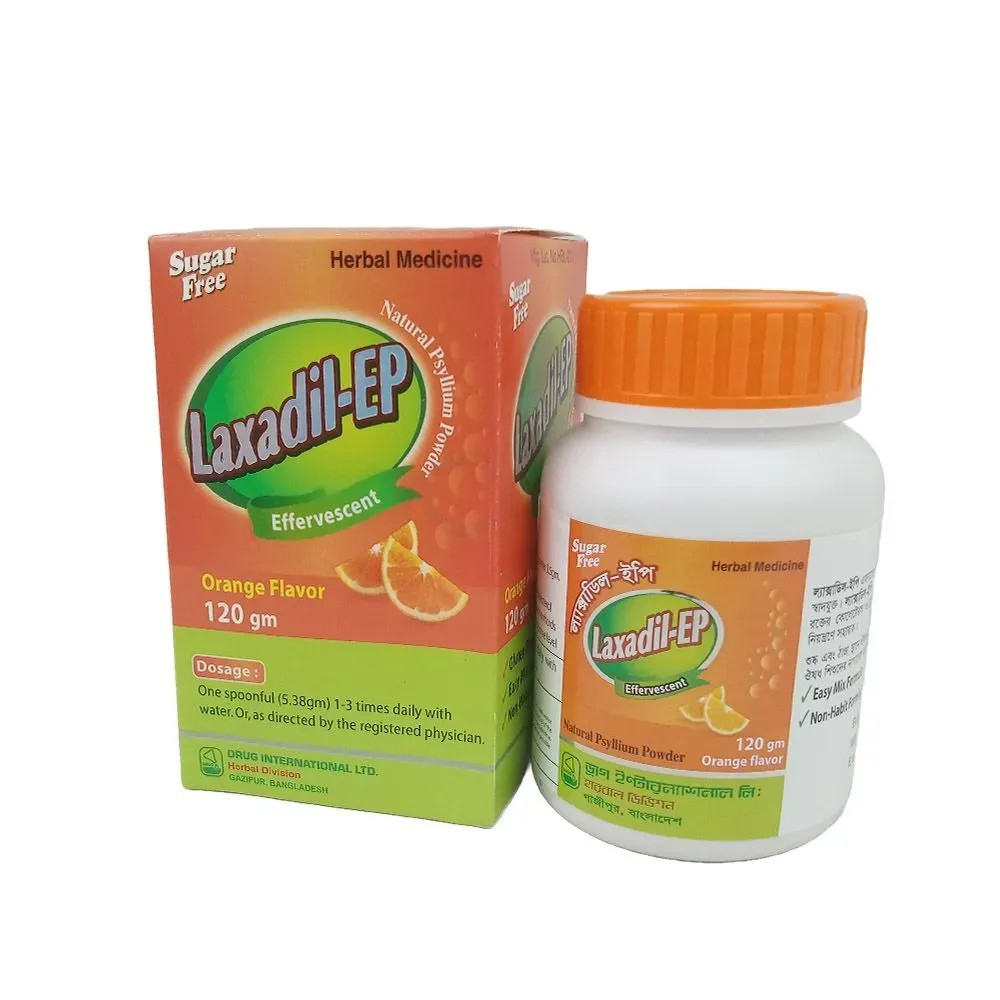
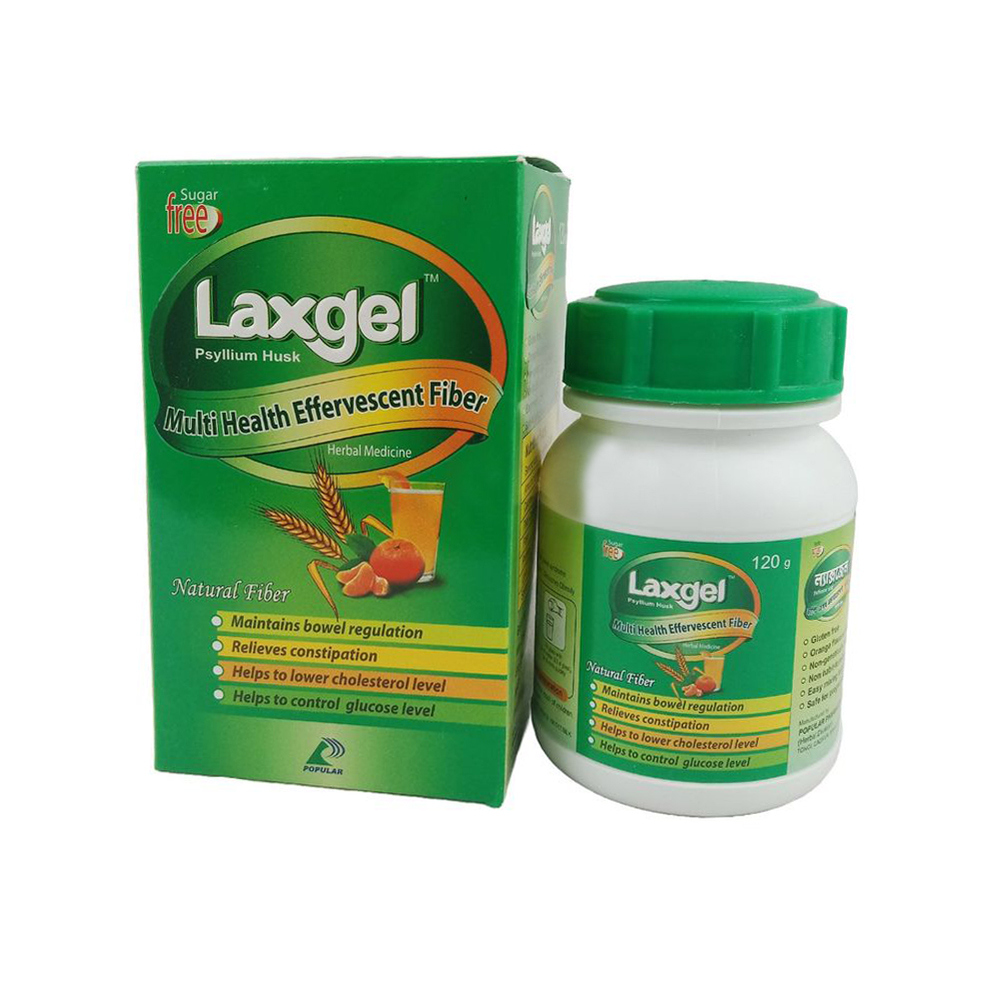
Ispaghula husk, also known as psyllium, is a natural dietary fiber derived from the seeds of the Plantago ovata plant. It is commonly used as a laxative and dietary supplement to improve digestive health and regulate bowel movements.
Uses
Ispaghula husk is used for:
- Relieving constipation by increasing stool bulk and facilitating bowel movements.
- Managing irritable bowel syndrome (IBS) and diverticular disease by improving overall digestive health.
- Acting as a dietary fiber supplement to support cardiovascular health and lower cholesterol levels.
Mechanism of Action
Ispaghula husk works by:
- Absorbing water in the gut, which forms a gel-like substance that adds bulk to the stool.
- Stimulating bowel movements through the increased volume and softness of the stool.
- Promoting regularity and reducing symptoms of constipation and other digestive disorders.
How Long Does It Take to Work?
The effects of ispaghula husk usually become apparent within 12 to 72 hours after ingestion. However, some individuals may experience relief more quickly or require a longer period for noticeable effects, depending on their specific condition and diet.
Absorption
Ispaghula husk is not absorbed into the bloodstream. It remains in the gastrointestinal tract, where it absorbs water and increases stool bulk.
Route of Elimination
Ispaghula husk is eliminated from the body through the feces. It passes through the digestive tract largely unchanged, contributing to stool formation and easing bowel movements.
Dosage
Dosage varies based on the condition being treated:
- For constipation: Typically 5-10 grams of ispaghula husk mixed with a full glass of water, taken 1-3 times daily.
- For managing IBS or other digestive issues: Follow specific recommendations provided by a healthcare provider or as directed on the product label.
Administration
Ispaghula husk is usually administered orally. It is commonly available in various forms, including:
- Powdered form, mixed with water or other liquids.
- Capsules or tablets.
Side Effects
Possible side effects of ispaghula husk include:
- Abdominal bloating or gas.
- Stomach cramps or discomfort.
- Occasional allergic reactions in sensitive individuals.
Toxicity
Ispaghula husk is generally considered safe when used as directed. Toxicity is rare but can occur with excessive use. Symptoms of overdose may include severe abdominal discomfort or gastrointestinal obstruction.
Precautions
Precautions include:
- Ensuring adequate fluid intake to prevent gastrointestinal obstruction.
- Starting with a lower dose and gradually increasing to minimize side effects.
- Consulting a healthcare provider before use, especially for individuals with pre-existing gastrointestinal conditions or those taking other medications.
Interaction
Ispaghula husk may interact with:
- Certain medications by affecting their absorption. It is advisable to take medications and ispaghula husk at different times.
- Other dietary supplements or fiber products, potentially affecting overall fiber intake and digestive function.
Disease Interaction
Individuals with the following conditions should use ispaghula husk with caution:
- Obstructive bowel disease or gastrointestinal stricture.
- Severe abdominal pain or symptoms of appendicitis.
Drug Interaction
Potential drug interactions include:
- Medications for diabetes, as ispaghula husk may affect blood sugar levels.
- Certain antidepressants or medications that affect bowel function.
Food Interactions
There are no specific food interactions with ispaghula husk, but it is important to consume it with a sufficient amount of liquid to avoid potential gastrointestinal issues.
Pregnancy Use
Ispaghula husk is generally considered safe for use during pregnancy when taken as directed. It is advisable to consult with a healthcare provider before using any new supplements or medications during pregnancy.
Lactation Use
Ispaghula husk is also considered safe for use during lactation. There is no evidence suggesting adverse effects on breastfeeding. Consult a healthcare provider if there are any concerns.
Acute Overdose
In case of acute overdose, symptoms may include:
- Severe abdominal pain or discomfort.
- Potential for gastrointestinal obstruction if adequate fluids are not consumed.
Contraindication
Ispaghula husk should be avoided or used with caution in:
- Individuals with a history of gastrointestinal obstruction or strictures.
- Those who cannot maintain adequate fluid intake.
Use Direction
Follow the instructions provided on the product label or by a healthcare professional. Typically, ispaghula husk should be taken with a full glass of water and followed by additional fluids throughout the day.
Storage Conditions
Store ispaghula husk in a cool, dry place, away from direct sunlight and moisture. Keep the container tightly closed to preserve freshness and prevent contamination.
Volume of Distribution
The volume of distribution for ispaghula husk is not typically measured as it remains in the gastrointestinal tract and does not enter the systemic circulation.
Half Life
The concept of half-life is not applicable to ispaghula husk as it is not metabolized or absorbed into the bloodstream. Its effects are based on its physical presence in the gastrointestinal tract.
Clearance
Ispaghula husk is cleared from the body through the feces. It is not absorbed or metabolized but contributes to bowel movement and stool formation.