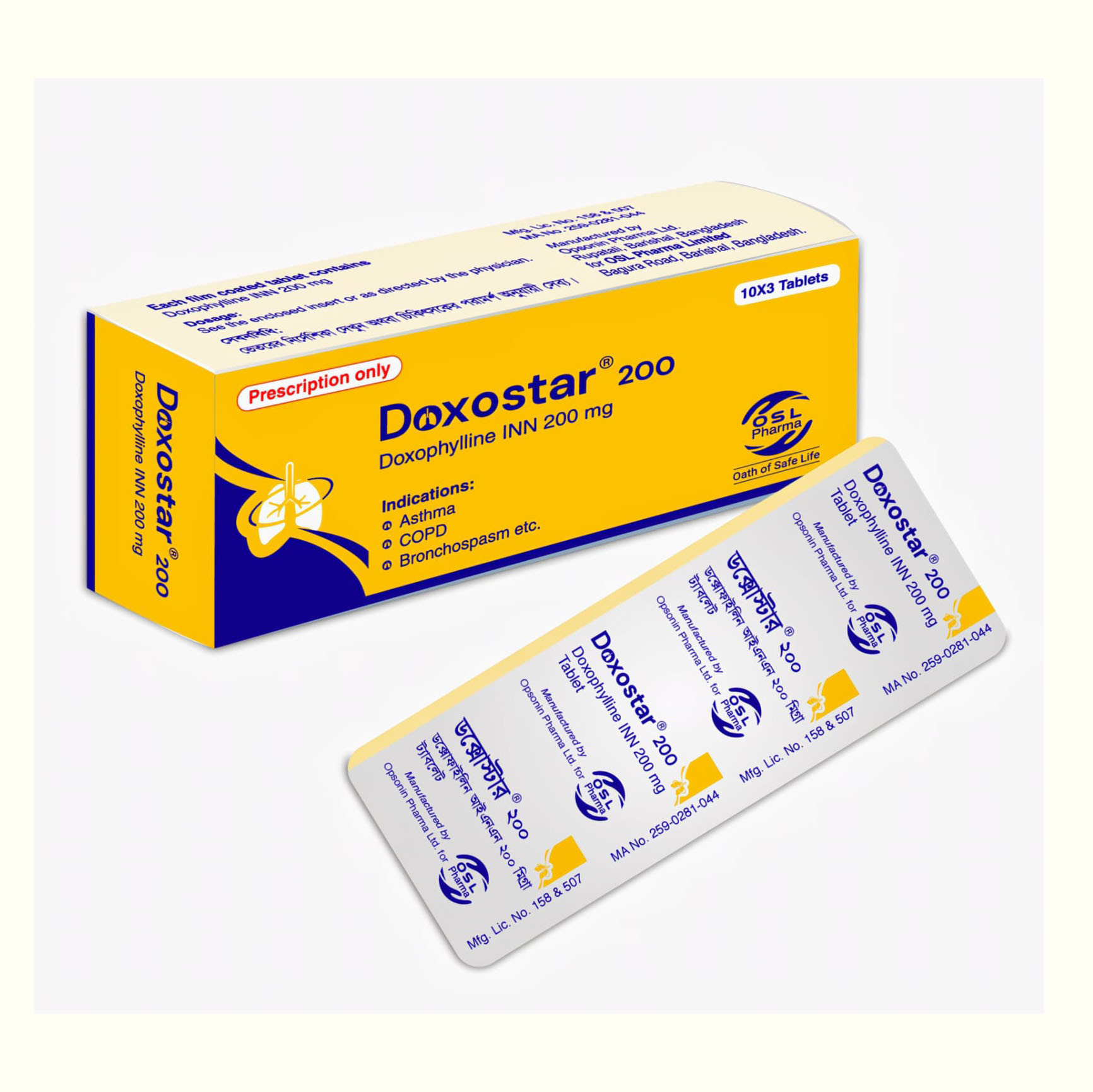
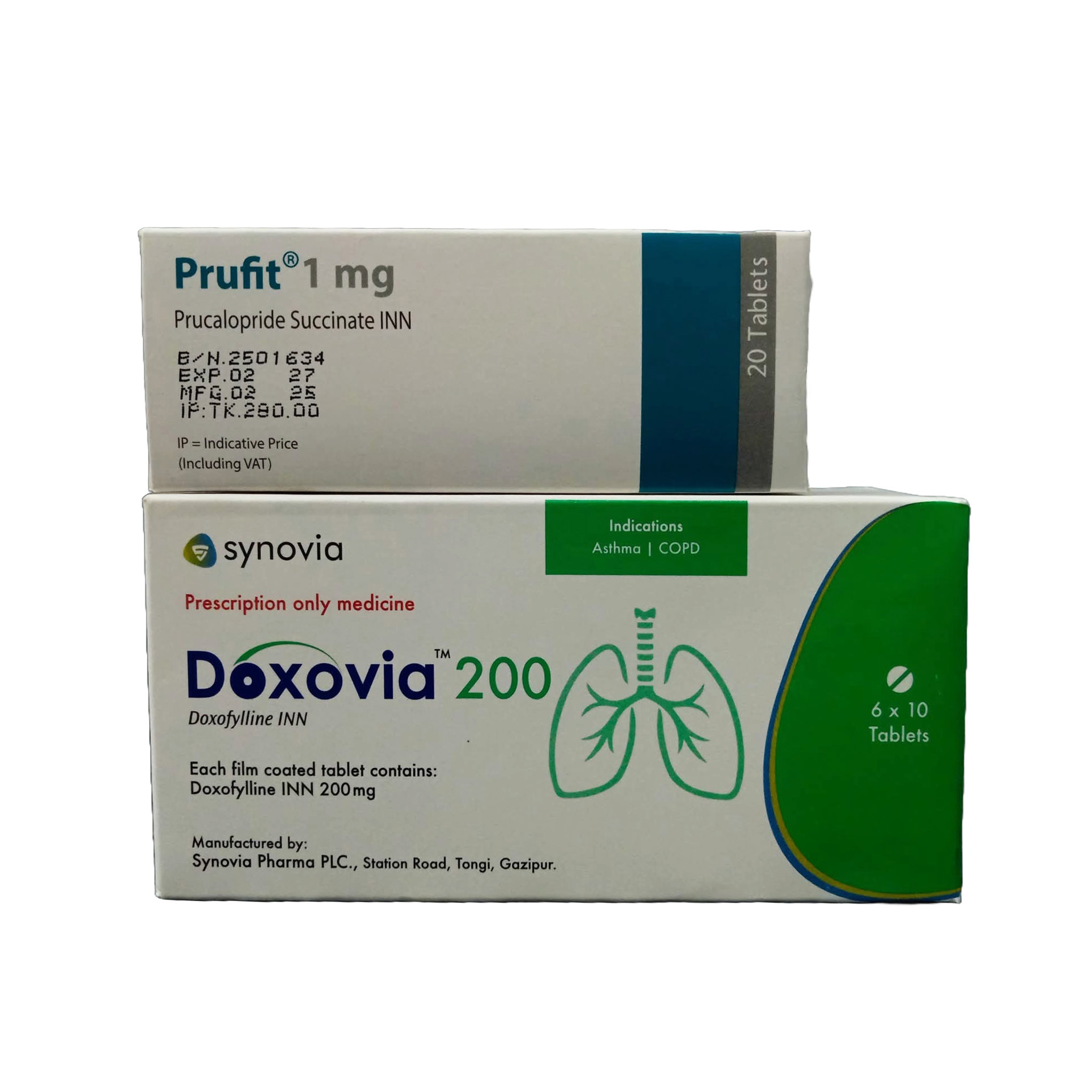
Introduction
Doxofylline is a methylxanthine derivative with the presence of a dioxolane group in position 7. As a drug used in the treatment of asthma, doxofylline has shown similar efficacy to theophylline but with significantly fewer side effects in animal and human studies. In contrast with other xanthine derivatives, doxofylline does not significantly bind to adenosine alpha-1 or alpha-2 receptors and lacks stimulating effects. Decreased affinity for adenosine receptors may account for the better safety profile of doxofylline compared to theophylline . Unlike theophylline, doxofylline does not affect calcium influx and does not antagonize the actions of calcium channel blockers which could explain reduced cardiac adverse reactions associated with the drug . The anti-asthmatic effects of doxophylline are mediated by other mechanisms, primarily through inhibiting the activities of the phosphodiesterase (PDE) enzyme.
Uses
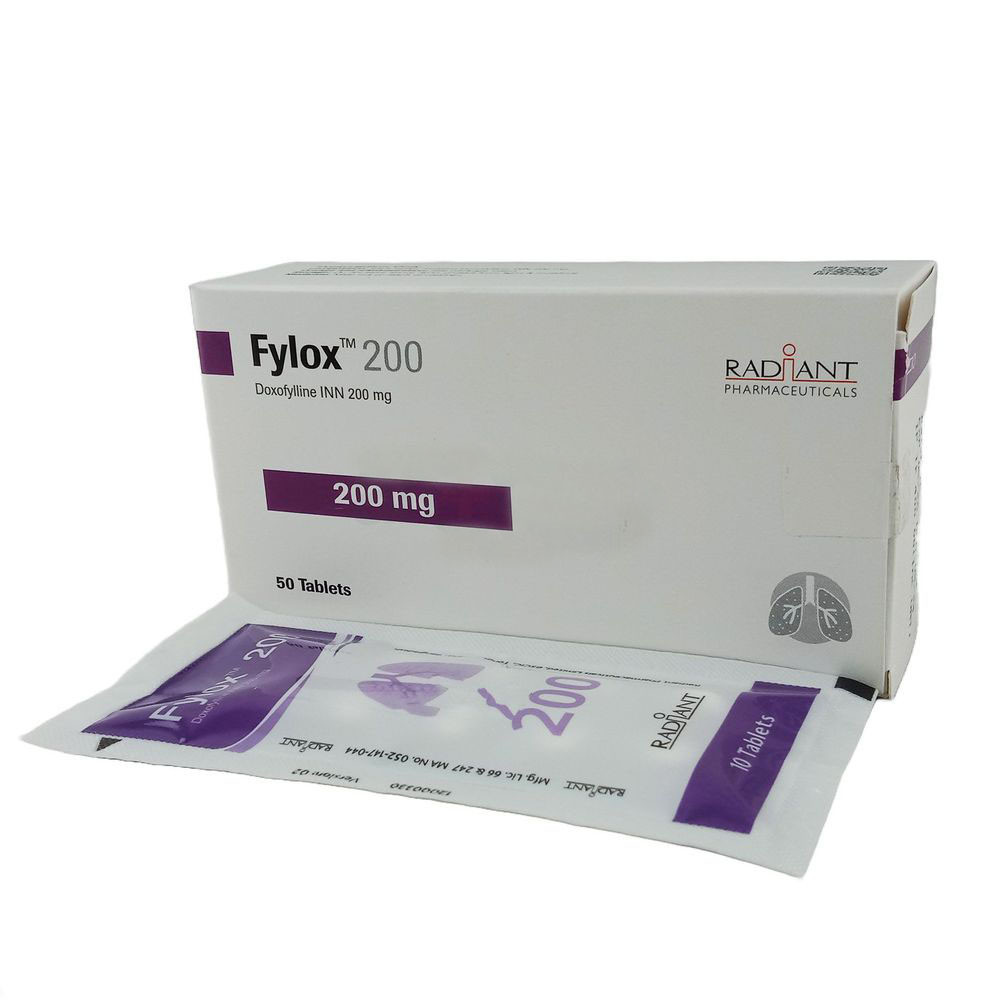
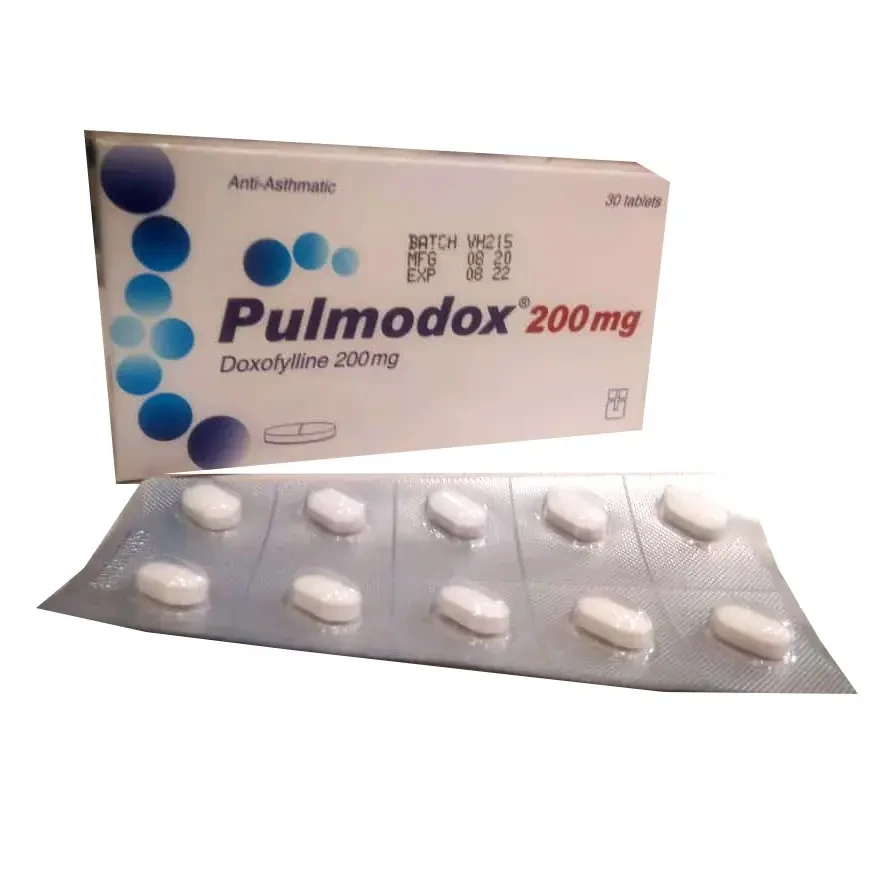
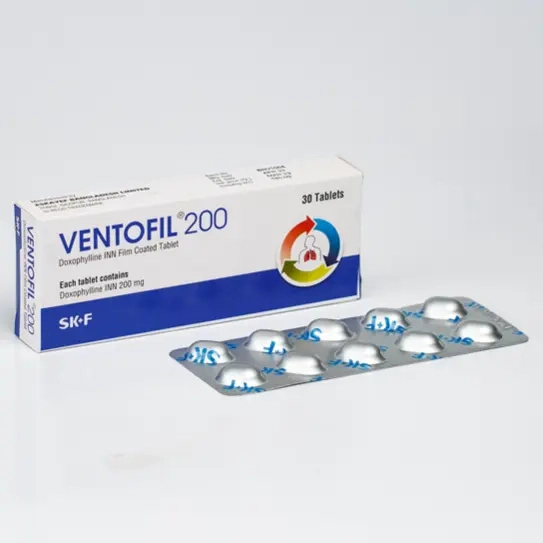
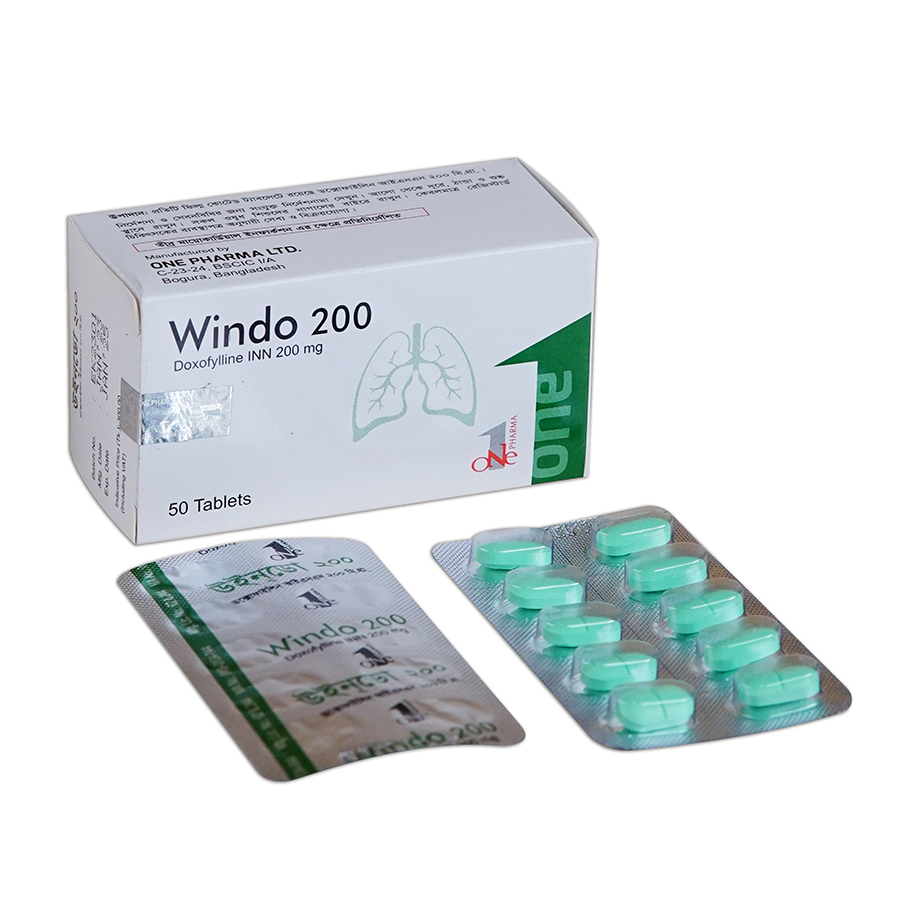
Doxofylline is a methylxanthine derivative used in chronic obstructive pulmonary disease, asthma, and bronchospasms.
Indicated for the treatment of chronic obstructive pulmonary disease (COPD), bronchial asthma and pulmonary disease with spastic bronchial component.
Associated Conditions
Pharmacodynamics
Doxofylline is a methylxanthine bronchodilator with potent bronchodilator activity comparable to that of theophylline. In animal studies, doxofylline demonstrated to attenuate bronchoconstriction, inflammatory actions and the release of thromboxane A2 (TXA2) when challenged with platelet-activating factor .
Doxofylline does not demonstrate direct inhibition of any histone deacetylase (HDAC) enzymes or known PDE enzyme isoforms and did not act as an antagonist at A2 or A2 receptors. The affinity for adenosine A1, A2A and A2B receptors are reported to be all higher than 100 µM . It only displays an inhibitory action against PDE2A1 and antagonism at adenosine A(2A) at high concentrations [A31642]. A study demonstrated that doxofylline interacts with β2-adrenoceptors to induce blood vessel relaxation and airway smooth muscle relaxation. In dog studies, doxofylline decreased airway responsiveness at a dose that did not affect heart rate and respiratory rate .
Mechanism of Action
The main mechanism of action of doxofylline is unclear. One of the mechanisms of action of is thought to arise from the inhibition of phosphodiesterase activity thus increasing the levels of cAMP and promoting smooth muscle relaxation.
The interaction of doxofylline with beta-2 adrenoceptors was demonstrated by a study using nonlinear chromatography, frontal analysis and molecular docking [A31646]. Serine 169 and serine 173 residues in the receptor are thought to be critical binding sites for doxofylline where hydrogen bonds are formed [A31646]. Via mediating the actions of beta-2 adrenoceptors, doxofylline induces blood vessel relaxation and airway smooth muscle relaxation.
There is also evidence that doxofylline may exert anti-inflammatory actions by reducing the pleurisy induced by the inflammatory mediator platelet activating factor (PAF) according to a rat study [A31646]. It is suggested that doxofylline may play an important role in attenuating leukocyte diapedesis, supported by mouse preclinical studies where doxofylline administration was associated with inhibited leukocyte migration across vascular endothelial cells in vivo and in vitro .Unlike theophylline, doxofylline does not inhibit tumor necrosis factor-induced interleukin (IL)-8 secretion in ASM cells.
Absorption
After repeated administrations doxofylline reaches the steady-state in about 4 days. Following oral administration of 400 mg doxofylline twice daily for 5 days in adults with chronic bronchitis, the peak plasma concentrations (Cmax) at steady state ranged from 5.78 to 20.76 mcg/mL. The time to reach maximum concentration (Tmax) was 1.19 ± 0.19 hours . The absolute bioavailability of doxofylline in healthy subjects was 63 ± 25% .
Volume of Distribution
Doxofylline demonstrates a short distribution phase following intravenous administration of 100 mg given in adults with chronic bronchitis . As methylxanthines are distributed to all body compartments, doxofylline may be detected in breast milk and placenta .
Protein Binding
At pH 7.4, the fraction of plasma protein binding is about 48% .
Route of Elimination
Less than 4% of an orally administered dose is excreted unchanged in the urine due to extensive hepatic metabolism .
Half Life
Following administration of a single intravenous dose of 100 mg over 10 minutes in adults with chronic bronchitis, the elimination half life of doxofylline was 1.83 ± 0.37 hours. Following oral administration of 400 mg twice daily for 5 days in adults with chronic bronchitis, the mean elimination half life was 7.01 ± 0.80 hours .
Clearance
Following oral administration of 400 mg doxofylline twice daily for 5 days, the total clearance was 555.2 ± 180.6 mL/min .
Toxicity
Oral LD50 in rat and mouse are 965 mg/kg and 841 mg/kg, respectively. Intraperitoneal LD50 in rat and mouse are 426 mg/kg and 396 mg/kg, respectively .
Dosage
Adults: 400 mg tablet two or three times daily or as prescribed by the physician.
Children:
- >12 years of age: 10 ml syrup or 200 mg tablet two or three times daily.
- 6-12 years of age: 6-9 mg/kg body weight two times daily, i.e. if body weight is 10 kg, 3 ml (60 mg) two times daily or as prescribed by the physician.