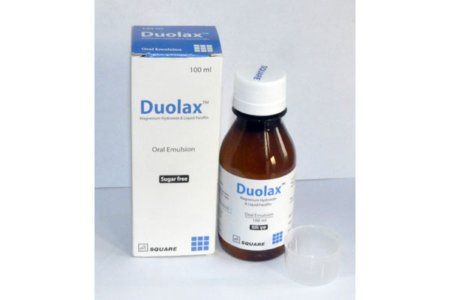
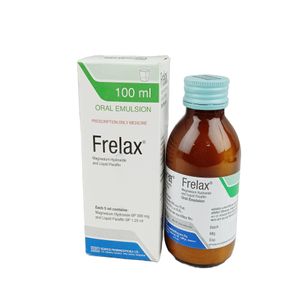
1. What is Radicid Oral Emulsion (300 mg+1.25 ml)/5 ml?
Radicid Oral Emulsion (300 mg+1.25 ml)/5 ml is a combination medication used to treat constipation. Magnesium Hydroxide acts as an osmotic laxative, drawing water into the intestines to soften stool, while Liquid Paraffin works as a lubricant to ease the passage of stool through the intestines.
2. How does Radicid Oral Emulsion (300 mg+1.25 ml)/5 ml work?
The combination of Magnesium Hydroxide and Liquid Paraffin works in two ways:
- Magnesium Hydroxide draws water into the intestines, softening the stool and promoting bowel movement.
- Liquid Paraffin lubricates the stool, making it easier to pass and reducing the discomfort often associated with constipation.
Together, these ingredients help relieve constipation more effectively than either one alone.
3. What conditions does Radicid Oral Emulsion (300 mg+1.25 ml)/5 ml treat?
This combination medication is primarily used to treat constipation, especially in cases where other treatments have not been effective. It is also used for short-term relief of bowel discomfort due to slow-moving stool or infrequent bowel movements.
4. What are the side effects of Radicid Oral Emulsion (300 mg+1.25 ml)/5 ml?
The common side effects of Radicid Oral Emulsion (300 mg+1.25 ml)/5 ml include:
- Diarrhea
- Stomach cramps or discomfort
- Gas or bloating
In rare cases, prolonged use can lead to complications such as dehydration or electrolyte imbalances. If you experience severe side effects like nausea, vomiting, or persistent abdominal pain, consult your healthcare provider.
5. How should I take Radicid Oral Emulsion (300 mg+1.25 ml)/5 ml?
The dosage for Radicid Oral Emulsion (300 mg+1.25 ml)/5 ml is typically in liquid or oral suspension form. It is usually taken once or twice a day, depending on your doctor’s recommendation. Shake the bottle well before each use. Do not exceed the prescribed dose to avoid adverse effects like diarrhea or dehydration.
6. Can Radicid Oral Emulsion (300 mg+1.25 ml)/5 ml be used during pregnancy?
Radicid Oral Emulsion (300 mg+1.25 ml)/5 ml is generally considered safe during pregnancy when used as directed. However, it should be used under the supervision of a healthcare provider to avoid excessive magnesium levels and potential complications, particularly if used long-term.
7. Can I use Radicid Oral Emulsion (300 mg+1.25 ml)/5 ml for chronic constipation?
Radicid Oral Emulsion (300 mg+1.25 ml)/5 ml can be used for short-term relief of constipation, but long-term use is not recommended. Chronic constipation should be managed with a comprehensive treatment plan developed by your doctor, as excessive use of laxatives can lead to dependency and other health issues.
8. Are there any contraindications for using Radicid Oral Emulsion (300 mg+1.25 ml)/5 ml?
Radicid Oral Emulsion (300 mg+1.25 ml)/5 ml should not be used in people with:
- Kidney disease, as magnesium levels can build up in the body
- Intestinal obstruction or severe abdominal pain
- Dehydration or electrolyte imbalances
Consult your doctor before using this medication if you have any pre-existing health conditions.
9. How long does it take for Radicid Oral Emulsion (300 mg+1.25 ml)/5 ml to work?
Radicid Oral Emulsion (300 mg+1.25 ml)/5 ml typically works within 6 to 12 hours after ingestion, though some people may experience relief sooner. It helps soften the stool and lubricates the intestines to make bowel movements easier.
10. Can Radicid Oral Emulsion (300 mg+1.25 ml)/5 ml be used in children?
Radicid Oral Emulsion (300 mg+1.25 ml)/5 ml can be used in children to relieve constipation, but the dosage must be adjusted according to the child's age and weight. Always consult a pediatrician before giving this medication to children.
11. Can I take Radicid Oral Emulsion (300 mg+1.25 ml)/5 ml with food?
Radicid Oral Emulsion (300 mg+1.25 ml)/5 ml can be taken with or without food. However, taking it after meals may help alleviate discomfort caused by indigestion or acid reflux, especially if you are using it for digestive issues.
12. Can I drink alcohol while using Radicid Oral Emulsion (300 mg+1.25 ml)/5 ml?
It is advisable to avoid alcohol while using Radicid Oral Emulsion (300 mg+1.25 ml)/5 ml, as alcohol can worsen side effects like dehydration, dizziness, or gastrointestinal discomfort.
13. What should I do if I miss a dose of Radicid Oral Emulsion (300 mg+1.25 ml)/5 ml?
If you miss a dose of Radicid Oral Emulsion (300 mg+1.25 ml)/5 ml, take it as soon as you remember, unless it is almost time for your next dose. In that case, skip the missed dose and take your next dose at the regular time. Do not take two doses at once to make up for a missed dose.
14. Can Radicid Oral Emulsion (300 mg+1.25 ml)/5 ml cause dehydration?
Yes, Radicid Oral Emulsion (300 mg+1.25 ml)/5 ml can cause dehydration, especially if it leads to diarrhea. It is important to drink plenty of fluids while using this medication and monitor for signs of dehydration such as dry mouth, dizziness, or reduced urine output.
15. Is Radicid Oral Emulsion (300 mg+1.25 ml)/5 ml safe for elderly patients?
Radicid Oral Emulsion (300 mg+1.25 ml)/5 ml can be safe for elderly patients, but they may be more susceptible to dehydration or electrolyte imbalances. Close monitoring is advised, especially if the patient has other health conditions, such as kidney disease.
16. Can I use Radicid Oral Emulsion (300 mg+1.25 ml)/5 ml if I have kidney disease?
Magnesium Hydroxide should be used with caution in individuals with kidney disease, as impaired kidney function can lead to an accumulation of magnesium in the blood. Always consult your healthcare provider before using this combination medication if you have kidney disease.
17. How does Liquid Paraffin help with constipation?
Liquid Paraffin is a lubricant laxative that coats the stool and the inside of the intestines, helping the stool pass more easily. It also reduces friction, which alleviates discomfort during bowel movements.
18. How does Magnesium Hydroxide help with constipation?
Magnesium Hydroxide works as an osmotic laxative by drawing water into the intestines. This increases the water content of the stool, making it softer and easier to pass.
19. Can Radicid Oral Emulsion (300 mg+1.25 ml)/5 ml be used for heartburn?
Magnesium Hydroxide can help neutralize stomach acid and provide relief for heartburn or acid reflux. However, Liquid Paraffin does not treat heartburn and is more effective for constipation. For heartburn, it is better to use medications specifically targeted at reducing acid production.
20. What are the potential risks of using Radicid Oral Emulsion (300 mg+1.25 ml)/5 ml long-term?
Long-term use of Radicid Oral Emulsion (300 mg+1.25 ml)/5 ml can lead to:
- Dependence on laxatives for bowel movements
- Electrolyte imbalances, especially magnesium levels
- Dehydration due to excessive fluid loss from diarrhea
It is best to use this medication for short periods unless prescribed otherwise by a healthcare provider.
21. Can Radicid Oral Emulsion (300 mg+1.25 ml)/5 ml be used for anal fissures?
While Radicid Oral Emulsion (300 mg+1.25 ml)/5 ml may help soften stools and make bowel movements less painful, it is not specifically used to treat anal fissures. Other treatments like topical creams or ointments may be necessary for healing fissures.
22. Can I use Radicid Oral Emulsion (300 mg+1.25 ml)/5 ml if I have high blood pressure?
Radicid Oral Emulsion (300 mg+1.25 ml)/5 ml is generally safe for people with high blood pressure, but magnesium can affect heart rhythm in some cases. Consult your healthcare provider before using this medication, particularly if you are on medication for high blood pressure.
23. Can Radicid Oral Emulsion (300 mg+1.25 ml)/5 ml be taken during breastfeeding?
Radicid Oral Emulsion (300 mg+1.25 ml)/5 ml is generally considered safe during breastfeeding, but it is always best to consult your doctor before using any medication while nursing.
24. Is Radicid Oral Emulsion (300 mg+1.25 ml)/5 ml effective for IBS (Irritable Bowel Syndrome)?
Radicid Oral Emulsion (300 mg+1.25 ml)/5 ml may provide temporary relief for constipation associated with IBS. However, IBS can also be triggered by other factors, such as stress or diet. For long-term management, it is important to consult a healthcare provider for a comprehensive treatment plan.
25. Can Radicid Oral Emulsion (300 mg+1.25 ml)/5 ml help with bloating?
Radicid Oral Emulsion (300 mg+1.25 ml)/5 ml may help reduce bloating by relieving constipation, which can cause bloating and discomfort. However, it is not specifically designed to treat bloating caused by other issues such as gas or digestive disorders.
26. Can I take Radicid Oral Emulsion (300 mg+1.25 ml)/5 ml with other medications?
Radicid Oral Emulsion (300 mg+1.25 ml)/5 ml can interact with certain medications, such as antibiotics, blood pressure medications, and diuretics. Always inform your doctor about any other medications you are taking to avoid potential interactions.
27. Can Radicid Oral Emulsion (300 mg+1.25 ml)/5 ml be used for constipation caused by opioid use?
Radicid Oral Emulsion (300 mg+1.25 ml)/5 ml may help relieve constipation caused by opioid use, as opioids often slow down bowel movements. However, consult your healthcare provider before using laxatives, as they may need to be combined with other treatments to address opioid-induced constipation effectively.
28. Is it safe to take Radicid Oral Emulsion (300 mg+1.25 ml)/5 ml daily?
It is not recommended to use Radicid Oral Emulsion (300 mg+1.25 ml)/5 ml daily without consulting your healthcare provider. Long-term use can lead to dependence, dehydration, and electrolyte imbalances.
29. What should I do if I take too much Radicid Oral Emulsion (300 mg+1.25 ml)/5 ml?
Taking too much Radicid Oral Emulsion (300 mg+1.25 ml)/5 ml can lead to symptoms like diarrhea, dehydration, and electrolyte imbalances. If you suspect an overdose, contact your healthcare provider or poison control center immediately.
30. Can Radicid Oral Emulsion (300 mg+1.25 ml)/5 ml be used in combination with other laxatives?
It is not recommended to combine Radicid Oral Emulsion (300 mg+1.25 ml)/5 ml with other laxatives without a doctor’s guidance, as this can increase the risk of dehydration and electrolyte imbalances. Always follow your doctor’s instructions regarding combination therapy.
31. What is the best time to take Radicid Oral Emulsion (300 mg+1.25 ml)/5 ml?
Radicid Oral Emulsion (300 mg+1.25 ml)/5 ml can be taken at any time of the day, but it is usually taken in the evening to provide relief by morning. Consult your doctor for personalized timing instructions.
32. Can Radicid Oral Emulsion (300 mg+1.25 ml)/5 ml help with bloating after meals?
Radicid Oral Emulsion (300 mg+1.25 ml)/5 ml may help relieve bloating caused by constipation but is not a treatment for bloating from other digestive issues like gas. If bloating is persistent, consider consulting a doctor.
33. Does Radicid Oral Emulsion (300 mg+1.25 ml)/5 ml require a prescription?
In many countries, Radicid Oral Emulsion (300 mg+1.25 ml)/5 ml is available over-the-counter, but it’s best to consult a doctor before use to ensure it’s appropriate for your condition.
34. Can Radicid Oral Emulsion (300 mg+1.25 ml)/5 ml be taken with a meal?
Yes, Radicid Oral Emulsion (300 mg+1.25 ml)/5 ml can be taken with or without food. If you experience stomach upset, try taking it after meals to ease digestion.
35. How can I store Radicid Oral Emulsion (300 mg+1.25 ml)/5 ml?
Store Radicid Oral Emulsion (300 mg+1.25 ml)/5 ml in a cool, dry place, away from direct sunlight and heat. Keep it out of reach of children and follow the storage instructions on the label.