Introduction
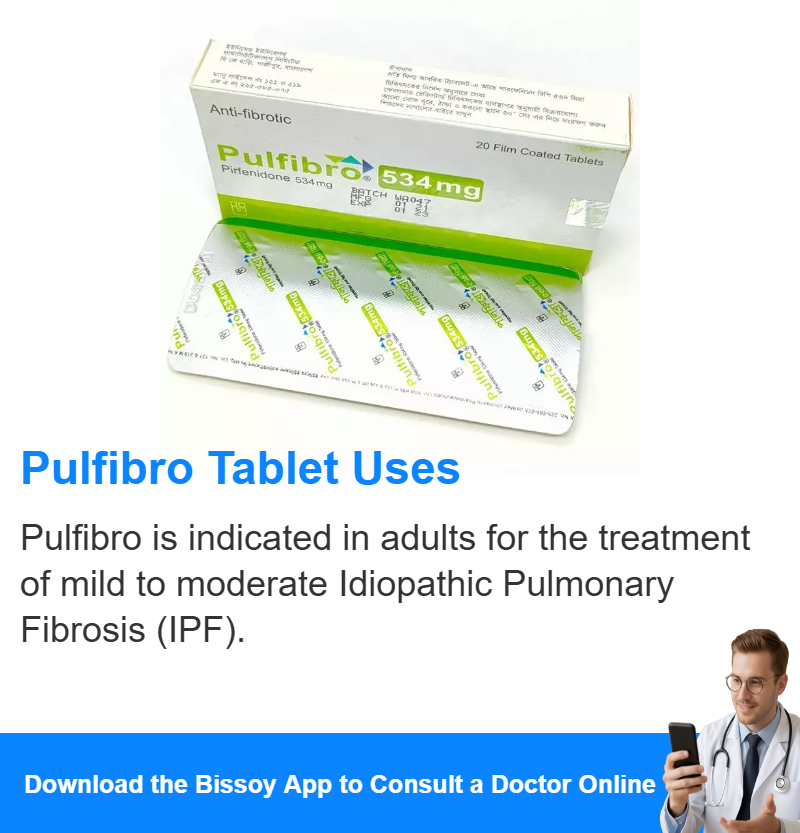
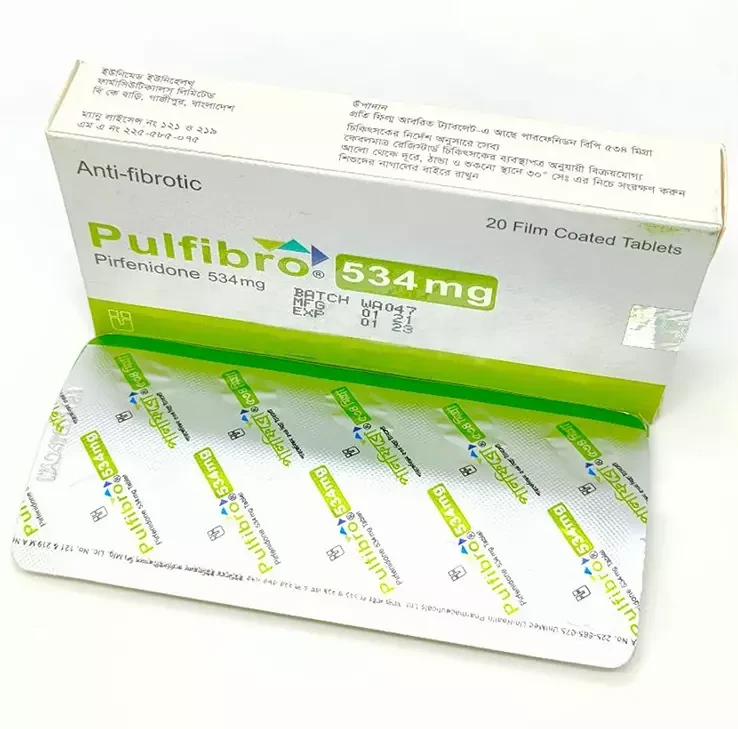
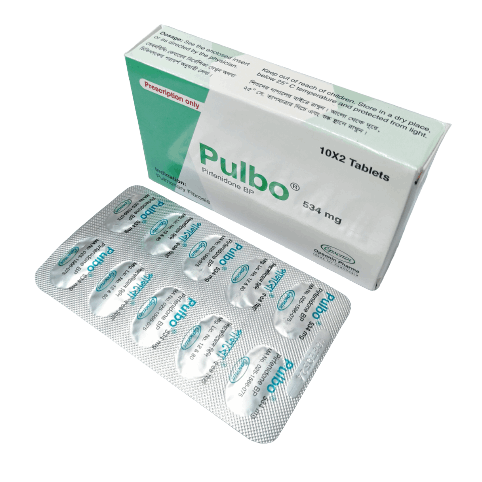
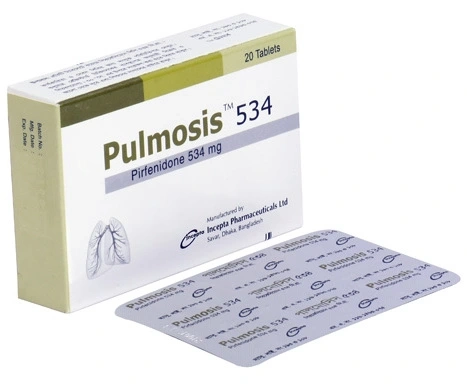
Pulfibro Tablet 534 mg is an orally active small molecule drug that may inhibit collagen synthesis, down regulate production of multiple cytokines and block fibroblast proliferation and stimulation in response to cytokines. Pulfibro Tablet 534 mg has demonstrated activity in multiple fibrotic conditions, including those of the lung, kidney and liver. It is being investigated by InterMune.
Uses
Pulfibro Tablet 534 mg is an agent used for the treatment of idiopathic pulmonary fibrosis (IPF).
For the treatment of idiopathic pulmonary fibrosis (IPF).
Associated Conditions
Pharmacodynamics
Pulfibro Tablet 534 mg is a novel agent with anti-inflammatory, antioxidant, and antifibrotic properties. It may improve lung function and reduce the number of acute exacerbations in patients with idiopathic pulmonary fibrosis (IPF).
Mechanism of Action
Although the precise mechanism of action of pirfenidone and its specific molecular targets have yet to be elucidated, the molecule has demonstrated anti-fibrotic, anti-inflammatory, and antioxidant activity. One vital anti-fibrotic mechanism involves suppression of TGF-β1 (transforming growth factor-β1), a key cytokine involved in fibrogenesis and extracellular matrix production.
There is also evidence to suggest that pirfenidone has the ability to downregulate the expression of potent pro-inflammatory cytokines including TNF-α, interleukin-1, and interferon gamma. In animal models, pirfenidone can inhibit both the influx of inflammatory cells and the increased pulmonary vascular permeability induced by bleomycin.
Absorption
Rapidly absorbed following oral administration.
Volume of Distribution
The steady-state volume of distribution following oral administration is approximately 70L.
Protein Binding
Pulfibro Tablet 534 mg is 50-58% protein-bound in plasma, primarily to albumin.
Half Life
2-2.5 hours
Toxicity
Generally well tolerated with the most frequent side effects reported being photosensitivity rash and gastrointestinal symptoms.
Food Interactions
- Take at the same time every day.
- Take with food. This may reduce the adverse effects of nausea and dizziness. Food also impacts the bioavailability of pirfenidone.
Dosage
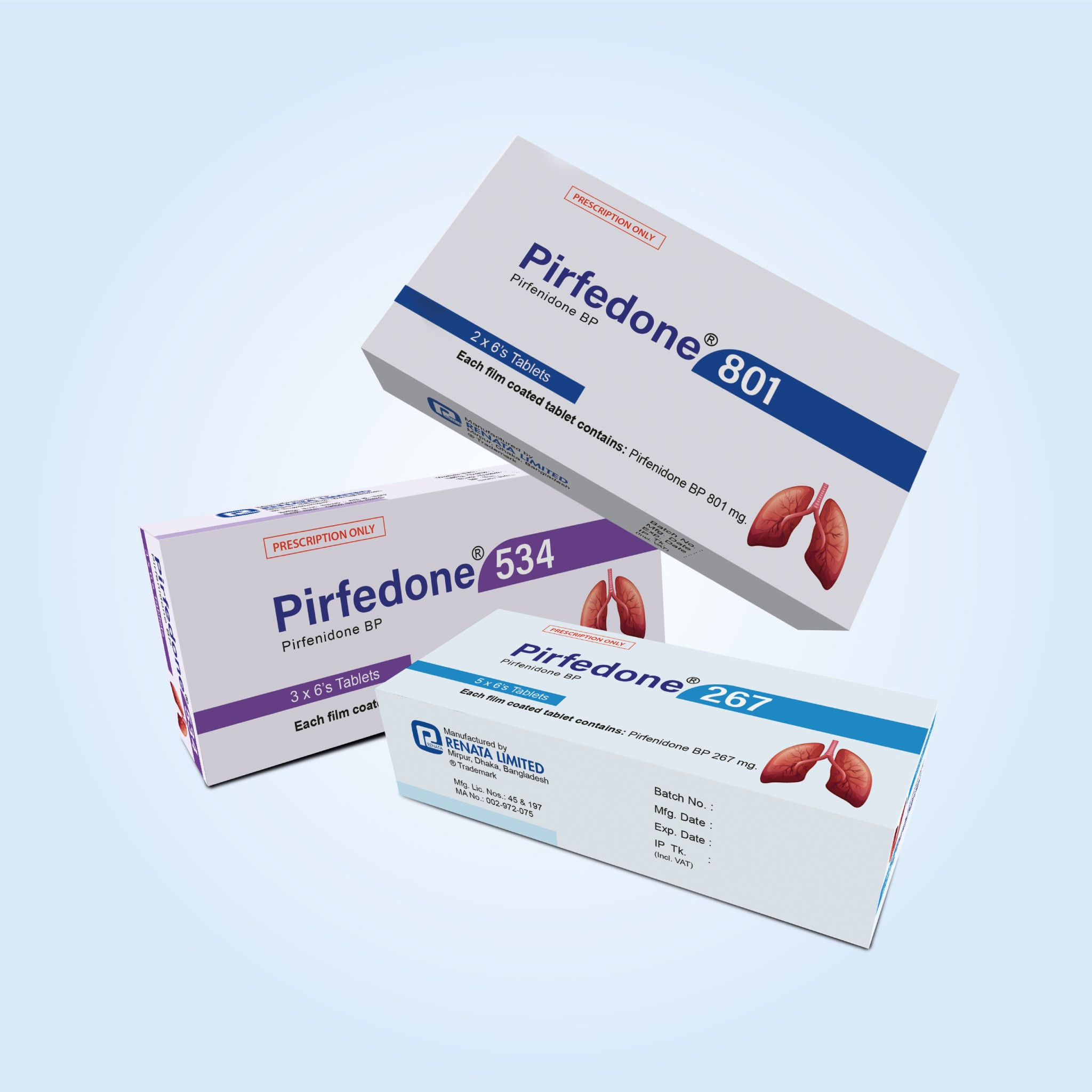
Adults: Upon initiating treatment, the dose should be titrated to the recommended daily dose of nine 267 mg tablets or three 801 mg tablet per day over a 14-days period as follows:
- Days 1 to 7: One 267 mg tablet administered three times a day (801 mg/day)
- Days 8 to 14: Two 267 mg tablets administered three times a day (1602 mg/day)
- Day 15 onward: Three 267 mg tablets or one 801 mg tablet administered three times a day (2403 mg/day)
Dose adjustments and other considerations for safe use: Gastrointestinal events: In patients who experience intolerance to therapy due to gastrointestinal side effects, patients should be reminded to take the medicinal product with food. If symptoms persist Pulfibro Tablet 534 mg may be reduced to 1-2 tablets (267 mg-534 mg) 2-3 times/day with food with re-escalation to the recommended daily dose as tolerated. If symptoms continue, patients may be instructed to interrupt treatment for 1 to 2 weeks to allow symptoms to resolve.
Photosensitivity reaction or rash: Patients who experience a mild to moderate photosensitivity reaction or rash should be reminded of the instruction to use a sunblock daily and to avoid sun exposure. The dose of Pulfibro Tablet 534 mg may be reduced to three 267 mg tablets/day (one 267 mg tablet three times a day). If the rash persists after 7 days, Pulfibro Tablet 534 mg should be discontinued for 15 days, with re-escalation to the recommended daily dose in the same manner as the dose escalation period. Patients who experience severe photosensitivity reaction or rash should be instructed to interrupt the dose and to seek medical advice. Once the rash has resolved, Pulfibro Tablet 534 mg may be re-introduced and re-escalated up to the recommended daily dose at the discretion of the physician.
Hepatic function: In the event of significant elevation of alanine and/or aspartate aminotransferases (ALT/AST) with or without bilirubin elevation, the dose of Pulfibro Tablet 534 mg should be adjusted or treatment discontinued according to the guidelines.