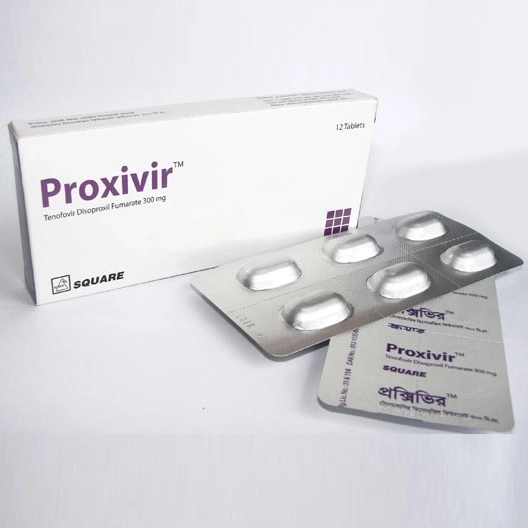
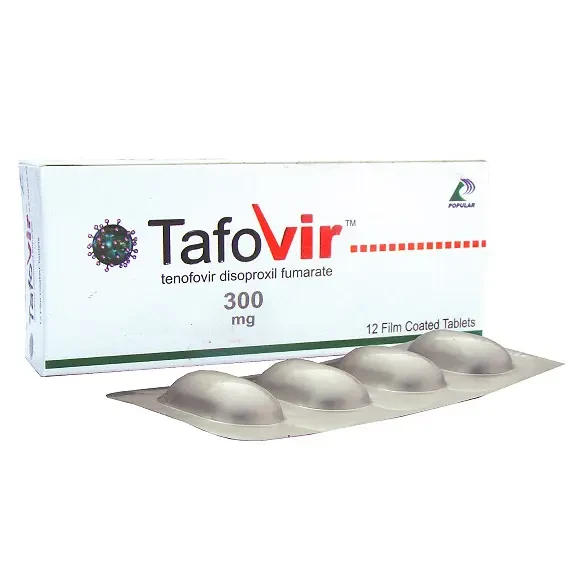
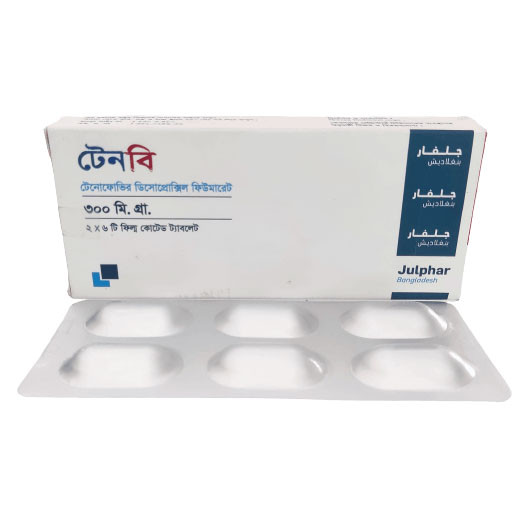
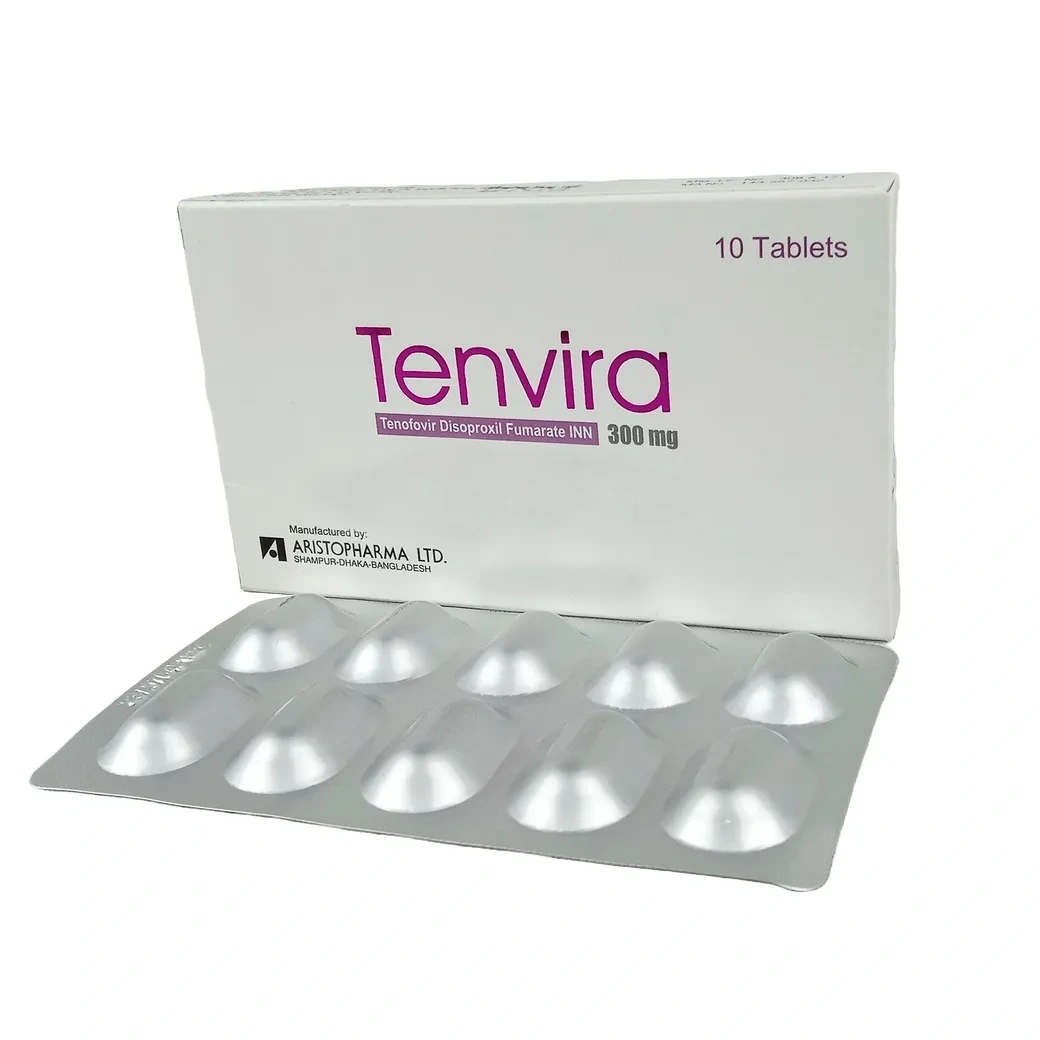
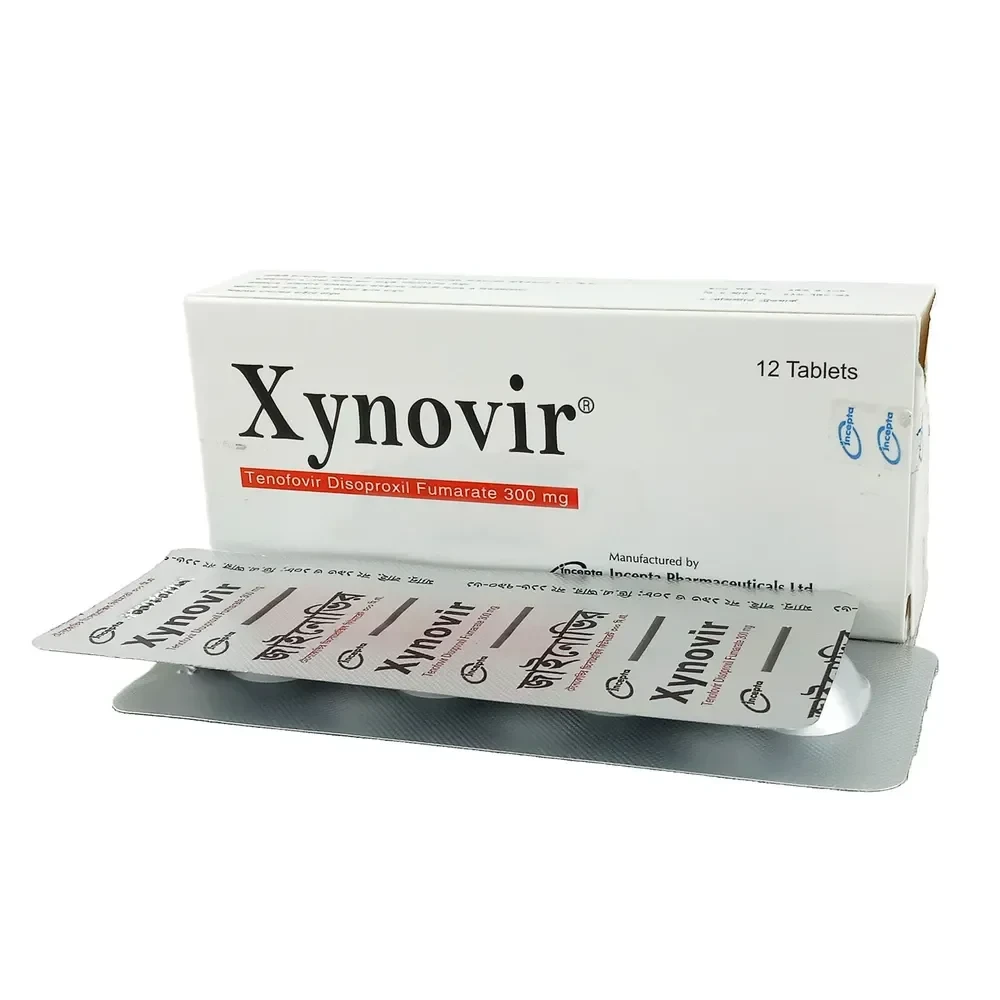
Proxivir Tablet 300 mg (TDF) is an antiviral medication used primarily in the treatment of HIV-1 infection and chronic hepatitis B. It is a prodrug of tenofovir, an analog of adenosine monophosphate that works by inhibiting the reverse transcriptase enzyme in HIV and the DNA polymerase enzyme in hepatitis B virus.
TDF is used for:
| Brand Name | Proxivir |
|---|---|
| Type | Tablet |
| Weight | 300 mg |
| Generic | Tenofovir Disoproxil Fumarate |
| Manufacturer | Square Pharmaceuticals Ltd. |
| Available in | English বাংলা |
TDF is converted into its active form, tenofovir diphosphate, inside cells. It inhibits the HIV-1 reverse transcriptase enzyme, which is essential for the replication of HIV-1. In hepatitis B virus, it inhibits the HBV DNA polymerase, reducing viral replication and infection.
For HIV treatment, TDF begins to show effects on viral load within a few weeks of starting therapy, but it may take longer to achieve complete viral suppression. For hepatitis B, a significant reduction in viral load can often be seen within a few months, though long-term therapy may be necessary for sustained efficacy.
TDF is well absorbed from the gastrointestinal tract. Its bioavailability is increased when taken with food, which can help enhance absorption and reduce gastrointestinal side effects.
TDF and its active form are primarily eliminated by the kidneys through renal excretion. A small portion is also excreted in the feces.
The typical dosage for adults is:
Dosage adjustments may be necessary for patients with renal impairment. Always follow specific dosing guidelines provided by a healthcare provider.
TDF is administered orally, usually as a tablet or in a fixed-dose combination with other antiretrovirals. It is recommended to take it with food to improve absorption and reduce gastrointestinal side effects.
Common side effects may include:
Less common but serious side effects can include renal impairment, bone density loss, and lactic acidosis.
Toxicity can manifest as renal impairment, significant bone loss, or lactic acidosis. Regular monitoring of kidney function and bone health is recommended during treatment.
Precautions include:
TDF may interact with other medications, particularly those that affect renal function or are also eliminated through the kidneys. For example:
Consult with a healthcare provider for specific drug interactions.
Use with caution in individuals with pre-existing renal conditions, bone disorders, or those at high risk for lactic acidosis. Regular monitoring is necessary to manage these risks.
Drug interactions include:
Review all concurrent medications with a healthcare provider to avoid adverse interactions.
Taking TDF with food can enhance absorption and minimize gastrointestinal side effects. There are no specific food interactions that require avoidance.
TDF is categorized as a Category B drug for pregnancy, indicating that it is generally considered safe, but should be used only if clearly needed. Consult with a healthcare provider to weigh the benefits and risks during pregnancy.
TDF is excreted in breast milk in small amounts. It is generally considered safe during lactation, but consult a healthcare provider to evaluate potential risks to the infant.
Acute overdose may lead to symptoms of gastrointestinal distress, renal impairment, or other adverse effects. Seek medical attention immediately if an overdose is suspected.
Contraindications include severe renal impairment or hypersensitivity to tenofovir or any other component of the formulation. Use with caution in patients with significant underlying renal or bone conditions.
Follow the prescribed dosage and administration instructions. It is important to take TDF consistently as directed and to have regular follow-ups to monitor for any adverse effects or interactions.
Store TDF in a cool, dry place, away from direct sunlight and moisture. Keep out of reach of children and follow specific storage instructions provided by the manufacturer.
The volume of distribution for TDF is approximately 0.6 L/kg, indicating its distribution throughout body tissues and fluids.
The terminal half-life of TDF is approximately 17 hours, which supports its once-daily dosing schedule.
TDF is primarily cleared by the kidneys. Its clearance rate can be affected by renal function, so dose adjustments may be necessary in individuals with impaired renal function.
See in details version Proxivir Tablet 300 mg also Proxivir Tablet 300 mg in bangla