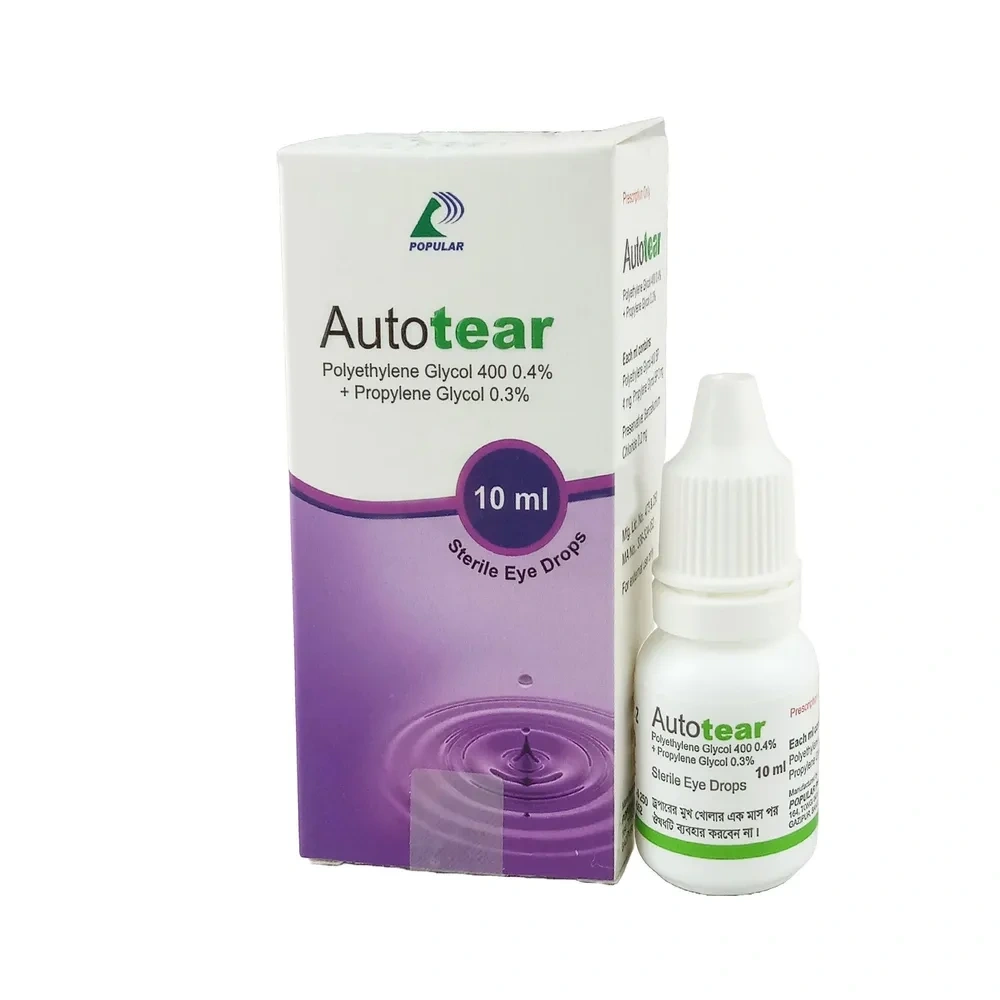
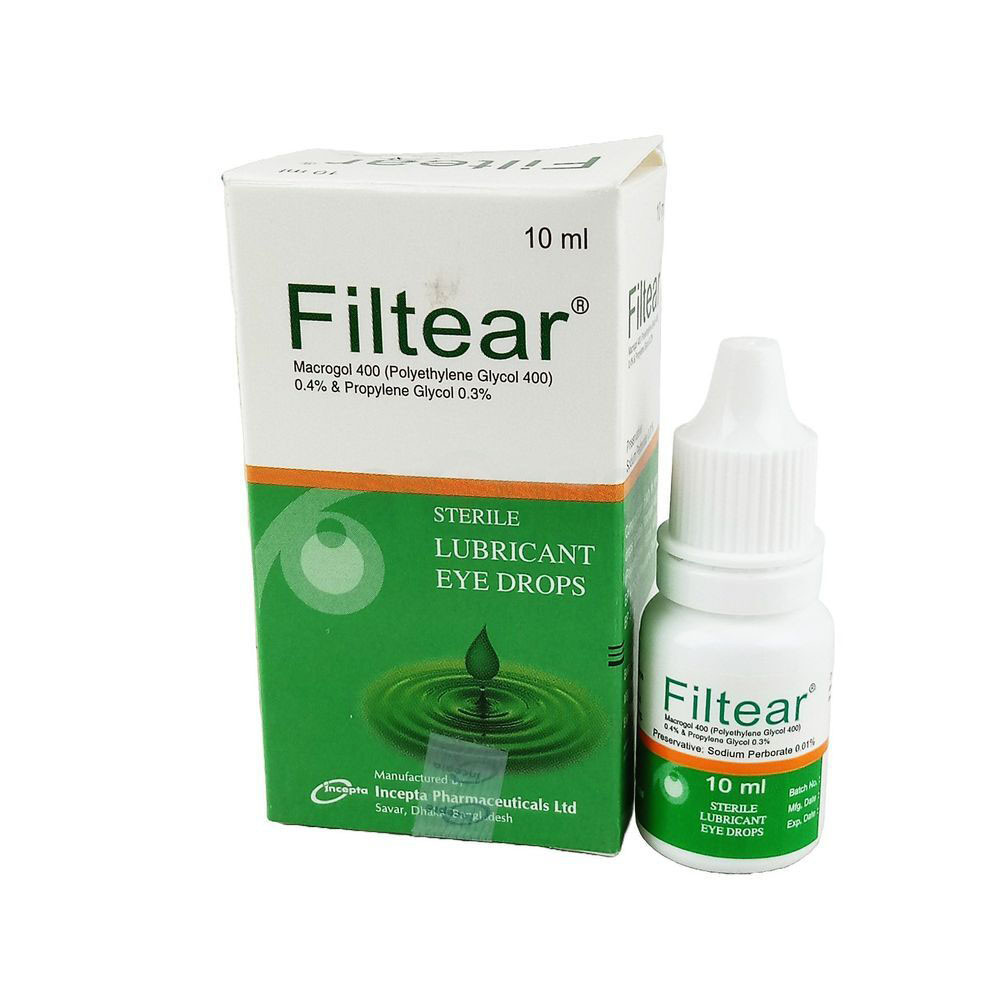
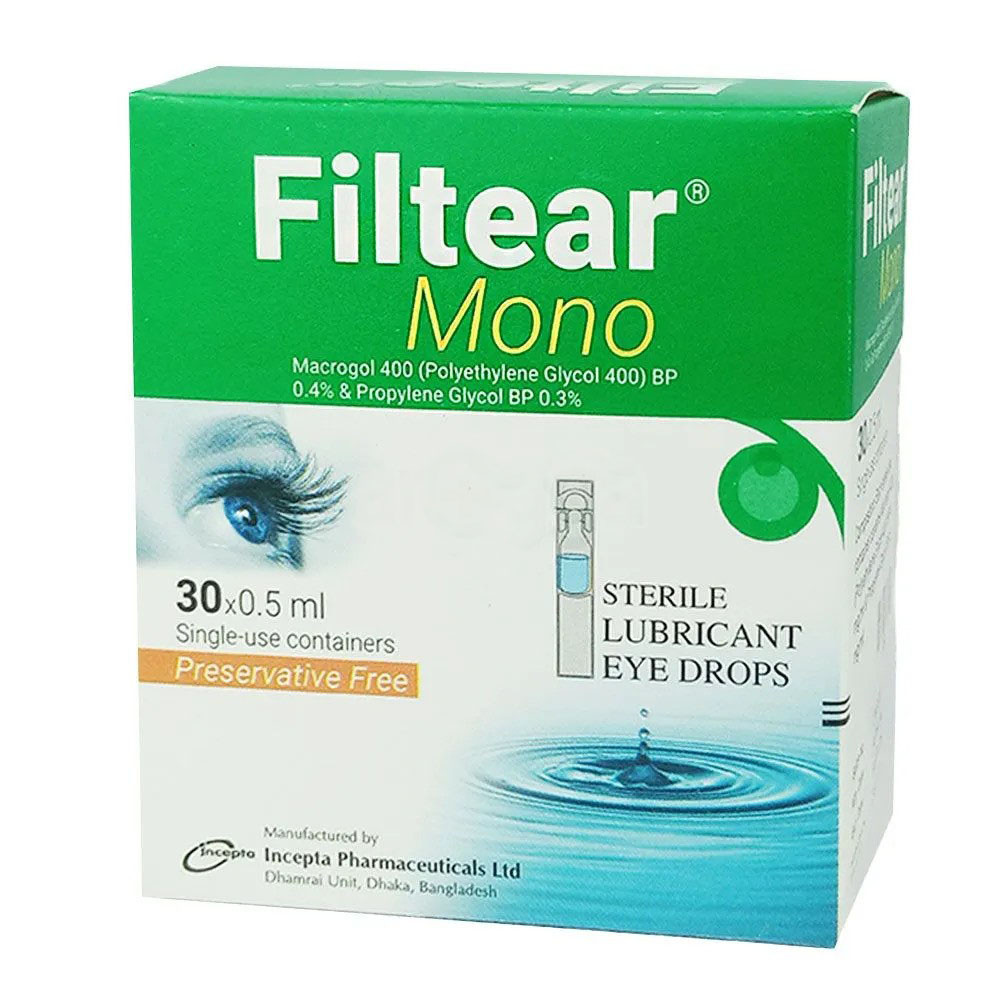
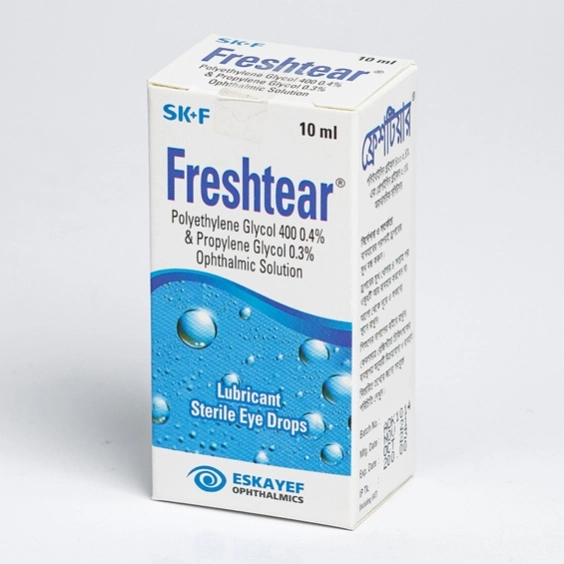
Introduction
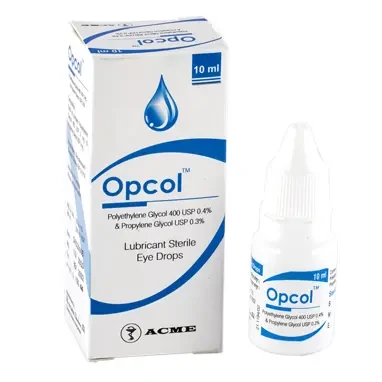
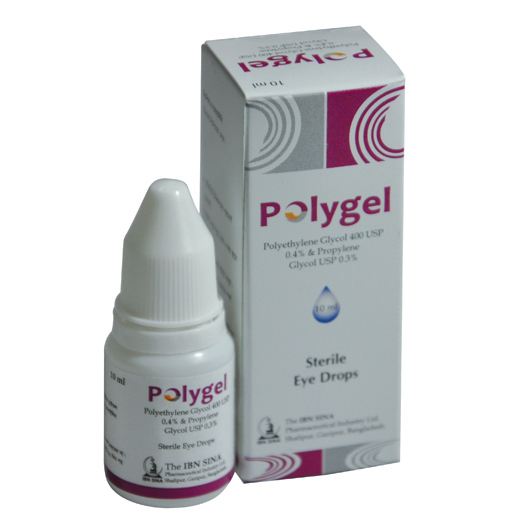
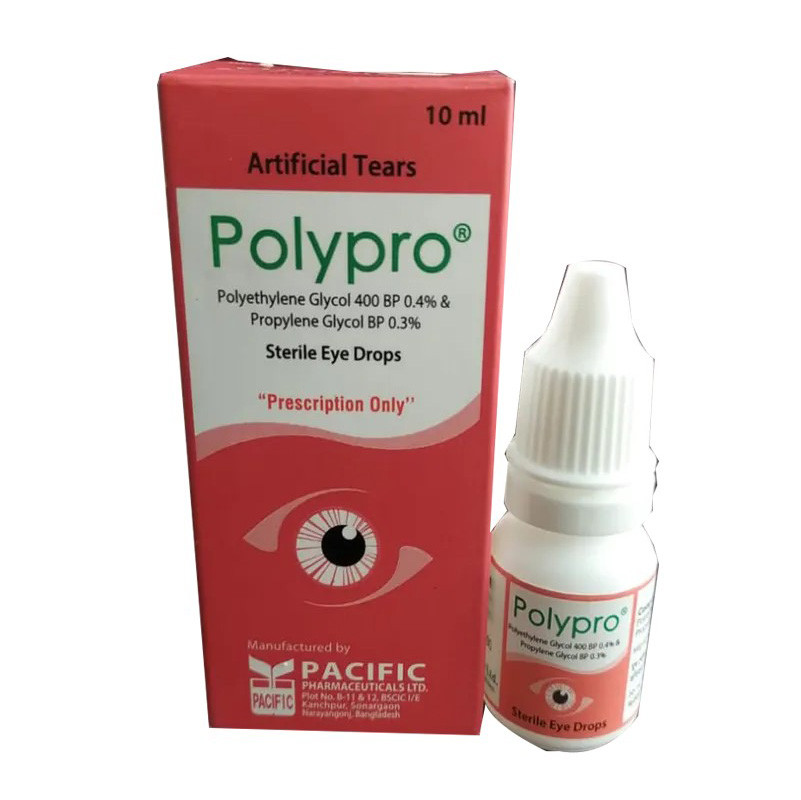
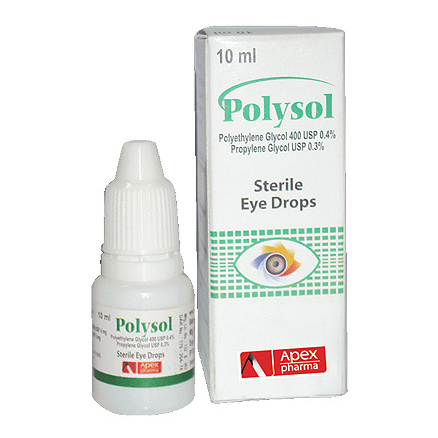
Polyethylene Glycol (PEG) and Propylene Glycol (PG) are compounds commonly used in medical and cosmetic formulations. Polyethylene Glycol is a laxative that works by increasing water retention in the stool, while Propylene Glycol serves as a solvent and humectant in various pharmaceutical preparations. The combination of PEG and PG is used in a variety of products, including bowel cleansing agents, topical formulations, and as excipients in drug delivery systems.
Uses
The combination of Polyethylene Glycol and Propylene Glycol is used in:
- Bowel cleansing preparations for colonoscopy or surgery
- Constipation management (PEG only)
- Topical creams, gels, and ointments as moisturizers (PG primarily)
- Pharmaceutical formulations as excipients
- Solvents in injectable medications
Mechanism of Action
Polyethylene Glycol acts as an osmotic laxative by retaining water in the stool, softening it and promoting bowel movements. Propylene Glycol acts primarily as a solvent and humectant, increasing the moisture content of the skin when used topically, or serving as a carrier for active ingredients in pharmaceutical products.
How Long Does It Take to Work?
For constipation relief, Polyethylene Glycol typically begins to work within 1 to 4 days of oral administration. In bowel cleansing regimens, the effects start within 1 hour of consumption, with complete bowel evacuation usually occurring within 4 to 6 hours. Propylene Glycol's moisturizing effects are immediate upon application.
Absorption
Polyethylene Glycol is minimally absorbed in the gastrointestinal tract when taken orally, and most of it is excreted unchanged in the feces. Propylene Glycol is readily absorbed from the gastrointestinal tract, skin, and lungs, and is metabolized in the liver.
Route of Elimination
Polyethylene Glycol is primarily excreted unchanged in the feces, with very little absorbed systemically. Propylene Glycol is metabolized by the liver into lactic acid and pyruvic acid, and the metabolites are excreted by the kidneys in the urine.
Dosage
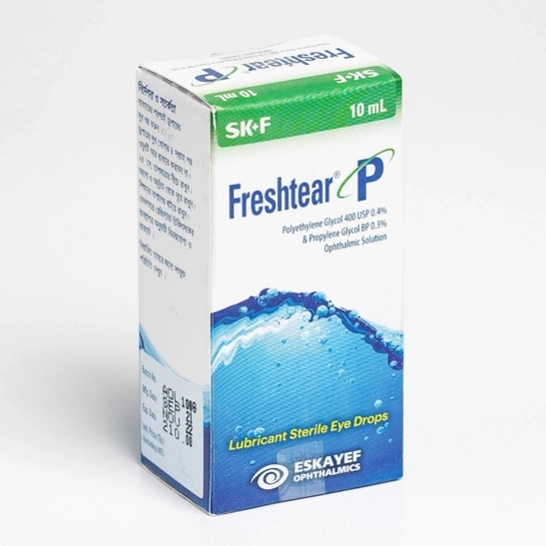
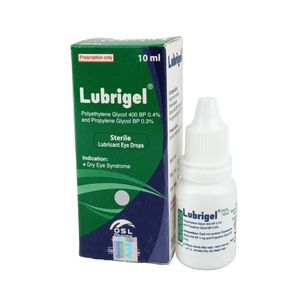
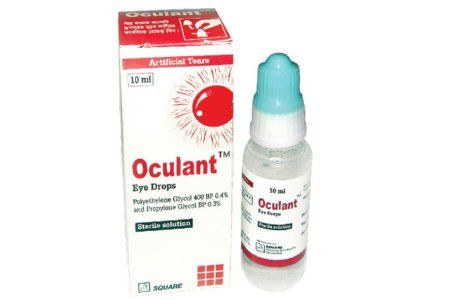
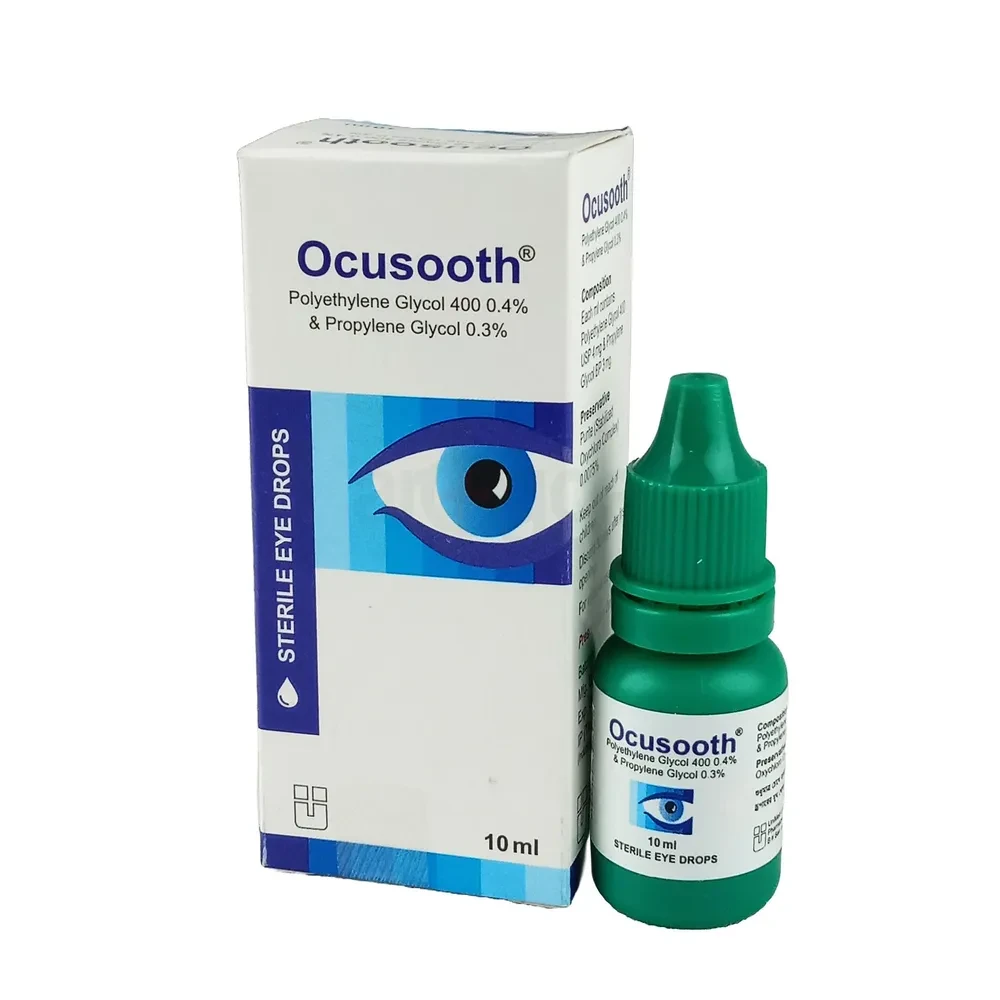
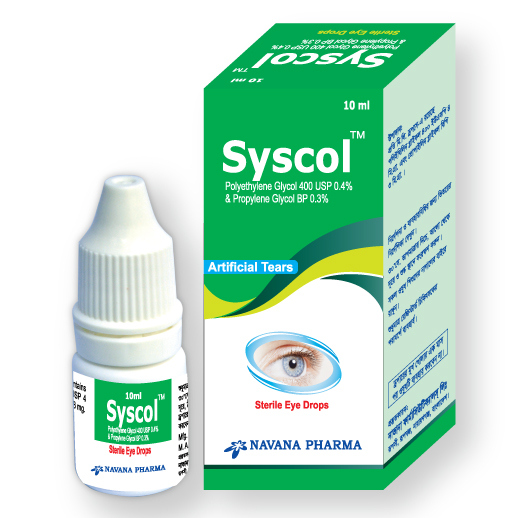
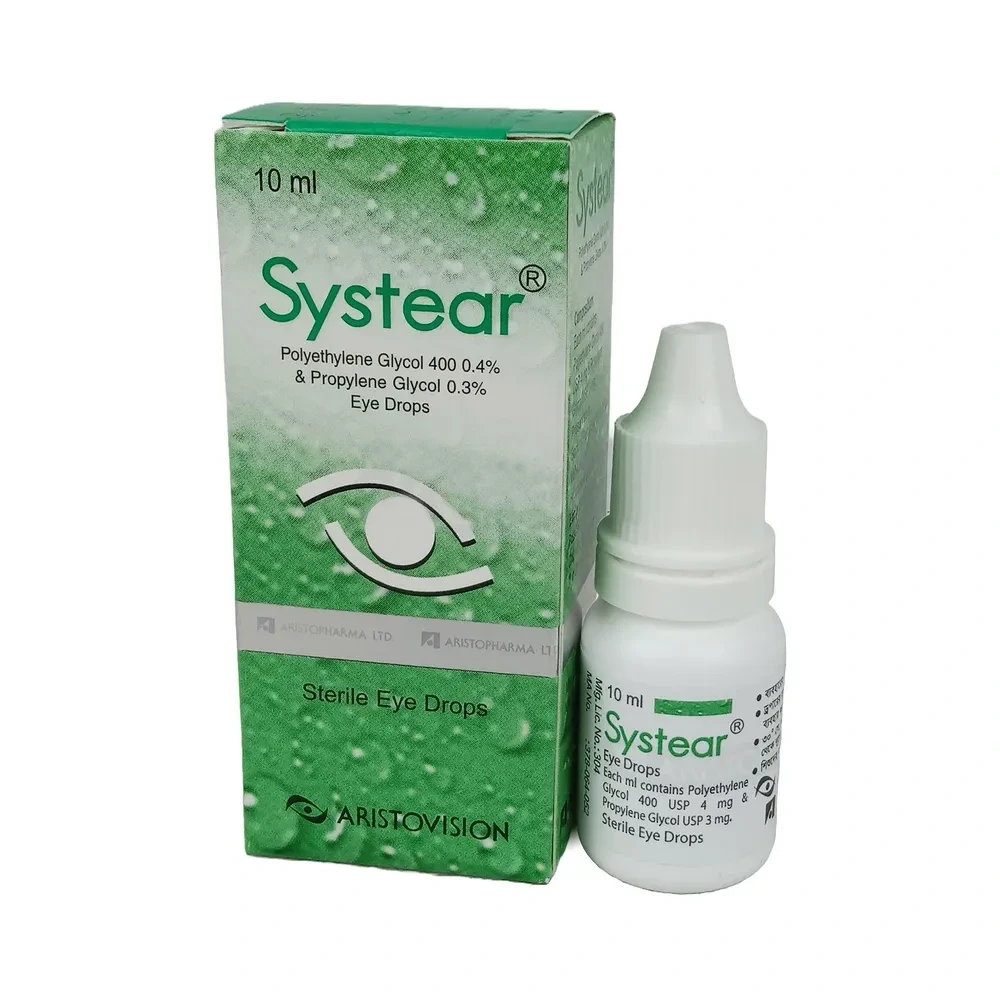
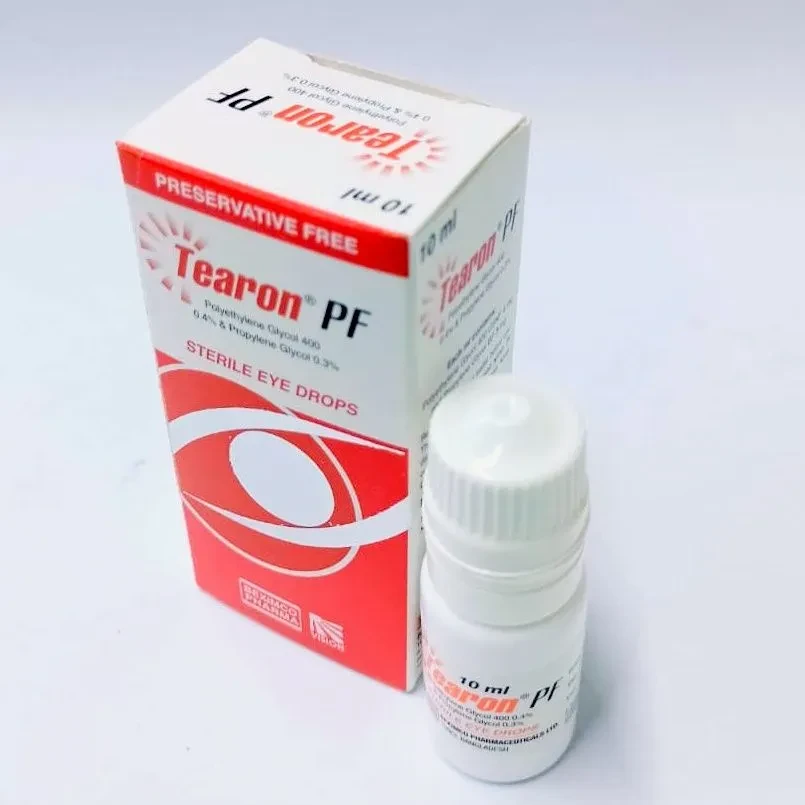
Instill 1 drop 4 times daily in the affected eye(s) or as needed.Dosages vary depending on the indication:
- Constipation: 17 grams of PEG dissolved in 4 to 8 ounces of liquid, taken once daily.
- Bowel cleansing: 240 mL of bowel prep solution containing PEG, taken every 10 to 15 minutes until bowel contents are clear, or as directed by a healthcare provider.
- Topical application: Amounts of PG-based products vary based on the specific formulation, applied as needed.
Administration
Polyethylene Glycol is usually taken orally, mixed in a liquid, for constipation or bowel cleansing. Propylene Glycol is used topically in creams, gels, and ointments, or orally and intravenously as a solvent in drug formulations. Bowel cleansing preparations should be consumed according to a specific schedule leading up to a colonoscopy or surgery.
Side Effects
Common side effects of Polyethylene Glycol include:
- Bloating
- Cramping
- Diarrhea
- Nausea
- Skin irritation (topical use)
- Kidney dysfunction (high doses or chronic use)
- Metabolic acidosis (high doses, especially intravenously)
Toxicity
In large amounts, both Polyethylene Glycol and Propylene Glycol can lead to toxicity:
- Polyethylene Glycol: Overuse can cause severe diarrhea, dehydration, and electrolyte imbalances.
- Propylene Glycol: High systemic levels can cause metabolic acidosis, renal failure, central nervous system depression, and seizures.
Precautions
Caution should be used when prescribing or using these compounds in:
- Patients with kidney disease (for Propylene Glycol)
- Patients with fluid or electrolyte imbalances (for Polyethylene Glycol)
- Individuals with a history of allergies or skin sensitivities (for topical Propylene Glycol)
Interaction
Polyethylene Glycol may interfere with the absorption of other oral medications due to increased gastrointestinal motility. Propylene Glycol can enhance the absorption of certain topical or transdermal medications, increasing systemic exposure.
Disease Interaction
Both compounds should be used cautiously in patients with:
- Kidney disease (for Propylene Glycol, due to renal clearance)
- Electrolyte imbalances (for Polyethylene Glycol, due to the risk of exacerbating fluid and electrolyte disturbances)
Drug Interaction
Polyethylene Glycol may reduce the effectiveness of drugs that require prolonged contact with the intestinal wall for absorption. Propylene Glycol can increase the systemic absorption of certain drugs, especially when used as a solvent in topical formulations.
Food Interactions
There are no significant food interactions with either Polyethylene Glycol or Propylene Glycol, but food may affect the absorption of other medications administered concomitantly with PEG bowel preparation.
Pregnancy Use
Both Polyethylene Glycol and Propylene Glycol are generally considered safe for use during pregnancy, although caution should be exercised with prolonged use of Propylene Glycol due to potential risks of systemic absorption and metabolic effects.
Lactation Use
Polyethylene Glycol is not significantly absorbed systemically and is considered safe for use during breastfeeding. Propylene Glycol is also considered relatively safe, but caution should be exercised, especially with large doses or prolonged exposure.
Acute Overdose
In cases of overdose, Polyethylene Glycol may cause severe diarrhea, dehydration, and electrolyte imbalances, while Propylene Glycol toxicity can lead to metabolic acidosis, renal failure, and central nervous system depression. Immediate medical intervention, including supportive care and rehydration, may be necessary.
Contraindication
Polyethylene Glycol is contraindicated in patients with:
- Known hypersensitivity to PEG
- Gastrointestinal obstruction or perforation
- Severe inflammatory bowel disease
- Known hypersensitivity to PG
- Severe renal dysfunction
Use Direction
Polyethylene Glycol should be taken exactly as prescribed for constipation or bowel preparation. It is important to stay hydrated during use to prevent dehydration. Propylene Glycol-containing products should be applied or used as directed, with caution in patients with kidney impairment or sensitivity.
Storage Conditions
Both Polyethylene Glycol and Propylene Glycol products should be stored at room temperature, away from moisture and light. Keep them out of reach of children.
Volume of Distribution
Polyethylene Glycol is not significantly absorbed systemically, and hence its volume of distribution is minimal. Propylene Glycol has a volume of distribution of approximately 0.5-0.6 L/kg in adults.
Half-Life
Polyethylene Glycol is minimally absorbed, so it does not have a clinically significant half-life. The half-life of Propylene Glycol varies depending on the dose and route of administration, typically around 2 to 4 hours in healthy individuals.
Clearance
Polyethylene Glycol is primarily excreted unchanged in the feces. Propylene Glycol is cleared primarily by hepatic metabolism, with metabolites excreted in the urine. Impaired renal or hepatic function can reduce the clearance of Propylene Glycol.