Introduction
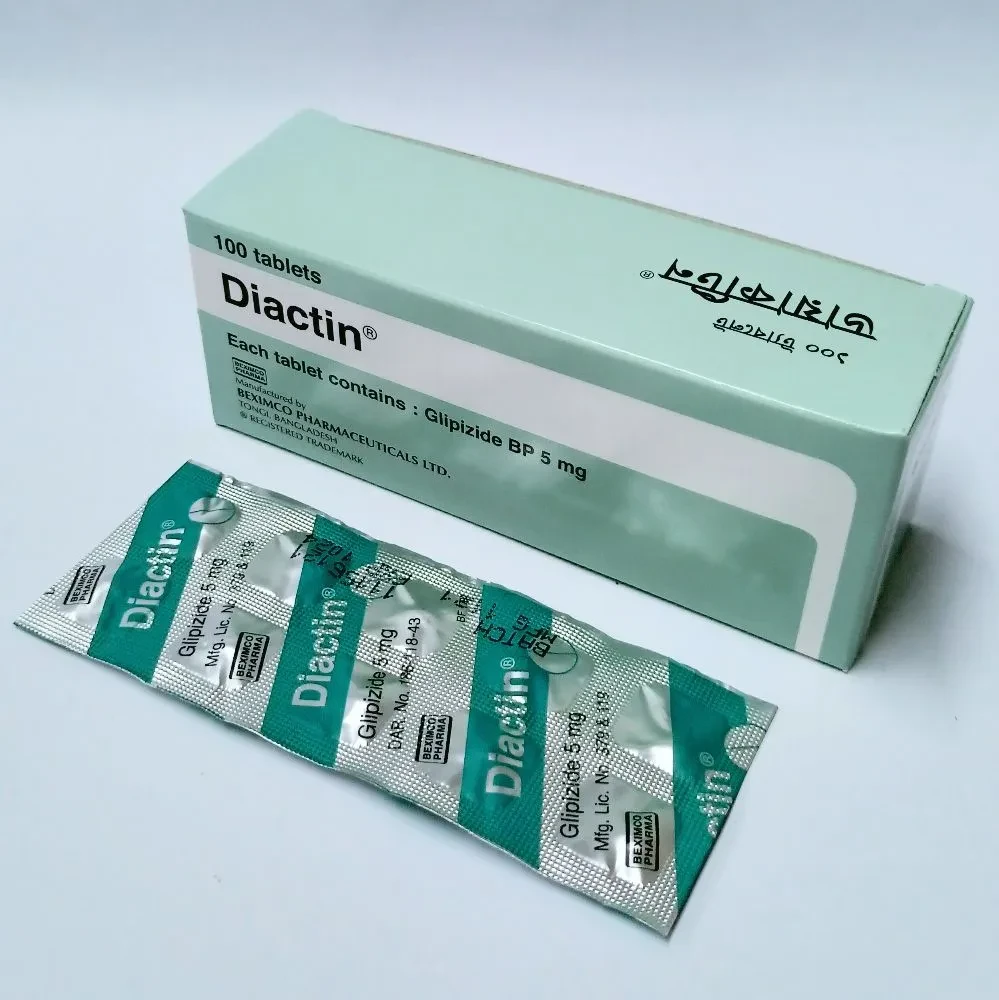
Pizide Tablet 5 mg is an oral diabetes medicine that helps control blood sugar levels. It works by stimulating the body to produce more insulin. This medication is used to treat type 2 diabetes.
Uses
Pizide Tablet 5 mg is used to treat type 2 diabetes in people who cannot control blood sugar levels by diet and exercise alone. It is used along with diet and exercise, and sometimes with other medications, to reduce blood sugar levels.
| Brand Name | Pizide |
|---|---|
| Type | Tablet |
| Weight | 5 mg |
| Generic | Glipizide |
| Manufacturer | Kemiko Pharmaceuticals Ltd. |
| Available in | English বাংলা |
Mechanism of Action
Pizide Tablet 5 mg works by stimulating the body to release insulin, which helps to break down sugar into energy. Pizide Tablet 5 mg also works by increasing the production of insulin from the pancreas. This helps to maintain normal blood sugar levels.
How Long Does it Take to Work?
Pizide Tablet 5 mg should begin to work within 1 hour of taking it and can take effect for up to 24 hours. However, it may take several days for its full effects to be noticed, and to begin to take effect.
Absorption
Pizide Tablet 5 mg is rapidly absorbed after oral administration. The peak plasma concentration of Pizide Tablet 5 mg is achieved within 1 to 2 hours.
Route of Elimination
Pizide Tablet 5 mg is rapidly and extensively metabolized in the liver and excreted primarily in the feces (94%) and to a lesser extent in the urine (6%).
Dosage
Like any other oral hypoglycaemic agent, dosage of Glipizide is not fixed and may be adjusted through periodic monitoring of blood glucose level. Short term administration of Glipizide may be sufficient during periods of transient loss of control of blood glucose in patients, usually controlled well on diet.In general, Glipizide should be given approximately 30 minutes before a meal to achieve the maximum reduction in postprandial hyperglycaemia.
- Initial dose: The recommended starting dose is 5 mg, given before breakfast. Geriatric patients or those with liver disease may be started on 2.5 mg.
- Dosage adjustments: Dosage adjustment may be done at intervals of several days by an increment of 2.5-5 mg, as determined by blood glucose response. If response to a single dose is not satisfactory, dividing that dose might prove effective. The maximum recommended once daily dose is 15 mg. Doses above 15 mg should ordinarily be divided and given before meals of adequate calorie content. The maximum recommended total daily dose is 40 mg.
- Maintenance: Some patients may be effectively controlled on a once daily regimen, while others show better response with divided dosing. Total daily dose above 30 mg have been safely given on bid basis to long term patients. Patients can usually be stabilized on a dosage ranging from 2.5 to 30 mg daily.
Patients receiving insulin: Many stable non-insulin-dependent diabetic patients receiving Insulin may be safely placed on Glipizide if the physician decides to do so.
Patients receiving other oral hypoglycaemic agents: As with other sulphonylurea, no transition period is necessary while transferring patients to Glipizide. Patients should be observed carefully for any possible hypoglycaemic effect due to overlapping of drug effects.
Pediatric Use: Safety and effectiveness in children have not been established.
The usual starting dose of Pizide Tablet 5 mg is 2.5 to 5 mg per day, taken with meals. The daily dose may be increased in increments of 2.5 to 5 mg every week until the desired blood sugar control is achieved. The usual dose is 10 to 20 mg per day. The maximum recommended daily dose is 40 mg per day.
Administration
Pizide Tablet 5 mg should be taken with meals to reduce the risk of hypoglycemia. It should be taken exactly as prescribed, and patients should not change or stop taking the medication without consulting their healthcare provider.
Side Effect
Common side effects of Pizide Tablet 5 mg include headaches, dizziness, nausea, blurred vision, itching, abdominal pain and diarrhea. Other side effects may occur and should be reported to the doctor.
Toxicity
This medication is generally well-tolerated. However, if taken in too high of a dose, or for too long a period of time, it can cause serious side effects such as hypoglycemia and lactic acidosis.
Precautions
Patients should inform their doctor if they have any allergies, or if they are taking any other medications, before taking Pizide Tablet 5 mg. It is important to be aware of the signs and symptoms of hypoglycemia, as well as the potential drug interactions.
Interactions
Patients should inform their doctor of any other medications they are taking before starting Pizide Tablet 5 mg. This medication may interact with some other medications, including insulin, other diabetes medications, and certain antibiotics.
Disease Interaction
Patients with kidney or liver disease should use Pizide Tablet 5 mg with caution, as it may be processed more slowly by these organs and cause an increased risk of side effects.
Drug Interactions
Patients should inform their doctor of any other medications they are taking before starting Pizide Tablet 5 mg, as it may interact with some other medications, including insulin, other diabetes medications, and certain antibiotics.
Food Interactions
There are no known food interactions with Pizide Tablet 5 mg. However, it is important to take Pizide Tablet 5 mg with meals to reduce the risk of low blood sugar.
Pregnancy Use
Pizide Tablet 5 mg is excreted in breast milk and should not be used by women who are pregnant or breastfeeding. Women who are pregnant or breastfeeding should consult their doctor before using Pizide Tablet 5 mg.
Lactation Use
Pizide Tablet 5 mg is not recommended for use by nursing mothers as it is excreted in breast milk. Women who are nursing should consult their doctor before beginning Pizide Tablet 5 mg.
Acute Overdose
An overdose of Pizide Tablet 5 mg can cause low blood sugar (hypoglycemia) and it is important to seek medical attention immediately if this occurs. Signs and symptoms of hypoglycemia include headaches, dizziness, confusion, tremors, sweating, hunger, blurred vision, fatigue, fainting, and seizures.
Contraindication
Pizide Tablet 5 mg is contraindicated in patients with hypersensitivity to Pizide Tablet 5 mg or any of its components.
Use Directions
Pizide Tablet 5 mg should be taken as directed by the doctor. It is important to take Pizide Tablet 5 mg with meals to reduce the risk of low blood sugar. The usual dose is 2.5 to 5 mg per day, taken with meals. The daily dose can be increased in increments of 2.5 to 5 mg every week until desired blood sugar control is achieved.
Storage Condition
Pizide Tablet 5 mg should be stored at room temperature (68°F to 77°F). It should be protected from light and stored in a dry place.
Volume of Distribution
The volume of distribution of Pizide Tablet 5 mg is 0.4 to 0.8 L/kg.
Half Life
The half-life of Pizide Tablet 5 mg is 3 to 4 hours, after which it is slowly eliminated from the body.
Clearance
Pizide Tablet 5 mg is cleared from the body primarily by the liver, resulting in an elimination half-life of about 3 to 4 hours.
See in details version Pizide Tablet 5 mg also Pizide Tablet 5 mg in bangla
Some Frequently Asked Questions About Pizide Tablet 5 mg



Prof. Dr. Md. Abu Taher
Mental Diseases, Headache, Drug Addiction & Psychiatry Specialist