Introduction
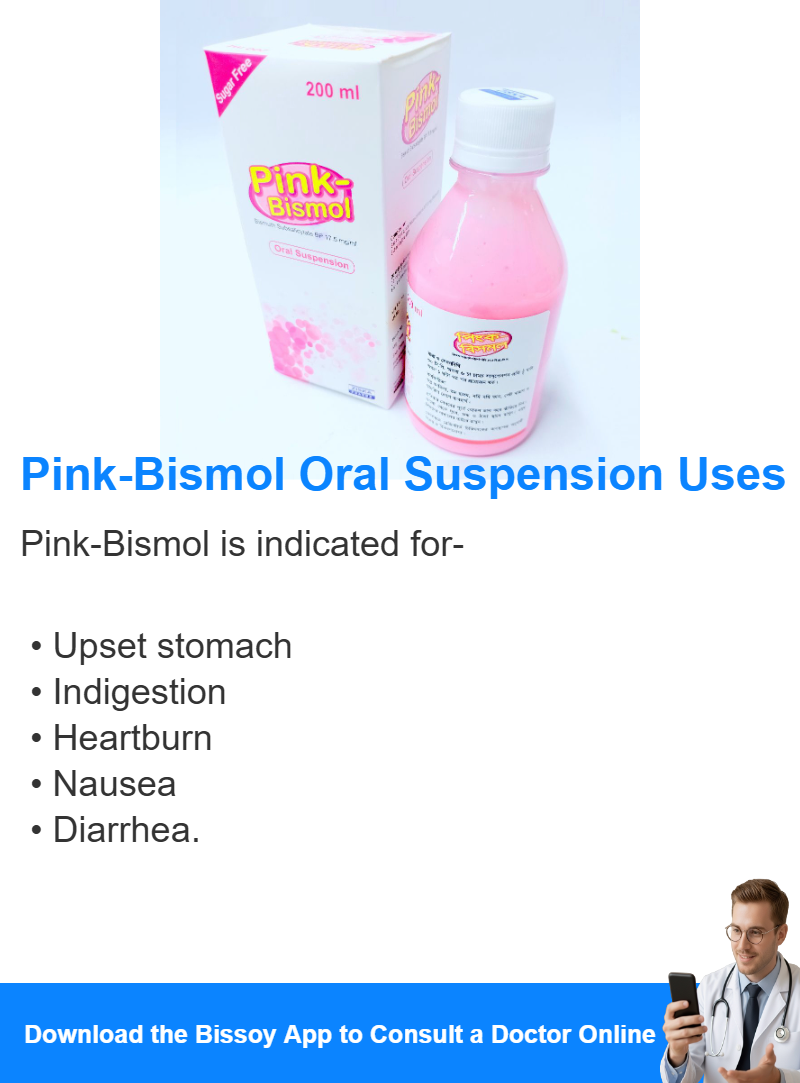
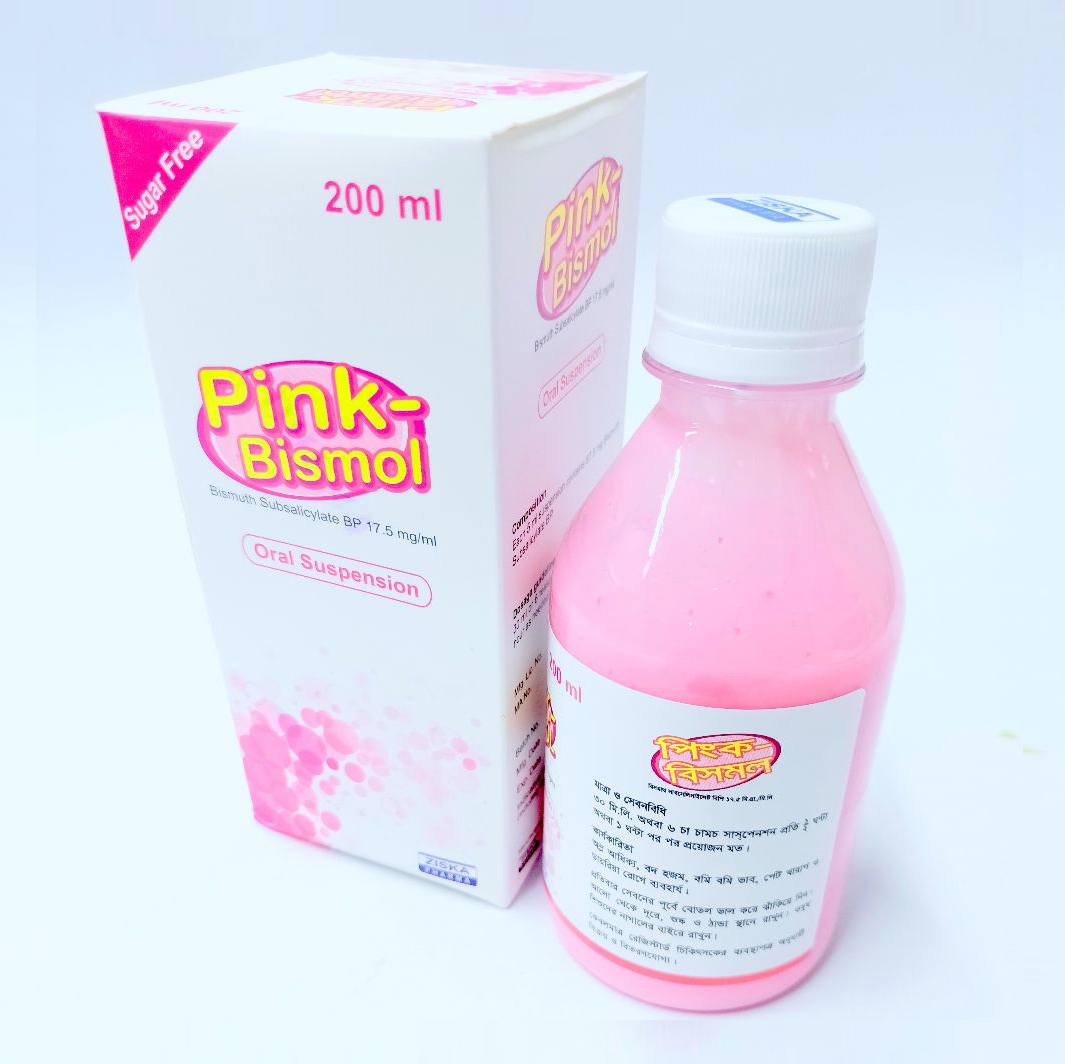
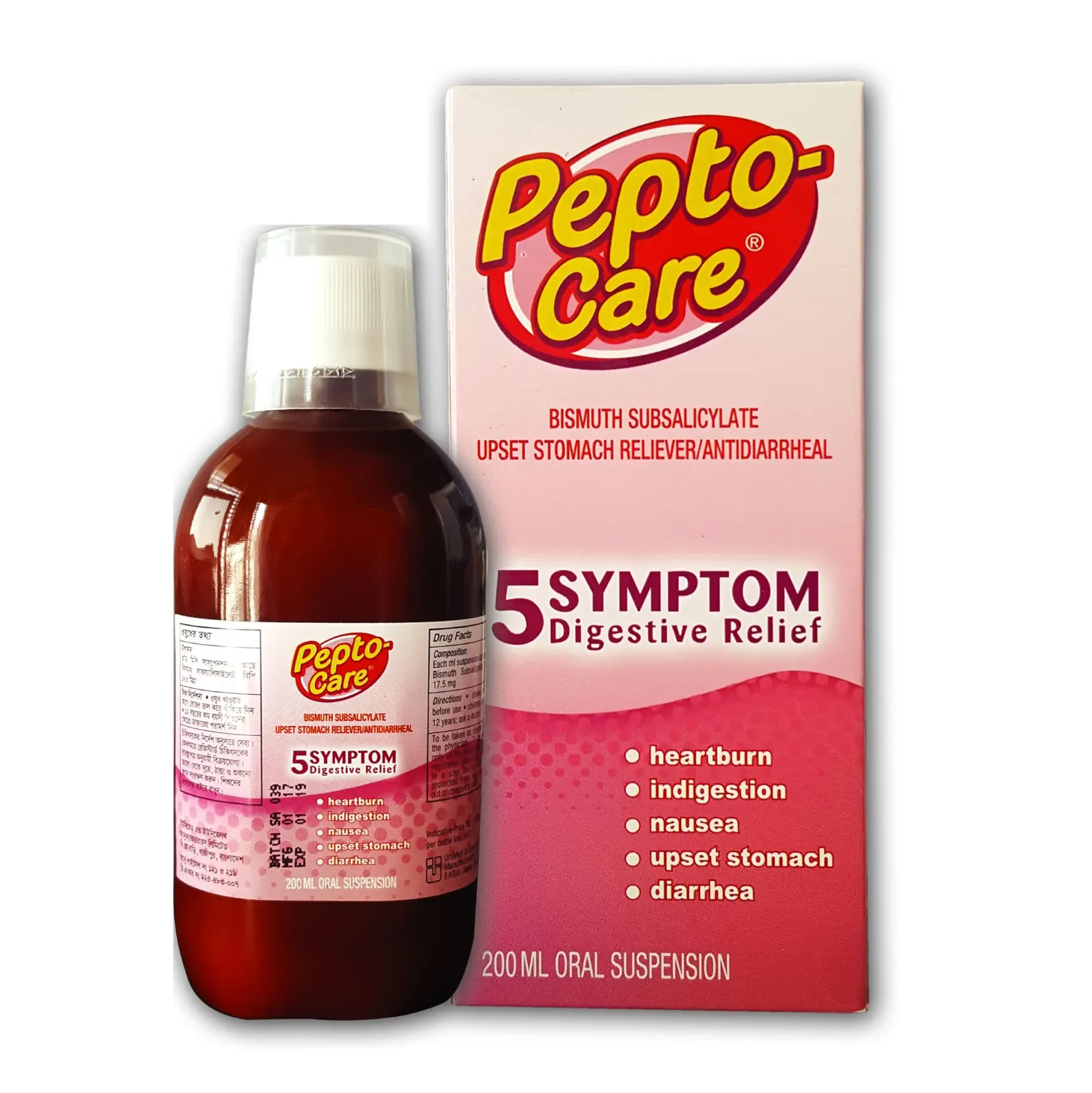
Bismuth subsalicylate is an antacid and antidiarrheal agent with antibacterial and gastroprotective properties. It is used to relieve diarrhea, nausea, heartburn, indigestion, upset stomach, and other gastrointestinal discomforts.
Bismuth subsalicylate also forms part of combination therapy for the eradication of Helicobacter pylori infection associated with duodenal ulcers. It works by protecting the stomach lining, reducing inflammation, and exerting antimicrobial effects within the gastrointestinal tract.
Uses
Bismuth subsalicylate is an antidiarrheal and anti-inflammatory agent used for symptomatic treatment of nausea, indigestion, upset stomach, diarrhea, and other temporary discomforts of the stomach and gastrointestinal tract.
Bismuth subsalicylate is indicated to temporarily relieve diarrhea, travelers' diarrhea, and upset stomach due to overindulgence in food and drink, including heartburn, indigestion, nausea, gas, belching, and fullness.
Bismuth subsalicylate is a component of HELIDAC Therapy (bismuth subsalicylate, metronidazole, and tetracycline), which is a treatment regimen indicated for the eradication of H. pylori for treatment of patients with H. pylori infection and duodenal ulcer disease.
Associated Conditions
Pharmacodynamics
Bismuth subsalicylate is an antacid and antimicrobial, gastroprotective, anti-secretory, and anti-inflammatory actions. It works to reduce the severity and incidence of flatulence and diarrhea, and consequently relieving gastrointestinal discomfort. In one study, bismuth subsalicylate was prevented traveler's diarrhea with a protection rate >60%.
Organobismuth compounds, formed by the breakdown of bismuth subsalicylate in the gastrointestinal tract, inhibit the growth of Helicobacter pylori and other bacteria implicated in gastrointestinal disorders, and some fungi. In one study, bismuth subsalicylate was shown to eradicate up to 90% of H. pylori infection when used as part of a quadruple therapy regimen containing a proton pump inhibitor, tetracycline, and metronidazole. Bismuth subsalicylate exhibited antimicrobial activity against Clostridium difficile, enterotoxigenic Escherichia coli O157:H7, norovirus, and other common enteric pathogens such as Salmonella and Shigella.
Mechanism of Action
The exact mechanism of bismuth subsalicylate is not fully understood. Bismuth subsalicylate is an insoluble complex that constitutes salicylic acid and trivalent bismuth. Once orally administered, bismuth subsalicylate hydrolyzes in the stomach into bismuth oxychloride, which is minimally absorbed into the bloodstream, and salicylic acid, which is almost completely absorbed. Bismuth interacts with other anions and compounds, such as hydrochloric acid, bicarbonate, phosphate, and hydrogen sulfide, in the gastrointestinal tract to form bismuth salts such as bismuth oxychloride, bismuth subcarbonate, bismuth phosphate, and bismuth sulfide. Bismuth salts possess bactericidal and antimicrobial activity, mainly by preventing bacteria from binding and growing on the mucosal cells of the stomach. It has no effects on normal gut flora. By preventing bacteria from binding to mucosal cells, bismuth subsalicylate prevents intestinal secretion and fluid loss, promotes fluid and electrolyte reabsorption, reduces gastrointestinal inflammation, and promotes the healing of pre-existing ulcer in the stomach. Salicylic acid from dissociated bismuth subsalicylate adds to the anti-inflammatory actions of bismuth salts by inhibiting the cyclooxygenase enzyme and limiting the formation of prostaglandin, a pro-inflammatory mediator. Bismuth subsalicylate exhibits cytoprotective and demulcent activity, which makes it an effective drug in peptic ulcer disease. It blocks the adhesion of H. pylori to the gastric epithelial cells and blocks the bacteria's enzyme activities, including phospholipase, protease, and urease.
Absorption
Following oral administration, bismuth subsalicylate hydrolyzes into bismuth and salicylic acid in the stomach. Salicylic acid is almost completely absorbed in the small intestine and reaches plasma peak levels one to two hours after dosing. In one study involving healthy male subjects, oral administration of 60 mL Pepto-Bismol, a common over-the-counter product of bismuth subsalicylate, equivalent to 1050 mg of bismuth subsalicylate, resulted in the peak plasma concentration of salicylate of 40.1 μg/mL, with a time to peak concentration (Tmax) of 1.8 hours.
Less than 1% of bismuth from bismuth subsalicylate is absorbed from the gastrointestinal tract into the systemic circulation. In one study, oral administration of 787 mg bismuth subsalicylate in the chewable tablet form for two weeks resulted in the mean trough blood bismuth concentration was 5.1 ± 3.1 ng/mL. In another study, the mean trough blood bismuth concentration ranged from five to 32 ng/mL following oral administration of 525 mg bismuth subsalicylate in the liquid suspension form.
Volume of Distribution
There is no information available.
Protein Binding
Salicylic acid is about 90% plasma protein bound. Bismuth is about >90% bound to plasma proteins.
Route of Elimination
Following oral administration, salicylate dissociated from bismuth subsalicylate is excreted in the urine. Bismuth is primarily eliminated via urinary and biliary routes.
Half Life
The terminal half-life of salicylic acid following a single oral dose of 525 mg bismuth subsalicylate is ranges from two to five hours. Bismuth has an intermediate half-life of 5 to 11 days and a terminal half-life of 21 to 72 days.
Clearance
The renal clearance of bismuth is 50 ± 18 mL/min.
Toxicity
Lowest Lethal Dose (LDLo) in humans is 700 mg/kg. LD50 in rats is 1200 mg/kg via oral route, 542 mg/kg via intraperitoneal route, and 980 mg/kg via subcutaneous route.
Overdose of bismuth subsalicylate over an extended period of time and consequently, bismuth toxicity, can lead to blackening of the tongue and teeth, fatigue, mood changes, deterioration of mental status, and neurotoxicity. Other signs and symptoms include impaired cognition, tremors, lethargy, somnolence, insomnia, delirium, myoclonus, seizures, depressed mood, anxiety, and a depressed mood. Salicylate toxicity can occur from chronic bismuth subsalicylate use : it mostly occurs from ingestion of more than 150 mg/kg of salicylates (or >6.5 g of aspirin equivalent). As there are no specific antidotes for bismuth salicylate toxicity, overdose should be managed with supportive care, with or without decontamination with activated charcoal. Hemodialysis may be considered in more severe cases and with the presence of altered mental status and metabolic acidosis.
Food Interactions
No interactions found.
Dosage
Children (10-14 years): 15 mL (3 teaspoons)
Children (5-9 years): 7.5 mL (1.5 teaspoons)
Children (3-4 years): 5 mL (1 teaspoon)
Children under 3 years: Ask a doctor.
Use in the elderly: No special precaution is needed.
Patient is suffering from renal insufficiency: caution should be taken.
Repeat dose every ½ to 1 hour if needed. Not more than 8 doses to be taken in 24 hours.